

The future of AI-powered interactive video storytelling is all about creating deeply engaging and personalized experiences that allow audiences to influence the narratives they encounter. With artificial intelligence transforming the way stories are crafted and consumed, creators now have the tools to build rich, immersive worlds tailored to individual viewer preferences and interactions. In this article, you’ll discover how AI is reshaping storytelling, the myriad benefits it offers, and the challenges that creators must navigate as they embrace this new frontier.
The Evolution of Video Storytelling

Video storytelling has undergone a significant transformation over the years. Traditionally, narratives were linear, offering audiences a fixed path from beginning to end. This model, while effective, often limited the viewer’s engagement, as they were merely passive recipients of the story. The result was a disconnect between the creator’s intent and the audience’s experience.
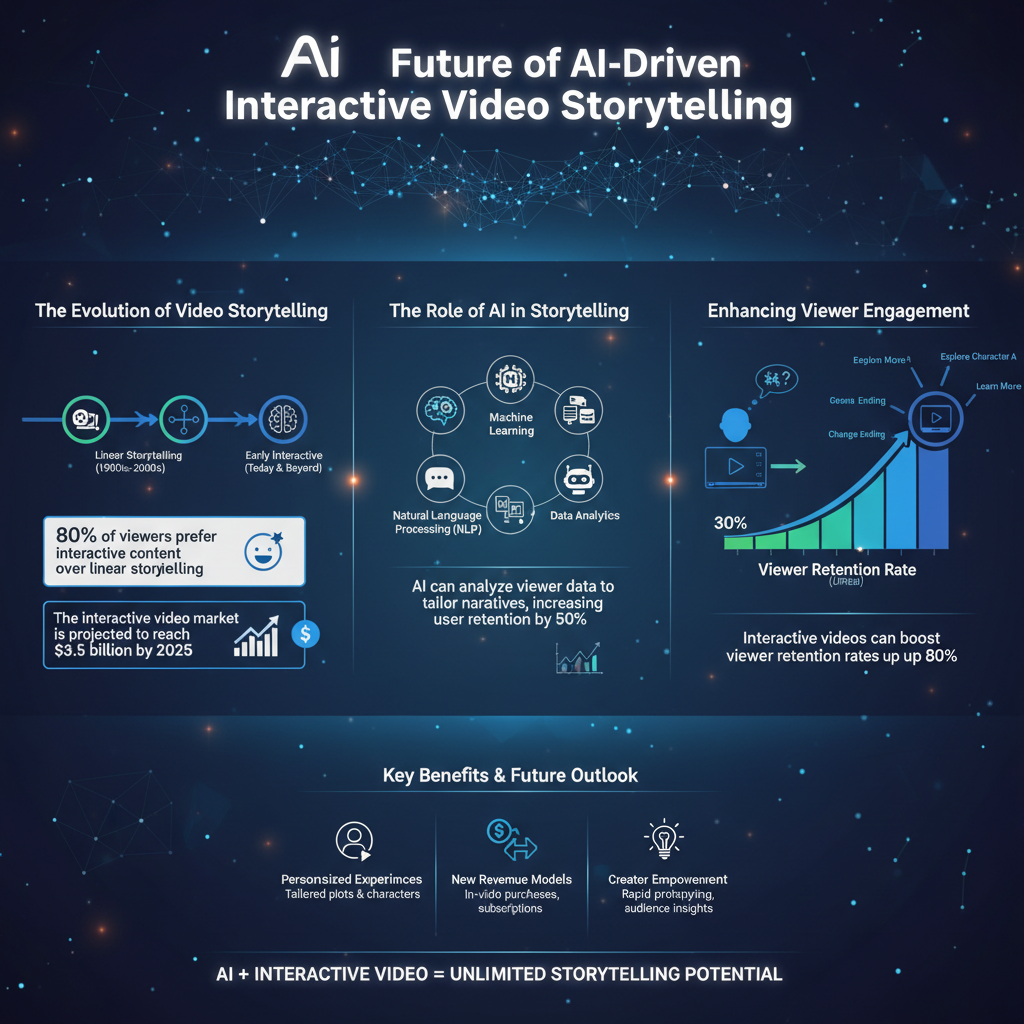
However, the advent of technology has ushered in an era of interactivity in storytelling. From choose-your-own-adventure books to interactive films like “Bandersnatch” from Netflix, creators have started to explore how they can make audiences active participants in the narrative. This shift not only enhances engagement but also allows for a multitude of storylines and endings, catering to diverse preferences and emotional responses. As technology continues to evolve, the possibilities for interactive storytelling are becoming more expansive and exciting.
The Role of AI in Storytelling

Artificial intelligence is at the forefront of this storytelling revolution. By employing sophisticated algorithms, AI can analyze vast amounts of viewer data, allowing creators to understand audience behavior and preferences better. This data-driven approach enables the crafting of narratives that adapt in real-time based on user interactions.
For instance, platforms like Reallusion’s Cartoon Animator and AI Dungeon leverage AI to enable users to create their own interactive stories. These tools analyze user input and generate unique storylines, characters, and dialogues, making each experience distinct. Such AI-driven platforms empower both amateurs and seasoned creators to explore new storytelling avenues, breaking traditional boundaries and inviting innovation.
Enhancing Viewer Engagement
One of the standout features of AI-driven interactive video storytelling is its ability to create personalized experiences. By leveraging viewer data—such as past interactions, viewing habits, and even emotional responses—AI can tailor narratives that resonate on a deeper level. For example, if a viewer tends to engage more with emotional content, the AI can steer the narrative toward more poignant themes, creating a stronger connection.
User choice plays a crucial role in shaping the narrative flow. The freedom to make decisions not only enhances engagement but also invests viewers in the outcome of the story. This concept can be seen in projects like “The Walking Dead: A New Frontier,” where players make critical choices that impact character development and plot progression. Such experiences create a sense of agency for the audience, making them feel like integral parts of the story world rather than mere spectators.
Case Studies of Successful AI-Powered Storytelling
Several notable projects have effectively harnessed AI to elevate storytelling. One prominent example is Netflix’s “Black Mirror: Bandersnatch,” an interactive film that allows users to make choices that influence the story’s direction. This project garnered widespread acclaim, with audiences enjoying the unique experience of shaping the narrative. The engagement metrics were impressive, with viewers spending more time on the platform and returning to explore different paths and endings.
Another example is the AI-generated short film “Sunspring,” created by Oscar Sharp and an AI named Benjamin. The film, written entirely by the AI, showcased the potential for machine-generated narratives while also raising questions about authorship and creativity. The audience’s mixed reactions highlighted the intrigue surrounding AI’s role in storytelling, as viewers grappled with the idea of a non-human storyteller.
Challenges and Ethical Considerations
As we embrace the future of AI-driven storytelling, it’s vital to address the challenges and ethical considerations that come with it. One significant concern is data privacy. As AI systems rely on collecting and analyzing viewer data to personalize experiences, creators must ensure that they are transparent about data usage and prioritize user consent.
Algorithmic bias is another critical issue. AI systems are only as good as the data they are trained on, which can lead to unintentional biases in storytelling. For instance, if a dataset lacks diversity, the narratives produced may not accurately reflect the experiences and perspectives of different communities. Therefore, it is essential for creators to implement ethical guidelines to ensure fairness, transparency, and inclusivity in AI-driven storytelling.
The Future Landscape of Interactive Video Storytelling
Looking ahead, the landscape of interactive video storytelling is poised for remarkable advancements. As AI technology continues to evolve, we can expect more sophisticated algorithms that not only understand viewer preferences but also predict emotional responses in real-time. This could lead to highly dynamic narratives that adapt not just to choices but to the viewer’s current mood.
The impact on content creation, distribution, and audience interaction could be profound. With more personalized storytelling experiences, creators may find new ways to monetize content, while audiences enjoy tailored narratives that speak directly to their interests. The rise of virtual and augmented reality could further enhance this experience, allowing viewers to immerse themselves in stories like never before.
The advancements in AI-powered interactive video storytelling signify a new paradigm in how stories are told and consumed. As technology evolves, creators will have unprecedented opportunities to craft experiences that resonate deeply with audiences. By understanding the dynamic interplay between AI and storytelling, we can harness these changes to create compelling narratives that not only entertain but also connect with viewers on a personal level. Embrace these changes and consider how you can incorporate AI-driven storytelling into your next project; the future is bright, and the possibilities are endless!
Frequently Asked Questions
What is AI-powered interactive video storytelling and how does it work?
AI-powered interactive video storytelling combines artificial intelligence with video content to create engaging narratives that respond to viewer choices. By utilizing algorithms and machine learning, these platforms analyze user interactions in real-time, allowing viewers to shape the direction of the story. This technology enhances user engagement by providing a personalized viewing experience, making each interaction unique.
How can businesses benefit from using AI-powered interactive video storytelling?
Businesses can leverage AI-powered interactive video storytelling to enhance customer engagement, increase brand loyalty, and boost conversion rates. By offering personalized content that resonates with viewers’ preferences, businesses can create immersive experiences that capture attention. Moreover, these interactive videos can provide valuable data insights, allowing companies to tailor their marketing strategies effectively.
Why is interactive video storytelling important for the future of content marketing?
Interactive video storytelling is crucial for the future of content marketing because it caters to the evolving preferences of digital audiences who seek engaging and immersive experiences. As attention spans shorten, traditional video formats may no longer suffice, making interactive storytelling a vital tool for capturing viewer interest. This innovative approach not only enhances user experience but also increases retention rates, leading to better marketing outcomes.
What are the best platforms for creating AI-powered interactive video content?
Some of the best platforms for creating AI-powered interactive video content include platforms like Wondrium, Interlude (now Eko), and Rapt Media. These tools offer user-friendly interfaces and robust features that enable creators to design, edit, and publish interactive videos seamlessly. Many of them also provide analytics capabilities, allowing creators to measure viewer engagement and optimize content based on user behavior.
Which industries are most likely to benefit from AI-powered interactive video storytelling?
Various industries stand to gain significantly from AI-powered interactive video storytelling, including entertainment, education, marketing, and healthcare. In entertainment, it can enhance viewer engagement through gamified experiences, while in education, it promotes active learning through interactive quizzes and decision-making scenarios. Additionally, marketing campaigns can become more compelling and personalized, driving better customer interaction and retention across these sectors.
References
- https://en.wikipedia.org/wiki/Interactive_video
- https://www.bbc.com/news/technology-58976922
- https://www.sciencedirect.com/science/article/pii/S1877050920302768
- https://www.technologyreview.com/2021/03/04/1020543/interactive-video-ai-future/
- https://www.nytimes.com/2020/12/15/technology/interactive-video.html
- https://www.wired.com/story/interactive-video-future/
- https://www.itu.int/en/ITU-T/focusgroups/ai/Pages/default.aspx
- https://www.forbes.com/sites/bernardmarr/2021/06/28/how-ai-is-revolutionizing-interactive-video-content/?sh=64166e8e1583
- https://www.frontiersin.org/articles/10.3389/frai.2021.689682/full