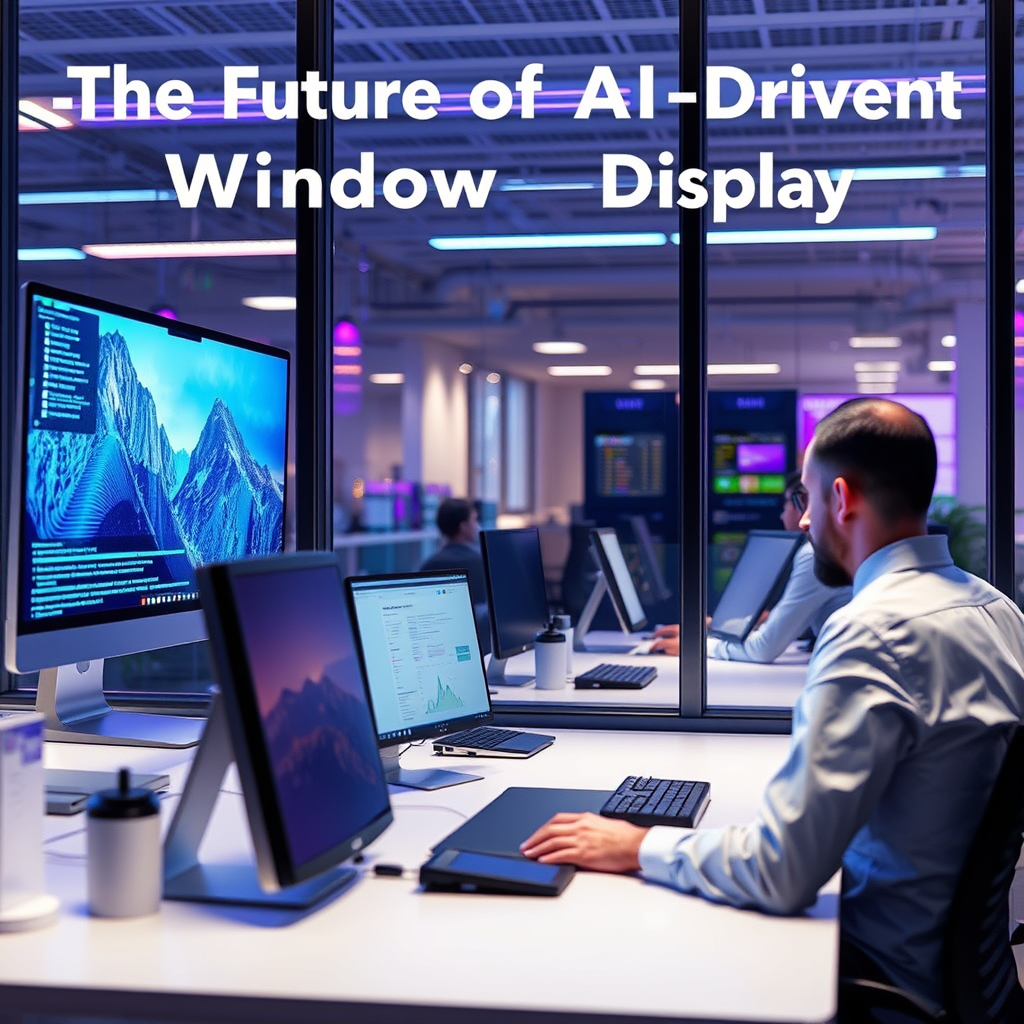

The future of AI-powered smart window displays is set to revolutionize our interactions with the environment around us by providing unparalleled personalization and engagement. These cutting-edge displays will not only reshape marketing strategies but also create immersive experiences tailored to individual preferences. From retail to urban landscapes, the integration of AI into smart window technology presents exciting possibilities that enhance both functionality and aesthetic appeal. In this article, we will explore the key advancements and implications of this transformative technology.
Evolution of Smart Window Displays
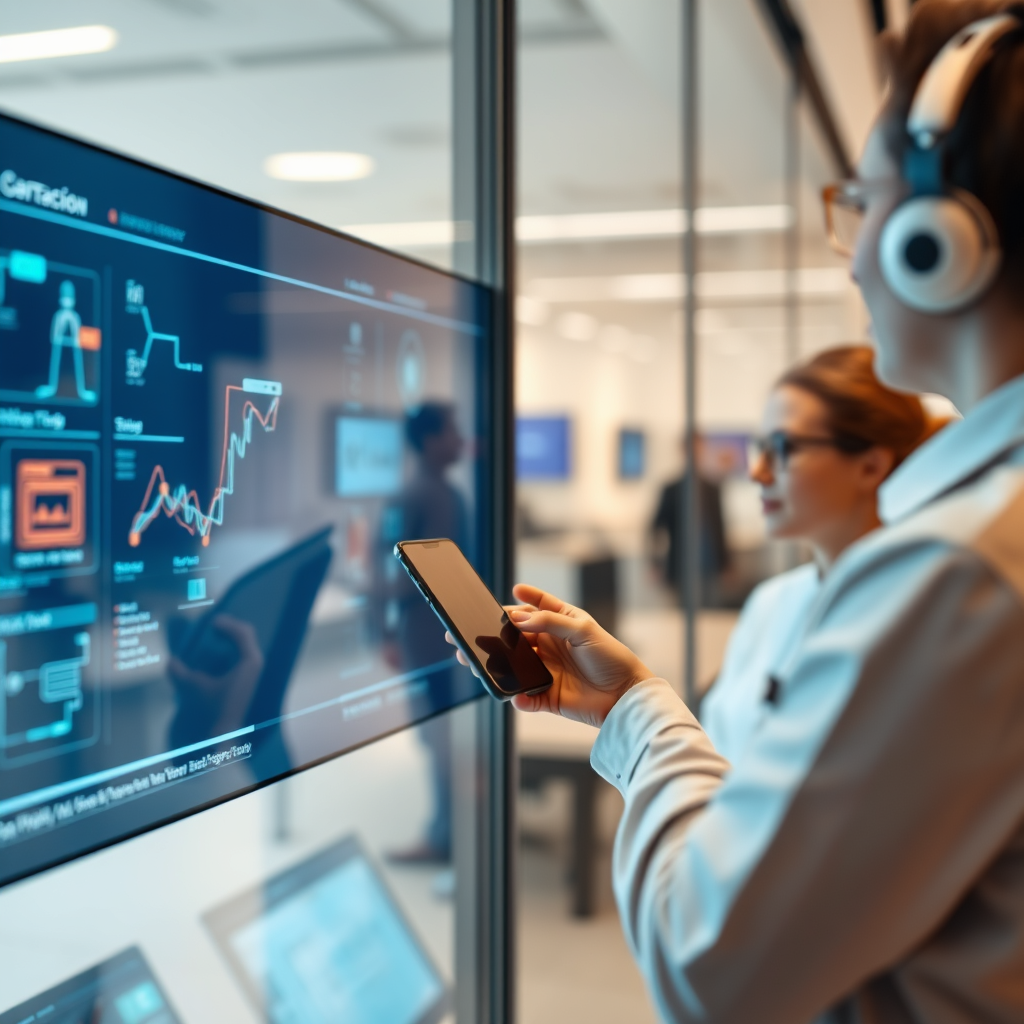
To understand the potential of AI-driven smart window displays, it’s essential to grasp their evolution. Traditional window displays often relied on static visuals that captured minimal attention and engagement. These displays were limited in their ability to adapt or respond to the viewer’s preferences, which restricted their effectiveness in marketing and communication.
In contrast, AI-powered smart displays leverage machine learning and data analytics to create dynamic content that can change based on real-time customer behavior and environmental conditions. Technological advancements, such as improved sensors, high-resolution displays, and cloud computing, have enabled this integration. For instance, with advancements in facial recognition technology, smart displays can assess the demographics of passersby and adjust their content accordingly, enhancing the relevance and impact of advertisements.
Applications in Retail and Advertising
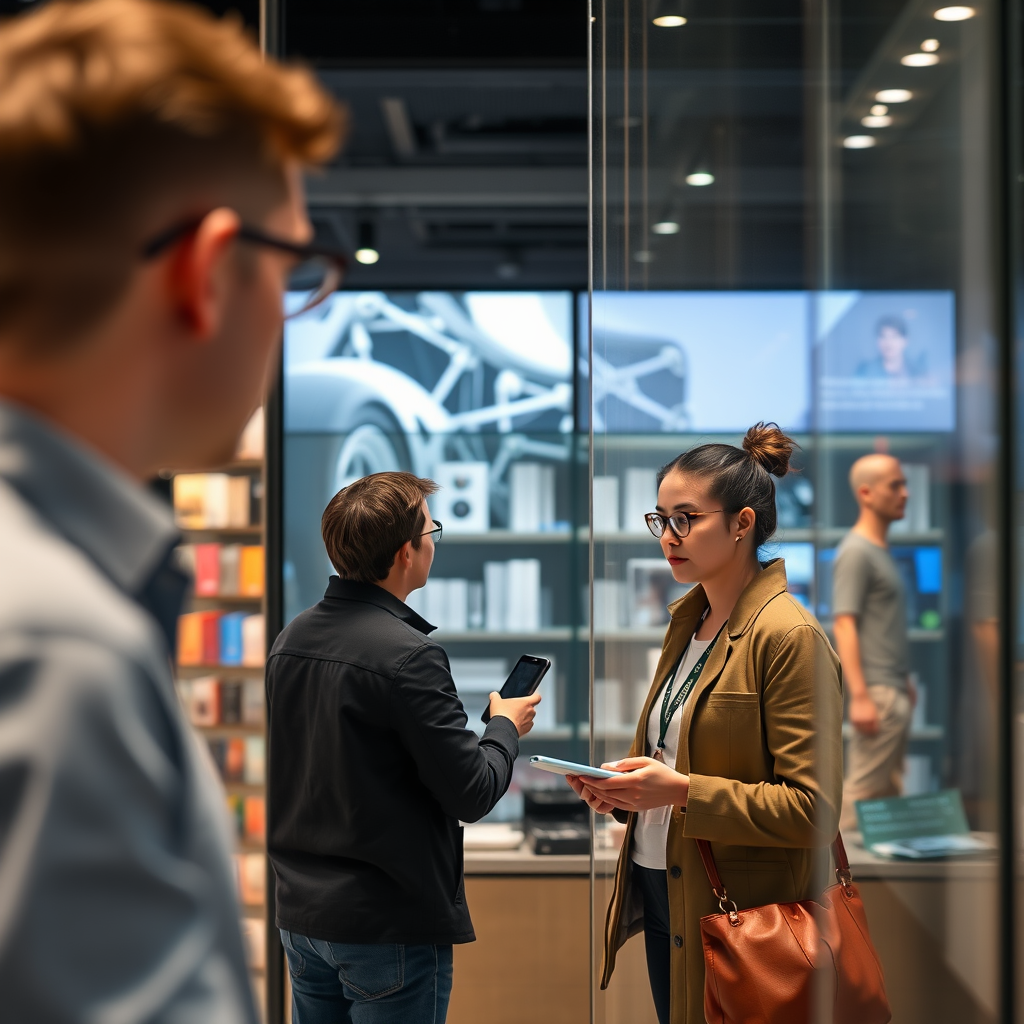
One of the most promising applications of AI-driven smart window displays is in retail and advertising. Personalized advertising is no longer a distant dream; it is becoming a reality. Imagine walking by a clothing store and, based on your previous shopping behavior, the display shows items that align with your style, size, and preferences. This kind of tailored experience not only boosts customer interest but also increases conversion rates.
Interactive displays take this a step further by inviting customers to engage with the content. For instance, a smart window display could feature a touch interface that allows users to browse through products, view prices, or even request a fitting room right from the street. Such interactivity can enhance customer engagement and create a memorable shopping experience. Brands like Nike have already begun experimenting with interactive displays that showcase product features, allowing customers to interact with the merchandise before even entering the store.
Integration with IoT and Smart Cities
The integration of smart window displays with the Internet of Things (IoT) is a game-changer in urban infrastructure and public spaces. These displays can connect with other IoT devices, such as smart traffic lights, sensors, and even mobile applications, creating a cohesive ecosystem that enhances urban living. For example, a smart window display in a bus shelter could provide real-time updates on public transport schedules, weather conditions, or local events, making it a central hub for community information.
In smart cities, these displays can play a vital role in enhancing public safety by providing emergency alerts or information during crises. Furthermore, they can be utilized for community-driven initiatives, such as showcasing local art or promoting neighborhood events. This interconnectivity not only enriches the user experience but also fosters a sense of community and engagement among residents.
User Experience and Design Considerations
When designing AI-driven smart window displays, user experience and design considerations are paramount. An intuitive user interface is crucial to ensure that users can easily navigate and engage with the content. This could mean implementing gesture controls, voice recognition, or simple touch interfaces that make interaction seamless and enjoyable.
Additionally, balancing aesthetics with functionality is essential. Smart window displays should not only serve a practical purpose but also enhance the overall visual appeal of their environment. For instance, incorporating sleek, modern designs that complement the architecture of the building can create a harmonious blend of technology and art. Retailers like Apple have mastered this balance, using minimalist designs and engaging content to draw in customers without overwhelming them.
Challenges and Ethical Considerations
As with any emerging technology, AI-driven smart window displays come with their own set of challenges and ethical considerations. Privacy concerns are at the forefront, particularly regarding data collection and usage. Many consumers are wary of how their data is being gathered and utilized, especially when it comes to personalized advertising. It is crucial for businesses to establish transparent data practices and obtain informed consent from users to build trust and ensure compliance with regulations.
Moreover, addressing potential bias in AI algorithms is vital. If not properly managed, these algorithms can inadvertently perpetuate stereotypes or exclude certain demographics from targeted advertising. Companies must prioritize fairness and inclusivity in their AI design processes, ensuring that the content displayed is respectful and representative of diverse communities.
Future Trends and Innovations
Looking ahead, the future of smart window displays is filled with exciting trends and innovations. Over the next decade, we can expect to see significant advancements in augmented reality (AR) integration, allowing users to visualize products in their own environments before making a purchase. Imagine being able to see how a piece of furniture would look in your living room simply by standing in front of a smart window display.
Additionally, real-time analytics will become increasingly sophisticated, providing businesses with invaluable insights into customer behavior and preferences. This data can then be used to further refine marketing strategies, ensuring that content remains relevant and impactful. The potential for AI-driven smart window displays to adapt dynamically to their environment and audience will undoubtedly reshape how businesses approach consumer engagement.
The rise of AI-powered smart window displays signifies a transformative shift in how we perceive and interact with our surroundings. By understanding the technology’s evolution, applications, and challenges, businesses and consumers can better prepare for this exciting future. Stay informed and consider how you can leverage these advancements in your own space, whether in retail, urban design, or personal use. As we move forward, the fusion of technology and creativity will undoubtedly create a vibrant landscape filled with opportunities for connection and engagement.
Frequently Asked Questions
What are AI-powered smart window displays and how do they work?
AI-powered smart window displays are innovative digital screens that utilize artificial intelligence to enhance user interaction and engagement. These displays can analyze data such as viewer demographics, preferences, and behavior in real-time to deliver personalized content. By integrating sensors and machine learning algorithms, these smart displays adapt what they show based on who is watching and when, making them an effective marketing tool for businesses.
How can businesses benefit from using AI-powered smart window displays?
Businesses can leverage AI-powered smart window displays to enhance customer engagement, improve brand visibility, and drive sales. By offering dynamic and personalized content, these displays can capture attention more effectively than static signage. Additionally, they can provide valuable analytics on customer interactions, allowing businesses to optimize their marketing strategies and better understand consumer behavior.
Why should retailers invest in AI-powered smart window displays?
Retailers should consider investing in AI-powered smart window displays because they create immersive shopping experiences that attract customers. These displays can showcase real-time promotions, product information, or interactive features, increasing foot traffic and sales. In a competitive retail environment, the ability to adapt content based on customer data can significantly enhance a retailer’s marketing effectiveness and customer satisfaction.
What are the best practices for implementing AI-powered smart window displays in my business?
To effectively implement AI-powered smart window displays, businesses should start by identifying their target audience and designing content that resonates with them. It’s crucial to ensure that the displays are strategically placed for maximum visibility. Additionally, regularly updating and analyzing the content based on viewer interactions and feedback will help in maintaining relevance and engagement, ultimately driving better results.
Which industries are most likely to benefit from AI-powered smart window displays?
Several industries can greatly benefit from AI-powered smart window displays, including retail, hospitality, healthcare, and real estate. In retail, these displays can enhance customer experiences with personalized promotions. In hospitality, they can provide guests with tailored information about services or events. Healthcare facilities can use them for informative displays about health services, while real estate can showcase property listings dynamically, attracting potential buyers effectively.
References
- Smart glass
- https://www.sciencedirect.com/science/article/abs/pii/S036013231300338X
- https://www.nature.com/articles/s41598-019-52858-1
- https://www.bbc.com/future/article/20210301-how-smart-windows-could-transform-our-cities
- https://www.energy.gov/eere/buildings/articles/smart-windows-technology
- https://www.nist.gov/news-events/news/2021/02/new-smart-windows-could-help-reduce-energy-use-buildings
- https://www.wired.com/story/smart-windows-could-save-energy-and-help-you-see/
- https://www.researchgate.net/publication/331583170_Smart_windows_for_energy_efficiency_in_buildings_A_review_of_the_literature
- https://www.theguardian.com/sustainable-business/smart-windows-solar-energy-sustainability