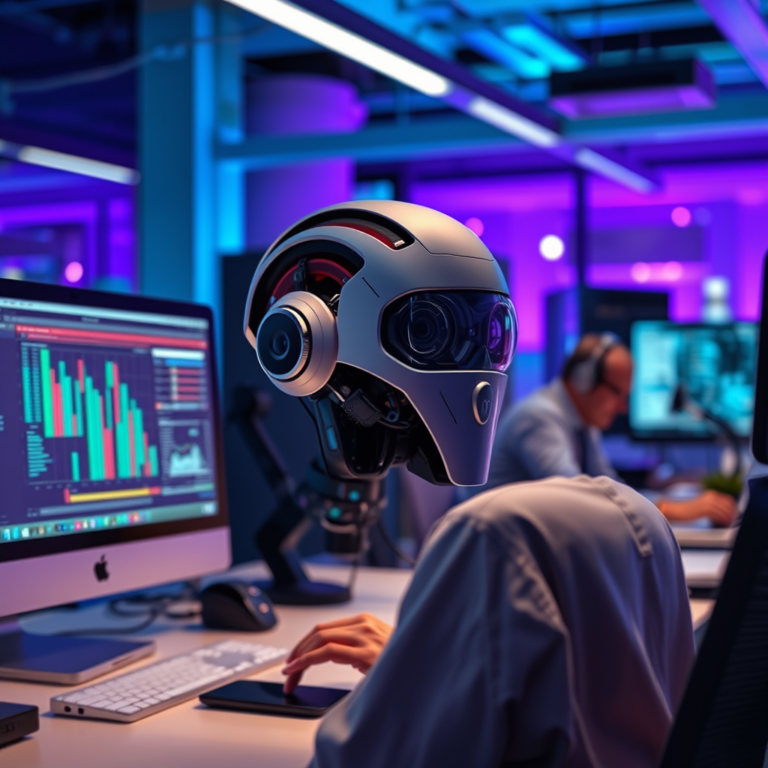

The future of AI-powered customizable user interfaces (UIs) for displays is set to revolutionize our digital experiences by allowing users to personalize their visual environments according to their unique preferences and needs. This transformative technology not only enhances user engagement but also opens up exciting opportunities for personalization across various applications, from mobile devices to smart home displays. In this article, we’ll explore the key trends and innovations that are shaping this exciting future.
The Rise of AI in UI Design

Artificial Intelligence (AI) is increasingly becoming an integral part of UI design, enabling the creation of dynamic and engaging interfaces. AI algorithms analyze user behavior by tracking how individuals interact with applications—what features they use most frequently, how long they spend on each task, and even their emotional responses to different visual elements. This data-driven approach allows for the development of interfaces that adapt in real-time, enhancing the overall user experience.
For example, platforms like Netflix utilize AI algorithms that not only recommend shows based on viewing history but also adjust the layout of the interface to highlight content that users are more likely to enjoy. This predictive analytics capability anticipates user needs and preferences, ensuring that the experience feels intuitive and personalized. As we move forward, we can expect AI to become even more sophisticated, enabling interfaces that learn and evolve alongside user habits.
Benefits of Customizable UIs

One of the most significant advantages of customizable UIs is the increased user satisfaction they foster through personalized interactions. When users can tailor their interfaces to reflect their preferences—whether in color schemes, layout, or functionality—they are more likely to engage with the content and services being offered. This level of customization leads to a more enjoyable and meaningful user experience.
Furthermore, customizable UIs play a crucial role in enhancing accessibility. By allowing users to adjust font sizes, color contrasts, or even navigation styles, these interfaces can cater to diverse user groups, including those with visual impairments or cognitive disabilities. For instance, platforms like Microsoft offer accessibility settings that allow users to create a UI that best suits their individual needs, thus promoting inclusivity in the digital space.
Technologies Driving Customization
The rapid development of technologies such as machine learning, augmented reality (AR), and virtual reality (VR) is at the forefront of driving UI customization. Machine learning models, for instance, can analyze vast amounts of user data to adapt interfaces over time, ensuring that the user experience becomes increasingly relevant and personalized.
Moreover, the integration of AR and VR is paving the way for immersive experiences that take customization to the next level. Imagine being able to rearrange your virtual workspace with a simple gesture or having a digital assistant that not only understands your preferences but can also adapt the entire interface in a virtual environment. Companies like Facebook (now Meta) are already exploring these possibilities with their Horizon Workrooms, where users can customize their virtual meeting spaces to enhance collaboration and engagement.
Case Studies: Successful Implementations
Several brands are already reaping the benefits of customizable UIs, showcasing how effective implementations can lead to improved user engagement and satisfaction. For instance, Spotify has successfully utilized customizable UIs by allowing users to create personalized playlists and customize their music experience. The platform’s “Discover Weekly” playlist uses AI to curate new music based on listening habits, fostering a sense of ownership among users.
Another great example is the e-commerce giant Amazon, which employs customizable interfaces to enhance the shopping experience. Users can tailor their homepages based on past purchases, wish lists, and browsing history, allowing for a more personalized shopping experience. Analysis of user feedback and engagement metrics from these implementations indicates that personalization significantly boosts user retention and satisfaction, proving the effectiveness of AI-powered UIs.
Future Trends to Watch
As we look ahead, several future trends are poised to impact the world of customizable UIs. One significant advancement is the ongoing development of AI technology that will further enhance customization capabilities. Natural language processing (NLP) is expected to improve, enabling users to interact with UIs more intuitively through voice commands or conversational interfaces.
Additionally, as AI-driven interfaces become more pervasive, the role of user privacy and data security will be paramount. Striking a balance between delivering personalized experiences and protecting user data will be essential. Companies must adopt robust security measures and transparent data policies to ensure user trust while leveraging AI for customization.
Challenges and Considerations
Despite the exciting possibilities, there are challenges to consider in the journey toward widespread adoption of customizable UIs. One of the most pressing concerns is balancing personalization with user privacy. As interfaces become more adept at learning from user data, the risk of overreach increases, leading to potential privacy violations. Developers must navigate these complexities carefully to build trust with users.
Additionally, technical barriers may hinder the implementation of customizable UIs on a larger scale. For many smaller businesses or less tech-savvy organizations, integrating AI technology into their existing systems can be daunting. Providing accessible tools and platforms for customization will be critical in overcoming these hurdles.
The evolving landscape of AI-powered customizable user interfaces is set to redefine how users interact with their displays, offering unique and personalized experiences. As technology advances, staying informed about these trends will be crucial for businesses and developers alike. Embrace the future of UI design by exploring these innovations and considering their implications for your own projects.
Frequently Asked Questions
What are the benefits of using AI-powered customizable UI for displays?
AI-powered customizable user interfaces (UIs) enhance user experience by providing personalized content and adaptive layouts that cater to individual preferences. This technology analyzes user interactions and behavior to adjust the display dynamically, resulting in improved engagement and satisfaction. Additionally, businesses can benefit from increased efficiency and reduced operational costs, as AI can streamline processes and minimize the need for extensive manual customization.
How does AI contribute to the customization of user interfaces?
AI contributes to UI customization by utilizing machine learning algorithms that analyze user data to identify patterns and preferences. This allows the interface to adapt in real-time, offering tailored content and layout suggestions based on user behavior and context. As a result, AI-driven UIs can optimize user interactions, leading to a more intuitive experience and higher retention rates.
Why is the future of UI design leaning towards AI-powered solutions?
The future of UI design is leaning towards AI-powered solutions because they offer significant enhancements in user experience and engagement. As user expectations evolve, traditional static interfaces struggle to meet the demand for personalization. AI enables the creation of dynamic UIs that can learn and adapt, providing a more relevant and seamless interaction, which is essential for maintaining competitiveness in today’s digital landscape.
Which industries can benefit the most from AI-powered customizable displays?
A variety of industries can benefit from AI-powered customizable displays, including retail, healthcare, education, and entertainment. In retail, personalized advertising can lead to increased sales, while in healthcare, custom UIs can enhance patient engagement and streamline information access. Education platforms can leverage AI to tailor learning experiences, and entertainment services can provide personalized content recommendations, improving overall user satisfaction.
What are the challenges of implementing AI-powered customizable user interfaces?
Implementing AI-powered customizable UIs comes with several challenges, including data privacy concerns, the need for significant investment in technology, and the complexity of integrating AI systems with existing platforms. Additionally, ensuring that AI algorithms are unbiased and provide equitable experiences for all users is critical. Organizations must also focus on continuous monitoring and improvement of AI systems to maintain effectiveness and adapt to changing user needs.
References
- User interface
- https://www.nature.com/articles/s41598-020-77441-9
- https://www.sciencedirect.com/science/article/pii/S0360132321003170
- https://www.bbc.com/news/technology-58206905
- https://www.forbes.com/sites/bernardmarr/2021/06/28/the-future-of-ai-in-user-experience-design/?sh=1c2aaf5a1b55
- https://www.researchgate.net/publication/340606629_Customizable_User_Interfaces_A_Review
- https://www.itu.int/en/ITU-T/focusgroups/ai/Pages/default.aspx