
The future of frictionless touch displays is set to redefine how we interact with our devices, making user experiences smoother and more intuitive than ever. With advancements in technology and design, we can expect a transformation that emphasizes seamless interaction and responsiveness across various applications. This blog will explore the latest innovations, potential applications, enhancements in user experience, challenges, future trends, and their impact on design and development.
Advancements in Technology
One of the most exciting developments in frictionless touch displays is the creation of advanced materials that significantly enhance touch sensitivity. Researchers are exploring new conductive materials and coatings that allow for more precise touch detection, even in challenging environments. For instance, materials like graphene are being integrated into screens to enable a more responsive touch experience, which can detect even the slightest finger movements.
Moreover, artificial intelligence (AI) is playing a pivotal role in this evolution. By analyzing user behavior and preferences, AI can enhance responsiveness, making interactions more intuitive. For example, AI algorithms can predict user intentions based on their gestures, effectively reducing the time it takes to perform tasks. Companies are also experimenting with machine learning to adjust the sensitivity of touch displays dynamically, creating a personalized user experience that adapts to individual touch patterns.
Applications Across Industries
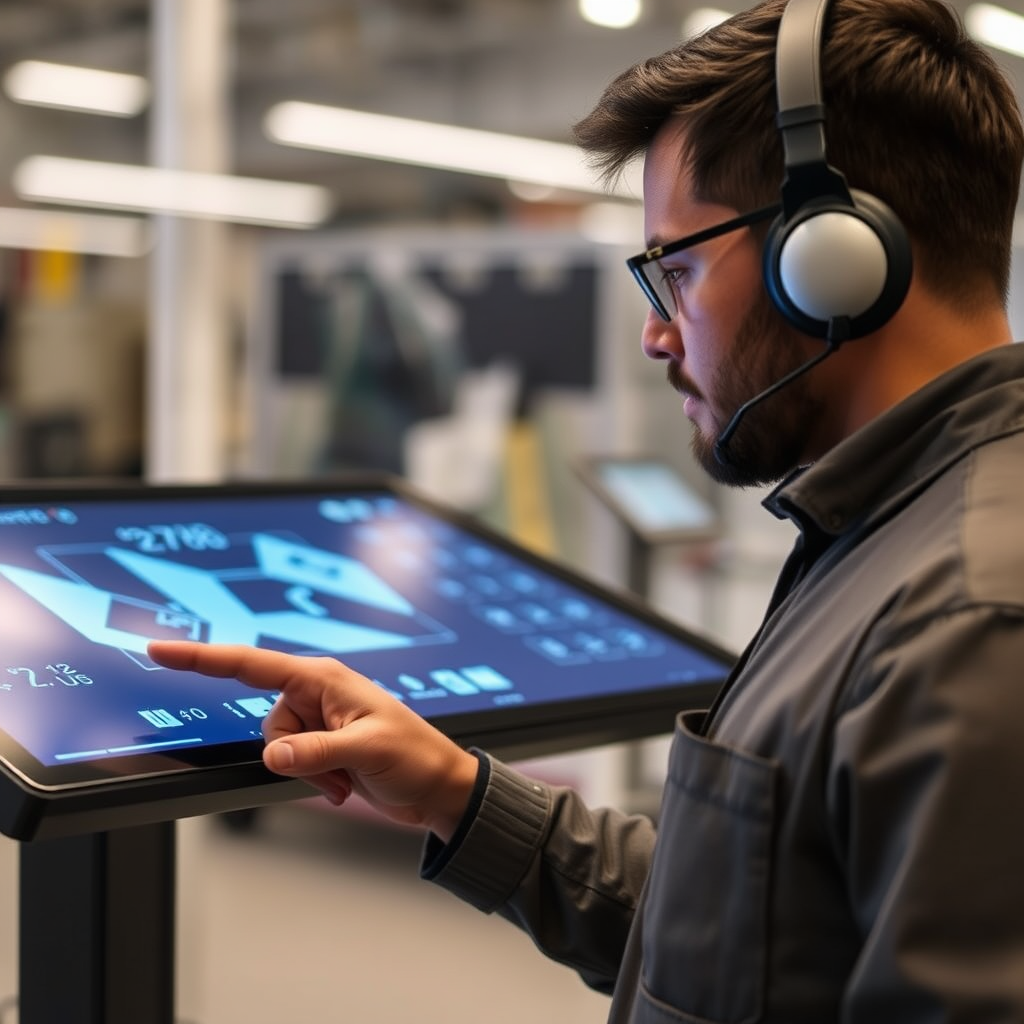
Frictionless touch displays have already begun to make significant inroads in various industries. In the realm of consumer electronics, smartphones and tablets are adopting these technologies to provide a more immersive user experience. Devices like the latest flagship smartphones are incorporating touchless controls that allow users to navigate through apps without physically touching the screen—a feature that is particularly useful while cooking or driving.
In healthcare, the potential for touchless medical devices is immense. Hospitals are implementing frictionless displays in operating rooms and patient care areas to minimize the risk of contamination. For example, doctors can now interact with patient records or imaging systems using gestures, which not only speeds up workflows but also maintains a sterile environment. This application could be a game-changer in managing infections and improving patient care.
User Experience Enhancements
One of the most exciting aspects of frictionless touch displays is the enhancement of user experience through gesture recognition. This technology allows users to navigate interfaces without the need for physical contact, effectively reducing physical limitations. Imagine swiping through your photo gallery or scrolling through a webpage with just a wave of your hand—this is the future we are heading towards.
Additionally, frictionless displays have the potential to significantly increase accessibility for users with disabilities. For instance, individuals with mobility impairments can benefit from gesture-based controls that eliminate the need for traditional input devices like keyboards and mice. By creating interfaces that respond to voice commands and hand movements, technology becomes more inclusive, allowing everyone to engage with digital content seamlessly.
Challenges and Limitations
Despite the numerous advantages, there are challenges and limitations that must be addressed for frictionless touch displays to reach their full potential. One major concern is durability. While advanced materials promise enhanced sensitivity, they must also withstand the rigors of daily use, including scratches, spills, and impacts. Manufacturers are working on solutions, such as protective coatings that maintain the integrity of the display while ensuring optimal performance.
Another challenge is user adaptation. As with any new technology, there is often a learning curve. Some users may find it difficult to transition from traditional touch interfaces to gesture-based controls. To mitigate this, developers must focus on creating intuitive designs that facilitate easy learning and adaptation. Providing clear tutorials and user guides can also help bridge this gap.
Future Trends to Watch
Looking ahead, several trends are likely to shape the next generation of touch display technologies. One key prediction is the rise of hybrid systems that combine touch and voice interfaces. As voice recognition technology improves, we may see frictionless touch displays that allow users to interact through a combination of gestures and voice commands, creating a truly seamless experience.
Another trend to watch is the integration of augmented reality (AR) with frictionless displays. Imagine using your hands to manipulate virtual objects displayed on a screen without ever touching it. This fusion could revolutionize gaming, education, and even remote work environments, allowing for immersive experiences that engage users in new ways.
Impact on Design and Development
The advent of frictionless touch displays will undoubtedly influence product design strategies. Designers will need to rethink how they create interfaces, focusing on gesture-based interactions and visual feedback that accommodates new user behaviors. This shift will encourage more innovative and creative approaches to interface design, resulting in products that are not only functional but also visually appealing.
In terms of software development, there will be a growing need for applications that support these new interaction methods. Developers will need to prioritize user experience by incorporating features that leverage gesture recognition and AI capabilities. This may involve rethinking existing applications to ensure they are optimized for frictionless interaction, leading to more engaging and efficient user experiences.
The landscape of frictionless touch displays is set to transform how we interact with technology, offering exciting possibilities and challenges. As innovations continue to emerge, staying informed will help you adapt and leverage these advancements in your personal and professional life. Embracing this evolution will not only enhance the way we connect with devices but also provide a more inclusive experience for all users. The future is indeed bright for frictionless touch displays, and it’s an exciting time to be part of this technological revolution.
Frequently Asked Questions
What are frictionless touch displays and how do they work?
Frictionless touch displays are advanced screen technologies designed to enhance user interaction by minimizing resistance between the user’s finger and the display surface. These displays utilize a combination of capacitive sensing and advanced materials to create a smooth, responsive touch experience. By reducing friction, they allow for easier navigation and improved gesture recognition, making them ideal for applications in smartphones, tablets, and interactive kiosks.
How will frictionless touch displays impact user experience in the future?
The future of frictionless touch displays promises to significantly enhance user experience by providing more intuitive and seamless interactions. With reduced friction, users can expect faster response times and smoother scrolling, which can lead to less fatigue during prolonged use. Additionally, the potential for multi-touch gestures and improved accuracy will create opportunities for innovative applications in various fields, from gaming to education and beyond.
Why are frictionless touch displays considered an important advancement in technology?
Frictionless touch displays are considered crucial because they address common pain points associated with traditional touchscreens, such as lag and difficulty in precision movements. By providing a smoother and more responsive surface, these displays can enhance productivity and user satisfaction in various devices. This advancement not only improves everyday usability but also opens new avenues for interactive technology, such as augmented and virtual reality applications.
Which industries are likely to benefit most from frictionless touch display technology?
Several industries stand to gain significantly from frictionless touch display technology, including retail, healthcare, education, and automotive. In retail, these displays can enhance customer interaction with products through engaging touch interfaces. In healthcare, frictionless touchscreens can facilitate quick access to patient information while maintaining hygiene standards. Similarly, in education, they can encourage interactive learning experiences. The automotive industry can also leverage this technology for more intuitive control systems in vehicles.
What are the best applications for frictionless touch displays in consumer electronics?
The best applications for frictionless touch displays in consumer electronics include smartphones, tablets, smart home devices, and wearables. These devices benefit from the enhanced responsiveness and user-friendly interfaces that frictionless technology provides. Additionally, gaming devices can utilize this technology to create more immersive experiences, while smart TVs and home assistants can offer smoother navigation and interaction, ultimately improving user engagement and satisfaction.
References
- Touchscreen
- https://www.sciencedirect.com/science/article/pii/S2351978917300803
- https://www.nature.com/articles/s41598-018-35352-8
- https://www.bbc.com/future/article/20210113-the-future-of-touch-screens
- https://www.researchgate.net/publication/324198559_Frictionless_Touch_Displays_A_Review
- https://www.technologyreview.com/2020/09/30/1008510/the-future-of-touchscreens/
- https://www.nist.gov/news-events/news/2021/05/future-touch-displays-and-virtual-reality
- https://www.wired.com/story/future-of-touchscreens/