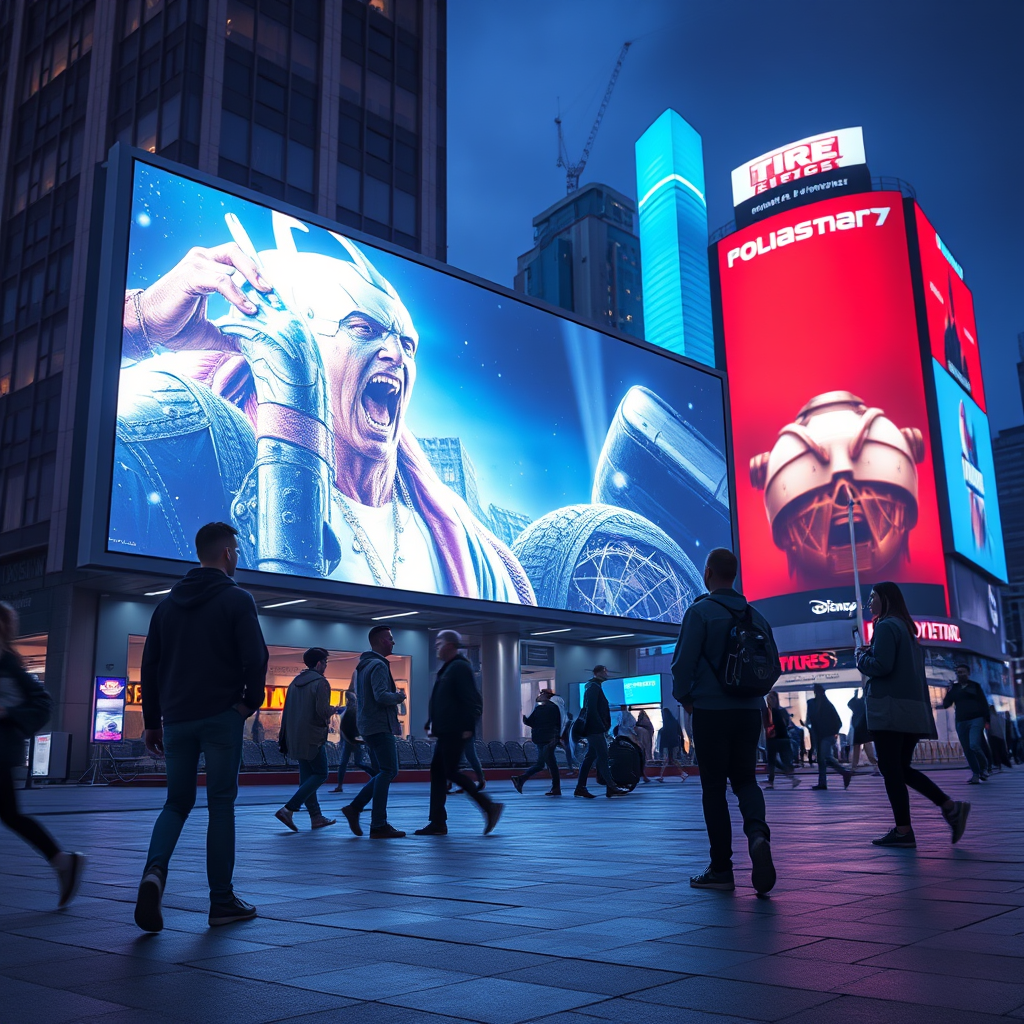

The future of holographic display billboards is bright and promising, offering an immersive advertising experience that captivates consumers like never before. As we embrace advancements in technology, these dynamic displays are set to revolutionize brand engagement, making advertisements more interactive and visually stunning. In this article, we will delve into the evolution of holographic displays, current trends, benefits, challenges, case studies, the role of AI, and what lies ahead for this innovative advertising medium.
The Evolution of Holographic Displays
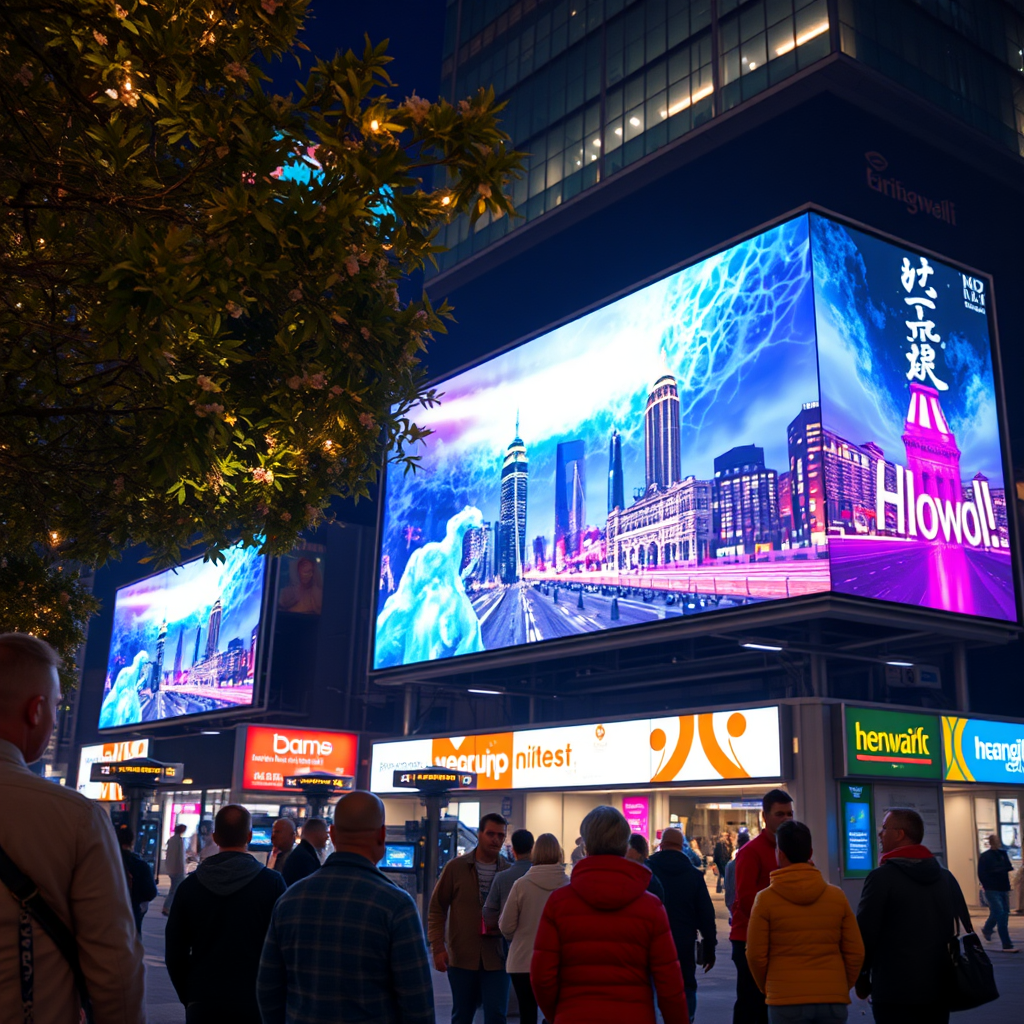
Holographic display technology has come a long way since its inception in the mid-20th century. Initially developed for scientific and artistic purposes, the technology has gradually transitioned into commercial applications. The first notable milestone was in 1968 when Ivan Sutherland created the first head-mounted display, which laid the groundwork for future developments. Fast forward to the 1990s, holography began to gain traction in consumer electronics, with the introduction of holographic storage and displays in various formats.
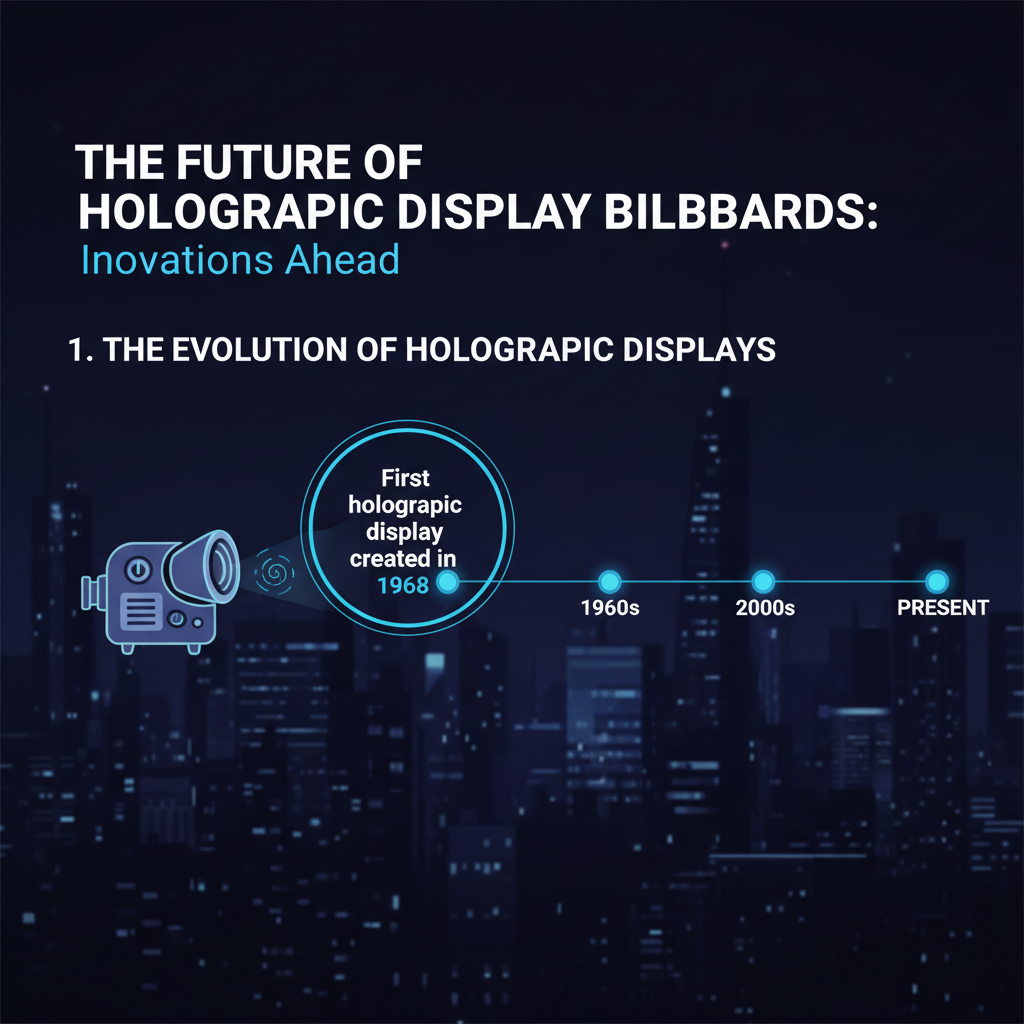
The 21st century saw rapid advancements, particularly with the rise of digital holography. Companies like Holoxica and Looking Glass Factory have pioneered the development of holographic displays that allow for 3D representations without the need for special glasses. These displays have opened up new avenues for advertising, enabling brands to create eye-catching and lifelike visuals that resonate with audiences.
Current Trends in Holographic Billboards
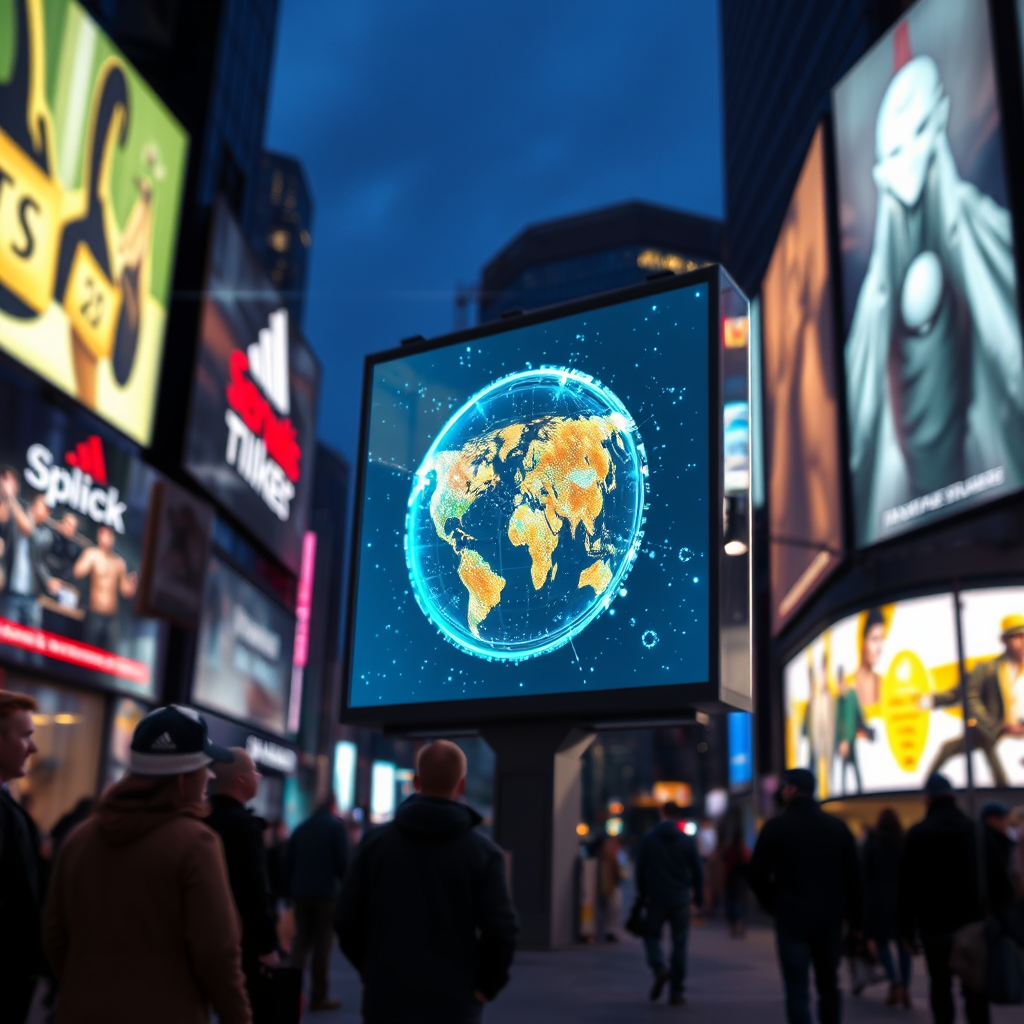
Holographic billboards are increasingly making their presence felt in urban advertising spaces. Cities like New York and Tokyo are seeing a surge in these vibrant displays, strategically placed in high-traffic areas to maximize visibility. One major trend is the integration of augmented reality (AR) with holographic displays, enhancing viewer interaction. For example, consumers can use their smartphones to engage with the holographic content, leading to a more immersive experience that encourages participation.
Moreover, these billboards are not just static; they can be programmed to change in real-time, reflecting weather conditions, events, or even consumer moods. This adaptability makes holographic billboards a versatile tool for advertisers aiming to capture fleeting consumer attention.
Benefits of Holographic Display Billboards
One of the primary benefits of holographic display billboards is their ability to captivate attention through stunning 3D visuals. Unlike traditional flat advertisements, holographic displays create a sense of depth and realism that draws viewers in. Research shows that 3D visuals can lead to higher retention rates, meaning consumers are more likely to remember a brand that employs such innovative techniques.
Additionally, engagement rates soar when using holographic displays. Statistics indicate that interactive advertisements can yield conversion rates up to 50% higher than traditional methods. This is especially crucial in today’s fast-paced world, where brands are constantly vying for consumer attention amidst a sea of information.
Challenges Facing Holographic Advertising
Despite their many advantages, holographic advertising is not without its challenges. One of the most significant barriers is the high production and installation costs associated with holographic displays. Creating high-quality content and maintaining the technology can be a significant investment, which may deter smaller businesses from jumping on the bandwagon.
Moreover, there are technical limitations and maintenance concerns. Ensuring the displays operate smoothly and consistently can be tricky, as they often require specialized knowledge and equipment. Additionally, weather conditions can impact visibility, leading to potential issues for outdoor billboards.
Case Studies: Successful Implementations
Several businesses have successfully harnessed the power of holographic billboards to elevate their marketing efforts. A notable example is the “Holo-Box” campaign by a major beverage company, which utilized a holographic display to showcase their new product. The campaign was launched in a bustling urban area and attracted significant attention, leading to a 35% increase in sales during the promotional period.
Another example includes a luxury car manufacturer that employed holographic displays at auto shows to demonstrate the features of their latest models. By allowing potential customers to interact with a lifelike 3D representation of the vehicle, they significantly enhanced audience engagement and interest, resulting in numerous pre-orders.
Analysis of these case studies demonstrates the effectiveness of holographic billboards in capturing audience reactions and driving campaign outcomes. The positive feedback from consumers highlights the potential for brands to create memorable experiences that resonate long after the initial viewing.
The Role of AI in Holographic Advertising
Artificial intelligence (AI) plays a crucial role in enhancing the effectiveness of holographic advertising. By leveraging data analytics, brands can personalize their advertisements to cater to consumer preferences. AI can analyze user behavior and demographics, tailoring holographic content to resonate with specific audiences.
Furthermore, predictive analytics powered by AI can help brands anticipate consumer behavior, allowing them to adjust their advertising strategies accordingly. For instance, a retailer could use AI to analyze shopping patterns and create holographic advertisements that highlight seasonal promotions or popular products, ensuring they reach consumers at the right moment.
Looking Ahead: What’s Next for Holographic Displays?
The future of holographic displays is teeming with potential. Predictions suggest that advancements in technology will lead to even more realistic and accessible holographic experiences. Innovations such as holographic projection in public spaces could become commonplace, allowing brands to interact with consumers in entirely new dimensions.
As these technologies evolve, we expect to see a shift in advertising strategies. Brands will likely embrace holographic displays not only as a medium for promotion but also as a means to foster community engagement and connection. This shift could pave the way for more personalized and interactive experiences, fundamentally transforming consumer trends.
Summarizing the potential transformation of advertising, holographic display billboards are set to create a new frontier in consumer engagement. As brands navigate these innovations, it’s essential for them to stay informed and consider exploring this cutting-edge medium for their marketing strategies. Embracing holographic displays can not only capture attention but also forge deeper connections with audiences, ultimately leading to business success.
Frequently Asked Questions
What are holographic display billboards and how do they work?
Holographic display billboards are advanced advertising technologies that use holography to create three-dimensional images visible to the naked eye. These displays work by projecting light in a way that simulates depth, allowing viewers to see images that appear to float in space. This innovative approach enhances engagement and captures attention more effectively than traditional flat billboards, making them a compelling choice for advertisers.
How can businesses benefit from using holographic display billboards?
Businesses can significantly benefit from holographic display billboards by enhancing brand visibility and engagement. These eye-catching displays can attract a larger audience, increase foot traffic, and improve conversion rates by presenting products in a dynamic and interactive format. Additionally, the novelty of holographic displays can differentiate a brand from competitors, making it a valuable marketing tool in a crowded marketplace.
Why are holographic display billboards considered the future of advertising?
Holographic display billboards are seen as the future of advertising due to their ability to create immersive experiences that resonate with consumers. As technology advances, these displays are becoming more affordable and versatile, allowing for real-time content updates and interactive features. The trend towards personalized marketing and engaging content makes holographic displays an attractive option for brands looking to innovate and connect with their audience.
What are the best locations for installing holographic display billboards?
The best locations for installing holographic display billboards include high-traffic areas such as shopping malls, busy streets, airports, and public transport stations. These environments maximize visibility and ensure that the captivating nature of holographic advertising reaches a diverse audience. Additionally, placing these displays near relevant businesses or events can further enhance their effectiveness by targeting specific demographics.
Which companies are leading the way in holographic display technology?
Several companies are at the forefront of holographic display technology, including Holoxica, VNTANA, and Looking Glass Factory. These innovators are developing cutting-edge solutions that improve the quality, affordability, and versatility of holographic displays. As competition grows and technology evolves, these companies are poised to shape the future of advertising and enhance the effectiveness of holographic display billboards in various markets.
References
- Holography
- https://www.sciencedirect.com/science/article/pii/S1350630719300694
- https://www.bbc.com/future/article/20200716-the-technology-behind-holograms
- https://www.nytimes.com/2021/10/25/technology/holograms-future.html
- https://www.reuters.com/technology/holograms-are-future-advertising-2021-06-10/
- https://www.wired.com/story/holographic-displays-future-advertising/
- https://www.techemergence.com/hologram-technology/