
Smart glass displays are poised to transform urban environments by revolutionizing communication, enhancing efficiency, and reshaping public spaces. These innovative technologies will not only improve how we interact with our cities but also offer new possibilities for engagement and functionality. As we delve into the future of smart glass displays, we’ll explore their current applications, potential benefits, and the challenges they might face as they become an integral part of our urban infrastructure.
The Rise of Smart Glass Technology
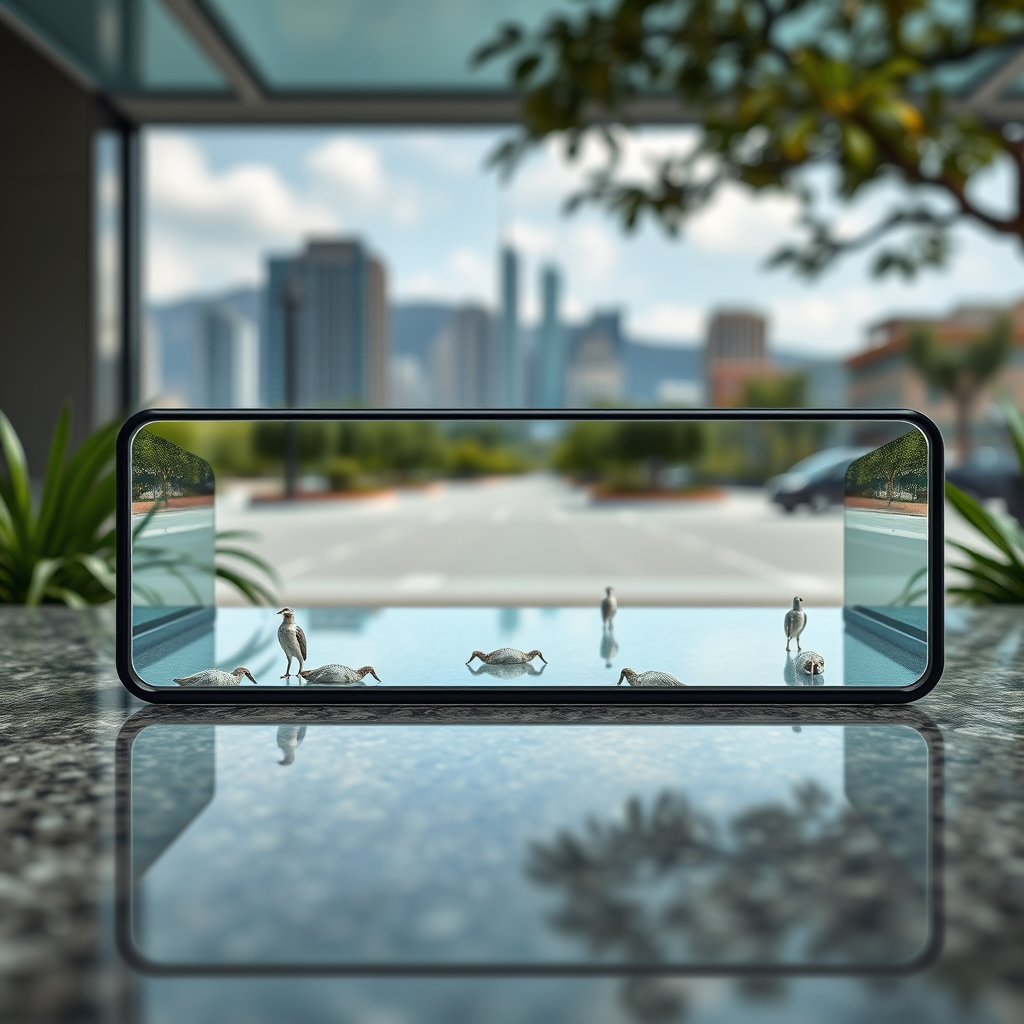
Smart glass technology refers to materials that can change their optical properties in response to external stimuli, such as light, heat, or electricity. Currently, applications of smart glass are diverse, spanning from residential windows that tint on demand to commercial displays that provide dynamic information in real-time. This technology is driven by several key innovations, including liquid crystal displays (LCDs), electrochromic materials, and nanotechnology. These advancements allow for smart glass to not only regulate light and heat but also to display interactive content, paving the way for a more integrated urban experience.
As urban planners and architects increasingly recognize the potential of smart glass displays, we see a surge in projects incorporating these technologies. For instance, cities like London and Tokyo are experimenting with smart glass in public buildings, using them for everything from energy conservation to innovative advertising. The convenience of on-demand information and the ability to seamlessly integrate digital content into the physical environment will redefine urban landscapes in the years to come.
Impact on Urban Infrastructure

Smart glass technology offers tremendous potential for improving urban planning and architecture. By incorporating these displays into building facades and public structures, cities can create responsive environments that adapt to real-time conditions. Imagine a city where buildings not only provide shelter but also communicate information about weather, traffic, or events happening nearby. This level of interaction can significantly enhance urban efficiency, allowing for better resource management and improved public services.
Moreover, the integration of smart glass with existing infrastructure is crucial for maximizing its functionality. For example, smart glass can be used to upgrade bus stops and transit stations, providing real-time updates on arrival times and service changes. By retrofitting existing structures with smart glass technology, cities can enhance user experience without the need for extensive renovations. This approach not only saves costs but also promotes sustainability by extending the life cycle of urban infrastructure.
Enhancing Public Spaces
Public spaces such as parks, squares, and transit hubs stand to gain immensely from the use of smart glass displays. Imagine walking through a park where interactive screens provide information on local flora and fauna, upcoming events, or historical context about the area. These displays can create a more engaging experience for visitors, fostering a deeper connection with their surroundings while promoting community involvement.
Transit stations can also benefit from smart glass technology. By incorporating displays that provide live updates and interactive maps, commuters can navigate urban environments with ease. This not only enhances the user experience but also encourages the use of public transportation, helping to reduce traffic congestion and promote environmental sustainability.
Furthermore, the incorporation of smart glass in public spaces allows for artistic expression. Artists can collaborate with urban planners to create immersive installations that change throughout the day, providing a unique experience for city dwellers and visitors alike. Such initiatives can cultivate a sense of community and identity within urban settings.
Smart Glass in Advertising and Marketing
The integration of smart glass displays into urban environments opens up new opportunities for dynamic advertising. Businesses can leverage these technologies to create eye-catching, context-sensitive advertisements that respond to the environment or consumer behavior. For instance, a coffee shop could advertise a special offer when foot traffic increases during morning rush hours, optimizing marketing strategies based on real-time data.
However, while dynamic advertising can enhance commercial interests, it’s essential to balance these with the aesthetics of public spaces. Urban planners must consider how advertising impacts the visual landscape and the overall experience of residents and visitors. Thoughtful integration of smart glass displays can create a harmonious blend of commercial and public interests, ensuring that advertising serves to enhance rather than detract from the urban environment.
Challenges and Considerations
Despite the exciting potential of smart glass technology, several challenges and considerations must be addressed. One significant concern is privacy. As smart glass displays often rely on data collection to provide personalized experiences, there is an inherent risk of surveillance and misuse of personal information. It’s vital for cities to implement strict data protection policies to safeguard residents’ privacy while promoting innovation.
Additionally, the need for regulations and standards in urban environments cannot be overstated. As smart glass technology evolves, municipalities must establish guidelines to govern their use, ensuring safety, accessibility, and equitable access for all citizens. Collaboration between technology developers, urban planners, and local governments will be crucial in creating a sustainable framework for integrating smart glass displays into city life.
Future Trends and Developments
Looking ahead, we can anticipate several trends and developments in the realm of smart glass technology within urban contexts. One notable prediction is the continued evolution of augmented reality (AR) integration with smart glass displays. This fusion could lead to immersive experiences that enhance navigation and information sharing, making cities more intuitive and user-friendly.
Moreover, the role of sustainable practices in the future of smart glass technology is becoming increasingly important. As cities prioritize sustainability, smart glass can contribute to energy conservation through its ability to regulate temperature and lighting. Future developments may focus on harnessing renewable energy sources to power smart glass systems, further minimizing urban environments’ carbon footprints.
The ongoing advancements in smart glass technology and its applications in urban settings will require continuous innovation and adaptability. Cities that embrace these trends will not only enhance the quality of life for their residents but also set a precedent for others to follow.
As urban environments continue to evolve, smart glass displays will play a crucial role in enhancing our cities. By understanding the potential applications and challenges, stakeholders can better prepare for the integration of this transformative technology. Engaging with these innovations will not only improve urban living but also invite residents to envision a future where their cities are more connected, efficient, and vibrant. Stay informed and consider how you can be part of this exciting future!
Frequently Asked Questions
What are smart glass displays and how do they work in urban environments?
Smart glass displays are innovative technologies that utilize electrochromic or liquid crystal materials to control the amount of light and heat that passes through them. In urban environments, these displays can adjust their opacity based on sunlight, enhancing energy efficiency in buildings and providing better visibility for advertising and information sharing. By integrating sensors and smart technology, they can respond to environmental changes, making them ideal for dynamic urban settings.
How can smart glass displays improve urban sustainability?
Smart glass displays contribute to urban sustainability by optimizing energy consumption in buildings, reducing reliance on artificial lighting and air conditioning. By automatically adjusting to sunlight and temperature, they help maintain comfortable indoor climates, which can lead to significant energy savings. Additionally, their potential use in public transportation and street furniture can promote green technology and reduce the carbon footprint of urban infrastructure.
Why are smart glass displays becoming popular in city planning and development?
The popularity of smart glass displays in city planning stems from their versatility and ability to enhance urban aesthetics while providing practical benefits. They can be used for advertising, wayfinding, and enhancing public spaces with interactive displays. As cities strive to become smarter and more connected, incorporating these displays aligns with the goals of improving urban livability, boosting economic activity, and engaging citizens through technology.
What are the best applications for smart glass displays in urban environments?
The best applications for smart glass displays in urban environments include public transportation hubs, smart buildings, and outdoor advertising. In transportation hubs, they can provide real-time information to commuters, while in smart buildings, they can enhance energy efficiency and occupant comfort. Additionally, they can replace traditional billboards with interactive and dynamic displays that engage passersby, leading to a more vibrant urban experience.
Which challenges do smart glass displays face in urban implementation?
Smart glass displays face several challenges in urban implementation, including high initial costs, technological limitations, and regulatory hurdles. The installation of these advanced displays can be expensive, which may deter some developers and city planners. Additionally, ensuring compatibility with existing infrastructure and navigating zoning regulations can complicate the deployment process. Addressing these challenges is crucial for the widespread adoption of smart glass technology in urban environments.
References
- Smart glass
- https://www.sciencedirect.com/science/article/pii/S0360132319302953
- https://www.nytimes.com/2021/10/05/technology/smart-glass-technology.html
- https://www.bbc.com/future/article/20201102-the-smart-glasses-that-could-reshape-our-cities
- https://www.nist.gov/news-events/news/2020/01/how-smart-glass-could-change-architecture
- https://www.itu.int/en/ITU-T/focusgroups/fg-smartglasses/Pages/default.aspx
- https://www.nature.com/articles/s41598-021-02731-4
- https://www.researchgate.net/publication/343200159_Smart_Glass_Technology_in_Cities
- https://www.theguardian.com/technology/2022/nov/15/smart-glasses-future-urban-living