

The integration of AI in auto-adjusting frames per second (FPS) for gaming displays significantly enhances the gaming experience by ensuring smoother visuals and reduced latency. By intelligently analyzing gameplay and adjusting frame rates in real-time, AI technology provides gamers with a seamless experience that minimizes lag and maximizes performance. This article explores the mechanisms behind this innovative technology, its benefits, and its implications for both gamers and developers.
Understanding Auto-Adjusting FPS Technology
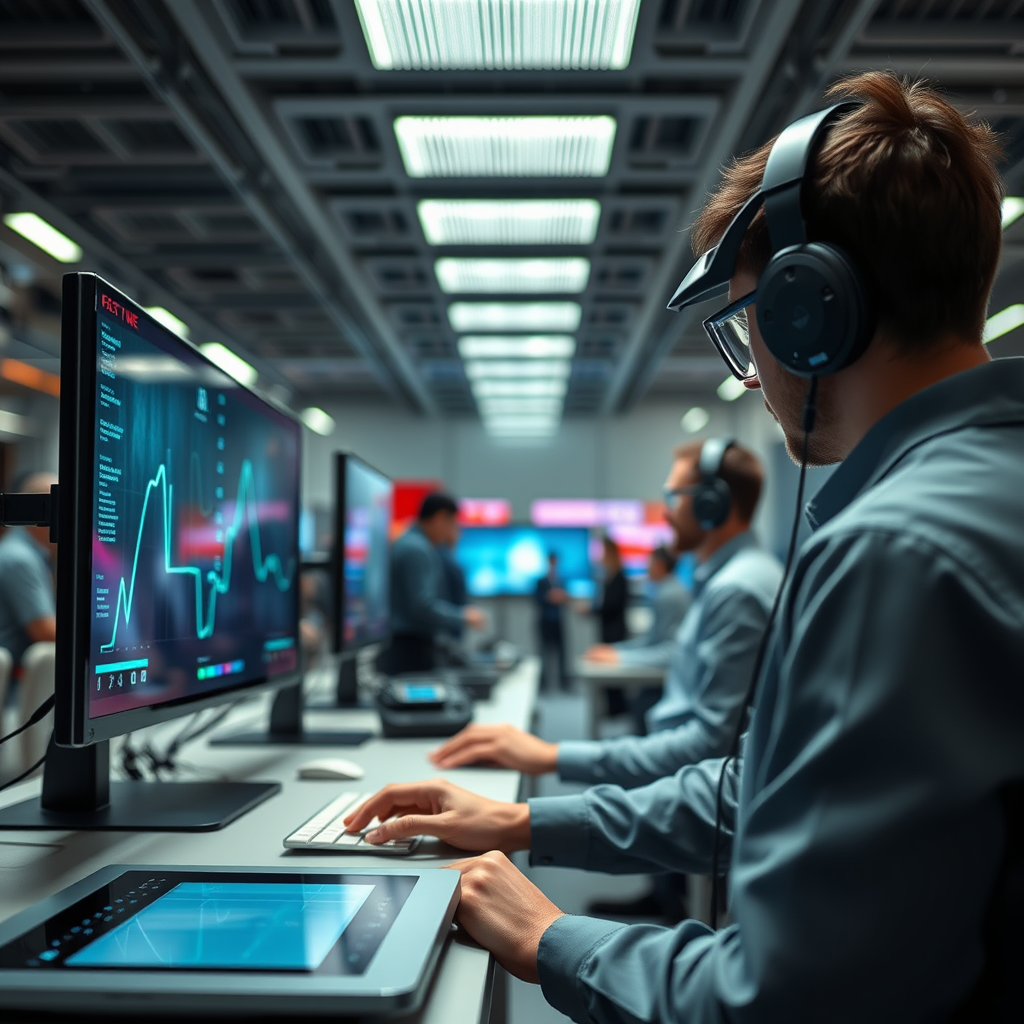
Auto-adjusting FPS refers to the ability of gaming displays to dynamically alter the number of frames rendered per second based on the current demands of a game. This technology is especially relevant in gaming, where consistency and responsiveness are crucial for an enjoyable experience. When a game is running smoothly at high FPS, it translates to fluid motion and quick responses, while lower FPS can result in choppy visuals and a frustrating experience.
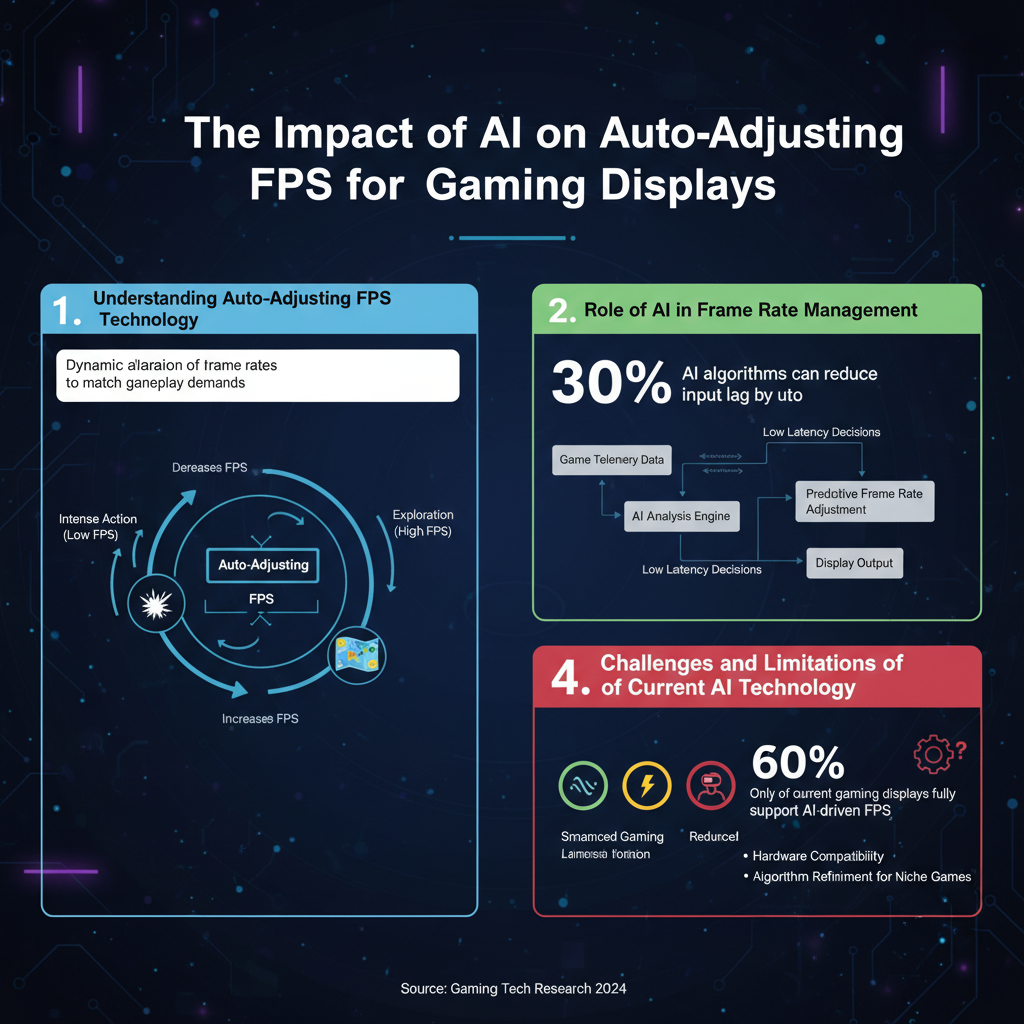
AI algorithms play a vital role in this process by analyzing various factors within the gaming environment. For instance, they can assess the complexity of the scene being rendered, the performance capabilities of the hardware, and the player’s actions. By taking all these variables into account, AI can optimize performance by adjusting the FPS to ensure that the game runs as smoothly as possible, adapting in real-time to changes in gameplay.
Role of AI in Frame Rate Management
Artificial intelligence employs several techniques to manage frame rates dynamically. One notable method is machine learning, where algorithms are trained to recognize patterns in gameplay and predict the necessary adjustments for optimal performance. This allows the system to preemptively increase or decrease the FPS based on anticipated hardware demands, resulting in smoother transitions.
Popular games such as “Call of Duty: Warzone” and “Cyberpunk 2077” have begun to implement AI-driven FPS adjustments. For example, “Call of Duty” uses a technique called dynamic resolution scaling, which adjusts the resolution and frame rates based on the complexity of the action on-screen. AI ensures that even during intense firefights, players experience minimal lag, enhancing their overall gameplay.
Benefits of AI-Driven FPS Adjustment
One of the most significant benefits of AI-driven FPS adjustment is the enhanced gaming performance and visual fidelity it offers. Gamers can enjoy a smoother visual experience, reducing the chances of stuttering and frame drops that can disrupt gameplay. This is particularly beneficial in fast-paced games where every millisecond counts.
Moreover, AI technology effectively reduces screen tearing and input lag. Screen tearing occurs when the display’s refresh rate and frame rate are out of sync, resulting in a disjointed visual experience. By maintaining an optimal frame rate, AI minimizes this issue, allowing for a more immersive experience. Gamers can feel more in control, leading to better performance in competitive settings.
Challenges and Limitations of Current AI Technology
Despite the remarkable advancements, current AI technology is not without its challenges. One potential issue is the miscalculation of frame rates under certain conditions. For instance, if the AI misjudges the complexity of a scene, it could either overestimate or underestimate the required FPS, leading to performance hiccups. This can be particularly problematic in unpredictable gameplay scenarios.
Additionally, hardware limitations can affect performance. Not all gaming displays or graphics cards are equipped to fully leverage AI-driven FPS adjustments. Gamers using older hardware may not experience the same benefits as those using the latest technology. Manufacturers are continually working to bridge this gap, but it remains a challenge for many players.
Future Trends in AI and Gaming Displays
Looking ahead, we can expect exciting advancements in AI technologies for FPS adjustments. One prediction is the increased use of deep learning algorithms that can adapt more intelligently to player behavior and game environments. This could mean even more precise predictions for when and how to adjust FPS, resulting in an even smoother gaming experience.
Emerging technologies, such as real-time ray tracing and advanced rendering techniques, will likely complement AI-driven FPS adjustments. As these technologies evolve, gamers will benefit from richer graphics and more immersive environments without sacrificing performance. Innovations in hardware will also play a pivotal role in ensuring that AI can function optimally, enabling a new standard for gaming displays.
Gamer Perspectives on AI FPS Adjustment
The gaming community’s feedback on AI-driven FPS adjustments has been largely positive. Many gamers appreciate the smoother performance and reduced latency that these technologies offer. Players often report feeling a noticeable difference, especially in competitive gaming scenarios where every input counts.
However, some community members express concerns about the reliability of current implementations. Instances of frame rate drops or inconsistencies can lead to frustration, especially in high-stakes matches. Gamers are eager for developers to address these issues and enhance the technology further, ensuring that AI provides the seamless experience it promises.
Conclusion
AI’s impact on auto-adjusting FPS for gaming displays is paving the way for a new era of gaming, marked by improved performance and enhanced user experience. By dynamically analyzing gameplay and making real-time adjustments, AI technology is transforming how we engage with video games. As developers continue to innovate and refine these technologies, gamers can expect even more innovative solutions that elevate their gameplay. Stay informed and consider exploring gaming displays that leverage AI technology for an edge in your gaming experience.
Frequently Asked Questions
What is AI-assisted auto-adjusting FPS in gaming displays?
AI-assisted auto-adjusting FPS (frames per second) refers to the use of artificial intelligence algorithms to dynamically optimize the frame rate of a gaming display based on the game’s current rendering requirements and the hardware’s capabilities. This technology helps ensure smoother gameplay by automatically adjusting the FPS to eliminate stuttering or tearing, providing a more seamless gaming experience and enhancing overall visual fidelity.
How does AI technology improve gaming performance through auto-adjusting FPS?
AI technology improves gaming performance by analyzing real-time data such as graphics intensity, player actions, and hardware performance. By using this data, AI can adjust the FPS dynamically, ensuring that the display runs at the optimal frame rate for the current scene without overwhelming the GPU. This not only enhances the visual experience but also reduces input lag, allowing players to react more swiftly during gameplay.
Why is having an auto-adjusting FPS important for competitive gaming?
Auto-adjusting FPS is crucial for competitive gaming because it allows players to maintain a consistent and smooth frame rate, which is essential for precision and responsiveness. In fast-paced games where every millisecond counts, fluctuating FPS can lead to performance dips that hinder a player’s ability to react quickly and accurately. By implementing AI to manage FPS, gamers can achieve a competitive edge through improved stability and reduced latency.
What are the best gaming displays with AI auto-adjusting FPS features available in 2023?
Some of the best gaming displays with AI auto-adjusting FPS features in 2023 include monitors from brands like ASUS, LG, and Dell that support NVIDIA G-SYNC and AMD FreeSync technologies. These monitors utilize AI algorithms to optimize frame rates, providing gamers with smoother visuals and enhanced performance. Look for models that also feature high refresh rates and low response times to maximize your gaming experience.
Which gaming genres benefit the most from AI-assisted auto-adjusting FPS technology?
AI-assisted auto-adjusting FPS technology is particularly beneficial for fast-paced gaming genres such as first-person shooters (FPS), racing games, and multiplayer online battle arenas (MOBAs). These genres often demand quick reflexes and high frame rates to ensure smooth gameplay, making the dynamic adjustments provided by AI crucial for maintaining performance and enhancing player immersion.
References
- Variable refresh rate
- https://www.nytimes.com/2021/06/22/technology/gaming-technology.html
- https://www.nvidia.com/en-us/geforce/news/what-is-g-sync/
- https://www.itu.int/en/ITU-T/focusgroups/ai/Pages/default.aspx
- https://www.sciencedirect.com/science/article/pii/S1877050921000451
- https://www.techradar.com/news/what-is-fps-and-why-is-it-important-for-gaming
- https://www.bbc.com/future/article/20210810-how-ai-is-changing-the-way-we-play-video-games
- https://www.wired.com/story/what-is-variable-refresh-rate-gaming/