

AI-powered displays are revolutionizing virtual shopping malls by creating personalized and immersive shopping experiences that enhance consumer engagement and drive sales. These innovative technologies harness the power of artificial intelligence to tailor shopping environments to each user’s preferences, making online retail not only more engaging but also more efficient. By analyzing customer data, these displays can suggest products, provide real-time inventory updates, and even create interactive experiences like virtual try-ons. As a result, both consumers and retailers are seeing significant benefits from this technological evolution.
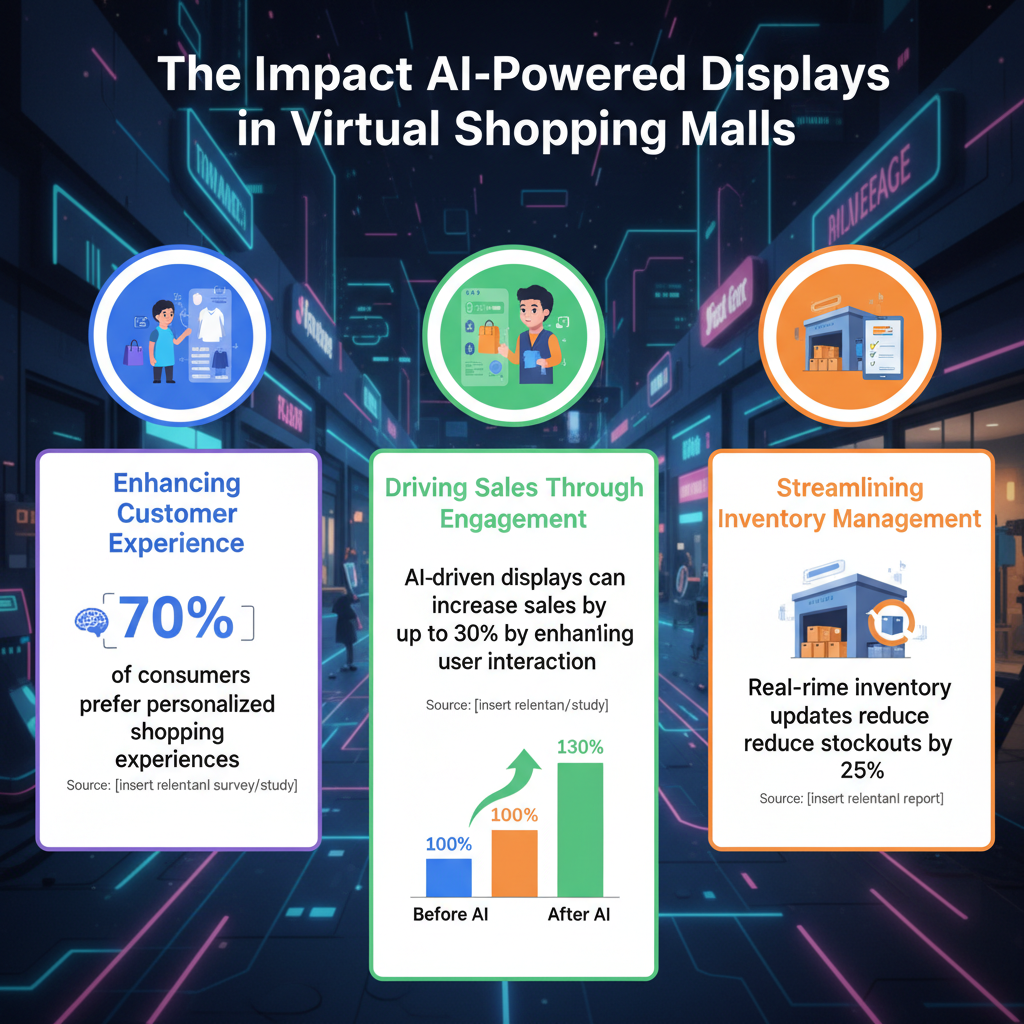
Enhancing Customer Experience
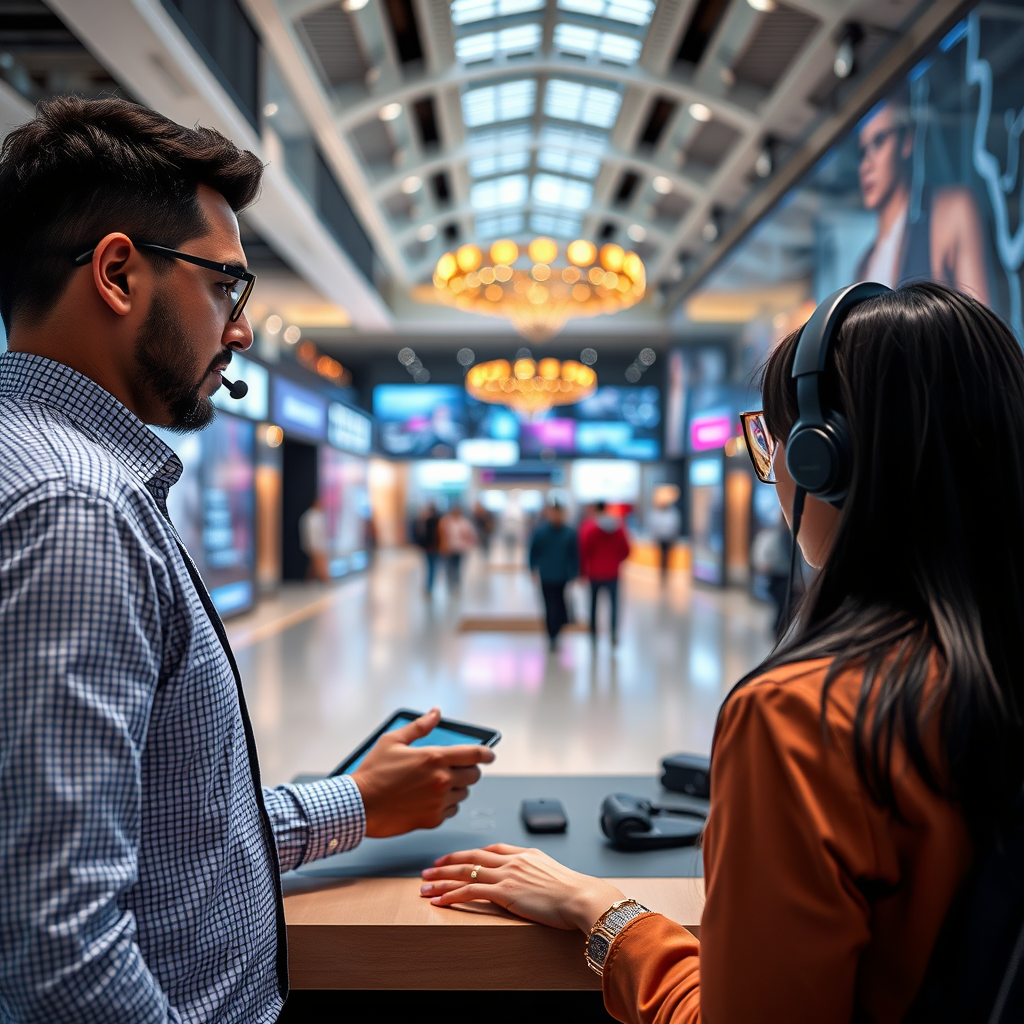
One of the most remarkable advantages of AI-powered displays is their ability to provide personalized product recommendations based on user behavior and preferences. Imagine logging into a virtual shopping mall and being greeted by a digital storefront that already knows your favorite styles, colors, and brands! This level of personalization is made possible through machine learning algorithms that analyze your past purchases, browsing habits, and even social media interactions. For instance, if you frequently purchase athletic wear, the display might highlight the latest collections from your favorite brands, making your shopping experience seamless and enjoyable.
Interactive features, such as virtual try-ons, take this experience a step further by enabling customers to visualize products in real-time. Augmented reality (AR) technologies allow users to “try on” clothing or accessories using their devices’ cameras, reducing uncertainty and enhancing confidence in their purchasing decisions. A great example of this is the virtual fitting rooms implemented by brands like Sephora and Warby Parker, which empower customers to see how makeup or eyewear would look on them before making a purchase. This not only enhances the shopping experience but also helps minimize returns, benefiting both consumers and retailers.
Driving Sales Through Engagement
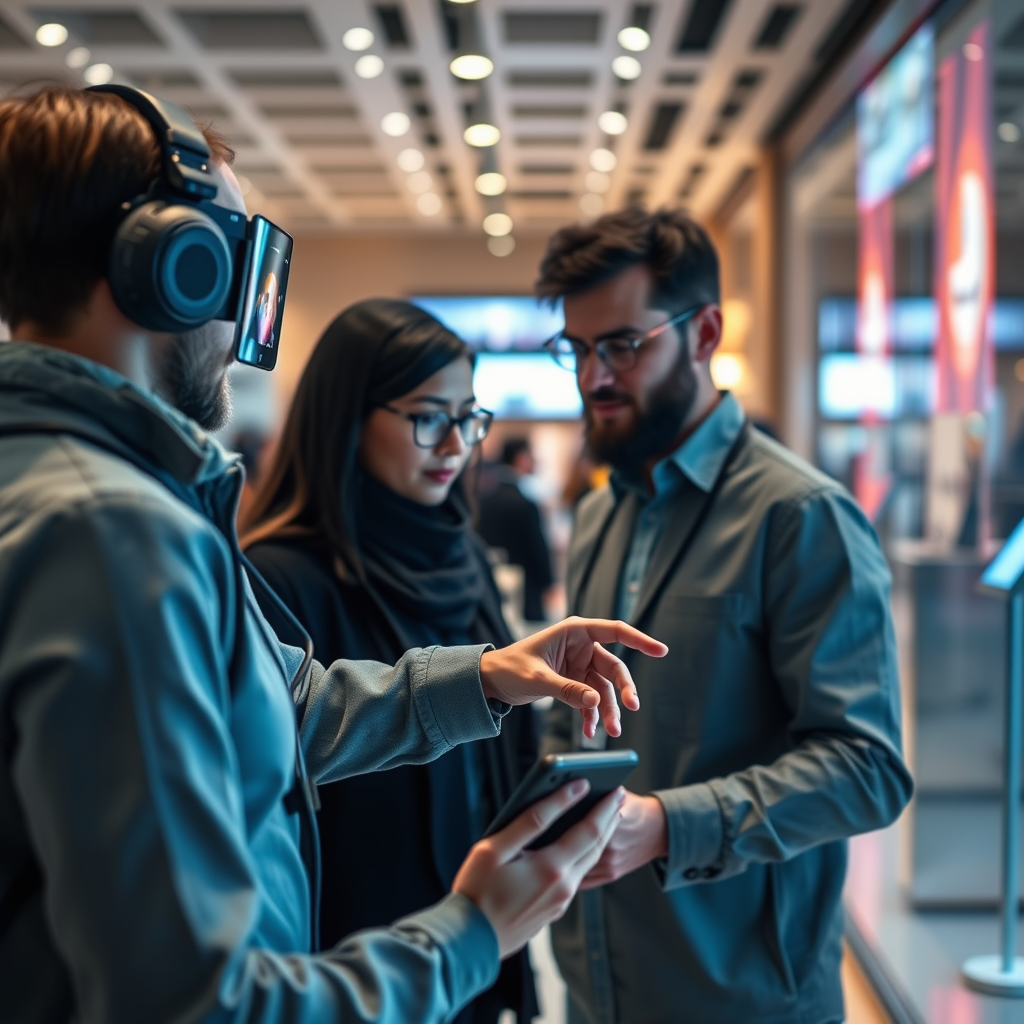
Engaging visual content through AI displays is crucial in capturing consumer attention and increasing dwell time on platforms. Studies have shown that consumers are more likely to make a purchase when they are engaged with high-quality visuals and interactive content. For instance, brands can utilize AI-driven displays to showcase dynamic product videos or 360-degree views of items, enticing customers to explore more.
Moreover, the ability to analyze customer data allows retailers to implement targeted promotions and upselling strategies effectively. For example, if a customer is viewing a specific handbag, the AI display could suggest matching accessories or complementary items based on previous purchases or popular trends. This personalized approach not only increases average order value but also enhances customer satisfaction, as shoppers feel understood and catered to.
Streamlining Inventory Management
AI displays play a vital role in streamlining inventory management by providing real-time inventory updates, ensuring that customers are informed about product availability. Gone are the days of browsing a product only to find it out of stock. With AI technology, retailers can update their inventory in real-time, allowing consumers to make informed purchasing decisions without frustration.
Predictive analytics is another powerful tool that helps retailers manage stock levels based on shopping trends and seasonal demands. For instance, during holiday seasons, AI algorithms can forecast which products are likely to be in high demand based on previous years’ sales data and current shopping behaviors. This proactive approach enables retailers to stock up on popular items, reducing the risk of stockouts and lost sales opportunities while also helping to prevent overstock situations that can lead to markdowns and wasted resources.
Improving Marketing Strategies
The integration of AI algorithms in marketing strategies allows retailers to analyze customer insights to optimize their campaigns, leading to higher conversion rates. By understanding which products resonate most with specific demographics, brands can tailor their messaging and promotional offers accordingly, ensuring that they reach the right audience with the right content at the right time.
Dynamic content is another exciting aspect of AI displays. These systems can adapt to user interactions in real-time, providing a tailored shopping experience that resonates with individual shoppers. For example, if a customer spends time exploring eco-friendly products, the AI display can prioritize similar items in future visits or send targeted email campaigns highlighting those types of products. This level of customization enhances the shopping experience and fosters brand loyalty, as customers feel that their preferences are genuinely valued.
Future Trends in AI Displays
As technology continues to evolve, we can expect advancements in AR and VR technologies to further enrich the virtual shopping experience. Imagine walking through a fully immersive virtual mall where you can interact with products in a 3D space, or even attend virtual fashion shows to witness the latest trends in real-time! Such developments will likely blur the lines between physical and digital shopping, offering consumers unparalleled experiences.
Innovations in machine learning will also lead to even more intuitive and responsive display systems. Future AI displays will likely become smarter, learning from user interactions to constantly improve their recommendations and features. This evolution will enhance the personalization of the shopping experience, making it feel almost as if a personal shopper is guiding each consumer through their shopping journey.
Challenges and Considerations
While the benefits of AI-powered displays are numerous, there are also challenges and considerations that retailers must address. Privacy concerns regarding data collection and tracking can hinder consumer trust. As consumers become more aware of how their data is being used, retailers must be transparent about their data practices and ensure that they comply with regulations such as GDPR.
Balancing personalization with user comfort is another challenge. While tailored experiences can enhance shopping, excessive personalization may overwhelm customers or make them feel watched. For example, if a user is bombarded with too many recommendations or reminders, they may feel pressured rather than supported. Retailers must find a sweet spot that maintains engagement while respecting consumer boundaries.
The integration of AI-powered displays in virtual shopping malls is reshaping how consumers interact with brands and products. As these technologies continue to evolve, they promise to enhance not only the shopping experience but also the overall efficiency of online retail. Embrace the future of shopping by staying informed about the latest trends and innovations in AI technology, and consider how these advancements can benefit your own retail strategies. By understanding the impact of AI-powered displays, retailers can create a more engaging, personalized, and efficient shopping environment that meets the ever-changing needs of consumers.
Frequently Asked Questions
What are AI-powered displays and how do they enhance the virtual shopping mall experience?
AI-powered displays are intelligent digital screens that utilize artificial intelligence to personalize shopping experiences in virtual malls. They analyze user data, preferences, and browsing behaviors to provide tailored product recommendations, engaging advertisements, and interactive features. This enhances the shopping experience by making it more relevant and engaging, ultimately increasing customer satisfaction and sales.
How can retailers benefit from using AI-powered displays in virtual shopping malls?
Retailers can significantly benefit from AI-powered displays by gaining insights into consumer behavior, which helps them optimize inventory and marketing strategies. These displays can boost engagement through personalized content and promotions, leading to higher conversion rates. Additionally, AI tools can analyze real-time data for better decision-making, helping retailers keep pace with market trends and customer preferences.
Why is the integration of AI in virtual shopping malls important for customer engagement?
The integration of AI in virtual shopping malls is crucial for customer engagement as it creates a more interactive and personalized shopping environment. AI can predict customer needs and deliver customized experiences based on individual preferences and past behaviors, making customers feel understood and valued. This personalization fosters loyalty and encourages repeat visits, ultimately enhancing the overall shopping experience.
What are the best practices for implementing AI-powered displays in a virtual shopping mall?
The best practices for implementing AI-powered displays include ensuring seamless integration with existing e-commerce platforms, utilizing high-quality data for accurate predictions, and regularly updating content to keep it fresh and relevant. Additionally, retailers should prioritize user experience by ensuring that the AI interfaces are intuitive and easy to navigate. Continuous testing and optimization based on user feedback are also essential for maximizing effectiveness.
Which industries are most likely to benefit from AI-powered displays in virtual shopping malls?
Industries such as fashion, electronics, and beauty are among the most likely to benefit from AI-powered displays in virtual shopping malls. These sectors thrive on visual presentation and customer interaction, making personalized recommendations crucial for improving sales. Additionally, industries that require detailed product demonstrations or extensive customer education can use AI displays to enhance user understanding and facilitate informed purchasing decisions.
References
- https://www.nytimes.com/2020/11/30/technology/virtual-reality-shopping.html
- https://www.bbc.com/news/technology-53022455
- https://www.sciencedirect.com/science/article/pii/S0360132319303960
- https://www.forbes.com/sites/bernardmarr/2021/01/11/how-ai-is-changing-the-future-of-retail/?sh=5640e3c56b9c
- https://www.researchgate.net/publication/340632235_Artificial_Intelligence_in_Retail
- https://www.wired.com/story/virtual-shopping-malls/
- Internet usage in Indonesia – statistics & facts | Statista
- https://www.itu.int/en/ITU-T/focusgroups/ai/Pages/default.aspx
- https://www.mckinsey.com/industries/retail/our-insights/the-potential-impact-of-ai-in-retail