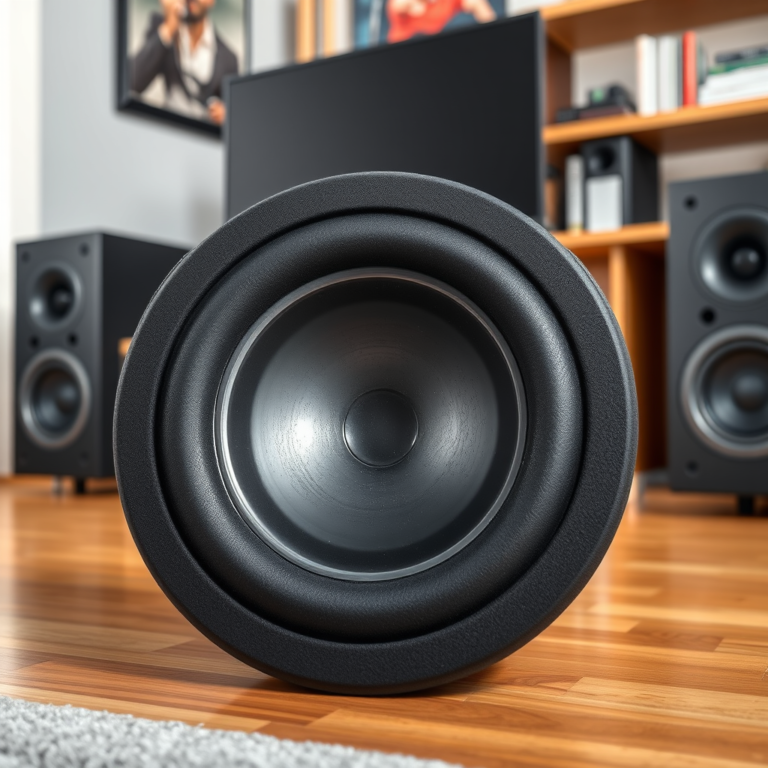

Vinyl records have profoundly influenced the Hi-Fi movement, distinguished by their superior sound quality and tactile listening experience, attributes often absent in digital formats. These records became the preferred medium for audiophiles during the mid-20th century, contributing significantly to the emergence of high-fidelity audio systems. This article explores how vinyl records have shaped music appreciation, transformed listening habits, and continue to thrive in an increasingly digital world.
The Rise of the Hi-Fi Movement
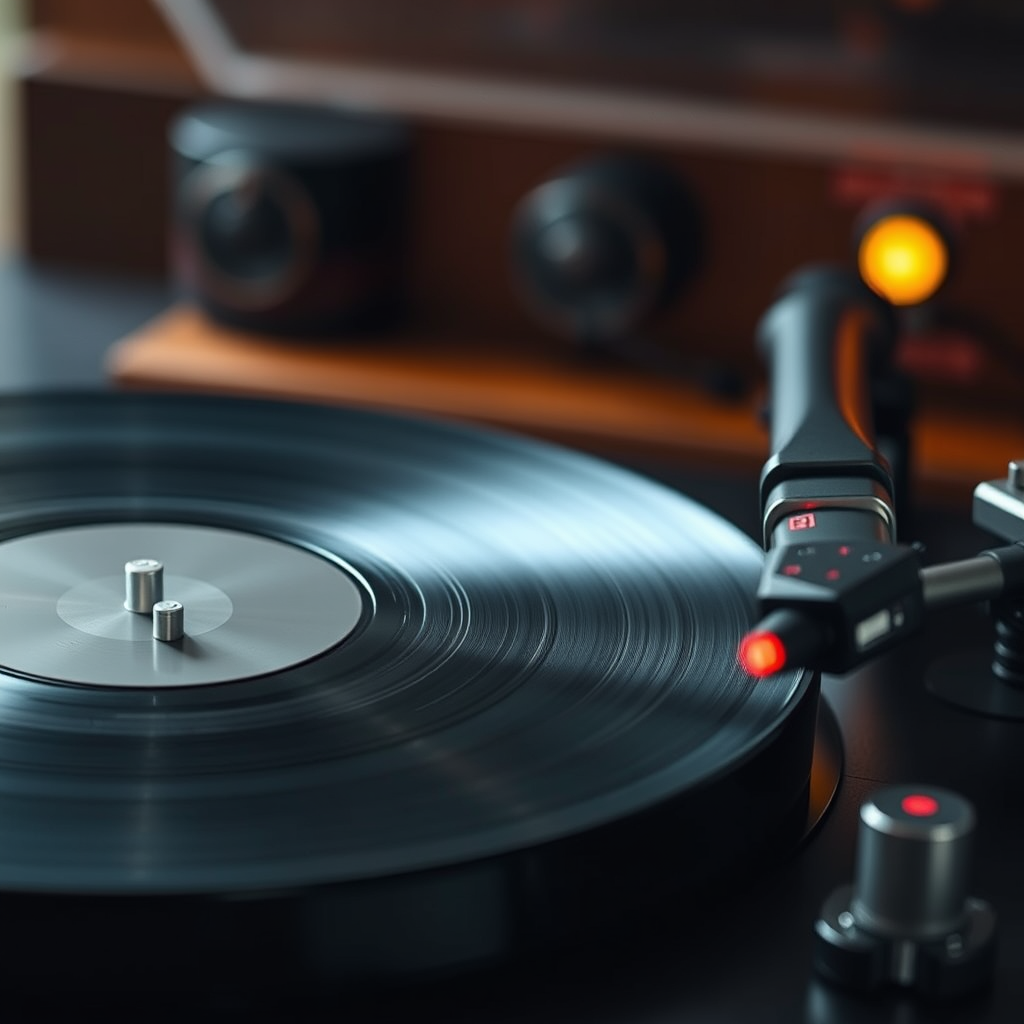
The Hi-Fi (high fidelity) movement took root in the 1950s when audiophiles and music enthusiasts began to seek ways to enhance sound reproduction beyond the capabilities of standard audio equipment. This period marked a turning point as people grew increasingly aware of sound quality, leading to the emergence of specialized audio equipment designed to deliver a more authentic listening experience. Vinyl records, with their capacity for rich, analog sound, quickly became the medium of choice. Unlike earlier formats, vinyl could capture the subtleties and nuances of live performances, making it a critical player in advancing high-fidelity audio experiences.
In this era, the availability of high-quality turntables, speakers, and amplifiers further fueled the Hi-Fi movement. Enthusiasts began to invest in dedicated listening rooms and audio systems, emphasizing the importance of acoustic environments. Vinyl records offered a tangible connection to music, where the physicality of the medium added to the overall experience, making the act of listening not just auditory but also tactile and visual.
Characteristics of Vinyl Sound
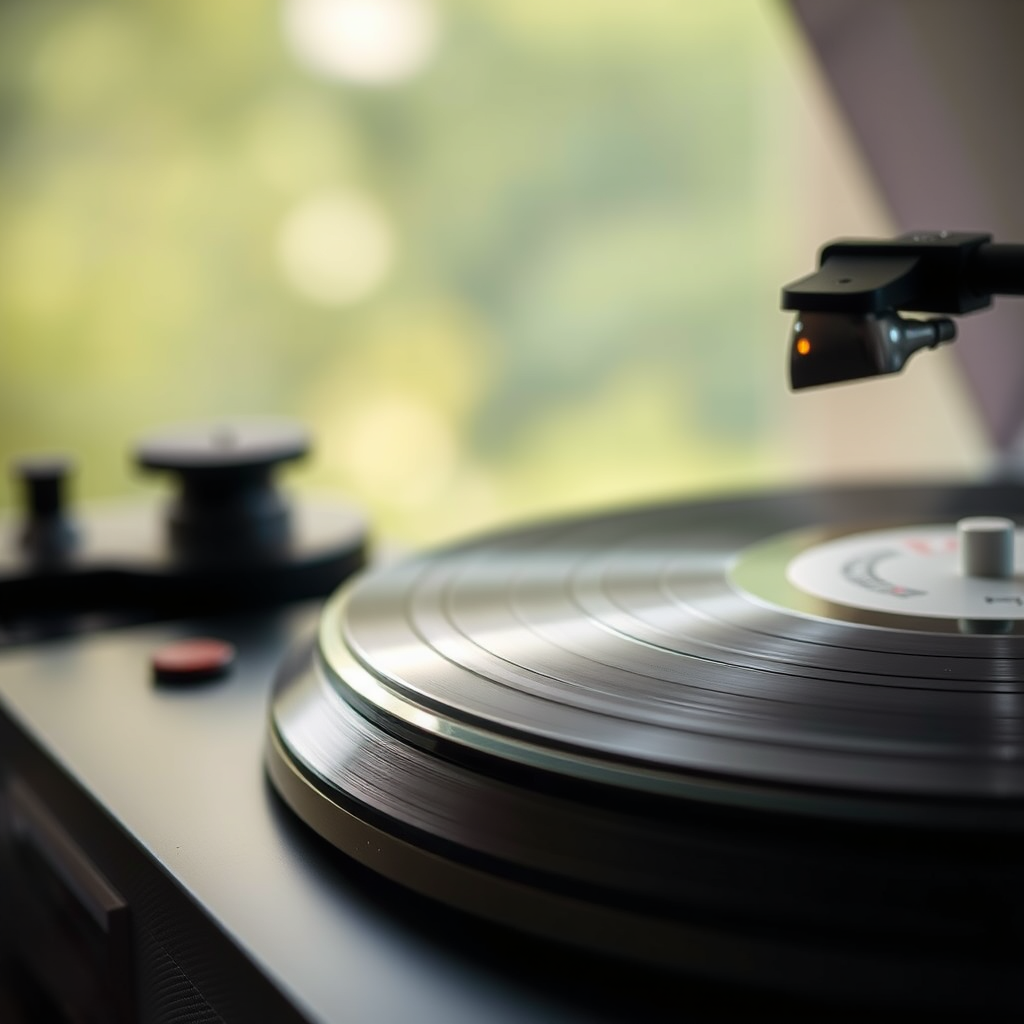
Vinyl records are renowned for their distinctive sound quality, often described as warm and rich compared to digital formats. This warmth is attributed to the analog nature of vinyl, which captures sound waves in a continuous format. The process of creating vinyl records enables them to reproduce sound frequencies more naturally, without the harshness sometimes associated with digital compression.
Listeners often report that vinyl captures subtle nuances in music, from the delicate strumming of a guitar to the softest whispers in a vocal track. This characteristic enhances the emotional connection to the music, allowing listeners to experience it in a way that resonates deeply. Many audiophiles argue that this uniqueness of sound is a compelling draw, leading to a resurgence in vinyl’s popularity even decades after the advent of digital music.
Technological Innovations Driving Vinyl Popularity
The resurgence of vinyl has been supported by several technological innovations that have improved the listening experience. Advances in turntable design, including the introduction of belt-drive systems and precision-engineered platters, have significantly enhanced the fidelity of playback. Modern cartridges with advanced stylus designs are capable of extracting even finer details from vinyl grooves, leading to a more immersive listening experience.
Additionally, the development of high-quality speakers and amplifiers tailored for vinyl playback has complemented these advancements. Brands have emerged that specialize in high-fidelity audio equipment, targeting audiophiles who demand the best from their vinyl collections. This combination of improved hardware and the resurgence of vinyl as a format has created a vibrant market for both new and vintage records.
Top 7 Vinyl Record Pressing Plants (2023)
| # | Plant Name | Location | Year Established | Annual Production (Units) |
|---|---|---|---|---|
| 1 | GZ Media | Czech Republic | 1951 | 20,000,000 |
| 2 | MPO | France | 1970 | 10,000,000 |
| 3 | Optimal Media | Germany | 2003 | 8,000,000 |
| 4 | United Record Pressing | USA | 1949 | 2,000,000 |
| 5 | Vinyl Record Pressing | USA | 2001 | 1,500,000 |
| 6 | Pallas Group | Germany | 1978 | 1,000,000 |
| 7 | Record Industry | Netherlands | 1988 | 800,000 |
Vinyl Sales Growth Over the Last Decade (%)
The Cultural Resurgence of Vinyl
In recent years, there has been a notable cultural resurgence surrounding vinyl records. This revival is evident in the increasing number of record stores and vinyl fairs that have emerged, attracting a new generation of music enthusiasts eager to explore this classic format. Unlike the digital music experience, which often prioritizes convenience, vinyl offers a unique and immersive way to engage with music. This tactile interaction, from selecting a record to placing it on the turntable, enhances the overall listening experience.
Artists have also recognized the appeal of vinyl, leading to a growing trend of releasing new albums on this format. Many musicians understand that vinyl records hold a special place in the hearts of collectors and fans alike, offering a nostalgic yet contemporary way to experience their music. Special editions, colored vinyl, and beautifully designed album covers have become highly sought after, further driving the appeal of vinyl as both a listening medium and a collectible item.
Collecting Vinyl: A Passion and Investment
Vinyl collecting has evolved into a popular hobby, with many enthusiasts dedicating significant time and resources to building their collections. Rare records from iconic artists can fetch exorbitant prices, making vinyl not only a passion but also a potential investment. Auctions and online marketplaces have become platforms where collectors can buy, sell, and trade records, often leading to competitive bidding for rare finds.
The physicality of vinyl records fosters a deeper connection between the listener and the music. Collecting is not merely about owning music; it is about the journey of discovering new sounds, attending record fairs, and engaging with fellow collectors. This passion for vinyl transcends generations, uniting old and young fans in a shared appreciation for the art of music.
The Future of Vinyl in a Digital Age
Despite the overwhelming dominance of streaming services in the music industry, vinyl sales have shown remarkable resilience and growth. In 2022, vinyl sales in the United States surpassed CD sales for the first time in decades, highlighting the format’s resurgence and enduring appeal. This trend indicates a shift in consumer preferences, as many listeners seek a more tangible connection to their music.
The tactile experience of handling records, the ritual of playback, and the visual appeal of album art offer a unique alternative to the ephemeral nature of digital listening. As technology continues to evolve, vinyl records remain a cherished format that celebrates the artistry of music in a way that digital formats cannot replicate.
The impact of vinyl records on the Hi-Fi movement has been profound, shaping how we experience music and appreciate sound quality. As vinyl continues to thrive in a digital world, audiophiles and casual listeners alike can enjoy the rich, warm tones that only vinyl can provide. Explore your local record shop today to experience the magic of vinyl for yourself!
Frequently Asked Questions
What is the significance of vinyl records in the Hi-Fi movement?
Vinyl records play a crucial role in the Hi-Fi movement due to their ability to deliver high-fidelity sound that many audiophiles prefer. Unlike digital formats, vinyl can capture the nuances and warmth of music, creating a more immersive listening experience. This appreciation for analog sound has led to a resurgence in vinyl popularity among music enthusiasts seeking superior audio quality.
How do vinyl records affect sound quality in Hi-Fi systems?
Vinyl records can significantly enhance sound quality in Hi-Fi systems by providing a richer, warmer sound profile that many listeners find more enjoyable. The analog format allows for a broader dynamic range and better reproduction of tonal subtleties compared to compressed digital formats. This makes vinyl records a favored choice for audiophiles who prioritize audio fidelity.
Why have vinyl records made a comeback in the Hi-Fi community?
Vinyl records have made a comeback in the Hi-Fi community largely due to a growing appreciation for analog sound and the tactile experience of handling physical media. As digital formats have become ubiquitous, many listeners are seeking a more authentic connection to music, which vinyl provides. Additionally, the resurgence of vinyl pressing plants and the production of new records has fueled this trend.
What equipment do I need to get started with vinyl records in a Hi-Fi setup?
To get started with vinyl records in a Hi-Fi setup, you’ll need a quality turntable, a phono preamp, speakers, and an amplifier. Investing in a good turntable with a reliable cartridge can dramatically improve sound quality. Additionally, consider using high-quality speaker cables and interconnects to maximize your audio experience.
Which vinyl records are best for testing Hi-Fi equipment?
The best vinyl records for testing Hi-Fi equipment are those that feature a wide dynamic range and high production quality, such as “Aja” by Steely Dan or “Dark Side of the Moon” by Pink Floyd. Look for records with a variety of instruments and vocals that can showcase the capabilities of your system. Audiophile pressings or remastered editions are also excellent choices for evaluating sound fidelity.
References
- Phonograph record
https://en.wikipedia.org/wiki/Vinyl_record - https://www.bbc.com/culture/article/20190425-why-vinyl-is-back-in-style
https://www.bbc.com/culture/article/20190425-why-vinyl-is-back-in-style - https://www.theguardian.com/music/2021/may/25/vinyl-records-their-rise-and-resilience
https://www.theguardian.com/music/2021/may/25/vinyl-records-their-rise-and-resilience - https://www.nytimes.com/2021/06/11/arts/music/vinyl-records-2021.html
https://www.nytimes.com/2021/06/11/arts/music/vinyl-records-2021.html - Google Scholar Google Scholar
https://scholar.google.com/scholar?q=The+Role+of+Vinyl+Records+in+the+Hi-Fi+Movement - Google Scholar Google Scholar
https://scholar.google.com/scholar?q=Vinyl+Records+Hi-Fi+Movement - Google Scholar Google Scholar
https://scholar.google.com/scholar?q=Vinyl+Records+and+Audio+Quality - https://www.sciencedirect.com/science/article/pii/S2212869216300120
https://www.sciencedirect.com/science/article/pii/S2212869216300120 - https://pubmed.ncbi.nlm.nih.gov/31937474/
https://pubmed.ncbi.nlm.nih.gov/31937474/ - https://www.britannica.com/art/vinyl-record
https://www.britannica.com/art/vinyl-record