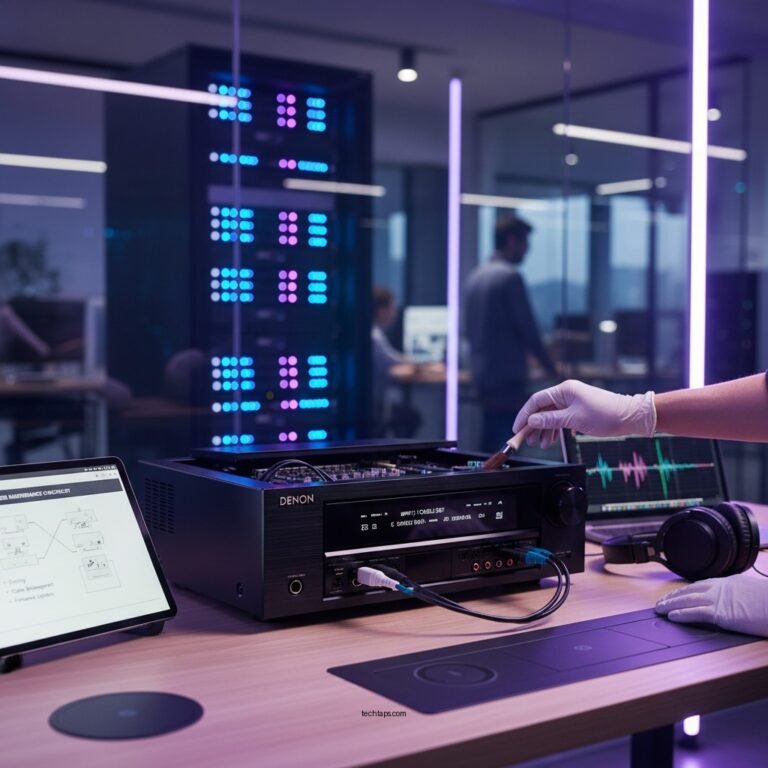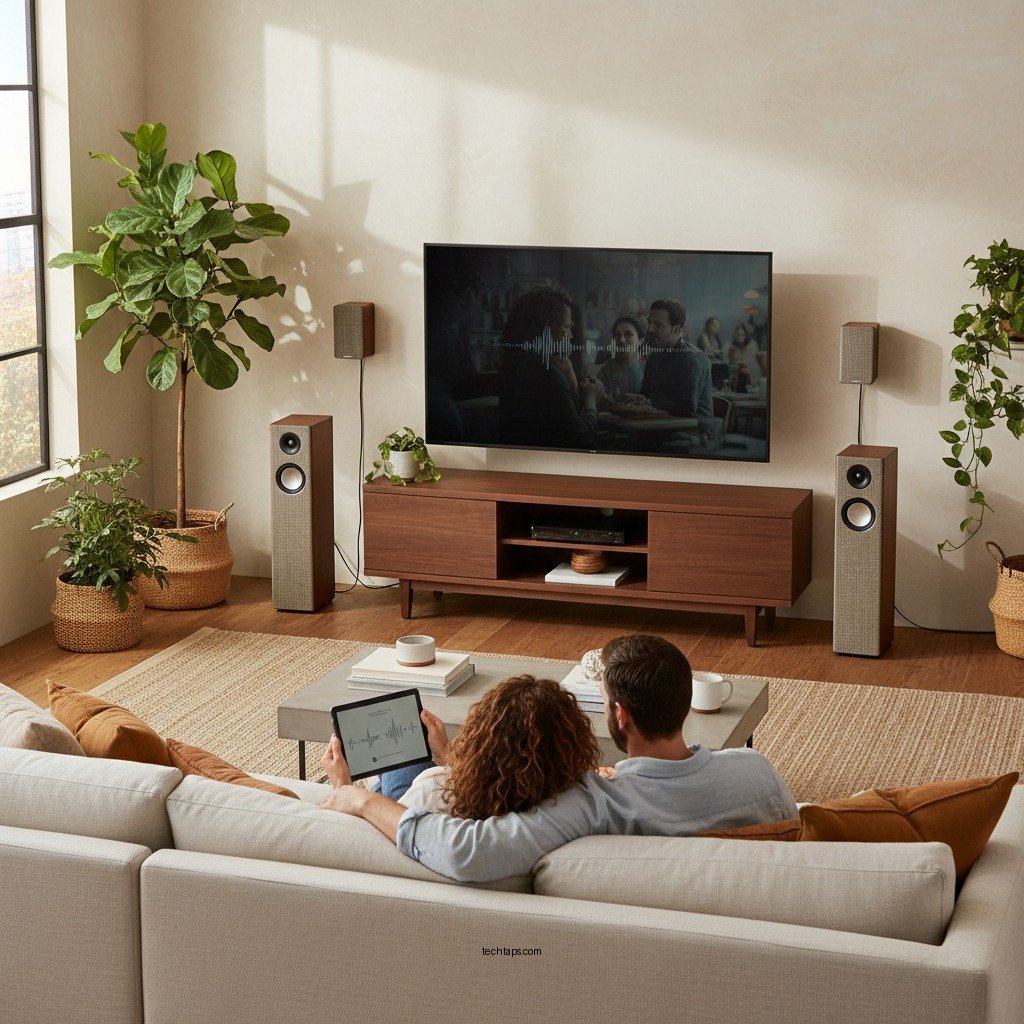

Wireless audio systems can significantly improve your home theater experience by offering flexibility and convenience, but they also come with potential drawbacks, such as connectivity issues and sound quality concerns. In this article, we will delve into the advantages and disadvantages of using wireless audio systems, allowing you to make a well-informed decision for your home theater setup.
Advantages of Wireless Audio Systems
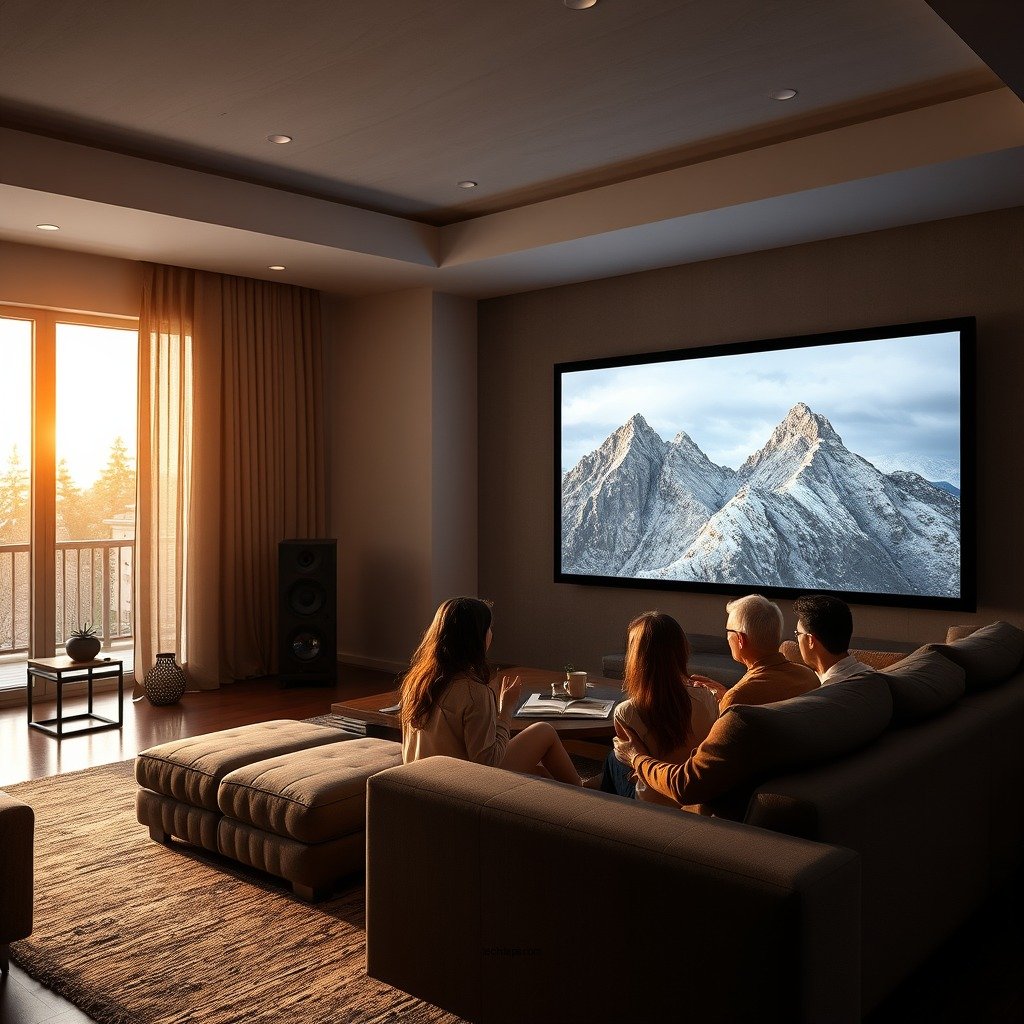
– Convenience and Flexibility: One of the primary benefits of wireless audio systems is their ability to eliminate the clutter of cables. This not only simplifies the setup process but also allows for greater flexibility in rearranging your home theater space. You can position speakers where they sound best without being constrained by the location of electrical outlets or the length of cables. This is particularly beneficial in large rooms or spaces with complex layouts.
– Ease of Installation: Many wireless audio systems are designed with user-friendly installation processes in mind. With plug-and-play setups, even individuals with minimal technical skills can quickly get their systems up and running. This ease of installation also means that you can change your layout or upgrade your system with minimal hassle.
Sound Quality Considerations
– Audio Compression: Despite their convenience, wireless audio systems often utilize compression algorithms to transmit sound. This can lead to a loss of audio fidelity, particularly in high-fidelity setups where sound quality is paramount. Audiophiles may find that wired connections still provide superior sound clarity, especially for complex audio formats like lossless music files.
– Latency Issues: Another concern is latency, which can result in a noticeable delay between the audio and video components of your home theater system. This lag can be particularly problematic during action scenes or when watching live events, where precise synchronization is essential. While many modern wireless systems are designed to reduce this delay, it remains a potential drawback in certain setups.
Connectivity and Range
– Signal Interference: Wireless audio systems rely on radio signals, which can be susceptible to interference from other electronic devices in your home. This interference can lead to dropouts or inconsistent audio performance, which can be frustrating during a viewing experience. It’s essential to be aware of the potential for interference when choosing a wireless system and to consider the layout of your home.
– Range Limitations: The effective range of wireless audio systems can vary significantly depending on the model and the environment. While some systems boast impressive ranges, others may struggle to maintain a stable connection when the speakers are placed far from the transmitter. Before investing in a wireless system, consider your home layout and whether the range will meet your needs.
Top 7 Wireless Audio Systems for Home Theaters (2024)
| # | Model | Audio Quality | Range | Price |
|---|---|---|---|---|
| 1 | Sonos Arc | ★★★★☆ | 30 ft | $799 |
| 2 | Bose Soundbar 700 | ★★★★★ | 35 ft | $799 |
| 3 | JBL Bar 9.1 | ★★★★☆ | 30 ft | $999 |
| 4 | Samsung HW-Q950T | ★★★★☆ | 40 ft | $1,499 |
| 5 | Sony HT-ST5000 | ★★★★★ | 35 ft | $1,499 |
| 6 | Vizio SB36512-F6 | ★★★★☆ | 30 ft | $499 |
| 7 | LG SN11RG | ★★★★☆ | 35 ft | $999 |
Cost vs. Performance
– Higher Initial Investment: When considering wireless audio systems, it’s essential to note that they often come with a higher initial investment compared to traditional wired systems. Premium brands and advanced models can significantly increase your budget. For instance, high-end models can start at around $800 and reach upwards of $1,500, depending on the features and sound quality.
– Long-term Savings: However, the higher upfront costs may be offset by long-term savings. Wireless systems can reduce installation costs since there are no cables to run throughout your home. Additionally, fewer replacement parts, such as cables and connectors, can lead to further savings over time, making them a viable option for those looking for a long-term audio solution.
User Experience and Setup
– User-Friendly Features: Many wireless audio systems come equipped with smart technology integration, allowing for seamless connectivity with other devices in your home. Features such as voice control, mobile app functionality, and compatibility with smart home systems can greatly enhance the user experience. These intuitive features often make it easier to control and customize your audio settings.
– Setup Complexity: While many wireless systems boast straightforward installation, some users may encounter challenges when it comes to properly configuring their systems. Issues such as network interference or incorrect settings can lead to connectivity problems. Therefore, it’s crucial for users to familiarize themselves with their system’s setup process and troubleshooting guidelines to ensure optimal performance.
In summary, the user experience can vary based on individual preferences and technical skills, making it essential to choose a system that aligns with your comfort level.
Best Practices for Choosing a Wireless Audio System
– Assess Your Space: Before making a purchase, carefully evaluate the size and layout of your room. Consider potential obstacles such as walls or furniture that might impact wireless performance. Understanding your space will help you choose a system with appropriate range and capabilities.
– Read Reviews and Comparisons: Research is vital when selecting a wireless audio system. Reading product reviews and comparing different models can provide valuable insights into performance and reliability. Look for user experiences that highlight both strengths and weaknesses, as this information can guide you toward the best fit for your audio needs and budget.
In conclusion, while wireless audio systems offer notable advantages in terms of convenience and flexibility, they also present challenges, particularly regarding sound quality and connectivity. Evaluating your specific needs, preferences, and space limitations will help you determine if a wireless audio system is the right choice for your home theater setup. For further guidance, explore product reviews and comparisons to make an informed decision that enhances your audio experience.
Frequently Asked Questions
What are the advantages of using wireless audio systems in home theaters?
Wireless audio systems offer significant advantages for home theaters, including reduced cable clutter, easier installation, and flexibility in speaker placement. They allow you to arrange your space without being limited by cords, creating a cleaner aesthetic and more immersive listening experience.
What are the common drawbacks of wireless audio systems for home theaters?
Common drawbacks of wireless audio systems include potential audio delay, interference from other devices, and reliance on Wi-Fi stability. Additionally, some users may find that wireless systems can be more expensive than their wired counterparts, which can be a consideration for budget-conscious consumers.
How do wireless audio systems compare to wired systems in terms of sound quality?
While many wireless audio systems provide impressive sound quality, they may not always match the fidelity of high-end wired systems, especially in larger setups. Factors such as compression and signal interference can affect audio performance, making it crucial to research specific models to find the best wireless option for your home theater needs.
Why should I consider upgrading to a wireless audio system for my home theater?
Upgrading to a wireless audio system can enhance your home theater experience by providing convenience and flexibility. With wireless options, you can easily connect multiple devices, stream music, and adjust settings without the hassle of tangled wires, making for a more enjoyable and user-friendly setup.
Which wireless audio system is best for home theaters in 2023?
The best wireless audio system for home theaters in 2023 depends on your specific needs and budget. Popular options include the Sonos Arc for its exceptional surround sound capabilities, the Bose Soundbar 700 for its design and connectivity features, and the Yamaha MusicCast for its versatility in multi-room audio, catering to various preferences and setups.
References
- Wireless
https://en.wikipedia.org/wiki/Wireless_audio - https://www.sciencedirect.com/science/article/pii/S2212671617301326
https://www.sciencedirect.com/science/article/pii/S2212671617301326 - https://www.ncbi.nlm.nih.gov/pmc/articles/PMC7000515/
https://www.ncbi.nlm.nih.gov/pmc/articles/PMC7000515/ - https://www.bbc.com/future/article/20200128-how-wireless-technology-is-revolutionising-audio
https://www.bbc.com/future/article/20200128-how-wireless-technology-is-revolutionising-audio - https://www.nature.com/articles/s41598-020-73853-y
https://www.nature.com/articles/s41598-020-73853-y - https://www.theguardian.com/technology/2018/mar/11/wireless-speakers-the-pros-and-cons
https://www.theguardian.com/technology/2018/mar/11/wireless-speakers-the-pros-and-cons - https://www.reuters.com/article/us-tech-wireless-audio-idUSKBN1K51C1
https://www.reuters.com/article/us-tech-wireless-audio-idUSKBN1K51C1 - https://www.ncbi.nlm.nih.gov/pmc/articles/PMC4418275/
https://www.ncbi.nlm.nih.gov/pmc/articles/PMC4418275/ - Google Scholar Google Scholar
https://scholar.google.com/scholar?q=Wireless+Audio+Systems+in+Home+Theaters - Google Scholar Google Scholar
https://scholar.google.com/scholar?q=Pros+and+Cons+of+Wireless+Audio+Systems