

AI plays a crucial role in enhancing video surveillance footage by improving accuracy, automating analysis, and providing real-time insights. By harnessing the power of artificial intelligence, security systems can become more effective and efficient, transforming the way we monitor and interpret surveillance data. In this article, you’ll discover how AI technologies are revolutionizing the landscape of video surveillance, making it not just a reactive tool but a proactive security measure.
Understanding AI and Video Surveillance
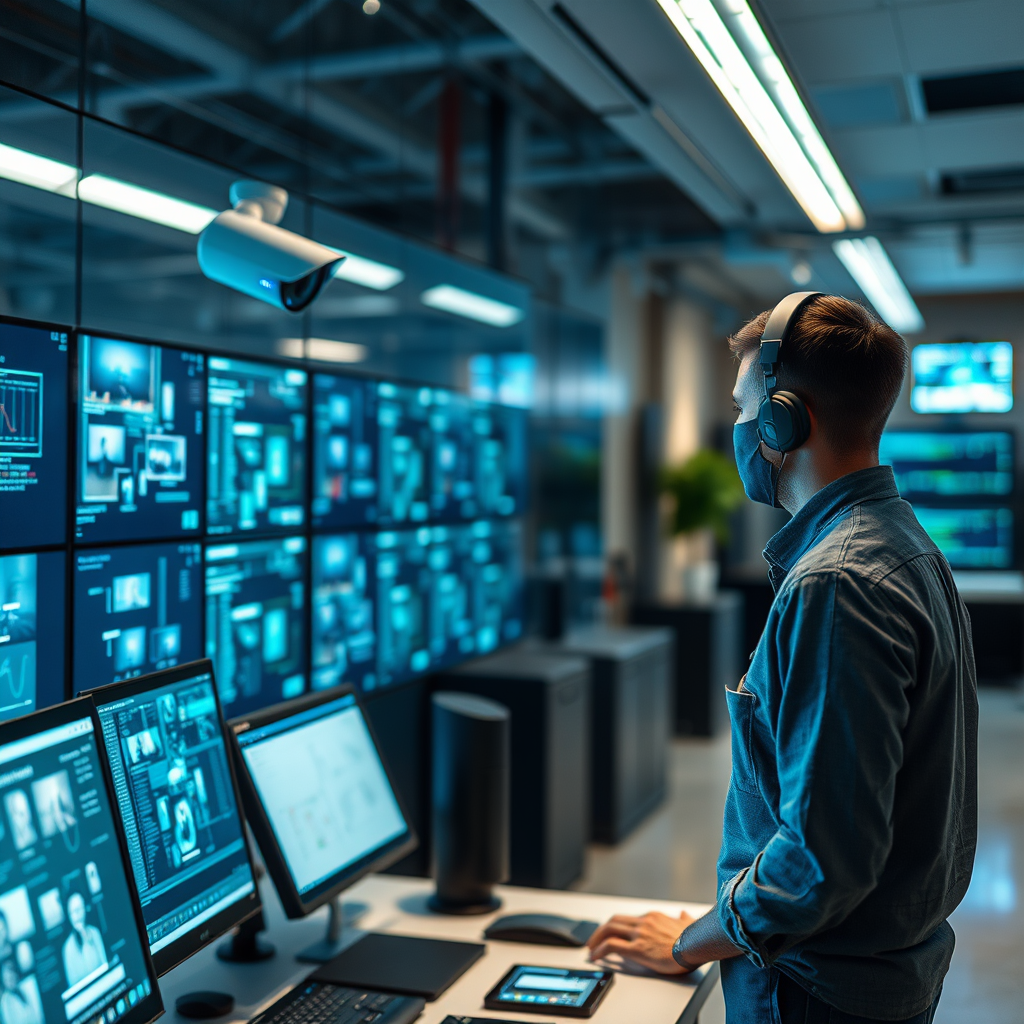
To grasp the significance of AI in video surveillance, we first need to understand what AI entails in this context. Artificial Intelligence refers to computer systems designed to mimic human cognitive functions, such as learning and problem-solving. In video surveillance, AI technologies analyze vast amounts of footage and identify patterns that would be impossible for a human to detect in real-time.
Traditional surveillance methods often rely on manual monitoring, where human operators watch screens for hours on end. This approach is not only labor-intensive but also prone to errors and oversight. In contrast, AI-enhanced systems automate this process, enabling constant, vigilant monitoring without fatigue. By integrating AI, security teams can focus on responding to alerts and taking action rather than sifting through endless footage.
Automated Video Analysis
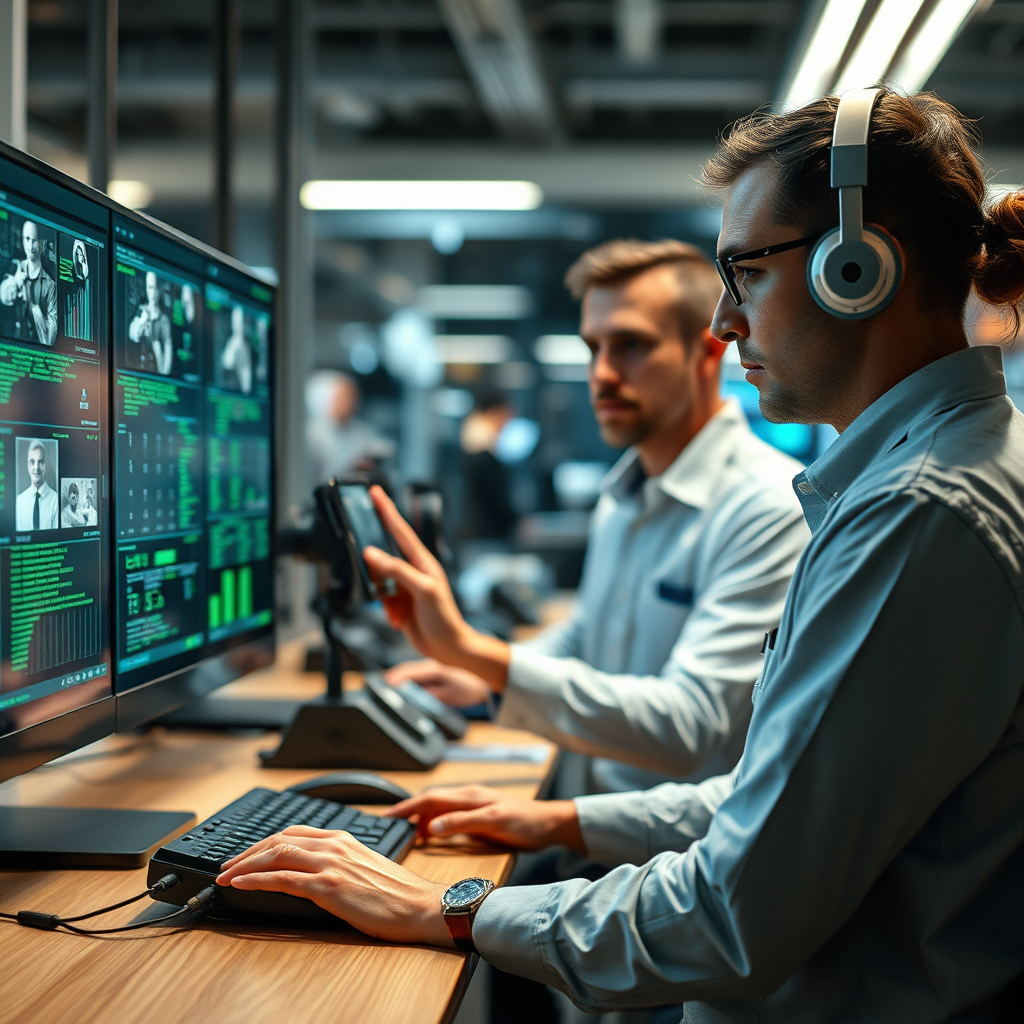
One of the most significant advantages of AI in video surveillance is its ability to analyze footage in real-time through advanced algorithms. These algorithms can dissect video streams, identify objects, and recognize behaviors instantaneously. For instance, if a person loiters in a restricted area or a vehicle speeds through a checkpoint, the system can automatically generate alerts, allowing security personnel to respond swiftly.
Automated alerts for unusual activities or patterns not only enhance security but also improve operational efficiency. By minimizing the time spent on manual review, organizations can allocate resources more effectively. This level of automation allows for a more proactive approach to security, where potential threats can be addressed before they escalate into serious incidents.
Improved Image Quality
AI utilizes several techniques to enhance video resolution and clarity, making it easier to identify crucial details. One common method is super-resolution, which enhances the pixel quality of video footage, allowing security teams to zoom in on specific areas without losing clarity. Another technique involves noise reduction, which improves visibility in low-light conditions, ensuring that footage remains usable even in challenging environments.
The impact of enhanced image quality on incident investigation cannot be overstated. Clearer images can lead to more accurate identifications and a better understanding of events as they unfold. For example, in a recent case where AI-enhanced footage was used, law enforcement was able to identify a suspect in a robbery case more effectively due to the improved quality of the video evidence, leading to a swift resolution of the case.
Facial Recognition Technology
Facial recognition technology is one of the most talked-about applications of AI in video surveillance. By analyzing facial features, AI can identify and track individuals across multiple cameras. This capability enhances security in various environments, from airports to shopping malls, by allowing for quick identification of persons of interest.
However, the adoption of facial recognition technology comes with ethical considerations. Concerns regarding privacy, consent, and potential misuse of the technology are significant. It’s essential for organizations to implement clear policies and guidelines governing the use of facial recognition to ensure that it serves public safety without infringing on individual rights. Striking a balance between security and privacy is crucial in the ongoing discussion about the future of surveillance technology.
Predictive Analytics in Surveillance
Predictive analytics is another fascinating aspect of AI in video surveillance. By mining historical data and recognizing patterns, AI can forecast potential security threats. For example, if a particular area experiences an increase in specific types of incidents, the AI can alert security teams to bolster their presence or take preventative measures in that area.
Several case studies highlight the success of predictive surveillance implementations. One notable example is the city of Chicago, which has employed predictive analytics to identify hotspots for crime based on historical data. By anticipating potential incidents, the city has been able to allocate police resources more effectively, leading to a decrease in crime rates in targeted areas.
Integration with Other Security Systems
AI surveillance does not operate in isolation; it can seamlessly integrate with other security systems, particularly Internet of Things (IoT) devices. This synergy enables a holistic security approach where various systems work together to enhance overall safety. For instance, smart cameras can communicate with alarm systems and access control devices, creating a comprehensive security network.
The benefits of this integrated approach include improved response times and the ability to gather more comprehensive data. For example, if an AI surveillance camera detects unauthorized access, it can trigger an alarm and simultaneously lock down entry points, preventing further breaches. Such coordinated responses can significantly enhance security effectiveness.
Future Trends in AI Surveillance
Looking ahead, emerging technologies are poised to further shape the future of video surveillance. Innovations such as edge computing—where data processing occurs closer to the source—will enable faster analysis and reduced latency in real-time monitoring. Additionally, advancements in machine learning will enhance AI’s ability to learn from new data, improving its predictive capabilities over time.
However, the road ahead is not without challenges. Issues related to data security, privacy regulations, and public trust will need to be addressed as AI surveillance continues to evolve. Organizations must remain vigilant and proactive in tackling these challenges to harness the full potential of AI in security applications.
The advancements in AI are transforming video surveillance into a more proactive and insightful tool for security management. By automating analysis, improving image quality, and integrating predictive capabilities, AI not only enhances the effectiveness of surveillance systems but also addresses ethical concerns in security practices. For those looking to upgrade their security measures, exploring AI solutions is a vital next step. As we embrace these innovations, we move toward a safer and more secure future.
Frequently Asked Questions
What are the main benefits of using AI in video surveillance systems?
The integration of AI in video surveillance systems significantly enhances security by improving threat detection and response times. AI algorithms can analyze footage in real-time, identifying unusual behaviors or movements, reducing the likelihood of human error. Furthermore, AI enables advanced features like facial recognition and license plate recognition, which streamline monitoring processes and improve overall situational awareness.
How does AI improve the accuracy of video surveillance footage analysis?
AI enhances the accuracy of video surveillance analysis through machine learning algorithms that can learn and adapt over time. These algorithms can filter out false positives by distinguishing between normal and suspicious activities, ensuring that security personnel focus on genuine threats. Additionally, AI can enhance image quality and clarity, providing clearer evidence for investigations.
Why is real-time monitoring powered by AI crucial for modern security systems?
Real-time monitoring powered by AI is essential because it allows for immediate detection and response to security incidents, significantly reducing response times. By analyzing video feeds continuously, AI can alert security teams to potential threats as they happen, enabling faster intervention. This proactive approach minimizes losses and enhances safety for individuals and property.
What types of AI technologies are commonly used in video surveillance systems?
Common AI technologies used in video surveillance include computer vision, machine learning, and deep learning algorithms. Computer vision enables systems to interpret visual data, while machine learning allows for the analysis of large datasets to identify patterns and anomalies. Deep learning, a subset of machine learning, improves the system’s ability to recognize complex objects and behaviors, enhancing overall surveillance effectiveness.
Which industries can benefit the most from AI-enhanced video surveillance?
Various industries can reap significant benefits from AI-enhanced video surveillance, with notable examples including retail, transportation, healthcare, and banking. In retail, AI can help monitor customer behavior and prevent theft. In transportation, it improves traffic management and ensures safety on public transit systems. Healthcare facilities use AI to monitor patient safety, while banking institutions leverage it to prevent fraud and secure transactions.
References
- Closed-circuit television
- https://www.nist.gov/news-events/news/2020/05/nist-releases-guide-evaluating-ai-systems-video-surveillance
- https://www.bbc.com/news/technology-58076972
- https://www.sciencedirect.com/science/article/abs/pii/S1361372319301680
- Co-Design of Services for Health and Reentry (CO-SHARE): An Experience-Based Co-Design (EBCD) Pil…
- https://www.researchgate.net/publication/343004153_Artificial_Intelligence_in_Video_Surveillance
- https://www.ncbi.nlm.nih.gov/pmc/articles/PMC8690175/
- https://www.theguardian.com/technology/2021/jun/24/privacy-concerns-over-ai-video-surveillance-tech
- https://www.uspto.gov/learning-and-resources/news-updates/ai-and-video-surveillance-technology