
Artificial Intelligence (AI) is reshaping the advertising sector with real-time adaptive billboards that adjust their content instantly based on live data inputs. This innovative technology allows brands to deliver personalized messages that resonate with audiences at the right time and place, dramatically increasing engagement and effectiveness. In this article, we will delve into how AI is transforming billboard advertising, the technologies that make it possible, and the myriad benefits this evolution brings to both brands and consumers.
The Technology Behind Real-Time Adaptive Billboards
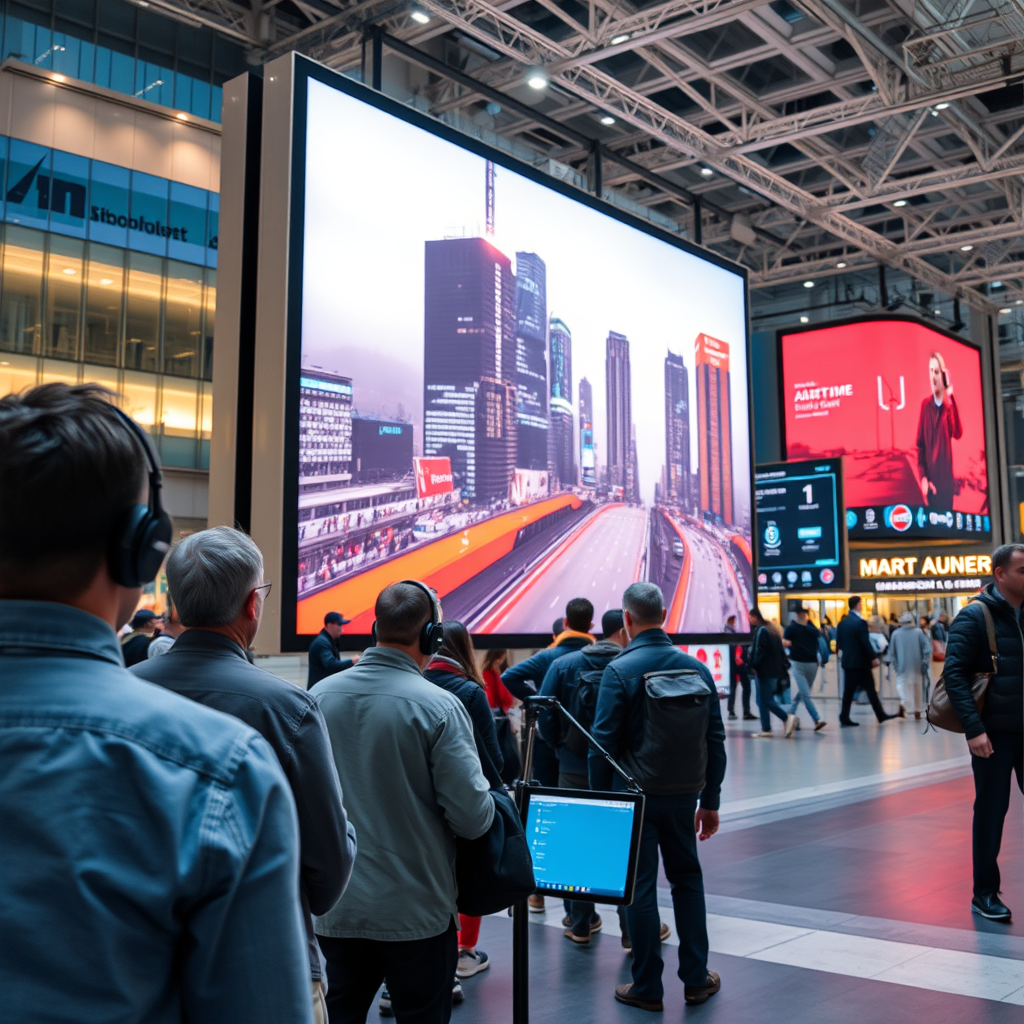
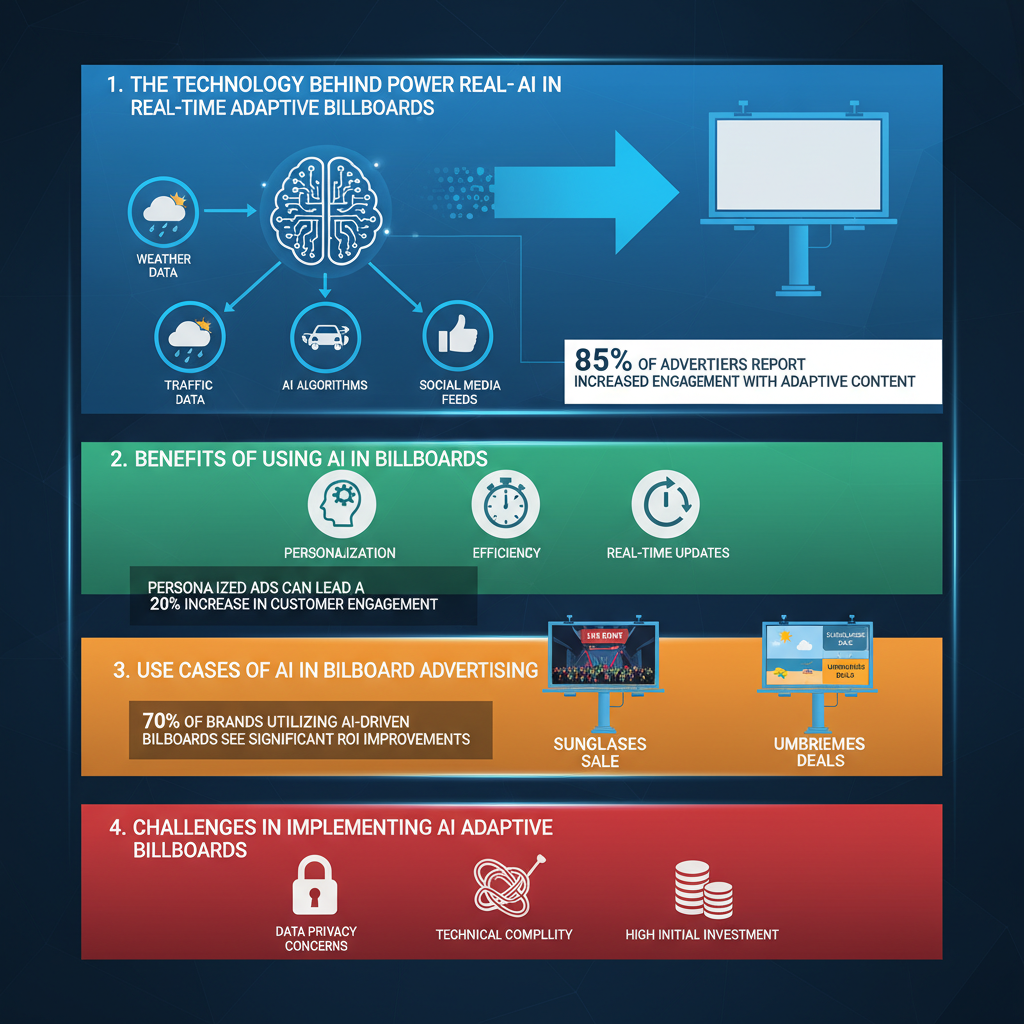
At the core of real-time adaptive billboards is a sophisticated web of AI algorithms that process data from multiple sources. These sources include everything from weather conditions and traffic patterns to social media trends. For instance, if a sudden rainstorm hits a city, the billboard can instantly switch to advertise umbrellas or hot soup, making the message relevant to the current situation.
Additionally, sensors and cameras are integral to the functionality of these billboards. They capture audience demographics and behavior in real time, allowing advertisers to tailor their messages to specific groups. For example, a billboard might detect a higher concentration of young adults in a certain area and display an ad for a trendy new coffee shop, thus maximizing the potential for engagement. This blend of data collection and AI processing enables a dynamic advertising experience that was previously unattainable.
Benefits of Using AI in Billboards

One of the most significant advantages of AI in billboard advertising is increased relevance. By providing tailored advertisements that respond to real-time data, advertisers can significantly boost engagement rates. Studies have shown that personalized content can lead to higher click-through rates and a more favorable brand perception. Imagine walking by a billboard that offers a discount on a product you’ve been searching for online—it’s hard to ignore!
Moreover, improved return on investment (ROI) is another compelling benefit of AI-driven billboards. By effectively targeting specific audiences based on real-time data, brands can optimize their advertising spend. This means less money wasted on ads that reach uninterested viewers and more efficient campaigns that drive sales. For instance, a local gym could use AI to adjust its ads based on the time of day—promoting morning fitness classes during rush hour when commuters are passing by, and evening classes later in the day.
Use Cases of AI in Billboard Advertising
The application of AI in billboard advertising opens up exciting possibilities. One common use case is weather-based advertising. For example, during a heatwave, billboards might display ads for ice cream shops or swimming pool supplies, maximizing the chances of capturing consumer interest. Conversely, when temperatures drop, the same billboards could promote cozy beverages or winter apparel.
Another fascinating application is event-triggered content that responds to local happenings. For instance, if a major concert is taking place nearby, a billboard can display ads for nearby restaurants or after-party events. This approach not only provides timely advertising but also enhances the overall consumer experience by connecting them with relevant local offerings.
Challenges in Implementing AI Adaptive Billboards
Despite the many advantages, implementing AI-driven billboards isn’t without its challenges. One of the foremost concerns is data privacy. As advertisers collect data to personalize content, they must ensure compliance with regulations like GDPR and CCPA. Balancing the need for data with consumer privacy concerns is a delicate task that requires transparency and ethical practices.
Technical limitations also pose a challenge. Real-time data processing demands robust infrastructure, including high-speed internet connectivity and powerful computing resources. For many businesses, investing in such technology can be daunting, especially for smaller companies that may not have the budget to support these advancements.
Future Trends in AI and Billboard Advertising
Looking ahead, the future of AI in billboard advertising appears bright and full of potential. One exciting trend is the integration of augmented reality (AR). Imagine walking past a billboard that not only displays an advertisement but also allows you to interact with it through your smartphone, providing an immersive experience that engages consumers on a deeper level.
Enhanced machine learning capabilities are also on the horizon. As AI algorithms become more sophisticated, they will improve targeting strategies even further. This means that billboards will not only respond to current data but also learn from past interactions to refine their messaging. This evolution could lead to hyper-personalized advertising experiences that resonate with consumers in ways we can only begin to imagine.
Case Studies of Successful Implementations
Several brands have already embraced the power of real-time adaptive billboards with impressive outcomes. For instance, a well-known beverage company launched a campaign using adaptive billboards that changed based on weather conditions. During a hot summer day, the billboards displayed ads for refreshing drinks, while in cooler weather, they promoted warm beverages. The campaign saw a marked increase in sales during targeted times, demonstrating the effectiveness of timely messaging.
Another example involves a local event organizer that used AI-driven billboards to promote a music festival. By analyzing traffic patterns and social media buzz, the billboards dynamically adjusted their content to highlight event details as crowds began to gather. As a result, ticket sales spiked, and the event garnered significant attention, showcasing the potential of AI in enhancing local events.
The metrics and key performance indicators (KPIs) from these campaigns illustrate the transformative impact of AI-driven advertising. Increased foot traffic, higher engagement rates, and improved sales figures are just the beginning of what can be achieved through this innovative approach.
The integration of AI in real-time adaptive billboards represents a significant shift in advertising strategies, offering brands the ability to deliver highly relevant and engaging content. As technology continues to evolve, embracing these advancements will be crucial for advertisers looking to stay ahead in a competitive market. For businesses interested in enhancing their advertising strategies, now is the time to explore the potential of AI-driven solutions. The future of advertising is not just about reaching audiences; it’s about connecting with them in meaningful ways.
Frequently Asked Questions
What are real-time adaptive billboards and how do they work with AI?
Real-time adaptive billboards are dynamic advertising displays that utilize AI technology to change content based on various factors such as audience demographics, weather conditions, and time of day. These billboards are equipped with sensors and data analytics software that allow them to analyze real-time information, enabling advertisers to tailor messages and promotions instantaneously for maximum impact.
How can businesses benefit from using AI in real-time adaptive billboards?
Businesses can significantly enhance their advertising efforts by using AI in real-time adaptive billboards. The technology allows for personalized marketing, which can lead to higher engagement rates as ads are more relevant to viewers. Furthermore, businesses can optimize their ad spend by targeting specific audiences at the right time, ultimately increasing conversion rates and boosting ROI.
Why is AI important for the effectiveness of adaptive billboards?
AI is crucial for the effectiveness of adaptive billboards because it enables the system to process vast amounts of data and make intelligent decisions on what content to display. This means that advertisements can be tailored not only to different audience segments but also adjusted in real-time based on current environmental or situational factors, ensuring that the content remains timely and relevant.
What are the best practices for implementing AI in real-time adaptive billboards?
The best practices for implementing AI in real-time adaptive billboards include leveraging high-quality data sources for audience insights, ensuring robust software integration for seamless operation, and continually monitoring performance metrics to refine strategies. Additionally, businesses should prioritize user privacy and comply with data protection regulations while designing their adaptive billboard campaigns.
Which industries are most likely to benefit from AI-powered real-time adaptive billboards?
Various industries can benefit from AI-powered real-time adaptive billboards, but retail, entertainment, and hospitality are among the most impacted. These sectors thrive on timely promotions and personalized customer experiences, making adaptive advertising an effective tool for attracting foot traffic and driving sales. Other sectors, including transportation and real estate, can also leverage this technology to enhance customer engagement and brand awareness.
References
- https://en.wikipedia.org/wiki/Advertising_broadcasting
- https://www.sciencedirect.com/science/article/abs/pii/S0160791X19301821
- https://www.forbes.com/sites/bernardmarr/2021/01/25/the-future-of-billboards-how-ai-is-changing-outdoor-advertising/
- https://www.theguardian.com/media/2020/jul/30/ai-billboards-ads-data
- https://www.researchgate.net/publication/335896123_Artificial_intelligence_in_advertising
- https://www.bbc.com/future/article/20200504-how-ai-is-changing-advertising
- https://www.nytimes.com/2021/09/01/technology/ad-billboards-ai.html