
The role of AI in multi-device display synchronization is pivotal in enhancing user experiences across various platforms. By leveraging advanced AI technologies, devices can communicate more effectively, ensuring seamless content delivery and interaction. This integration not only improves the efficiency of our daily tasks but also elevates entertainment experiences, making them more immersive and enjoyable. In this article, we will explore how AI facilitates synchronization, its benefits, challenges, and future prospects.
Understanding Multi-Device Display Synchronization
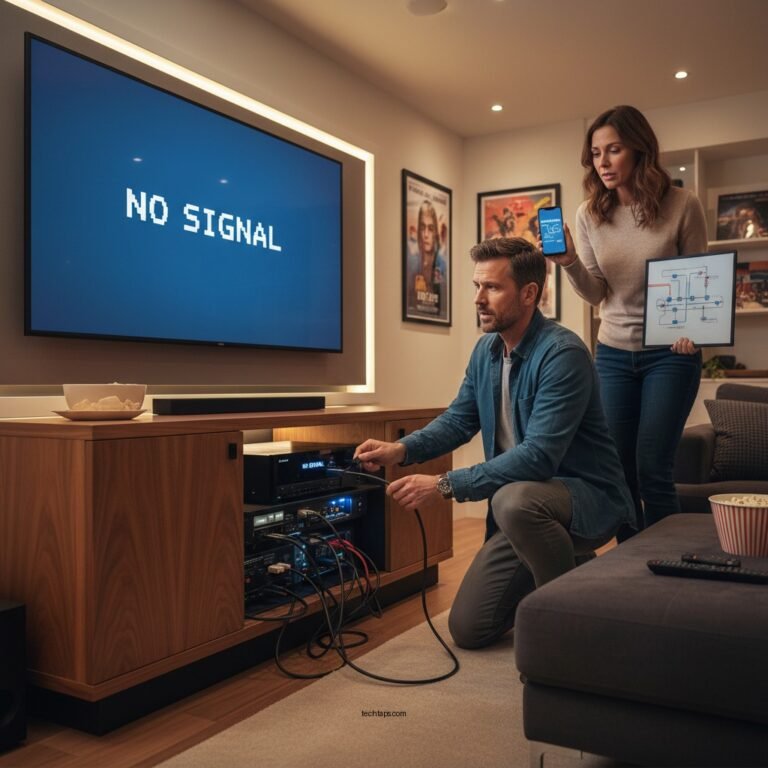
Multi-device display synchronization refers to the ability of different devices—such as smartphones, tablets, laptops, and smart TVs—to work together harmoniously, displaying the same content at the same time. This synchronization is crucial in today’s fast-paced digital environment, where users often engage with multiple devices simultaneously. For instance, imagine watching a movie on your smart TV while checking your phone for messages. If the content isn’t synchronized, it can lead to frustrating delays and interruptions.
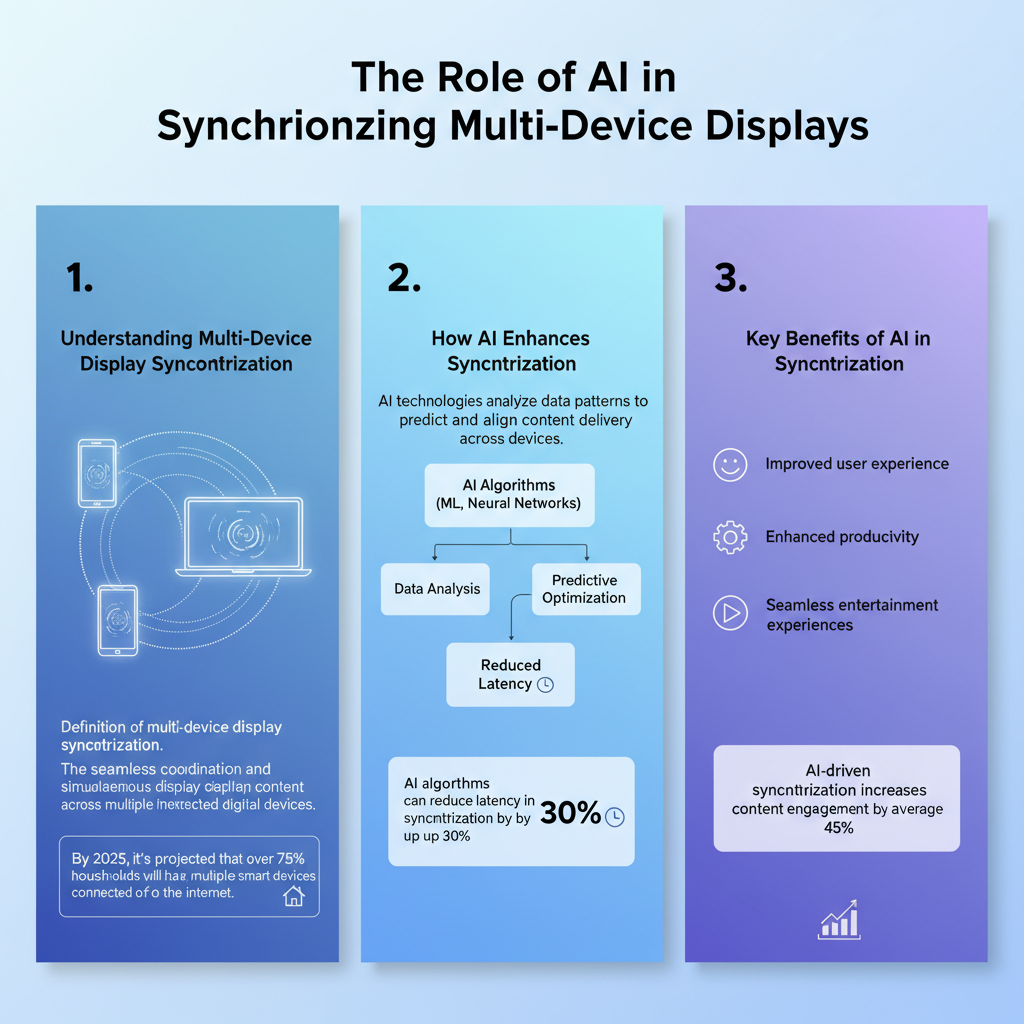
In various scenarios, synchronization becomes essential. For example, during live streaming events, viewers expect smooth transitions between their devices without lag. Similarly, in gaming, where split-second decisions can determine outcomes, any delay in display synchronization can significantly impact performance and enjoyment. Therefore, achieving seamless multi-device synchronization is not just a convenience—it’s a necessity in modern technology.
How AI Enhances Synchronization
AI plays a transformative role in optimizing multi-device display synchronization. By employing sophisticated algorithms, AI can analyze user behavior and device performance to enhance synchronization. For instance, AI can monitor how fast a user interacts with their devices and adjust the syncing process accordingly. This means if you switch from your laptop to your tablet, the AI can adjust settings to minimize any lag, ensuring a smooth experience.
Moreover, machine learning models are capable of predicting delays based on network conditions and device capabilities. For example, if your Wi-Fi signal weakens, the AI can automatically lower the video quality to maintain a consistent viewing experience across devices. These real-time adjustments help create a more fluid interaction, making technology feel more intuitive and responsive to user needs.
Key Benefits of AI in Synchronization
The integration of AI in synchronization brings several notable benefits. First and foremost is the improvement of user experience. With AI-driven synchronization, latency is significantly reduced, allowing for seamless transitions between devices. For example, you can start watching a series on your tablet while commuting and instantly continue it on your smart TV at home without missing a beat.
Additionally, AI enhances content delivery by personalizing experiences based on user preferences and device capabilities. For instance, if you prefer watching action movies, AI can prioritize content that aligns with your interests across all your devices. This level of personalization not only enriches the viewing experience but also keeps users engaged and satisfied.
Challenges Faced in AI-Driven Synchronization
Despite its advantages, AI-driven synchronization faces several challenges. One significant hurdle is the technical complexity arising from the varying protocols and standards across devices. Different manufacturers often use proprietary technologies, which can lead to compatibility issues. This fragmentation makes it difficult for AI systems to ensure that all devices communicate effectively.
Another challenge pertains to data privacy concerns. To optimize synchronization, AI systems often collect and analyze user data, which can raise alarms about privacy and security. Users are increasingly wary of how their data is being used, and businesses must navigate these concerns carefully. Striking a balance between leveraging user data for improved experiences and maintaining transparency and security is critical for the future of AI in synchronization.
Future Trends in AI and Multi-Device Synchronization
Looking ahead, several trends are shaping the future of AI and multi-device synchronization. One of the most impactful emerging technologies is 5G, which offers significantly faster data transfer speeds and lower latency. With 5G, the chances of experiencing lag during synchronization diminish, allowing for nearly instantaneous updates across devices.
Additionally, edge computing is poised to enhance synchronization by processing data closer to the source, reducing the load on central servers. This shift can lead to more responsive interactions, especially in environments where multiple devices are connected, such as smart homes.
As AI continues to evolve, we can expect even more sophisticated capabilities that enhance multi-device interactions. From improved predictive algorithms that anticipate user needs to smarter integration across different platforms, the future looks promising for AI-driven synchronization.
Real-World Applications of AI in Synchronization
AI-driven synchronization has already made significant strides across various industries. In the entertainment sector, streaming platforms like Netflix and Disney+ utilize AI to synchronize content delivery across devices. This ensures that users can start watching on one device and continue seamlessly on another without interruptions.
In education, platforms such as Google Classroom have implemented AI to allow students to switch between devices while accessing learning materials. This flexibility promotes a more engaging learning experience, as students can learn from their preferred devices without missing out on important information.
Moreover, smart home technologies are increasingly relying on AI for synchronization. Devices like smart speakers and smart TVs can communicate through AI, allowing users to control their home environment effortlessly. For example, you could start playing music on your smart speaker and have it sync with your smart TV for a synchronized audio-visual experience.
These real-world applications demonstrate the effectiveness of AI technologies in enhancing synchronization, making daily interactions smoother and more enjoyable.
The integration of AI in multi-device display synchronization is transforming how we interact with technology, leading to more cohesive experiences. By reducing latency and personalizing content delivery, AI is enhancing user satisfaction across various platforms. However, challenges such as technical complexities and data privacy concerns must be addressed to fully unlock the potential of AI in this space. As advancements continue, understanding these dynamics will be crucial for both users and developers. For further insights and updates on AI technologies, consider subscribing to our newsletter or following our blog.
Frequently Asked Questions
What is multi-device display synchronization and how does AI enhance it?
Multi-device display synchronization refers to the ability to coordinate content across different devices, ensuring a seamless user experience. AI enhances this process by analyzing user behavior, network conditions, and device capabilities in real-time, allowing for adaptive content delivery that optimizes performance and minimizes latency. This means that whether you’re watching a video on a tablet while playing a game on a smartphone, AI can ensure both experiences are fluid and perfectly timed.
How does AI improve the user experience in multi-device environments?
AI improves the user experience in multi-device environments by personalizing content delivery and optimizing performance based on individual preferences and device specifications. For instance, AI algorithms can predict which device a user is likely to interact with next and preload relevant content, reducing wait times. Additionally, AI can manage bandwidth allocation to ensure that all devices receive adequate resources, leading to smoother transitions and less buffering.
Why is AI crucial for synchronizing displays in smart home devices?
AI is crucial for synchronizing displays in smart home devices because it enables seamless communication among various devices, like smart TVs, speakers, and tablets. With AI, these devices can interpret commands and adjust their display settings accordingly, ensuring that visuals and sound remain synchronized. This capability is essential for creating an immersive home entertainment experience, where content can be enjoyed across multiple screens without lag or disruption.
Which industries benefit most from AI-driven multi-device display synchronization?
Several industries benefit from AI-driven multi-device display synchronization, including entertainment, retail, and education. In the entertainment industry, streaming services use AI to ensure that viewers have a synchronized experience across devices, enhancing user satisfaction. Retailers leverage this technology to provide cohesive shopping experiences, where customers can view products on their smartphones while checking them out on larger displays. In education, synchronized displays across devices facilitate interactive and engaging learning environments.
What are the best practices for implementing AI in multi-device display synchronization?
The best practices for implementing AI in multi-device display synchronization include ensuring robust data integration across devices, investing in high-quality AI algorithms, and maintaining user privacy. It’s essential to collect and analyze user data to personalize experiences while adhering to data protection regulations. Additionally, testing synchronization under various network conditions can help fine-tune AI models to ensure consistent performance, thus enhancing user experiences across all devices.
References
- Artificial intelligence
- https://www.sciencedirect.com/science/article/pii/S2352914821001871
- News | NSF – U.S. National Science Foundation
- https://www.researchgate.net/publication/342793789_A_Survey_on_Synchronization_Techniques_for_Multi-Device_Applications
- https://www.itu.int/en/ITU-T/focusgroups/ai4good/Pages/default.aspx
- https://www.frontiersin.org/articles/10.3389/frai.2021.00010/full
- https://www.bbc.com/future/article/20220330-how-ai-is-helping-remote-workers-connect
- https://www.technologyreview.com/2020/10/29/1011474/ai-multi-device-synchronization/