AI is revolutionizing video-based mental health therapy by enhancing accessibility, personalizing treatment, and providing continuous support. These advancements are making mental health care more effective and engaging for both patients and therapists. In this blog post, we’ll explore how AI technologies are integrated into therapy practices, the benefits they bring, and considerations for the future of mental health treatment.
Understanding Video-Based Mental Health Therapy

Video-based mental health therapy, often referred to as teletherapy, is a form of therapy conducted via video conferencing platforms. This method allows individuals to connect with licensed therapists from the comfort of their homes, breaking down geographical barriers and making mental health care more accessible. The benefits of video-based therapy are significant: it offers flexibility in scheduling, reduces travel time, and often provides a greater sense of safety for patients who may feel anxious about in-person visits.
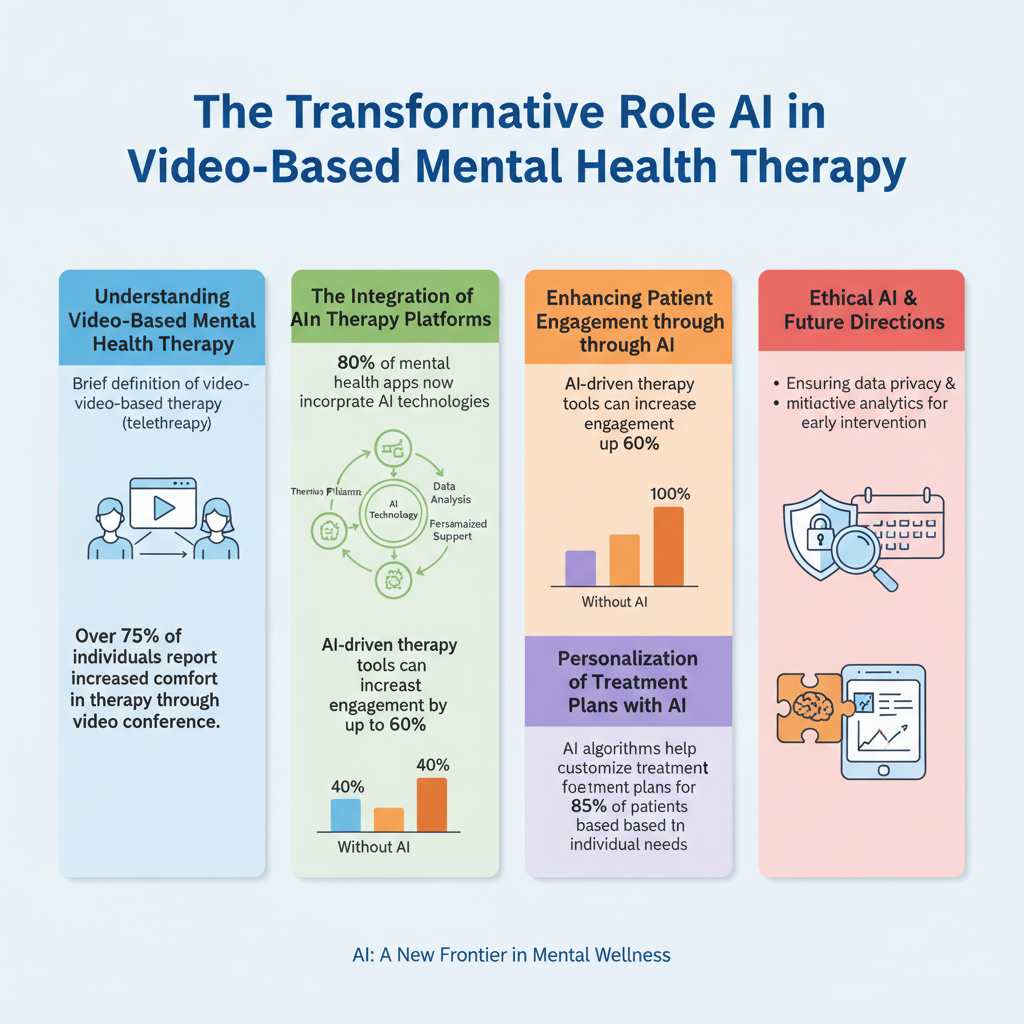
The rise of telehealth services has been propelled by various factors, including the COVID-19 pandemic, which forced many to seek remote solutions for their health needs. According to a report from the American Psychological Association, teletherapy usage surged by over 50% during the pandemic, highlighting its importance in maintaining mental health services when traditional in-person visits were not feasible. This shift has not only normalized remote therapy but has also demonstrated its effectiveness, leading to lasting changes in how mental health services are delivered.
The Integration of AI in Therapy Platforms

AI is making significant inroads into therapy platforms, enhancing the way therapists interact with their patients. One of the primary ways AI is utilized is through algorithms that analyze patient data to glean insights into their mental health status, preferences, and treatment responses. For instance, AI can identify patterns in a patient’s speech and behavior during video sessions, providing therapists with valuable information to adapt their approaches.
Several AI-driven platforms are already making waves in the mental health space. For example, Woebot is an AI chatbot that uses cognitive behavioral therapy principles to engage users in meaningful conversations. By analyzing user input, Woebot can provide tailored support and resources, making therapy more accessible and interactive for those who may not yet be ready for traditional therapy sessions. Similarly, platforms like Wysa offer AI-driven mental health support, enabling users to access immediate help through text-based interactions before engaging with a human therapist.
Enhancing Patient Engagement through AI
AI tools are revolutionizing the way therapists engage with their patients by facilitating interactive therapy sessions. For instance, AI can provide real-time feedback during sessions, helping therapists adapt their techniques based on the patient’s emotional responses. This immediate adaptability can enhance the therapeutic experience and create a more dynamic environment for healing.
Chatbots and virtual assistants are also playing a crucial role in maintaining patient engagement outside of scheduled therapy sessions. These tools can remind patients of their therapy goals, provide coping strategies during moments of crisis, or even offer guided mindfulness exercises. For example, apps like Calm and Headspace incorporate AI-driven features that suggest personalized content based on user preferences and behaviors, keeping mental health practices front and center in daily life.
Personalization of Treatment Plans with AI
One of the most exciting prospects of AI in mental health therapy is its ability to personalize treatment plans to individual needs. Machine learning algorithms can analyze vast amounts of data from previous patients, identifying effective strategies tailored to specific demographics and conditions. This means that therapy is no longer a one-size-fits-all approach; rather, it can be customized based on a patient’s unique background, preferences, and responses to treatment.
Several case studies have highlighted the effectiveness of AI-driven personalized approaches in therapy. For example, researchers at Stanford University developed an AI system that predicts patient outcomes based on specific treatment modalities. By comparing past patient data, the system can recommend the most effective therapeutic interventions, ultimately improving outcomes and increasing patient satisfaction. This level of personalization not only enhances the therapeutic experience but also empowers patients by involving them in their treatment journey.
Ethical Considerations and Challenges
While the integration of AI in mental health therapy offers many benefits, it is essential to address ethical considerations and challenges that arise. Privacy concerns are paramount, as mental health data is highly sensitive. Ensuring that patient information is securely stored and handled is crucial in maintaining trust between patients and therapists. Many platforms are beginning to implement robust data protection measures, but ongoing vigilance is necessary.
Another critical aspect is the importance of maintaining human oversight in AI-assisted therapy. While AI can provide valuable insights and support, it should not replace the human connection that is fundamental to effective therapy. A compassionate therapist can recognize nuances in a patient’s emotional state that an algorithm might miss. Therefore, a hybrid approach that combines AI tools with human expertise may offer the best outcomes for patients.
Future Trends in AI and Mental Health Therapy
Looking ahead, the evolution of AI technologies in therapy is likely to continue at a rapid pace. Predictions suggest that AI will become increasingly sophisticated, allowing for more accurate assessments of mental health conditions and more personalized treatment recommendations. As machine learning algorithms become more advanced, they will be able to analyze diverse data sources, including genetic information and lifestyle factors, to create comprehensive treatment plans.
Additionally, AI holds the potential to address mental health disparities by making care more accessible to underserved populations. With teletherapy and AI-driven platforms, individuals in rural or low-income areas can access mental health resources that were previously unavailable. This democratization of mental health care could lead to improved outcomes for countless individuals who may have otherwise gone without support.
The integration of AI in video-based mental health therapy is transforming how care is delivered and received, offering personalized, engaging, and accessible solutions. As the field evolves, it’s crucial for both practitioners and patients to stay informed about these advancements and embrace the positive changes they bring. Consider exploring AI-driven therapy options or discussing them with your mental health provider to enhance your therapeutic journey.
Frequently Asked Questions
What is the role of AI in video-based mental health therapy?
AI plays a crucial role in video-based mental health therapy by enhancing the therapeutic experience through personalized interactions and data analysis. By utilizing algorithms, AI can analyze patient responses and behaviors in real-time, enabling therapists to tailor their approaches to meet individual needs. This technology can also assist in identifying patterns in mental health conditions, leading to more effective treatment plans and outcomes.
How does AI improve the accessibility of mental health therapy through video platforms?
AI significantly improves accessibility by offering scalable solutions that can reach a broader audience. With AI-driven chatbots and virtual assistants, individuals can receive immediate support and resources without waiting for a traditional therapy appointment. Additionally, AI can help identify users who may be at risk and direct them to appropriate mental health services, making therapy more accessible to those in remote or underserved areas.
Why should I consider AI-driven video therapy over traditional in-person sessions?
AI-driven video therapy offers several advantages over traditional in-person sessions, including convenience, flexibility, and a potentially lower cost. Patients can engage in therapy from the comfort of their homes, reducing barriers such as travel and scheduling conflicts. Moreover, AI can provide real-time feedback and insights that may enhance the therapeutic process, making it a valuable option for those looking for modern, tech-savvy solutions to mental health support.
What are the best AI tools used in video-based mental health therapy?
Some of the best AI tools in video-based mental health therapy include Woebot, Wysa, and Youper, which use conversational AI to provide emotional support and coping strategies. These platforms often incorporate cognitive-behavioral techniques and mindfulness practices, allowing users to engage with mental health resources at their own pace. Additionally, platforms like Talkspace and BetterHelp leverage AI to match users with therapists suited to their specific needs and preferences.
Which mental health conditions can benefit from AI-assisted video therapy?
AI-assisted video therapy can benefit a wide range of mental health conditions, including anxiety disorders, depression, PTSD, and stress-related issues. By providing personalized treatment options and continuous monitoring, AI can help therapists track progress and adjust interventions accordingly. This technology is particularly effective for individuals who may struggle with traditional therapy formats, offering an interactive and engaging alternative to address their mental health challenges.
References
- https://en.wikipedia.org/wiki/Artificial_intelligence_in_healthcare
- https://www.ncbi.nlm.nih.gov/pmc/articles/PMC7302447/
- https://www.psychologytoday.com/us/blog/modern-mentality/202005/the-role-ai-mental-health
- https://www.frontiersin.org/articles/10.3389/fpsyg.2020.01547/full
- https://www.theguardian.com/society/2021/aug/12/ai-mental-health-therapy
- https://jamanetwork.com/journals/jama/fullarticle/2778283
- https://www.ncbi.nlm.nih.gov/pmc/articles/PMC7737104/
- https://www.ama-assn.org/delivering-care/public-health/how-ai-can-support-mental-health-care