

Edge AI significantly enhances security camera processing by enabling real-time data analysis and reducing latency. This transformative technology allows cameras to process information locally, minimizing reliance on centralized cloud systems, which in turn improves response times and safeguards privacy. In this article, we’ll explore how Edge AI transforms security camera functionality, its benefits, and its implications for future surveillance systems.
Understanding Edge AI
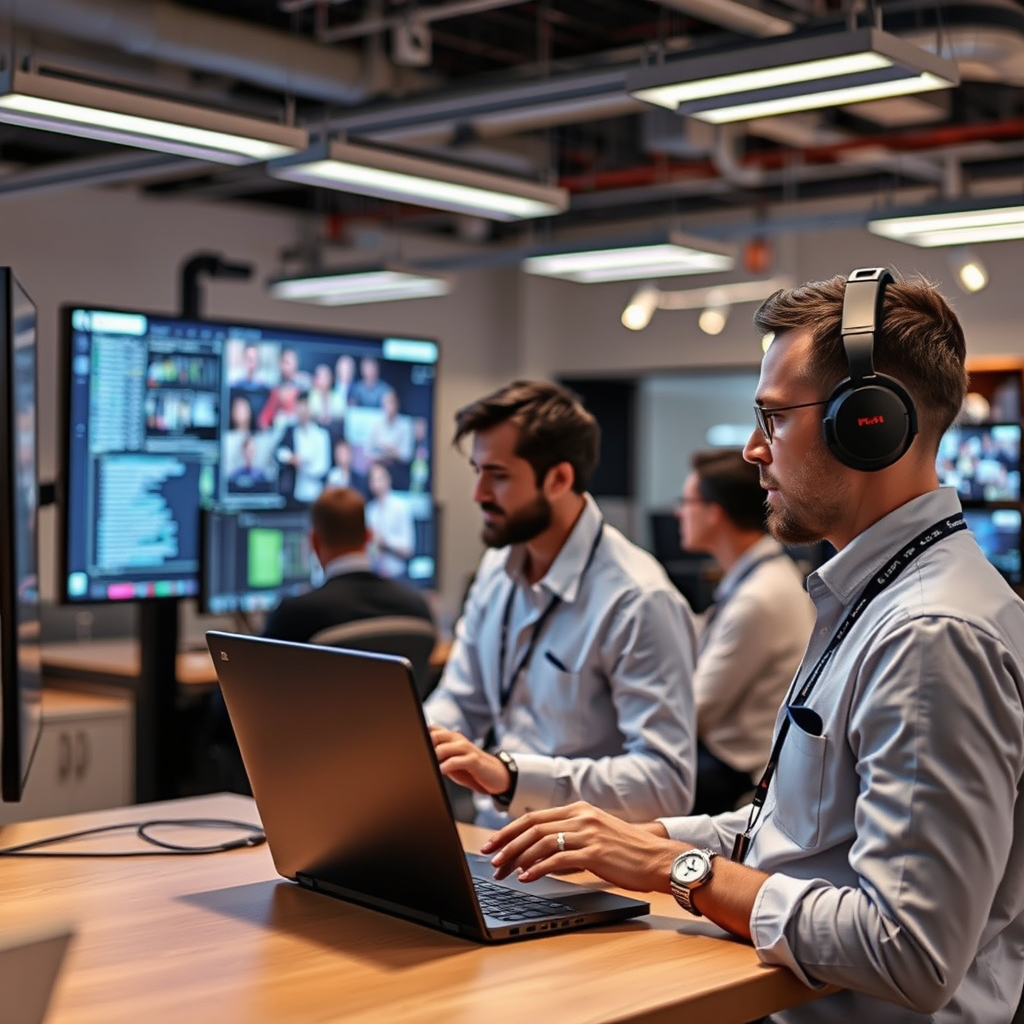
Edge AI refers to the integration of artificial intelligence (AI) algorithms within the devices at the edge of the network, such as security cameras. Instead of sending all data to a remote cloud server for processing, edge AI allows devices to analyze data locally. This is particularly significant in data processing since it reduces the time it takes to convert raw data into actionable insights.
When comparing edge computing to traditional cloud-based processing, the differences become clear. Cloud-based systems rely heavily on centralized servers, which can introduce delays due to data transmission time and server response time. In contrast, edge computing processes data closer to the source, resulting in faster decision-making. This is crucial for security cameras, where every second counts in threat detection and response.
Benefits of Edge AI in Security Cameras

One of the most compelling advantages of Edge AI in security cameras is real-time analysis, which allows for immediate threat detection and response. Imagine a security camera that can identify unauthorized access or suspicious behavior the moment it occurs; this capability can dramatically reduce response times for security personnel, potentially preventing crime before it happens. For instance, if a camera detects a person loitering in a restricted area, it can immediately alert security staff through real-time notifications.
Additionally, Edge AI significantly reduces bandwidth usage by minimizing the amount of data transmitted to the cloud. Traditional systems often rely on constant video streaming, which consumes substantial network resources. With Edge AI, only relevant data—such as video clips of detected activity—needs to be sent to the cloud for storage or further analysis. This not only streamlines operations but also cuts down on costs related to data transmission and storage.
Enhanced Privacy and Security
Privacy is a growing concern in the digital age, particularly when it comes to surveillance systems. Local processing offered by Edge AI limits data exposure, as sensitive information can be kept on-site instead of being transmitted to external servers. This approach helps mitigate the risk of data breaches and unauthorized access, thereby enhancing the overall security of the surveillance system.
Moreover, Edge AI can assist organizations in complying with regulations regarding data privacy and protection. For example, the General Data Protection Regulation (GDPR) in Europe mandates strict guidelines on how personal data is collected, processed, and stored. By processing data locally, organizations can more easily adhere to these regulations, ensuring that they respect individuals’ privacy rights while still leveraging surveillance technologies.
Use Cases of Edge AI in Surveillance
The implementation of Edge AI in security cameras is making waves across various industries. In retail, for instance, stores can utilize edge-enabled cameras to monitor foot traffic, detect shoplifting, and analyze customer behavior in real time. A notable example is a chain of convenience stores that integrated edge AI technology and successfully reduced theft by promptly identifying suspicious activities and alerting staff.
Transportation is another sector that benefits greatly from Edge AI. Smart traffic cameras equipped with edge AI can analyze vehicle flows and detect accidents or traffic violations instantly. For example, cities like San Francisco have begun to implement edge AI in their traffic cameras to improve traffic management and enhance public safety.
In each of these cases, organizations have reported improved operational efficiency and heightened security measures, demonstrating the tangible benefits of adopting Edge AI technology in surveillance systems.
Challenges and Considerations
Despite its advantages, Edge AI technology is not without limitations. One of the primary challenges is the processing power available at the edge. While many edge devices are increasingly capable, they may still struggle with complex algorithms or high-resolution video streams. Organizations need to assess their specific needs when choosing edge AI solutions to ensure they have adequate processing capabilities.
Another consideration is scalability. As the number of cameras or the volume of data increases, maintaining performance can become challenging. Organizations must plan for future growth and choose scalable solutions that can accommodate increased demands without compromising performance.
Lastly, balancing performance with privacy concerns is crucial. While local processing enhances privacy, organizations must ensure that their edge AI systems are secure and protected against cyber threats, which could undermine the privacy measures they seek to uphold.
Future Trends in Edge AI for Security Cameras
Looking ahead, the future of Edge AI in security cameras is promising, with several technological advancements on the horizon. One of the most exciting trends is the integration of machine learning and deep learning capabilities into edge devices. These technologies will enable cameras to not only recognize objects but also learn from past data to improve their accuracy over time.
Additionally, we can expect to see increased collaboration between edge AI devices and other IoT (Internet of Things) systems. For example, smart buildings may integrate edge AI cameras with environmental sensors to create a comprehensive security and monitoring system that enhances both safety and energy efficiency.
Finally, as the technology matures, we may witness a reduction in costs associated with Edge AI solutions, making them more accessible to small and medium-sized enterprises. This democratization of advanced surveillance technology could lead to more widespread adoption and further innovations in security practices.
The integration of Edge AI into security camera processing is revolutionizing the way surveillance systems operate. By providing faster, more efficient data handling while enhancing privacy, Edge AI paves the way for smarter and more secure environments. For those looking to upgrade their security systems, exploring Edge AI solutions is a crucial next step. As technology continues to evolve, embracing these advancements will be key to staying ahead in the ever-changing landscape of security and surveillance.
Frequently Asked Questions
What is Edge AI and how does it enhance security camera processing?
Edge AI refers to the use of artificial intelligence algorithms and data processing at the edge of the network, close to the data source, rather than relying solely on centralized cloud systems. In security camera processing, Edge AI enhances performance by enabling real-time video analysis, reducing latency, and decreasing bandwidth usage. This allows for immediate threat detection and response, improving overall security efficiency.
How does Edge AI improve the efficiency of security camera systems?
Edge AI improves the efficiency of security camera systems by performing data processing locally on the camera itself or nearby devices. This reduces the amount of data that needs to be transmitted to the cloud, leading to faster processing times and reduced network congestion. Consequently, security teams can receive alerts and insights in real-time, enabling quicker decision-making and response to potential security threats.
Why is Edge AI becoming essential for modern security camera solutions?
Edge AI is becoming essential for modern security camera solutions due to the increasing demand for real-time surveillance and the growing complexity of security threats. With the ability to analyze footage on-site, Edge AI minimizes delays associated with data transmission to the cloud, ensuring timely alerts for suspicious activities. Additionally, as privacy concerns rise, processing data locally helps in maintaining user confidentiality while still delivering robust security features.
What are the best use cases for Edge AI in security camera applications?
The best use cases for Edge AI in security camera applications include facial recognition, anomaly detection, and behavior analysis. These capabilities allow security systems to automatically identify individuals, recognize unusual patterns, or detect potential threats, enhancing overall situational awareness. Industries such as retail, transportation, and critical infrastructure benefit significantly from these advanced features, leading to more proactive security measures.
Which advantages does Edge AI offer over traditional security camera processing methods?
Edge AI offers several advantages over traditional security camera processing methods, including lower latency, reduced bandwidth costs, and enhanced privacy protection. By processing data at the edge, security cameras can analyze video feeds instantly, minimizing the time taken to detect and address security concerns. Additionally, since less data is transmitted to the cloud, it reduces the risk of data breaches and helps organizations comply with privacy regulations more effectively.
References
- Edge computing
- https://www.nist.gov/publications/guide-edge-computing
- https://www.sciencedirect.com/science/article/pii/S1386372319300449
- https://www.bbc.com/news/technology-57722976
- https://www.researchgate.net/publication/342479685_Edge_AI_for_Security_Cameras
- https://www.ibm.com/watson-iot/solutions/edge-ai/
- https://www.techrepublic.com/article/how-edge-ai-can-improve-security-camera-systems/
- https://www.ncbi.nlm.nih.gov/pmc/articles/PMC7987000/