

Next-generation HDR (High Dynamic Range) video standards revolutionize our visual experiences by significantly enhancing brightness, contrast, and color accuracy. These advancements are not just technical jargon; they fundamentally transform how we perceive video content, making it more immersive and lifelike. By diving into the scientific principles and technological breakthroughs behind these standards, we can better appreciate the evolution of video quality and the viewing experiences they offer.
Understanding HDR: A Brief Overview
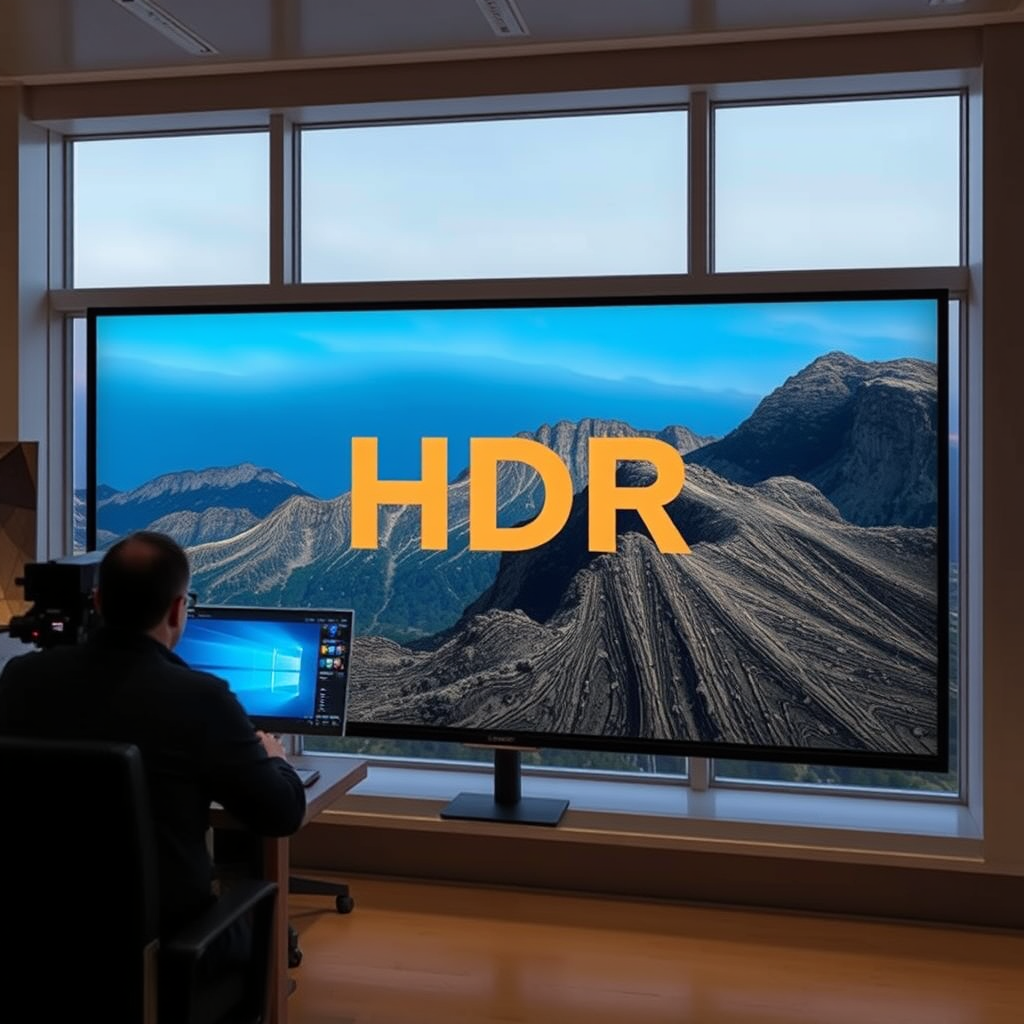
At its core, HDR stands for High Dynamic Range, a term that refers to the range of luminance levels in video content. Traditional video displays often struggle to represent the extremes of brightness and darkness, resulting in washed-out images. HDR addresses this limitation by allowing for deeper blacks and brighter whites, creating a more realistic representation of images. With HDR, viewers can experience a broader spectrum of light and shadow, which closely mimics how the human eye perceives the real world.
For example, in a scene depicting a sunset, traditional video might struggle to capture the nuances of orange, pink, and purple hues blending into the darkening sky. HDR, on the other hand, brings those colors to life, allowing viewers to see details that would typically be lost in the shadows or highlights. This ability to showcase a more extensive range of luminance makes HDR a game-changer in video technology, enhancing everything from films to video games and streaming content.
Key Technologies Driving Next-Gen HDR

The advancements in HDR technology are largely powered by two key innovations: Dynamic Metadata and Wide Color Gamut (WCG).
– Dynamic Metadata: Unlike static metadata, which provides a fixed set of parameters for brightness and color, dynamic metadata allows for scene-by-scene adjustments. This means that different parts of a video can be optimized for brightness and color levels, enhancing overall picture quality. For instance, in a movie where a character stands in a dimly lit room with a bright window behind them, dynamic metadata ensures that both the shadows and highlights are rendered accurately, providing a clearer and more engaging viewing experience.
– Wide Color Gamut (WCG): This technology expands the range of colors that can be displayed on screen, leading to more vibrant and lifelike images. Traditional color spaces, like sRGB, can only represent a limited range of colors. In contrast, WCG supports a broader spectrum, enabling filmmakers to capture and present vivid colors that were previously unattainable. For example, in animated films, WCG allows for richer colors in character designs and environments, contributing to a more immersive storytelling experience.
Together, dynamic metadata and WCG set the stage for a more engaging and visually stunning experience, making next-generation HDR a must-have for any serious video enthusiast.
The Role of Standards Organizations
Standards organizations play a vital role in the development and implementation of HDR technology. Groups like the International Telecommunication Union (ITU) and the Society of Motion Picture and Television Engineers (SMPTE) work tirelessly to establish guidelines that ensure consistency and compatibility across devices and platforms. These standards are crucial in bringing various manufacturers and content providers together, helping them adhere to a common framework that enhances user experience.
For example, the ITU’s BT.2100 specification defines the technical requirements for HDR television and is instrumental in ensuring that HDR content can be enjoyed across different devices, from high-end televisions to smartphones. By facilitating interoperability, these organizations help consumers feel confident that their HDR-enabled devices will deliver the quality they expect, regardless of the brand or platform.
Moreover, the ongoing collaboration between these organizations and industry stakeholders ensures that HDR standards evolve alongside technological advancements, keeping pace with innovations in display technology and content creation.
Impact of HDR on Content Creation
The advent of HDR technology has significantly impacted content creation, providing filmmakers and content creators with new tools to produce visually stunning works. With HDR, creators can elevate their storytelling by offering viewers an enriched visual experience that captures attention and emotion.
For instance, films like “Blade Runner 2049” and “The Mandalorian” have utilized HDR to enhance their cinematic aesthetic. The filmmakers can use HDR to manipulate light and shadow in ways that were previously impossible, creating a more immersive atmosphere. However, implementing HDR in production requires new techniques and specialized equipment, such as advanced cameras capable of capturing HDR footage and monitors that can display the full range of colors and brightness levels.
Content creators must also adapt their workflows to accommodate HDR, often requiring additional training and resources. This shift in production practices reflects a broader trend in the industry, where HDR is increasingly becoming the standard for high-quality content creation.
Consumer Awareness and Adoption
As consumers become more aware of the benefits of HDR, the demand for compatible devices and content continues to rise. Popular streaming services like Netflix and Amazon Prime Video are now actively producing HDR content, making it more accessible to everyday viewers. This shift has prompted manufacturers to prioritize HDR capabilities in their televisions, projectors, and mobile devices.
However, increasing consumer awareness is crucial for driving adoption rates. Educational campaigns that explain HDR’s advantages—such as improved picture quality and a more immersive viewing experience—can help consumers make informed decisions when purchasing new devices. Retailers can also play a role by showcasing HDR content in stores, allowing potential buyers to experience the difference firsthand.
As more consumers embrace HDR technology, we can expect a broader shift in viewing habits, with HDR becoming the norm rather than an option. This change could lead to more content being produced in HDR, further enriching the landscape of visual media.
The Future of HDR Technology
The future of HDR technology looks promising, with ongoing advancements likely to enhance the experience even further. Potential improvements include better compression methods that allow for higher quality video streams without overwhelming bandwidth, making HDR content more accessible for everyone.
Moreover, as emerging technologies like 8K resolution and Virtual Reality (VR) gain traction, HDR will play a crucial role in delivering breathtaking visuals. The integration of HDR with these technologies could lead to experiences that are not only more visually appealing but also more engaging and interactive.
Ongoing research into HDR standards aims to refine and enhance these technologies, making them more approachable for consumers and creators alike. As the industry continues to innovate, we can expect HDR to evolve alongside our viewing preferences, ensuring that it remains a vital part of future video experiences.
The advancements in next-generation HDR video standards are reshaping how we experience visual media, delivering richer and more immersive content. By understanding the science and technology behind these standards, viewers can appreciate the evolution of video quality and make informed decisions when choosing HDR-enabled devices. Explore your options and immerse yourself in the future of video technology today!
Frequently Asked Questions
What are the key differences between HDR10, HDR10+, and Dolby Vision in next-gen HDR video standards?
HDR10 is the baseline standard for High Dynamic Range (HDR) content, offering static metadata for color and brightness. HDR10+ enhances this with dynamic metadata, allowing scenes to be adjusted individually for more accurate brightness and color representation. Dolby Vision takes it further by supporting 12-bit color depth and advanced dynamic metadata, providing a more immersive viewing experience. Understanding these differences helps consumers choose the right HDR format for their devices and content.
How does HDR technology improve the viewing experience compared to standard dynamic range (SDR)?
HDR technology significantly enhances the viewing experience by expanding the color gamut and increasing contrast between the brightest whites and the darkest blacks. This results in more vivid and lifelike images, allowing viewers to see details that would be lost in SDR. By delivering brighter highlights and a wider range of colors, HDR creates a more immersive environment, making it ideal for watching movies, playing video games, or enjoying sports.
Why is it essential for devices to support next-gen HDR standards for optimal performance?
Supporting next-gen HDR standards is crucial for devices because it ensures compatibility with the latest content and maximizes the potential of high-quality video sources. Without HDR support, users will not experience the full range of colors and dynamic contrasts intended by filmmakers. Investing in devices that comply with HDR10+, Dolby Vision, or other advanced standards guarantees a future-proof viewing experience as more content embraces these technologies.
What types of content are available in next-gen HDR formats, and how can I access them?
A wide variety of content is available in next-gen HDR formats, including blockbuster movies, popular TV shows, and original streaming series on platforms like Netflix, Disney+, and Amazon Prime Video. Many Blu-ray discs are also released with HDR support. To access HDR content, ensure your streaming device or Blu-ray player supports the desired HDR format and that your TV is HDR-capable, allowing you to enjoy the enhanced visuals.
Which TVs are recommended for experiencing the best next-gen HDR video quality?
For the best next-gen HDR video quality, look for TVs that support advanced HDR standards like Dolby Vision, HDR10+, and have features such as local dimming and high peak brightness. Brands like LG, Sony, and Samsung offer premium models that excel in HDR performance. It’s also important to consider the TV’s color accuracy and processing capabilities, as these factors significantly influence the overall viewing experience. Reading expert reviews and user feedback can help you make an informed decision when selecting an HDR-capable television.
References
- High-dynamic-range television
- https://www.itu.int/en/ITU-T/recommendations/series/
- Quantum error correction of a qubit encoded in grid states of an oscillator | Nature
- https://www.theverge.com/2020/10/5/21501396/hdr-video-explained-next-gen-standards
- https://www.techhive.com/article/3276710/what-is-hdr-video.html
- https://www.cnet.com/tech/home-entertainment/hdr-the-next-gen-video-standard-explained/
- https://www.sciencedirect.com/science/article/pii/S1877050919313414
- https://www.bbc.com/future/article/20210125-how-hdr-is-changing-the-way-we-watch-tv
- https://www.npr.org/2020/01/12/786024422/hdr-explained-what-is-high-dynamic-range-video-and-why-you-should-care