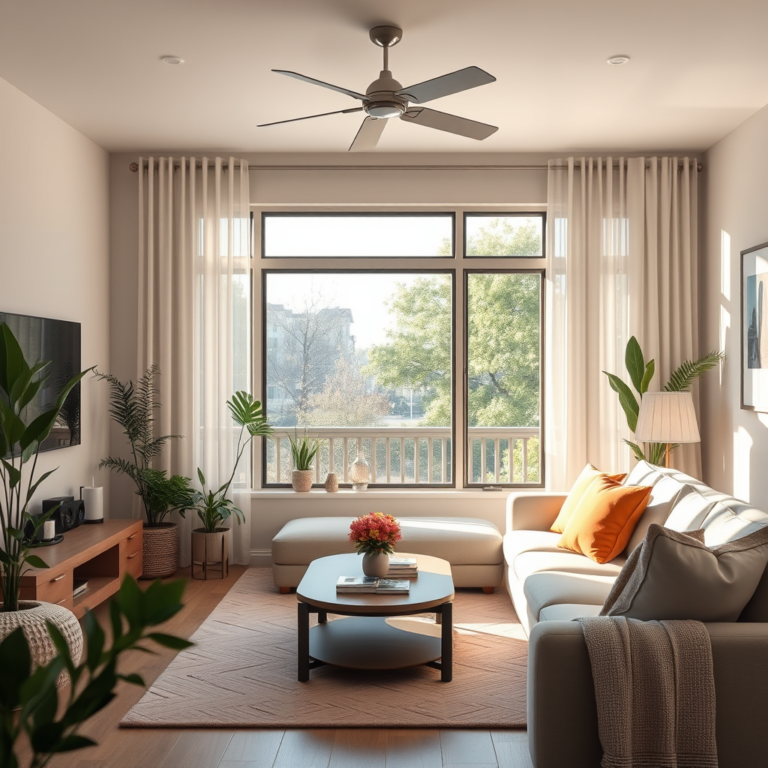

Getting better sound quality from budget audio systems is possible with a few strategic adjustments and enhancements. By focusing on the right components, placement, and settings, you can significantly elevate your audio experience without breaking the bank. This article will guide you through essential tips to achieve superior sound quality on a budget.
Optimize Speaker Placement
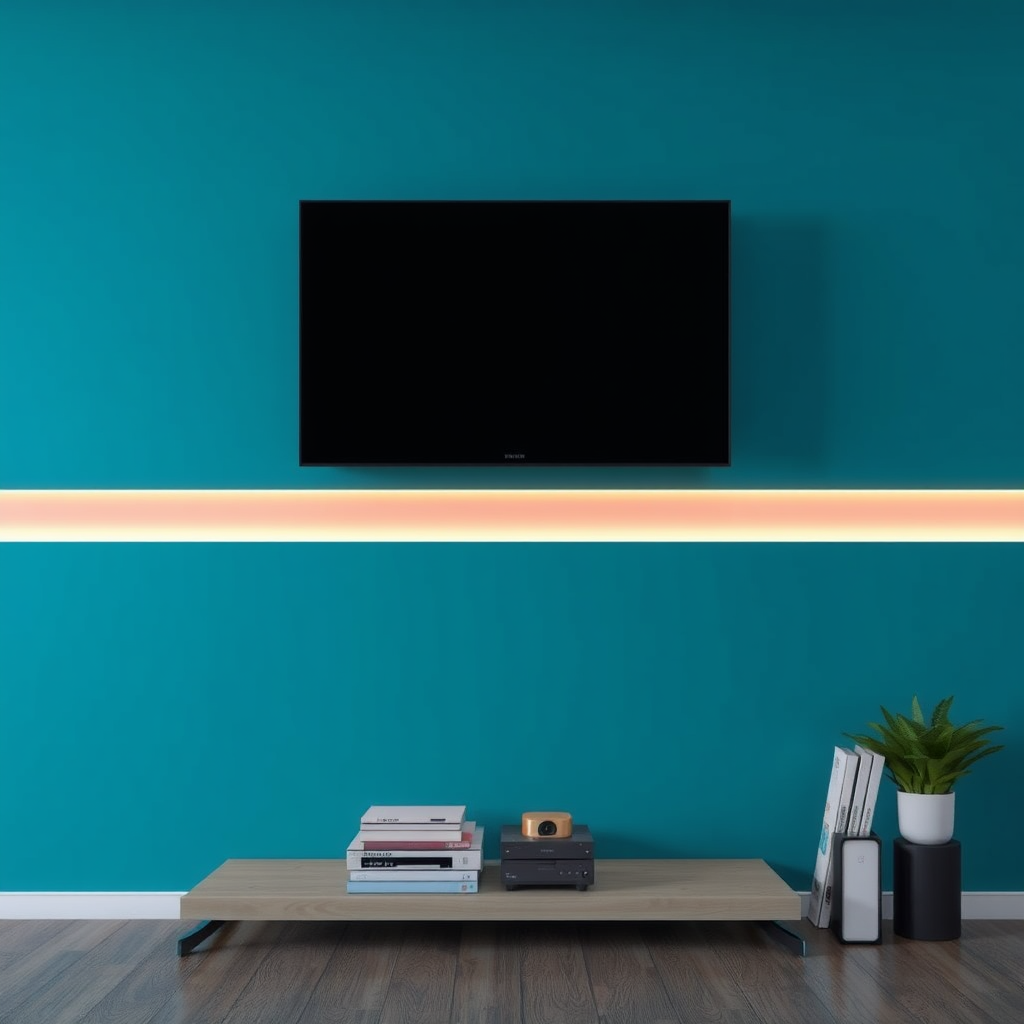
Positioning your speakers correctly can have a profound impact on sound quality. For optimal sound projection, aim to place your speakers at ear level. This alignment allows the sound waves to travel directly toward your ears, enhancing clarity and detail. If the speakers are too high or too low, you may miss out on the full range of frequencies.
Additionally, experimenting with the distance of your speakers from walls can yield significant results. Walls can create unwanted bass reflections, making the sound muddy or boomy. A general rule of thumb is to keep your speakers at least a few feet away from walls, adjusting gradually to find the sweet spot where sound clarity improves. Consider using a measuring tape to ensure consistent placement as you test various configurations.
Upgrade Your Source Material
The quality of your audio files or streaming service directly influences your listening experience. To maximize sound clarity, opt for high-resolution audio files, such as FLAC or WAV formats, which retain more detail compared to standard MP3 files. Many streaming services now offer high-fidelity options, so consider subscribing to platforms like Tidal or Amazon Music HD for superior audio quality.
Moreover, it’s essential to avoid compressed formats that compromise audio fidelity. While convenience may tempt you to use lower-quality files, the listening experience might suffer. Take the time to curate a library of high-quality tracks that allow your audio system to shine.
Invest in Quality Cables
Many consumers overlook the importance of audio cables, but investing in quality cables can significantly enhance sound performance. Choose well-shielded cables to minimize interference from other electronic devices, which can introduce noise and degrade sound quality. Additionally, consider upgrading to a thicker speaker wire gauge, as this can improve the efficiency of the power transfer from your amplifier to your speakers.
For those using RCA cables, ensure they are of high quality and designed for audio applications. Avoid budget cables, as they may lead to signal loss or interference, ultimately diminishing your listening experience.
Top 7 Budget Audio Accessories for Quality Sound (2024)
| # | Accessory | Type | Price ($) | Quality Rating |
|---|---|---|---|---|
| 1 | Mediabridge Speaker Wires | Speaker Wire | 25 | ★★★★☆ |
| 2 | AmazonBasics RCA Audio Cable | RCA Cable | 12 | ★★★★☆ |
| 3 | Mogami Gold Speaker Cable | Speaker Wire | 50 | ★★★★★ |
| 4 | Mogami Gold RCA Cable | RCA Cable | 70 | ★★★★★ |
| 5 | Mediabridge Subwoofer Cable | Subwoofer Cable | 30 | ★★★★☆ |
| 6 | JBL Professional 1/4″ TRS Cable | TRS Cable | 18 | ★★★★☆ |
| 7 | Cable Matters RCA to XLR Adapter | Adapter | 15 | ★★★★☆ |
Adjust Your Audio Settings
Fine-tuning your audio settings can also lead to a noticeable improvement in sound quality. Most audio systems come equipped with an equalizer, allowing you to customize the sound frequencies. Take the time to play with the settings to enhance bass, midrange, or treble according to your listening preferences. For instance, if you enjoy bass-heavy music, slightly boosting the lower frequencies can enrich your experience.
Moreover, if your system features different sound modes—such as “Jazz,” “Rock,” or “Classical”—experiment with these options to see which setting best complements your music genre. Some systems may even allow for personalized presets, so don’t hesitate to create a configuration that suits your taste.
Audio Settings Adjustments and Preferences
Enhance Your Room Acoustics
The acoustics of your room can greatly influence the overall sound quality of your audio system. To enhance your listening experience, consider incorporating sound-absorbing materials, such as rugs, carpets, and heavy curtains. These elements can help to reduce echoes and prevent sound waves from bouncing around the room, which often leads to a muddled listening experience.
Moreover, decluttering your space can also improve acoustics. Excess furniture and décor can obstruct sound waves, causing distortion. If possible, aim for a more open layout that allows sound to travel freely. You might also consider adding acoustic panels or foam to the walls, strategically placed to absorb sound and improve clarity.
Consider Adding a Subwoofer
Adding a subwoofer to your audio system can dramatically enhance your low-frequency response, providing a fuller sound experience. A budget-friendly subwoofer can greatly enhance bass reproduction without overwhelming the overall sound balance. When selecting a subwoofer, ensure it complements your existing audio system and is not overpowering.
Aim for a model that allows for adjustable crossover frequency settings, enabling you to tailor the bass response to your preferences. Additionally, consider placement in the room; placing the subwoofer in a corner can amplify bass but may lead to muddiness. Experiment with various locations to find a configuration that delivers the best sound quality.
Explore DIY Modifications
For those willing to delve into DIY projects, there are numerous modifications that can enhance your audio experience. One option is to create your own acoustic panels using affordable materials like rock wool or foam. These panels can be strategically placed on walls to absorb sound waves and improve clarity, providing a more professional sound environment.
DIY speaker stands can also make a significant difference in sound quality. By elevating your speakers to ear level, you can ensure optimal sound dispersion. Simple designs using wood or metal can be both functional and aesthetically pleasing. Moreover, consider adding a layer of isolation pads beneath your speakers to minimize vibrations and improve sound accuracy.
By applying these tips, you can enjoy a richer audio experience without the need for expensive equipment. Start by assessing your current setup and making small adjustments, and you’ll likely be surprised by the improvement in sound quality you can achieve. Consider sharing your results or seeking further guidance as you continue to enhance your audio journey.
Frequently Asked Questions
What are the best budget speakers for improving sound quality in home audio systems?
When looking for budget speakers, consider options like the Edifier R980T or the Micca PB42X, which offer excellent sound clarity and balanced audio without breaking the bank. These speakers are designed to enhance mid-range and treble frequencies, making them ideal for various music genres, ensuring you get the best sound quality for your price.
How can I optimize my room acoustics for better sound quality on a budget?
To optimize your room acoustics, start by positioning your speakers away from walls and corners to reduce bass buildup. You can also use soft furnishings, such as rugs and curtains, to absorb excess sound and create a more balanced listening environment, dramatically improving the overall audio experience without spending much.
Why is speaker placement important for sound quality in budget audio systems?
Speaker placement is crucial because it directly affects sound imaging and clarity. Properly positioning your speakers at ear level and forming an equilateral triangle with your listening position can enhance the stereo effect and create a more immersive listening experience, even with budget audio equipment.
What accessories can I buy to improve sound quality without spending too much?
Affordable accessories like speaker stands, isolation pads, and quality cables can significantly enhance sound quality. Isolation pads can reduce vibrations that distort sound, while good speaker stands ensure optimal height and positioning, allowing your budget audio system to perform at its best.
Which audio settings should I adjust for better sound quality in budget systems?
Adjusting your audio settings such as EQ (equalization) can greatly improve sound quality. Start by boosting the bass frequencies slightly and cutting the high frequencies if they sound harsh, as this can lead to a more balanced and enjoyable sound profile tailored to your personal preferences.
References
- Sound quality
https://en.wikipedia.org/wiki/Sound_quality - https://www.bbc.com/future/article/20200227-how-to-get-better-sound-from-your-speakers
https://www.bbc.com/future/article/20200227-how-to-get-better-sound-from-your-speakers - https://www.sciencedirect.com/topics/engineering/sound-quality
https://www.sciencedirect.com/topics/engineering/sound-quality - https://www.audioholics.com/tips-for-getting-better-sound-quality
https://www.audioholics.com/tips-for-getting-better-sound-quality - https://www.nature.com/articles/s41598-020-68374-3
https://www.nature.com/articles/s41598-020-68374-3 - Google Scholar Google Scholar
https://scholar.google.com/scholar?q=Tips+for+Getting+Better+Sound+Quality+in+Budget+Audio+Systems - Google Scholar Google Scholar
https://scholar.google.com/scholar?q=improving+sound+quality+budget+audio - Google Scholar Google Scholar
https://scholar.google.com/scholar?q=affordable+audio+system+sound+quality - https://www.ox.ac.uk/news/2020-10-30-how-listening-quality-sound-can-improve-your-mood
https://www.ox.ac.uk/news/2020-10-30-how-listening-quality-sound-can-improve-your-mood - Tips for Getting Better Sound Quality in Budget Audio Systems – Search results
https://en.wikipedia.org/wiki/Special:Search?search=Tips+for+Getting+Better+Sound+Quality+in+Budget+Audio+Systems