
Computational photography is revolutionizing the way we take photos with our smartphones, enhancing images through advanced software algorithms that traditional photography techniques simply can’t achieve. This blend of hardware and software allows for stunning results, making it easier than ever to capture the perfect shot in any situation. In this article, you’ll learn about the key techniques, benefits, and future trends of computational photography in the world of mobile devices, helping you unlock the full potential of your smartphone camera.
What Is Computational Photography?

Computational photography refers to the integration of computer algorithms and imaging techniques to improve, enhance, and manipulate photographs taken with digital cameras, particularly smartphones. Its significance in modern smartphone technology lies in how it allows users to achieve professional-quality images without needing photography skills or expensive equipment. Unlike traditional photography, which relies primarily on the camera’s hardware, computational photography leverages software to analyze and process images, enhancing aspects like color, detail, and exposure.
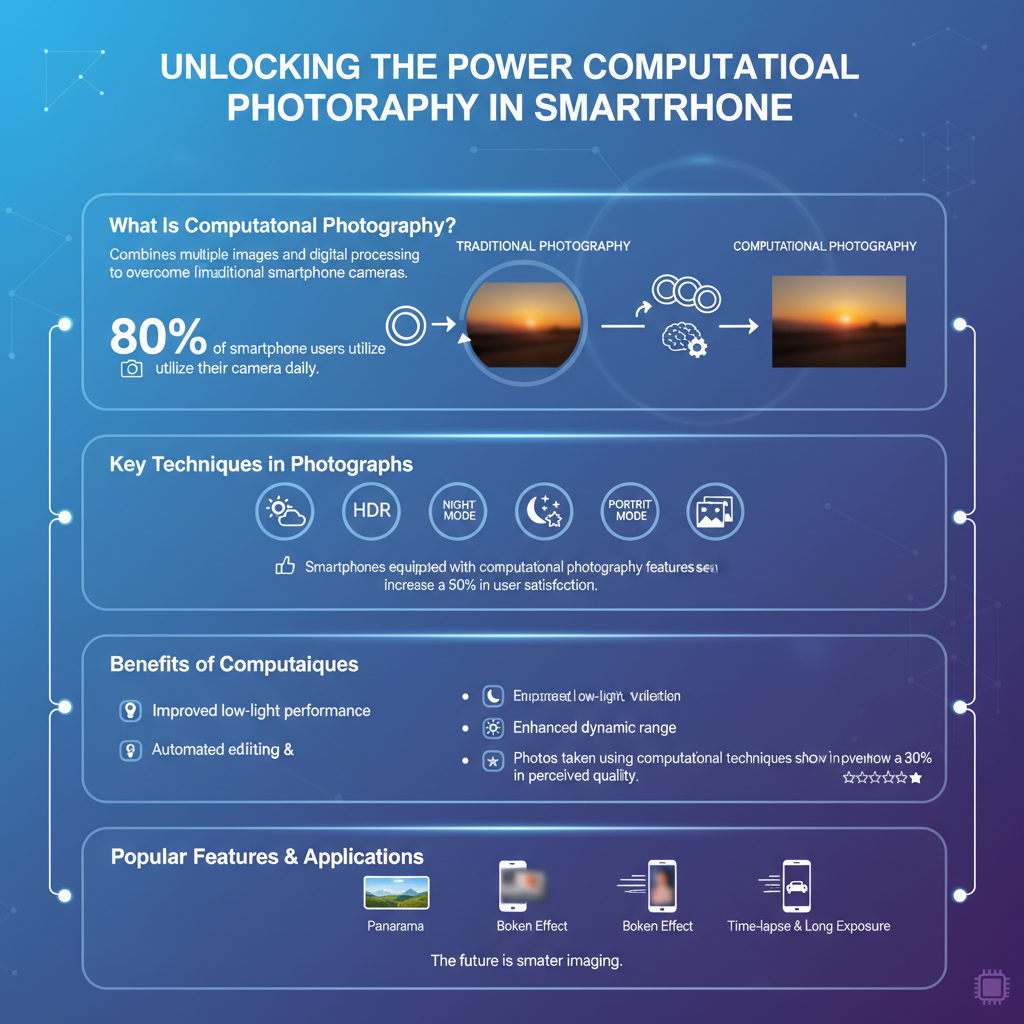
For example, where a traditional camera might struggle to capture a scene with both bright sunlight and deep shadows, computational photography combines multiple exposures to create a balanced image. This is what we see with features like HDR (High Dynamic Range) imaging, which unites various exposures into a single, high-quality photograph. The differences between the two methods highlight how computational photography is not just an enhancement but a revolutionary shift in how we think about capturing images.
Key Techniques in Computational Photography

One of the standout techniques in computational photography is HDR (High Dynamic Range) imaging. This method involves taking several photographs at different exposure levels and merging them into a single image that captures the full dynamic range—from the brightest highlights to the darkest shadows. When you’re photographing a sunset, for instance, HDR ensures that both the vibrant sky and the silhouetted landscape are beautifully represented, creating a more realistic and visually appealing photo.
Another prominent technique is the night mode functionality, which has gained immense popularity in recent years. This feature allows smartphones to take clear and detailed photographs in low-light conditions that would otherwise result in grainy or blurry images. By using longer exposure times, advanced algorithms analyze the scene and reduce noise, ensuring that your night shots capture the atmosphere and detail, whether you’re at a dimly lit restaurant or under the stars.
Benefits of Computational Photography
The benefits of computational photography are numerous, significantly improving image quality and detail retention compared to traditional methods. Thanks to techniques like noise reduction and image stabilization, users can expect clearer, sharper images, even in challenging conditions. For instance, when you’re capturing a fast-moving subject, computational photography can help freeze the action, ensuring that your snapshots are crisp and focused.
Additionally, computational photography offers greater creative control and flexibility in post-processing. With features like digital zoom that leverages AI to enhance detail, users can crop photos without sacrificing quality. This flexibility allows for more artistic expression, encouraging users to explore different styles, whether it’s through filters, adjustments to lighting, or even creating composite images. For example, with the right app, you can transform a simple photo into a work of art with just a few taps, adding layers and effects that would have been difficult to achieve in traditional photography.
Popular Features Leveraging Computational Photography
Smartphones today come equipped with a plethora of features that leverage computational photography, making it easier than ever to achieve stunning results. One popular feature is portrait mode, which creates a professional-looking depth of field effect, blurring the background while keeping the subject in sharp focus. This mimics the effect of a DSLR camera, allowing for striking portraits that draw attention to the subject.
Additionally, AI-driven enhancements and filters have become commonplace, allowing users to apply artistic effects with ease. These features analyze the content of a photo and intelligently adjust colors, contrasts, and lighting to create a polished look. For instance, some smartphones can automatically detect faces and optimize their appearance, making them stand out in group photos without the need for extensive editing.
Challenges and Limitations
Despite the many advantages of computational photography, there are challenges and limitations to consider. One concern is the potential for an over-reliance on software, which might overshadow traditional photography skills. As users become accustomed to the automatic enhancements provided by computational photography, they may neglect the foundational principles of photography, such as lighting, composition, and exposure settings.
Furthermore, issues surrounding image authenticity and manipulation have arisen. In an age where filters and artificial enhancements are readily available, questions about what constitutes a “real” image have become more pressing. This raises ethical considerations, especially in contexts like journalism or social media, where the integrity of an image can be crucial.
The Future of Computational Photography
Looking ahead, the future of computational photography is bright, with several innovations on the horizon. One area of significant advancement is the integration of AI technologies that continually improve image processing capabilities. As AI systems become more sophisticated, we can expect even more accurate enhancements that adapt to various shooting conditions and user preferences.
Moreover, the integration of augmented reality (AR) into computational photography promises to create immersive experiences. Imagine pointing your smartphone camera at a landscape and seeing virtual elements blended into the real world around you. This could change not just how we capture photos but how we interact with our environment and share our experiences.
The evolution of computational photography is reshaping how we capture and share moments through our smartphones. As technology continues to advance, understanding these concepts will help you make the most of your mobile photography experience. Ready to explore the world of computational photography? Grab your smartphone and start experimenting with these techniques today!
Frequently Asked Questions
What is computational photography in smartphones?
Computational photography refers to the use of digital computation to enhance and optimize images captured by smartphone cameras. It involves algorithms and software techniques that improve aspects such as exposure, color balance, and detail enhancement, allowing users to take high-quality photos even in challenging conditions. This technology enables features like HDR (High Dynamic Range), portrait mode, and low-light photography, transforming how we capture and share images.
How does computational photography improve low-light photography in smartphones?
Computational photography enhances low-light photography by using advanced algorithms to combine multiple exposures of the same scene. This process reduces noise and brightens shadows while preserving details in highlights, resulting in clearer and more vibrant images. Features like Night Mode utilize this technology, allowing users to take stunning photos in dimly lit environments without the need for a flash.
Why is computational photography important for smartphone users?
Computational photography is vital for smartphone users because it democratizes photography, making it accessible to everyone regardless of skill level. With advanced image processing techniques, users can achieve professional-looking photos without needing expensive equipment or extensive knowledge of photography principles. This technology allows for creative expression, enabling users to capture moments beautifully and share them instantly on social media.
What are the best features of computational photography in modern smartphones?
Some of the best features of computational photography in modern smartphones include Night Mode for low-light shooting, Portrait Mode for beautiful depth-of-field effects, and Smart HDR for balanced exposure in high-contrast scenes. Additionally, features like Super Res Zoom and AI enhancements for scene recognition further improve image quality and versatility. These tools empower users to take stunning photos in various conditions with ease.
Which smartphones offer the best computational photography capabilities?
As of 2023, flagship smartphones like the iPhone 14 Pro, Google Pixel 7 Pro, and Samsung Galaxy S23 Ultra are known for their exceptional computational photography capabilities. These devices utilize advanced algorithms to deliver impressive image quality, low-light performance, and creative shooting modes. When choosing a smartphone for computational photography, consider factors like camera specs, software updates, and user reviews to ensure you select a device that meets your photography needs.
References
- Computational photography
- https://www.sciencedirect.com/science/article/pii/S0031320319305045
- https://www.nature.com/articles/s41598-019-55233-5
- https://www.theguardian.com/technology/2020/oct/06/google-pixel-5-computational-photography-smartphones
- https://www.bbc.com/future/article/20200925-how-computational-photography-is-changing-the-way-we-capture-images
- https://www.researchgate.net/publication/335659572_The_Rise_of_Computational_Photography_in_Smartphones
- https://www.wired.com/story/computational-photography-smartphones/
- https://www.techcrunch.com/2021/03/15/computational-photography-is-the-future-of-photography/