
Understanding the Basics of Sound Waves
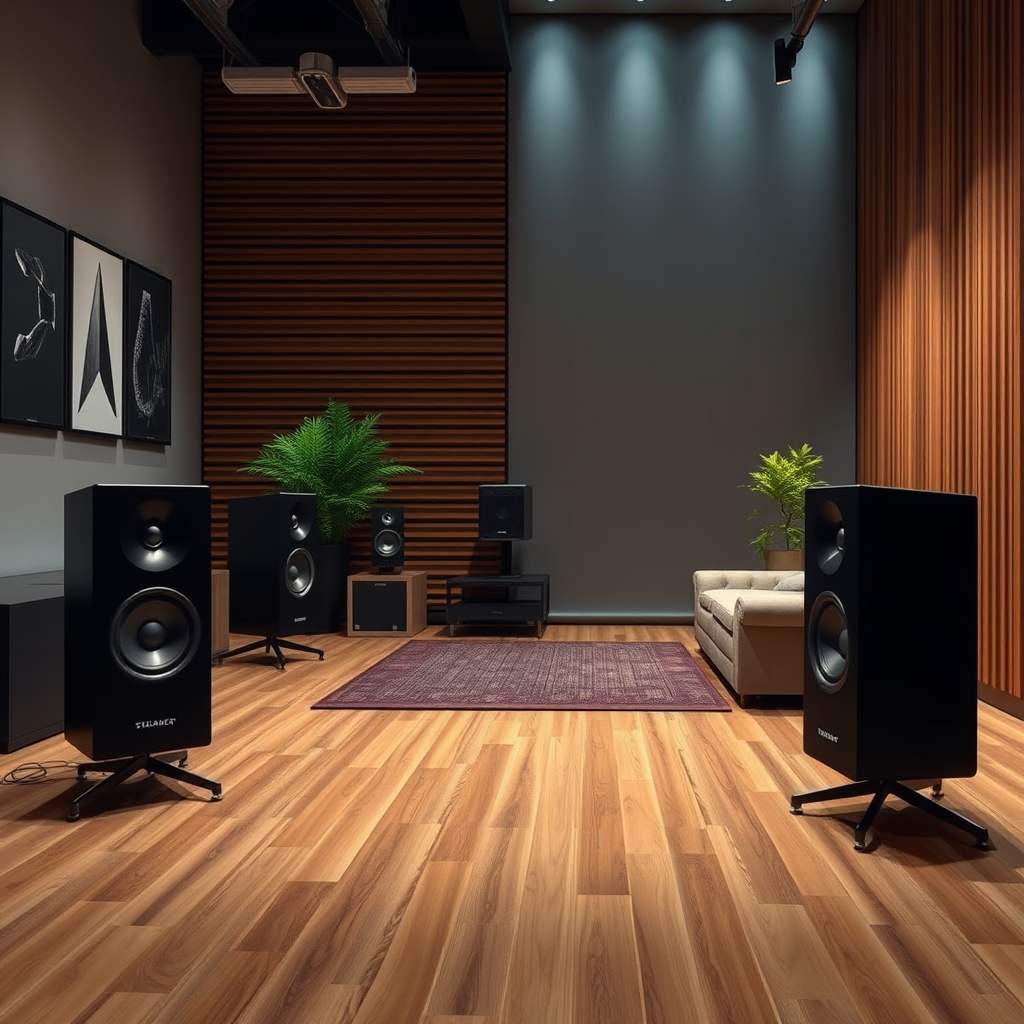
Sound waves travel in specific patterns, influenced by the environment in which they propagate. When speakers are positioned in a room, the distance between them and the walls plays a pivotal role in how sound waves behave. For instance, sound waves can reflect off surfaces, creating echoes or altering the perceived quality of the audio. If speakers are placed too close to walls, reflections can result in muddied sound, particularly in the lower frequencies where bass is prominent.
To achieve high-quality sound, it is essential to understand how sound waves interact with the space. The ideal placement minimizes destructive interference, allowing the direct sound from the speakers to reach the listener’s ears without excessive reflection or absorption by surrounding surfaces. This leads to a clearer and more balanced audio experience.
The Importance of Room Acoustics
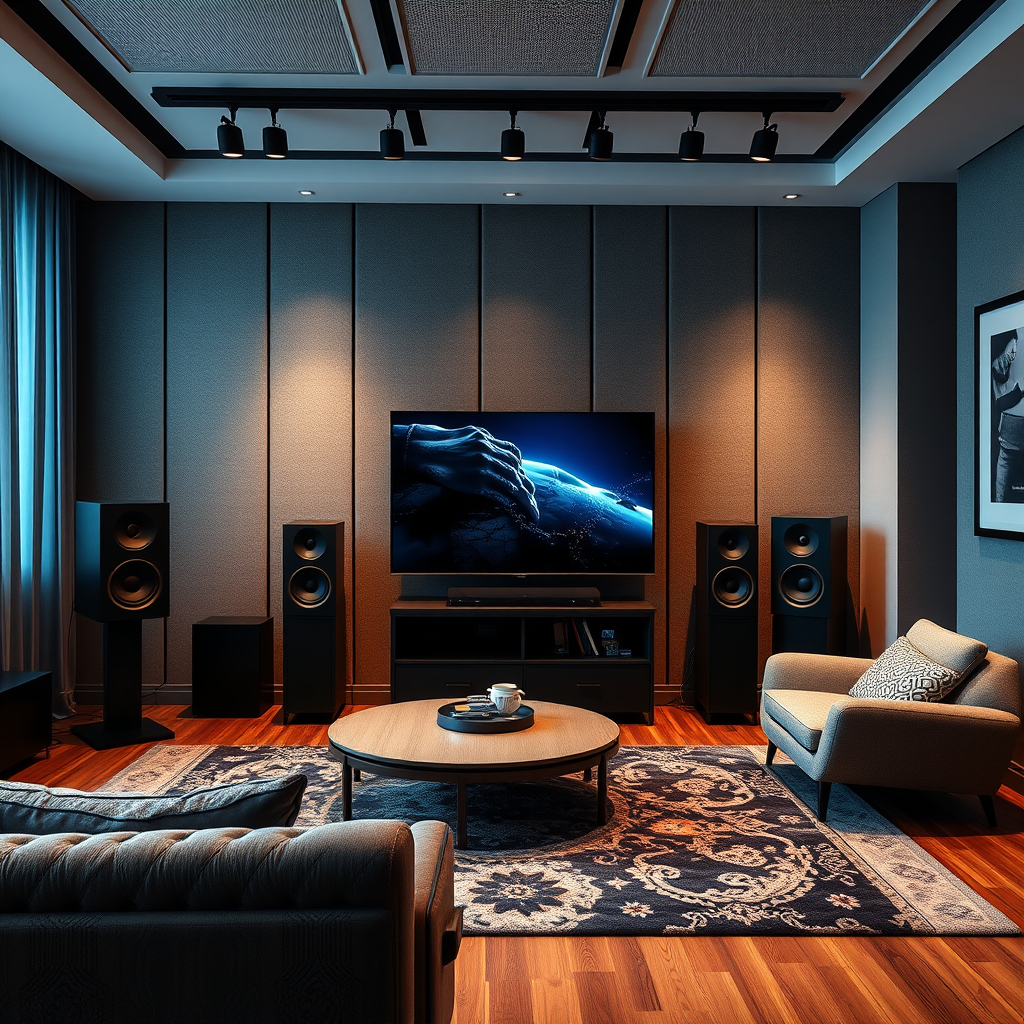
Room acoustics significantly influence audio quality and can either enhance or detract from the listening experience. The shape and materials used in your room will determine how sound waves are absorbed or reflected. For example, a room with hard surfaces like tile or concrete will reflect sound more than a room with carpets and curtains, which absorb sound.
Identifying reflective surfaces, such as windows, mirrors, and bare walls, is crucial when choosing the right speaker placement. Utilizing acoustic treatments such as bass traps, diffusers, and absorptive panels can help optimize the room’s acoustics, ensuring that sound waves interact positively to provide a more immersive listening experience.
Ideal Speaker Configurations
When it comes to speaker configurations, the setup can vary widely based on the intended use. Common configurations include stereo, surround sound, and multi-channel setups, each with specific placement guidelines to maximize soundstage and imaging.
For stereo setups, speakers should be positioned at an equal distance from the listener, forming an equilateral triangle for optimal imaging. In surround sound configurations, the placement of rear and side speakers is crucial for enveloping the listener in a three-dimensional sound environment. Multi-channel setups, often used in home theaters, require careful alignment and height considerations to achieve a balanced sound field.
Here are some ideal configurations based on common setups:
Ideal Speaker Placement Configurations
| # | Configuration | Optimal Distance | Speaker Angle | Best For |
|---|---|---|---|---|
| 1 | Stereo | 6-10 ft | 30° | Music |
| 2 | 5.1 Surround | 8-12 ft | 22-30° | Home Theater |
| 3 | 7.1 Surround | 10-15 ft | 22-30° | Gaming |
| 4 | Multi-Channel | 12-16 ft | 20-30° | Cinema Experience |
| 5 | Soundbar | 3-8 ft | 0° | Compact Spaces |
| 6 | Dolby Atmos | 10-12 ft | 35° | Immersive Sound |
The Role of Listening Position
The ‘sweet spot’ is the optimal listening position for experiencing balanced sound. This position typically lies at an equal distance from both speakers, allowing for the ideal stereo image and soundstage. The placement of the listener is crucial; being too close or too far from the speakers can lead to an unbalanced audio experience.
Adjusting speaker height and angle can significantly enhance sound clarity at the listening position. For instance, tweeters should be at ear level to ensure that high frequencies are directed toward the listener. Additionally, angling speakers slightly inward can help focus the sound towards the sweet spot, resulting in a more immersive experience.
Common Mistakes in Speaker Placement
Many individuals make common mistakes when it comes to speaker placement that can adversely affect audio quality. A prevalent error is placing speakers too close to walls or corners. This can lead to excessive bass response, often referred to as “boomy” sound, which muddies the overall audio clarity.
Moreover, misalignment of speakers can create phase issues, where sound waves from different speakers cancel each other out, resulting in a lack of coherence in the audio. To avoid these issues, ensure that speakers are properly aligned and positioned according to the specific guidelines for your setup.
Testing and Adjusting Your Setup
After making adjustments to speaker placement, it is essential to test and evaluate sound quality. Using audio test tracks can help identify any remaining issues in the setup. Pay attention to elements such as clarity, balance, and spatial imaging.
Small changes in speaker position can make significant differences in overall audio performance. For example, moving a speaker just a few inches away from a wall can drastically improve sound quality by reducing unwanted reflections. Experimenting with different placements and angles will help you find the best configuration for your space.
Impact of Speaker Placement on Audio Quality
By understanding the critical aspects of speaker placement and making necessary adjustments, you can significantly enhance your audio experience. Start experimenting with your setup today for a richer sound quality!
Frequently Asked Questions
Why is speaker placement important for achieving high-quality sound?
Speaker placement is crucial for high-quality sound as it directly affects the audio’s clarity, balance, and overall experience. Proper positioning allows sound waves to interact with the room acoustics effectively, minimizing issues like distortion and echo. When speakers are placed correctly, listeners can enjoy a more immersive soundstage, enhancing the listening experience.
How can I determine the best speaker placement in my room?
To determine the best speaker placement, start by considering the room’s dimensions and furniture layout. Place speakers at ear level and form an equilateral triangle between the speakers and the listening position. Additionally, avoid placing speakers too close to walls or corners, which can cause bass buildup and muddiness in sound quality.
What are the common mistakes to avoid in speaker placement?
Common mistakes in speaker placement include placing speakers too close to walls or corners, which can create unwanted resonances and muddy sound. Another mistake is not considering the listening height, as speakers should ideally be at ear level for optimal clarity. Additionally, neglecting to account for room acoustics can lead to uneven sound distribution throughout the space.
Which speaker placement techniques can enhance bass response?
To enhance bass response, consider using the “bass trap” technique by positioning speakers away from walls, ideally at least 1-2 feet from corners. Experimenting with different placements, such as placing speakers near the front of the room or using subwoofers strategically, can also improve low-frequency performance. Additionally, using room treatment solutions like bass traps can help manage bass frequencies effectively.
What role does room acoustics play in speaker placement?
Room acoustics play a significant role in speaker placement as they influence how sound waves interact with surfaces and objects within the space. Factors such as wall materials, furniture, and room shape can affect sound quality, leading to issues like echoes or dead spots. Understanding these elements allows for better speaker positioning, resulting in clearer sound and an improved auditory experience.
References
- https://en.wikipedia.org/wiki/Speaker_placement
https://en.wikipedia.org/wiki/Speaker_placement - https://www.sciencedirect.com/science/article/pii/S2351978921000497
https://www.sciencedirect.com/science/article/pii/S2351978921000497 - https://pubmed.ncbi.nlm.nih.gov/31659365/
https://pubmed.ncbi.nlm.nih.gov/31659365/ - https://www.nature.com/articles/s41598-020-78606-8
https://www.nature.com/articles/s41598-020-78606-8 - https://www.bbc.com/future/article/20200825-how-to-make-your-home-sound-better
https://www.bbc.com/future/article/20200825-how-to-make-your-home-sound-better - https://www.theguardian.com/music/2021/aug/04/how-to-set-up-a-home-audio-system
https://www.theguardian.com/music/2021/aug/04/how-to-set-up-a-home-audio-system - Google Scholar Google Scholar
https://scholar.google.com/scholar?q=speaker+placement+high-quality+sound - Google Scholar Google Scholar
https://scholar.google.com/scholar?q=speaker+placement+acoustics - Google Scholar Google Scholar
https://scholar.google.com/scholar?q=speaker+positioning+audio+quality - https://www.earlham.edu/academics/why-is-speaker-placement-important/
https://www.earlham.edu/academics/why-is-speaker-placement-important/