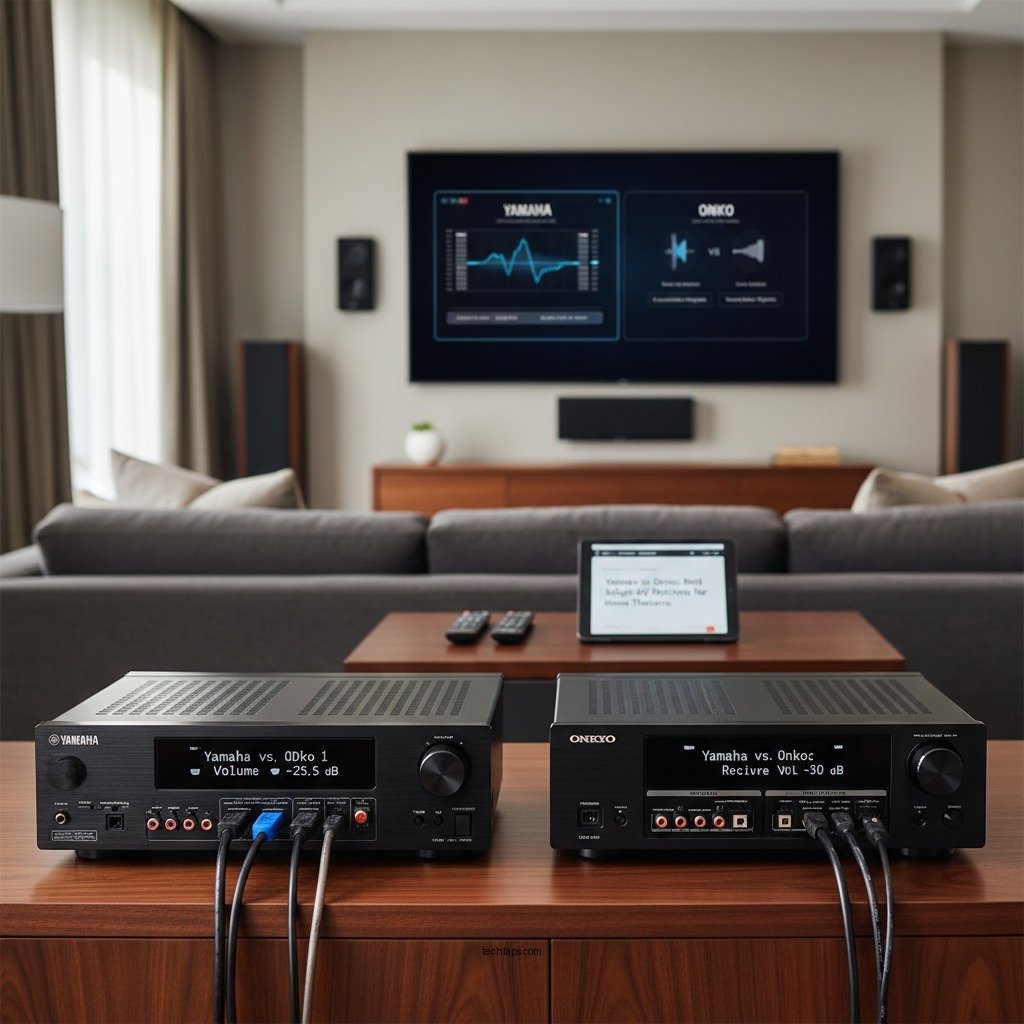

When it comes to selecting the best budget AV receivers for home theater systems, both Yamaha and Onkyo present fantastic choices that cater to a variety of needs and preferences. Yamaha is celebrated for its user-friendly design and dependable sound quality, while Onkyo is recognized for its advanced features and robust connectivity options. This article will delve into the strengths of each brand, providing insights to help you make an informed decision for your home theater setup.
Overview of Yamaha AV Receivers
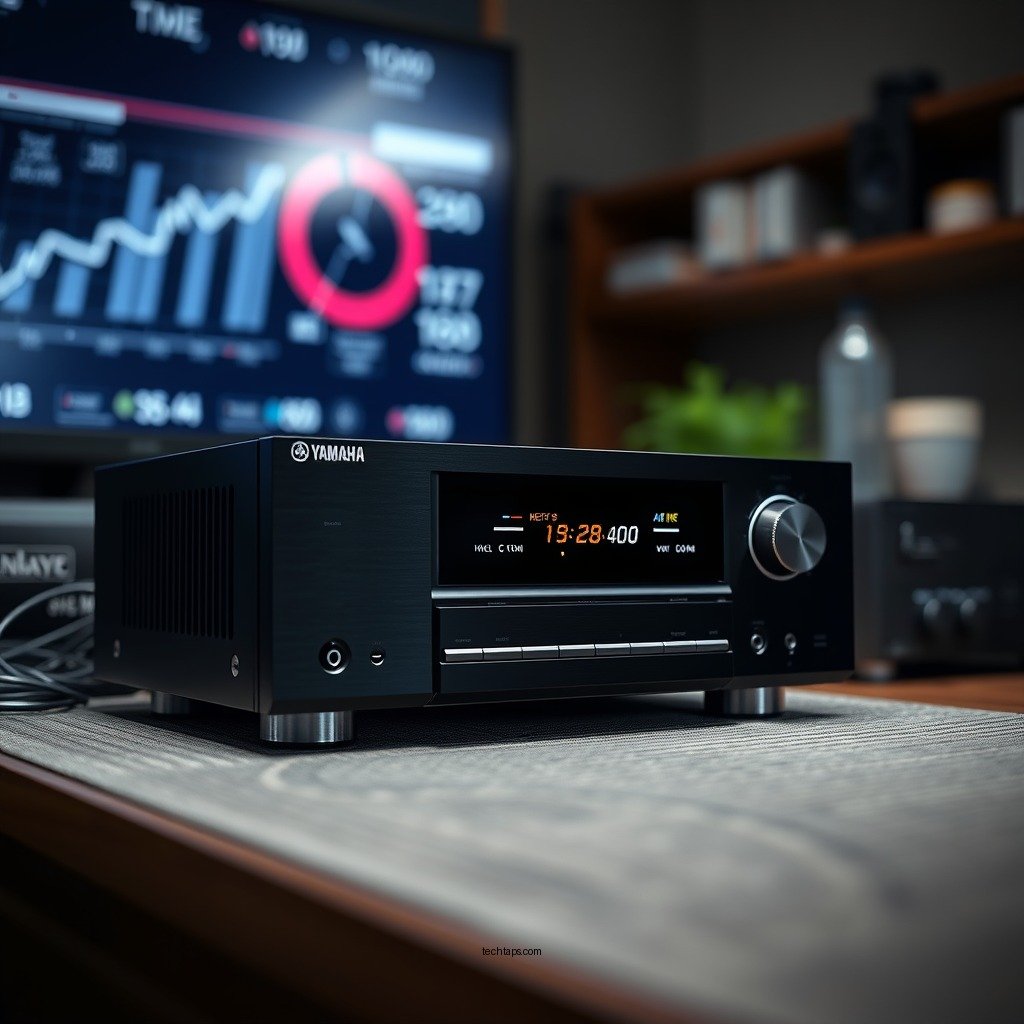
Yamaha AV receivers have a strong reputation for reliability and exceptional sound performance, making them a favorite among both novice and experienced home theater enthusiasts. One of the brand’s standout features is its user-friendly interface, which simplifies the setup process, allowing users to quickly get their systems up and running. Yamaha receivers often come equipped with intuitive remote controls and on-screen menus that guide you through the configuration.
Moreover, Yamaha emphasizes sound quality through its proprietary technologies, such as YPAO (Yamaha Parametric room Acoustic Optimizer), which automatically calibrates the audio output to match your room’s acoustics. This attention to detail ensures that users enjoy clear, immersive sound, regardless of the type of content being played—be it movies, music, or gaming.
Overview of Onkyo AV Receivers
Onkyo AV receivers are known for their extensive range of features, particularly in audio formats and connectivity options. They stand out with support for the latest advanced audio formats, including Dolby Atmos and DTS:X, which enhance the surround sound experience, making you feel like you are part of the action.
Additionally, Onkyo receivers excel in connectivity, often providing multiple HDMI inputs, which allow for easy integration of various devices such as gaming consoles, Blu-ray players, and streaming boxes. Their models frequently include features like built-in Wi-Fi, Bluetooth, and compatibility with popular streaming services, making it easy to listen to your favorite music or watch your preferred shows without the hassle of cables.
Key Features to Consider
When evaluating AV receivers from Yamaha and Onkyo, several essential features should be considered, including:
– Power Output: Generally measured in watts per channel, this indicates how loud the receiver can go. Both brands offer models ranging from 50 to over 100 watts per channel, suitable for various room sizes.
– Number of Channels: Most receivers are either 5.1, 7.1, or even 9.1 channel setups, which determine how many speakers can be connected to the system for surround sound.
– Audio Formats: Support for formats such as Dolby Atmos, DTS:X, and high-resolution audio is crucial for an immersive experience.
– Connectivity Options: Look for Bluetooth, Wi-Fi, and HDMI inputs. Yamaha tends to focus on ease of use with its wireless features, while Onkyo often offers a higher number of HDMI ports.
– User Interface: A straightforward user interface can significantly enhance the experience, especially for those who may not be tech-savvy.
Comparison Table: Yamaha vs. Onkyo AV Receivers
Comparison of Key Features in Yamaha and Onkyo AV Receivers
| # | Feature | Yamaha | Onkyo |
|---|---|---|---|
| 1 | Power Output (WPC) | 100 | 90 |
| 2 | Number of Channels | 7.2 | 7.2 |
| 3 | Dolby Atmos Support | Yes | Yes |
| 4 | HDMI Inputs | 6 | 8 |
| 5 | Bluetooth | Yes | Yes |
| 6 | Wi-Fi | Yes | Yes |
| 7 | Streaming Services | Yes | Yes |
| 8 | User Interface | Easy | Moderate |
| 9 | Room Calibration | YPAO | AccuEQ |
| 10 | Weight | 22 lbs | 24 lbs |
Price Comparison and Value
When it comes to pricing, both Yamaha and Onkyo offer models that cater to budget-conscious consumers without sacrificing essential features. Typically, Yamaha receivers fall within the price range of $400 to $800, while Onkyo’s models usually span from $350 to $700. This pricing variation often depends on the number of channels, power output, and additional features such as advanced audio formats and connectivity options.
For instance, the Yamaha RX-V6A, priced around $600, offers robust performance with a range of features, making it a solid choice for those looking for an all-rounder. Onkyo’s TX-NR696, similarly priced, provides extensive connectivity options and great audio performance, particularly for streaming.
Both brands offer great value for money, but it is essential to evaluate the specific needs of your home theater setup to determine which brand provides the best features for your budget.
Performance Evaluation
In terms of audio performance, Yamaha receivers are often lauded for their balanced sound profile, delivering clear highs and deep lows, which is particularly beneficial for music playback. The inclusion of YPAO technology ensures that sound is optimized for your specific environment, enhancing the overall listening experience.
On the other hand, Onkyo receivers shine when it comes to surround sound capabilities. Models such as the Onkyo TX-RZ840 offer exceptional Dolby Atmos support, creating an immersive audio landscape that is perfect for movie watching and gaming. The clarity and detail in sound reproduction are impressive, making Onkyo a strong contender for users who prioritize cinematic experiences.
In summary, if you’re looking for balanced audio for music, Yamaha may be your best bet. However, if surround sound and immersive experiences are your priorities, Onkyo’s offerings are noteworthy.
User Experience and Support
User experience can significantly influence your decision when purchasing an AV receiver. Yamaha has established a reputation for reliable customer support, with comprehensive manuals and online resources available to help users troubleshoot common issues. Additionally, Yamaha receivers often receive positive feedback for their intuitive setup processes, making them an excellent choice for those who may not be technically inclined.
Onkyo also provides solid customer support, though users have reported mixed experiences regarding warranty claims. Nevertheless, their receivers are often praised for their robust build quality and reliability. Both brands offer warranties typically ranging from two to three years, providing peace of mind for customers.
Collectively, customer reviews indicate that both Yamaha and Onkyo deliver quality products, but it’s advisable to consider the support experiences shared by other users to make an informed decision.
Recommendations Based on Use Cases
Depending on your specific needs and preferences, certain models from Yamaha and Onkyo stand out for particular use cases:
– For Gaming: The Onkyo TX-NR696 is an excellent choice due to its superior connectivity and low latency, ensuring a seamless gaming experience.
– For Movies: The Yamaha RX-V6A offers a balanced sound profile and excellent surround sound capabilities, making it ideal for movie watching.
– For Music Lovers: The Yamaha A-S801 is highly regarded for its audio quality, making it perfect for stereo music listening.
– For Streaming: The Onkyo TX-NR6100 excels at integrating streaming services smoothly, catering to users who prioritize digital content.
By evaluating your primary use case, you can select the model that best aligns with your entertainment needs.
Summarizing the differences and strengths of Yamaha and Onkyo can help you make an informed decision on the best budget AV receiver for your home theater system. Whether you prioritize user-friendliness with Yamaha or advanced connectivity with Onkyo, both brands deliver quality products. Explore the recommended models and find the perfect fit for your needs!
Frequently Asked Questions
What are the key differences between Yamaha and Onkyo budget AV receivers?
Yamaha and Onkyo both offer excellent budget AV receivers, but their design philosophies differ. Yamaha receivers tend to focus on a user-friendly interface and robust sound processing, while Onkyo often emphasizes advanced features like higher power output and superior HDMI capabilities. Choosing between them will depend on whether you prioritize ease of use or cutting-edge technology.
How do Yamaha and Onkyo budget AV receivers perform in terms of sound quality?
Both Yamaha and Onkyo budget AV receivers deliver exceptional sound quality, but they cater to slightly different preferences. Yamaha is known for its clear and balanced audio, making it ideal for music lovers, while Onkyo often provides a more dynamic sound, which is great for movie enthusiasts. Ultimately, the best choice will depend on your specific audio preferences.
Which budget AV receiver is more compatible with streaming services: Yamaha or Onkyo?
When it comes to compatibility with streaming services, both Yamaha and Onkyo offer solid options. Yamaha receivers typically come with built-in Wi-Fi and support for various music streaming services, while Onkyo receivers often include features like Chromecast built-in and DTS Play-Fi. If streaming is a priority, consider the specific model features of each brand.
Why should I choose a Yamaha budget AV receiver over an Onkyo one?
Opting for a Yamaha budget AV receiver can be beneficial if you value simplicity and reliability in your home theater setup. Yamaha receivers often provide a straightforward setup process and intuitive user interfaces, making them ideal for beginners. Additionally, their reputation for durability adds to their appeal for long-term use.
What is the best budget AV receiver from Yamaha and Onkyo for home theater systems?
The best budget AV receiver from Yamaha is the RX-V385, known for its excellent sound quality and user-friendly features. Onkyo’s TX-SR393 is a strong contender in the budget category, offering advanced HDMI support and robust power output. Both receivers are ideal for creating an immersive home theater experience without breaking the bank.
References
- https://en.wikipedia.org/wiki/Audio_video_receiver
https://en.wikipedia.org/wiki/Audio_video_receiver - https://www.nature.com/articles/s41598-021-83272-1
https://www.nature.com/articles/s41598-021-83272-1 - https://pubmed.ncbi.nlm.nih.gov/31576940/
https://pubmed.ncbi.nlm.nih.gov/31576940/ - https://www.bbc.com/news/technology-50194057
https://www.bbc.com/news/technology-50194057 - https://www.theguardian.com/technology/2020/jan/15/best-av-receivers
https://www.theguardian.com/technology/2020/jan/15/best-av-receivers - https://www.sciencedirect.com/science/article/pii/S1877050919315535
https://www.sciencedirect.com/science/article/pii/S1877050919315535 - https://www.cdc.gov/healthyplaces/healthyschools/technology.htm
https://www.cdc.gov/healthyplaces/healthyschools/technology.htm - Google Scholar Google Scholar
https://scholar.google.com/scholar?q=Yamaha+vs+Onkyo+AV+Receivers - Google Scholar Google Scholar
https://scholar.google.com/scholar?q=Budget+AV+Receivers+for+Home+Theater - Google Scholar Google Scholar
https://scholar.google.com/scholar?q=Home+Theater+System+Reviews