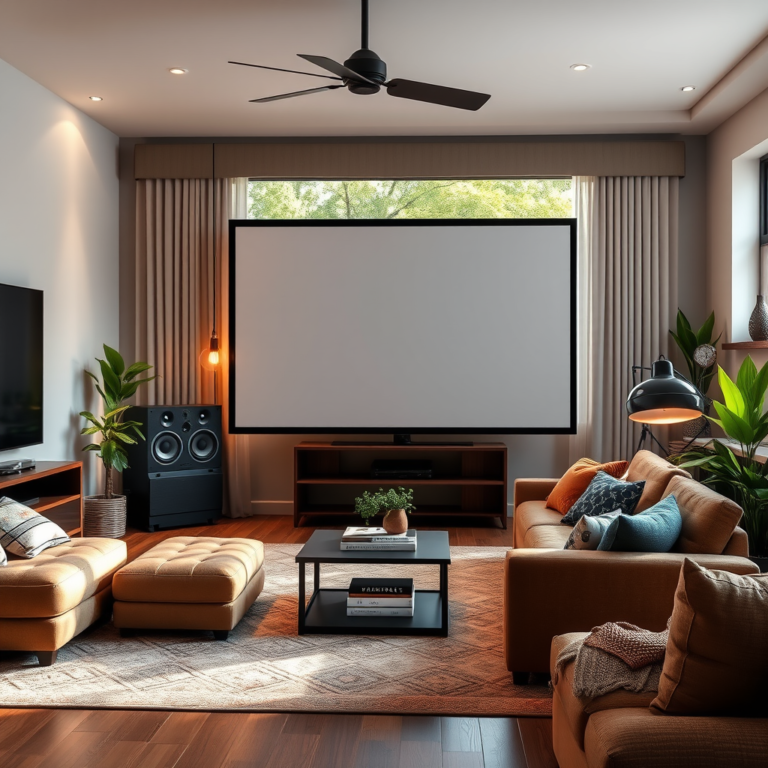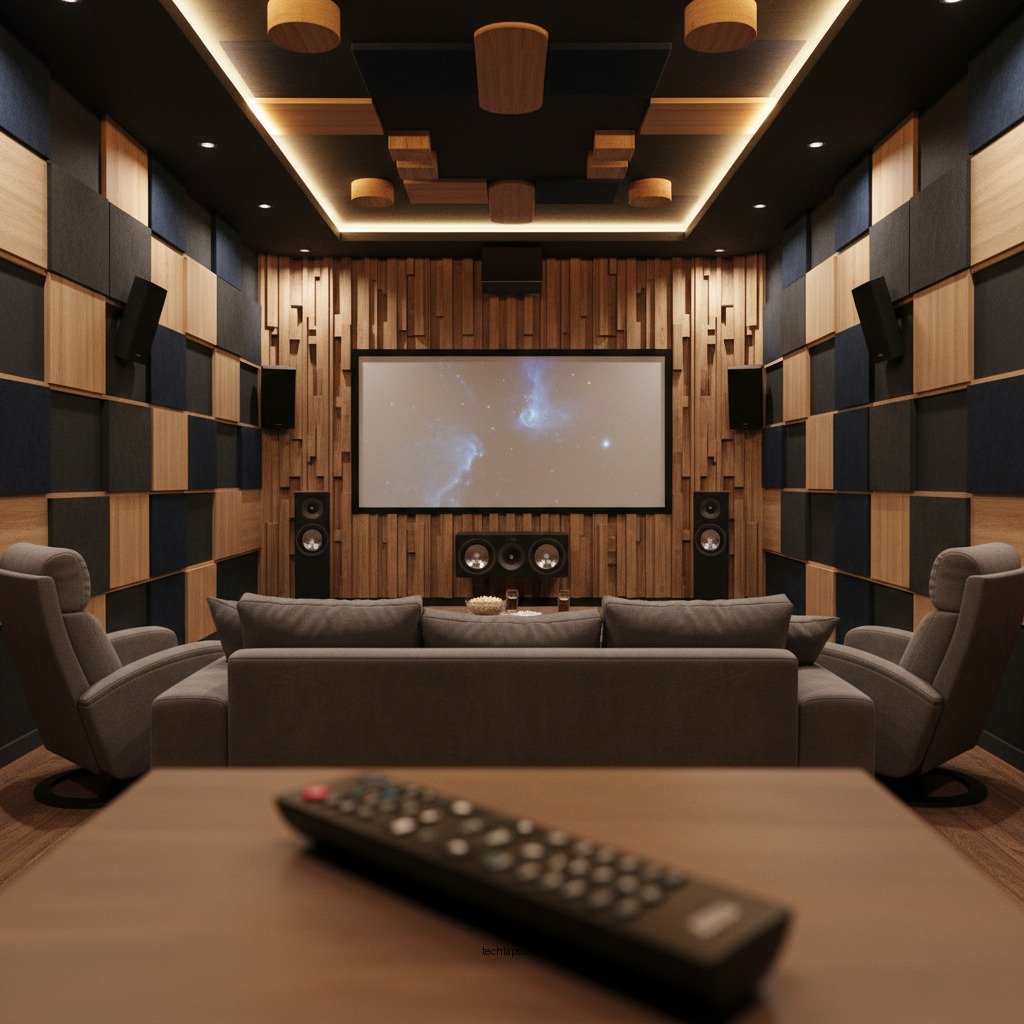

To improve sound quality in your home theater, implementing effective acoustic treatments is essential. These treatments can significantly reduce echo, improve clarity, and create a more immersive audio experience. By strategically selecting and placing acoustic panels, bass traps, and other sound absorption materials, you can transform your home theater setup into an auditory haven. This article will explore various acoustic solutions, their benefits, and how they can enhance your overall viewing experience.
Understanding Sound Waves and Acoustics
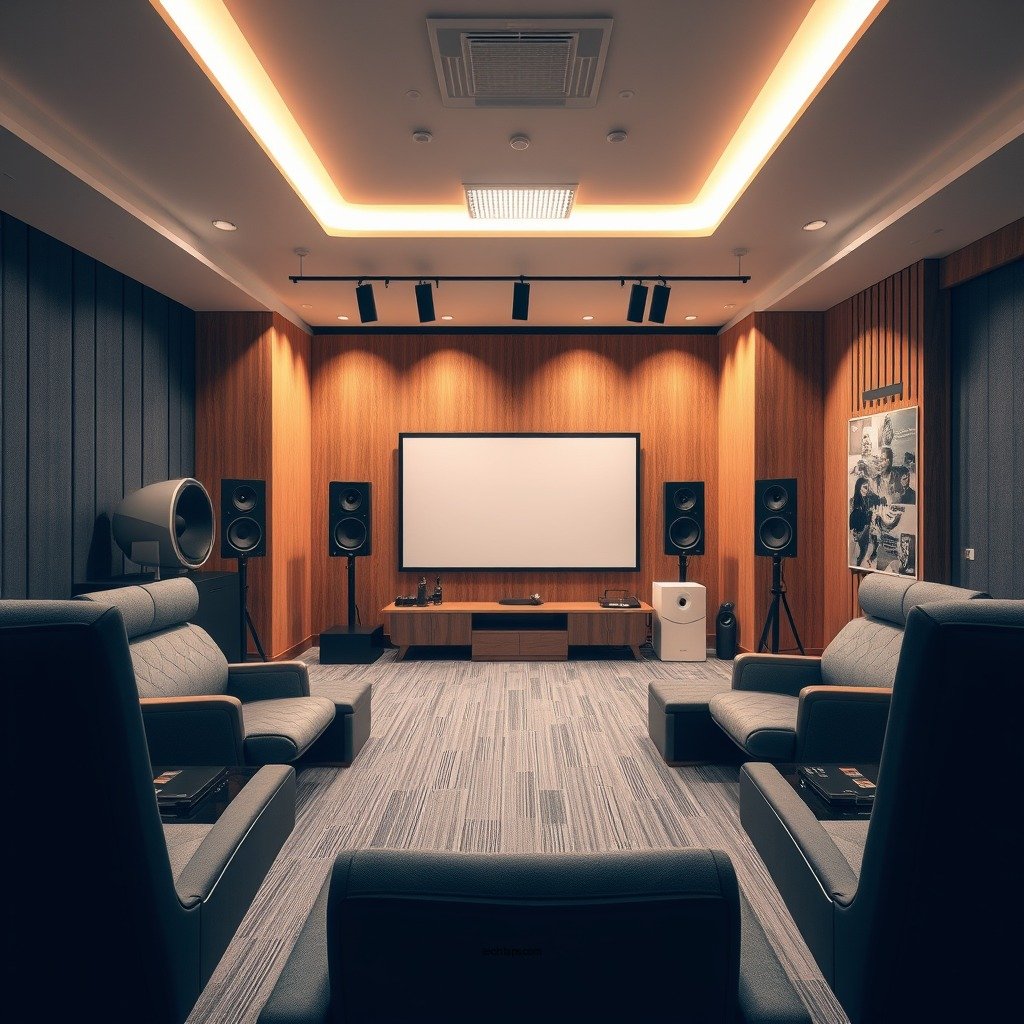
Sound waves are vibrations that travel through the air and interact with various surfaces within a space. The behavior of these waves is critical to achieving optimal sound quality in your home theater. When sound waves hit surfaces, they can either be absorbed, reflected, or diffused. Understanding this interaction is key to making informed decisions about acoustic treatments.
In a typical room, sound waves can bounce off walls, ceilings, and floors, creating unwanted echoes and reverberations that distort audio clarity. This phenomenon is particularly problematic in home theaters, where crisp dialogue and immersive soundtracks are paramount. Recognizing how sound reflections and absorption work can guide your treatment choices, helping you create a balanced acoustic environment that enhances your audio experience.
Types of Acoustic Treatments
Acoustic treatments come in various forms, each serving a specific purpose in sound management. Here are the most common types:
– Absorption Panels: These panels are designed to reduce reflections and echo by absorbing sound waves. Made from materials like foam or fiberglass, they can be strategically placed on walls and ceilings to minimize unwanted noise and enhance clarity. They are particularly effective at controlling mid to high frequencies, which are critical for dialogue and music.
– Bass Traps: Unlike absorption panels, bass traps specifically target low-frequency sounds. These low frequencies can often muddy audio clarity, making it difficult to discern dialogue or musical details. Bass traps are typically installed in corners where sound waves tend to accumulate, helping to smooth out the bass response and create a more balanced audio profile.
– Diffusers: While absorption panels and bass traps focus on sound reduction, diffusers scatter sound waves to create a more even acoustic environment. This can help maintain the lively quality of sound while minimizing harsh reflections. They are often used in conjunction with absorption treatments for a well-rounded approach.
– Acoustic Curtains: These heavy drapes can be used to reduce sound transmission through windows and are effective in controlling reflections from hard surfaces. They add an aesthetic touch while serving a functional purpose.
Placement of Acoustic Panels
The effectiveness of acoustic treatments largely depends on their placement within the room. Strategic positioning is vital to maximize their impact on sound quality. Here are some guidelines:
– Near Reflective Surfaces: Place absorption panels on walls and ceilings that are directly opposite speakers or where sound waves are likely to strike. This includes first reflection points, which are areas where sound waves bounce off surfaces before reaching the listener.
– Primary Listening Area: Focus on the listening position when deciding where to install treatments. Ensure that the panels are positioned to absorb sound waves that reach the main seating area, enhancing the overall experience.
– Corners for Bass Traps: Bass traps should be installed in the corners of the room, as this is where low-frequency waves tend to build up. This strategic placement will help mitigate bass issues and improve the overall sound quality.
– Balance and Symmetry: Maintain a balanced approach throughout the room. Avoid overcrowding one side with treatments while leaving the other bare, as this can create an uneven sound field.
Comparison of Acoustic Treatment Options
| # | Type | Frequency Range | Effectiveness | Cost |
|---|---|---|---|---|
| 1 | Absorption Panels | Mid to High Frequencies | High | $50 – $300 |
| 2 | Bass Traps | Low Frequencies | Very High | $100 – $400 |
| 3 | Diffusers | All Frequencies | Moderate | $75 – $350 |
| 4 | Acoustic Curtains | Mid to High Frequencies | High | $50 – $200 |
| 5 | Portable Acoustic Panels | Mid to High Frequencies | High | $100 – $300 |
| 6 | Soundproofing Panels | Broad Spectrum | Very High | $150 – $500 |
| 7 | Custom Built Treatments | Tailored | Highly Effective | $200 – $1,000 |
DIY vs. Professional Solutions
When considering acoustic treatments, homeowners often face the choice between DIY solutions and professional installations. Each option has its advantages and disadvantages.
– DIY Acoustic Panels: Creating your own acoustic panels can be a cost-effective way to tailor treatments to your specific space. Many tutorials are available online, making it accessible for those willing to invest time and effort. DIY panels can be made from readily available materials like rock wool, fabric, and wooden frames. However, achieving professional-quality results may require some experimentation and a solid understanding of acoustics.
– Professional Installation: Hiring an acoustic specialist can provide customized solutions that are tailored to your unique space. Professionals can assess your room, recommend specific types and placements for treatments, and ensure optimal acoustic performance. While this option may be more expensive, it often yields superior results, especially for complex home theater setups.
Ultimately, the choice between DIY and professional solutions will depend on your budget, acoustic needs, and willingness to invest time in the project.
Measuring and Adjusting Sound Quality
Once you have implemented your acoustic treatments, measuring and adjusting sound quality is crucial to achieving the best audio experience. Here’s how to go about it:
– Sound Measurement Tools: Utilize sound measurement tools, such as a sound level meter or smartphone apps, to assess your room’s acoustics before and after treatment. This will help you identify areas that require further attention or adjustment.
– Room Calibration: Many modern audio systems come with built-in calibration tools that can automatically adjust settings based on the room’s acoustics. Take advantage of these features to fine-tune your sound.
– Regular Adjustments: As you change your setup or furniture arrangement, remember that sound dynamics can shift. Regularly reassess your acoustic environment and make adjustments as necessary to maintain optimal sound quality.
Maintaining Your Acoustic Treatments
To ensure that your acoustic treatments continue to perform at their best, regular maintenance is essential. Here are some tips:
– Check Condition: Regularly inspect your panels and bass traps for signs of wear or damage. Look for any sagging, tears, or discoloration, as these can affect their effectiveness.
– Cleaning: Dust and dirt can accumulate on acoustic panels, hindering their performance. Clean panels as needed using a soft brush or vacuum with a brush attachment to prevent dust buildup, which can affect sound quality.
– Reassess Needs: As your home theater evolves, your acoustic needs may change. Reevaluate your treatments periodically to ensure they still meet your requirements, especially if you add new equipment or change the layout.
By applying these acoustic treatments, you can significantly enhance the sound quality of your home theater. Start with understanding your space and selecting the right treatments, whether DIY or professional, to create an immersive audio experience. Take action now to elevate your movie nights and enjoy the best sound quality possible!
Frequently Asked Questions
What are the best acoustic treatments for a home theater?
The best acoustic treatments for a home theater typically include acoustic panels, bass traps, and diffusers. Acoustic panels help absorb sound waves and reduce echoes, while bass traps are essential for managing low-frequency sounds. Diffusers scatter sound waves to create a more balanced audio experience, enhancing overall sound quality.
How do I know if my home theater needs acoustic treatment?
You may need acoustic treatment if you notice excessive echo or reverberation when watching movies or listening to music. If sound seems hollow or lacks clarity, it’s a sign that sound waves are bouncing off hard surfaces. Conducting a simple clap test can help you identify problematic areas; if the sound lingers, it’s time to consider treatments.
Why is bass management important in home theater acoustic treatments?
Bass management is crucial because low-frequency sounds can overwhelm a room, causing muddiness and distortion. Proper bass treatment helps control these frequencies, ensuring that sounds are clear and balanced. By using bass traps, you can significantly improve sound quality and provide a more immersive viewing experience.
Which materials are best for DIY acoustic panels in a home theater?
For DIY acoustic panels, materials like Owens Corning 703 fiberglass, mineral wool, or foam are highly effective. These materials effectively absorb sound and can be framed in wood or fabric for aesthetics. Additionally, covering panels with breathable fabric not only enhances their look but also maintains their acoustic properties.
How can I improve sound quality in my home theater without professional help?
You can improve sound quality in your home theater by strategically placing furniture and using rugs to absorb sound. DIY acoustic panels can be made and installed in key areas, such as first reflection points on walls. Additionally, experimenting with speaker placement and ensuring proper calibration of your audio equipment can significantly enhance your sound experience.
References
- Room acoustics
https://en.wikipedia.org/wiki/Room_acoustics - https://www.ni.gov.au/sites/default/files/acoustic_treatment.pdf
https://www.ni.gov.au/sites/default/files/acoustic_treatment.pdf - https://www.acoustics.org/education-resources/what-is-acoustics/
https://www.acoustics.org/education-resources/what-is-acoustics/ - https://www.acoustics.org/education-resources/acoustic-treatment-for-home-theaters/
https://www.acoustics.org/education-resources/acoustic-treatment-for-home-theaters/ - Google Scholar Google Scholar
https://scholar.google.com/scholar?q=Acoustic+Treatments+for+Home+Theater - https://scholar.google.com/scholar?q=Improve+Sound+Quality+Home+Theater Google Scholar
https://scholar.google.com/scholar?q=Improve+Sound+Quality+Home+Theater - https://www.sciencedirect.com/topics/engineering/acoustic-treatment
https://www.sciencedirect.com/topics/engineering/acoustic-treatment - https://www.ncbi.nlm.nih.gov/pmc/articles/PMC7067908/
https://www.ncbi.nlm.nih.gov/pmc/articles/PMC7067908/ - https://www.acousticalsurfaces.com/faq/acoustic-treatment-home-theater/
https://www.acousticalsurfaces.com/faq/acoustic-treatment-home-theater/ - Google Scholar Google Scholar
https://scholar.google.com/scholar?q=Acoustic+Treatments+for+Your+Home+Theater:+How+to+Improve+Sound+Quality