AI is revolutionizing the way we consume energy by significantly optimizing power usage across the globe. Through advanced data analytics, machine learning, and smart technologies, artificial intelligence is enhancing energy efficiency and paving the way for a more sustainable future. From smart grids to intelligent home devices, AI is making it easier for individuals and industries to reduce their energy consumption while maintaining productivity and comfort.


The Role of AI in Energy Management

Smart Grids and AI Integration
The integration of AI with smart grid technology enhances its functionality, enabling better energy flow and distribution. Smart grids are equipped with sensors and communication technologies that allow for real-time monitoring and control of energy systems. When AI is applied to these grids, it can analyze data to identify inefficiencies and suggest improvements.
Intelligent systems powered by AI can balance supply and demand in real time, dynamically adjusting power distribution based on current usage patterns. For instance, during a sudden spike in electricity use, AI systems can quickly reroute energy from less critical areas, ensuring that homes and businesses receive the power they need without interruption. This capability not only enhances reliability but also supports the integration of renewable energy sources, which can be variable and unpredictable.
AI-Driven Energy Efficiency in Industries
In the industrial sector, AI-driven tools are streamlining processes and cutting excess energy use. Automation powered by AI can optimize machinery operations, reduce idle times, and improve maintenance schedules, leading to significant energy savings. For example, a manufacturing plant that implements AI solutions may see a reduction in energy consumption by up to 30% by optimizing production schedules and minimizing waste.
Numerous case studies highlight the effectiveness of AI in various industries. In the automotive sector, companies like Ford have adopted AI to analyze energy usage patterns in their production lines, leading to decreased energy costs and enhanced sustainability. By leveraging AI, industries not only save on energy bills but also contribute to global sustainability goals by reducing their carbon footprints.
Residential Energy Optimization
At home, AI is making strides in energy optimization through smart devices that learn from user habits. Smart thermostats, for example, can adjust heating and cooling settings based on when residents are home or away, significantly reducing energy consumption without sacrificing comfort. Homeowners can program these devices or allow AI to learn their preferences automatically, resulting in a tailored energy management system.
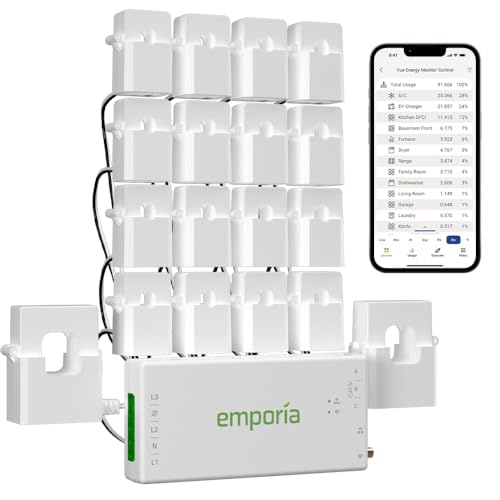
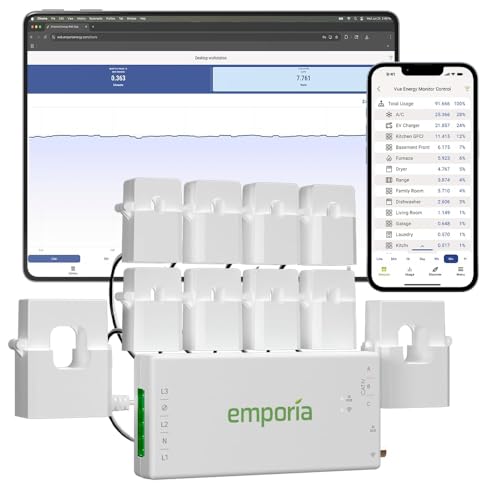
Moreover, AI applications provide homeowners with insights into their energy usage patterns, helping them identify areas where they can cut back. By analyzing data from smart meters, AI can suggest practical changes, like shifting energy-intensive activities to off-peak hours or recommending energy-efficient appliances. This not only leads to lower electricity bills but also promotes a more sustainable lifestyle.
Renewable Energy and AI Synergy
The synergy between AI and renewable energy is a powerful catalyst for enhancing efficiency. AI technologies can optimize the performance of renewable energy sources such as solar panels and wind turbines. For instance, machine learning algorithms can analyze weather data and predict solar energy production, allowing for better integration into the grid.
AI also plays a crucial role in energy storage solutions. By predicting fluctuations in energy production and consumption, AI can optimize when to store energy and when to release it back into the grid. This capability is vital for balancing intermittent renewable sources with constant energy demand, ensuring a reliable energy supply. Companies like Tesla are utilizing AI to improve battery management systems, maximizing the efficiency of energy storage and usage.
Challenges and Opportunities Ahead
Despite the promising advancements in AI technology, there are still barriers to widespread adoption in the energy sector. One significant challenge is the need for substantial investment in infrastructure and technology. Many utilities and industries may lack the financial resources or technical expertise necessary to implement AI solutions effectively.
Additionally, data privacy and security concerns pose challenges. As AI systems rely on vast amounts of data, ensuring the protection of sensitive information is vital to gaining public trust and encouraging adoption.
However, the opportunities that AI presents for the energy sector are immense. With continued investment and innovation, we can expect advancements in AI that enhance energy efficiency, reduce costs, and promote sustainability. Future innovations may include improved AI algorithms that predict energy needs even more accurately or AI systems that can autonomously manage energy across entire cities, creating smart urban environments.
As we move into the future, embracing AI technologies is essential for achieving sustainability goals and reducing our carbon footprint. The advancements in AI are reshaping how we manage power consumption on a global scale, creating more efficient systems that benefit both the environment and economy.
By leveraging AI’s potential, we can not only optimize energy usage but also contribute positively to a sustainable future. Explore more about how AI can transform your energy practices today!
Frequently Asked Questions
How does AI optimize power consumption in smart homes?
AI optimizes power consumption in smart homes by utilizing machine learning algorithms to analyze energy usage patterns and automate energy management systems. Smart devices, like thermostats and lighting systems, can learn user habits and adjust settings accordingly, such as lowering heating when residents are away or dimming lights based on natural daylight levels. This not only enhances comfort but significantly reduces energy bills and minimizes environmental impact.
What are the benefits of using AI for power consumption optimization in industrial settings?
The benefits of using AI for power consumption optimization in industrial settings include improved operational efficiency, reduced energy costs, and enhanced sustainability. By analyzing real-time data from machinery and processes, AI can identify inefficiencies and recommend adjustments, such as optimizing machinery run times or scheduling maintenance. This proactive approach leads to lower energy consumption and carbon emissions, aligning with global sustainability goals.
Why is AI considered a game-changer for global energy management?
AI is considered a game-changer for global energy management because it enables the analysis of vast amounts of data in real-time, leading to more informed decision-making. With AI, energy providers can predict demand fluctuations, optimize grid performance, and integrate renewable energy sources more effectively. This capability not only enhances reliability and efficiency but also supports the transition to a more sustainable energy landscape by reducing reliance on fossil fuels.
Which industries are leveraging AI for energy optimization, and how?
Various industries are leveraging AI for energy optimization, including manufacturing, transportation, and commercial real estate. In manufacturing, AI systems monitor equipment performance and adjust energy use in real-time to minimize waste. In transportation, AI can optimize routing for delivery vehicles, reducing fuel consumption. In commercial real estate, AI analyzes occupancy patterns to optimize heating and cooling systems, resulting in significant energy savings.
What are some of the challenges associated with implementing AI for power consumption optimization?
Some challenges associated with implementing AI for power consumption optimization include data privacy concerns, integration with existing systems, and the need for skilled personnel. Organizations must ensure that they handle energy data responsibly to maintain customer trust. Additionally, integrating AI solutions with legacy systems can be complex, often requiring significant investment. Lastly, a shortage of professionals skilled in AI and energy management can hinder successful implementation.
References
- https://www.sciencedirect.com/science/article/pii/S0360132321002265
- https://www.nature.com/articles/s41560-020-00748-4
- https://www.energy.gov/articles/how-ai-helping-optimize-energy-use
- https://www.reuters.com/business/sustainable-business/ai-helps-optimise-energy-use-save-costs-2021-10-14/
- https://www.bbc.com/news/science-environment-58671105
- https://www.ferc.gov/media/statements-press-releases/2020/ferc-green-technology-ai-energy-efficiency
- https://www.nrel.gov/news/program/2022/ai-power-consumption.html
- https://www.wired.com/story/ai-energy-efficiency/
- United States continued to lead global petroleum and natural gas production in 2020 – U.S. Energy…