
Video surveillance significantly enhances traffic management effectiveness by providing real-time data that helps city planners and traffic authorities monitor conditions, respond promptly to incidents, and facilitate smoother traffic flow. By leveraging advanced video surveillance systems, cities can gain invaluable insights into traffic patterns, ensuring safer and more efficient roadways for all users.




The Role of Video Surveillance in Monitoring Traffic
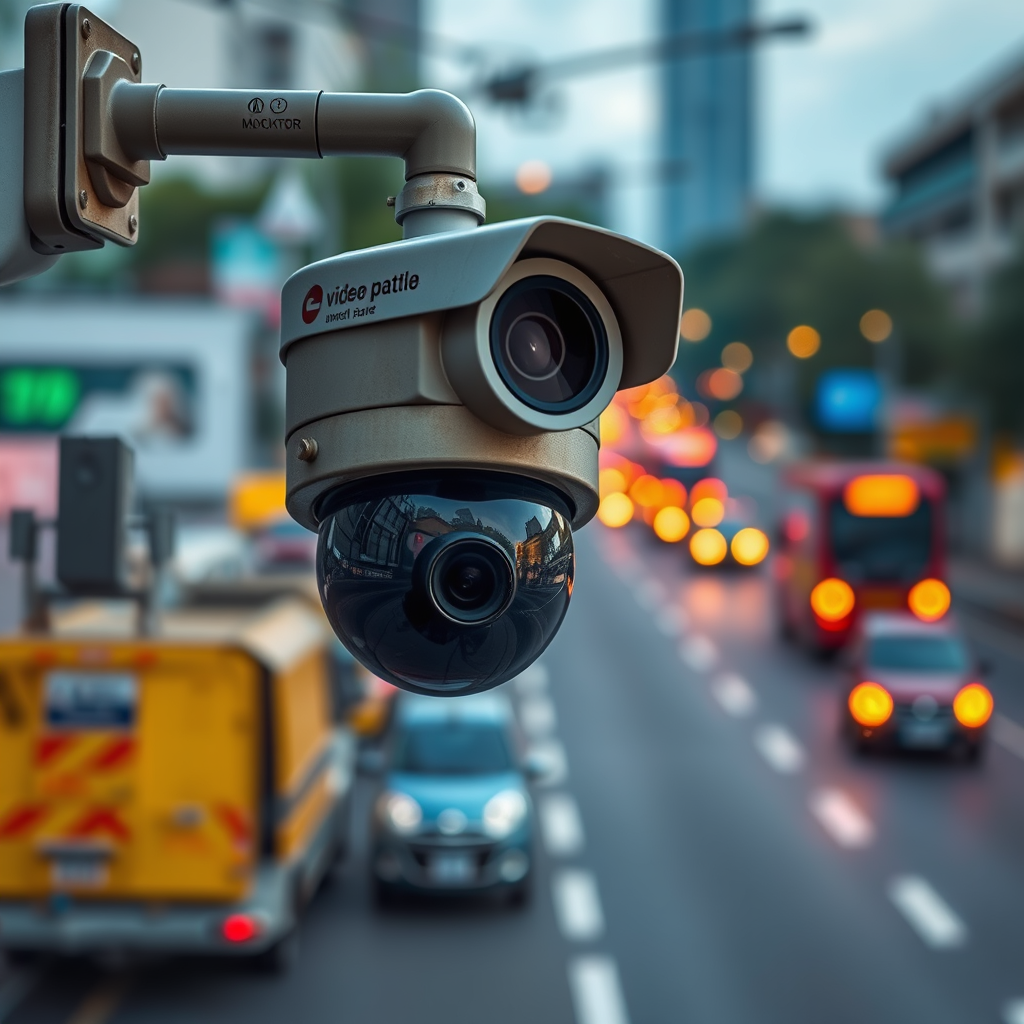
Video surveillance systems offer a continuous observation of traffic patterns and congestion levels, allowing for an unprecedented understanding of how roads are used at various times of the day. Equipped with high-definition cameras, these systems capture detailed footage of vehicle movement, helping authorities analyze traffic conditions more accurately.
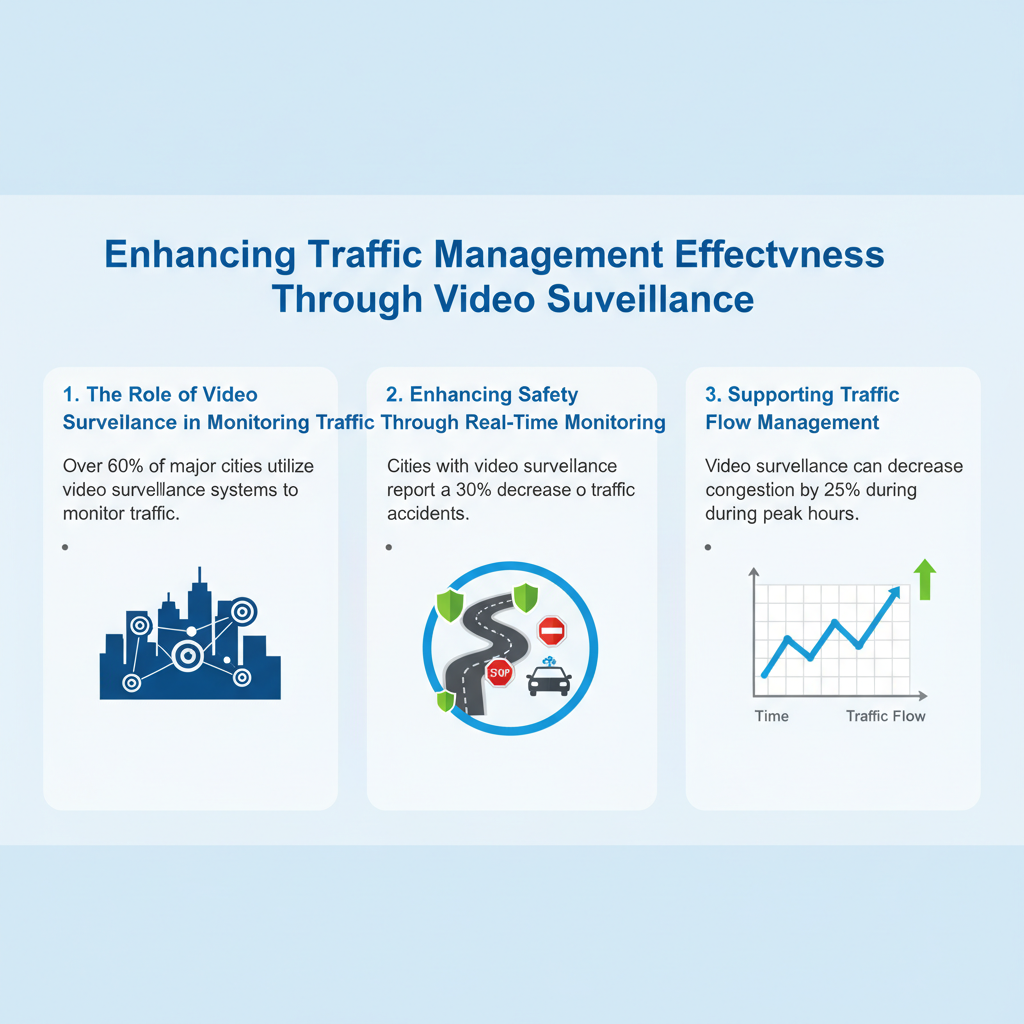
Moreover, these systems can automatically collect data on vehicle counts and speeds, providing essential analytics for city planners. For instance, a city might find that certain intersections experience peak congestion during specific hours, enabling them to make informed decisions about where to allocate resources or when to adjust traffic light patterns. With historical data, authorities can also identify trends and predict future traffic conditions, which is crucial for managing urban mobility effectively.
Enhancing Safety Through Real-Time Monitoring
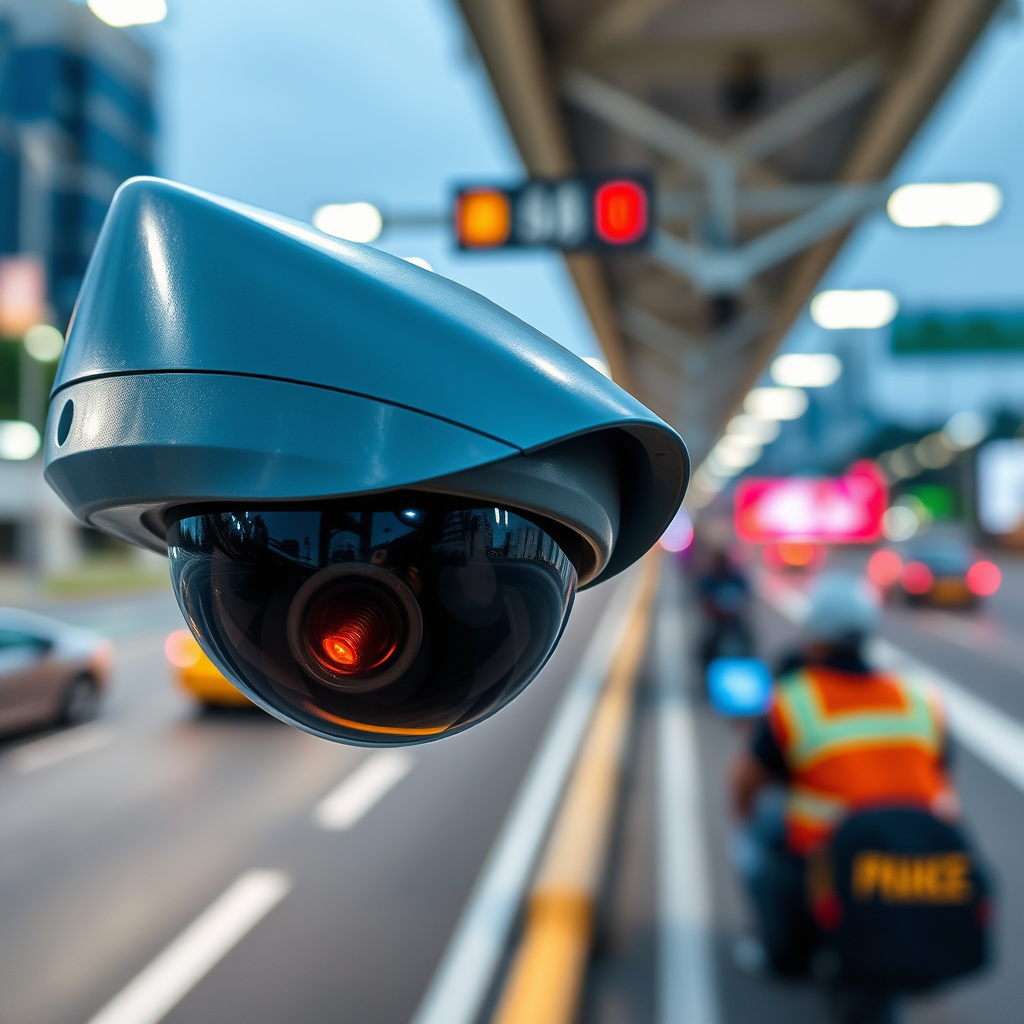
One of the most significant benefits of video surveillance in traffic management is the immediate detection of accidents and hazardous conditions. With real-time monitoring capabilities, traffic management centers can quickly identify incidents as they happen, allowing for swift action. For example, if a minor accident occurs on a busy highway, cameras can instantly alert traffic operators who can dispatch emergency services without delay, significantly reducing response times and potentially saving lives.
Additionally, real-time data can help identify hazardous road conditions, such as debris or poor weather effects like ice or flooding. By promptly alerting motorists and emergency services, video surveillance promotes a safer driving environment, reducing the likelihood of secondary accidents and ensuring that road conditions are managed proactively.
Supporting Traffic Flow Management
Video surveillance systems can also play a crucial role in managing traffic flow more effectively. By integrating real-time data into traffic signal control systems, cities can automate traffic signal adjustments based on current traffic conditions. For instance, during rush hour, traffic signals can be adjusted to favor main thoroughfares, minimizing delays and reducing congestion at critical intersections.
This adaptability not only enhances the overall efficiency of traffic movement but also significantly reduces bottlenecks. For example, cities like Los Angeles have successfully implemented adaptive signal control technologies that utilize real-time data to optimize traffic light patterns, resulting in smoother flow and shorter commute times for drivers. Ultimately, this leads to a more pleasant driving experience and less frustration on the road.
Integration with Other Traffic Management Systems
To maximize the effectiveness of video surveillance, it’s essential to integrate it with other traffic management systems, such as sensors and communication technologies. This synergy allows for comprehensive insights into traffic conditions. For example, combining video data with information from road sensors can provide a more complete picture of traffic behavior, enabling traffic management systems to respond to real-time conditions more effectively.
Additionally, enhanced predictive analytics can emerge from this integration, allowing for better traffic forecasting. Cities can use historical data alongside real-time inputs to predict traffic surges, enabling proactive measures to manage anticipated congestion. For instance, cities like Singapore have successfully integrated various technologies, including video surveillance and smart sensors, resulting in improved traffic flow and reduced travel times.
Case Studies: Successful Implementations Around the World
Several cities around the globe have effectively harnessed video surveillance for traffic management, demonstrating significant improvements in traffic conditions and safety. For example, London has implemented a comprehensive network of cameras that monitor traffic flow and identify incidents, leading to reduced congestion and enhanced safety on the roads. Their success is reflected in metrics showing a notable decrease in average travel times across the city.
Similarly, in Barcelona, traffic management has seen substantial benefits from integrating video surveillance with smart traffic lights. By analyzing video footage, the city has been able to make data-driven decisions that have reduced travel times by up to 30% in some areas. These case studies highlight the transformative potential of video surveillance in optimizing urban traffic management.
Challenges and Considerations for Implementation
Despite its benefits, implementing video surveillance systems does come with challenges and considerations. One of the most pressing concerns is privacy. As surveillance technologies become more prevalent, addressing privacy concerns and ensuring ethical practices is critical. Communities must engage in open discussions about how video data is collected, stored, and used to maintain public trust.
Additionally, ensuring data security and system reliability is vital. Vulnerabilities in data storage can lead to breaches that jeopardize personal information. Therefore, cities must invest in robust cybersecurity measures to protect sensitive data. Balancing the benefits of enhanced traffic management with ethical considerations will be essential for gaining community support for surveillance initiatives.
Future Trends in Video Surveillance for Traffic Management
Looking ahead, the future of video surveillance in traffic management is bright, with innovations in artificial intelligence and machine learning paving the way for smarter traffic solutions. These technologies can analyze vast amounts of data to identify patterns and trends, allowing for even more proactive traffic management strategies.
Moreover, the potential integration of drone technology can revolutionize traffic monitoring. Drones equipped with cameras can provide aerial views of traffic conditions, offering insights that ground-based cameras cannot. This could prove invaluable in managing traffic during large events or emergencies, where real-time information is critical.
As cities continue to evolve and embrace smart technologies, the role of video surveillance in traffic management will become increasingly significant, helping to create safer, more efficient roadways for all users.
Summarizing the benefits of video surveillance in traffic management reveals its critical role in improving safety, efficiency, and overall urban mobility. As cities continue to evolve, investing in advanced surveillance technology will be essential for creating smarter, safer roadways. Explore how your community can benefit from these advancements today.
Frequently Asked Questions
How does video surveillance improve traffic flow in urban areas?
Video surveillance enhances traffic flow by providing real-time data on vehicle movement and congestion levels. With strategically placed cameras, traffic management systems can analyze patterns, identify bottlenecks, and dynamically adjust traffic signals to optimize the flow of vehicles. This proactive approach helps reduce waiting times and improves overall road efficiency.
What are the benefits of using video surveillance for monitoring traffic violations?
Using video surveillance to monitor traffic violations offers several benefits, including the ability to capture clear evidence of infractions like speeding, running red lights, and illegal parking. This visual documentation aids law enforcement in issuing fines and enforcing traffic laws more effectively. Additionally, the knowledge that surveillance is present can deter drivers from committing violations, ultimately promoting safer roads for everyone.
Why is video surveillance essential for accident detection and response?
Video surveillance is crucial for accident detection and response as it allows for immediate identification of incidents on the road. By monitoring live feeds, traffic operators can quickly dispatch emergency services to the scene, reducing response times and potentially saving lives. Furthermore, the recorded footage can be invaluable for investigations, helping to clarify the circumstances surrounding the accident.
Which types of video surveillance systems are best for traffic management?
The best types of video surveillance systems for traffic management include high-definition cameras with night vision capabilities, pan-tilt-zoom (PTZ) cameras for wide coverage, and thermal imaging cameras for detecting vehicles in low visibility conditions. Additionally, integrating these systems with advanced software for analytics and real-time monitoring enhances their effectiveness, allowing traffic managers to make data-driven decisions.
How can video surveillance help in future traffic planning and infrastructure development?
Video surveillance provides valuable data that can inform future traffic planning and infrastructure development by analyzing traffic patterns and peak usage times. This information helps urban planners identify the need for additional lanes, new traffic signals, or improved public transport routes. Utilizing historical data from surveillance can lead to more efficient and effective transportation networks that accommodate growing populations and changing travel behaviors.
References
- https://www.nhtsa.gov/road-safety/traffic-surveillance
- Office Of Research, Development, And Technology At The Turner-Fairbank Highway Research Center | …
- https://www.sciencedirect.com/science/article/pii/S2352146515002056
- ITS JPO | ITS Joint Program Office
- https://www.ncbi.nlm.nih.gov/pmc/articles/PMC6953902/
- https://www.bbc.com/news/technology-28410425
- Road traffic injuries
- https://www.researchgate.net/publication/325055356_Application_of_Video_Surveillance_in_Traffic_Management_and_Analysis
- https://www.itu.int/en/publications/ITU-T/2020/Pages/default.aspx