
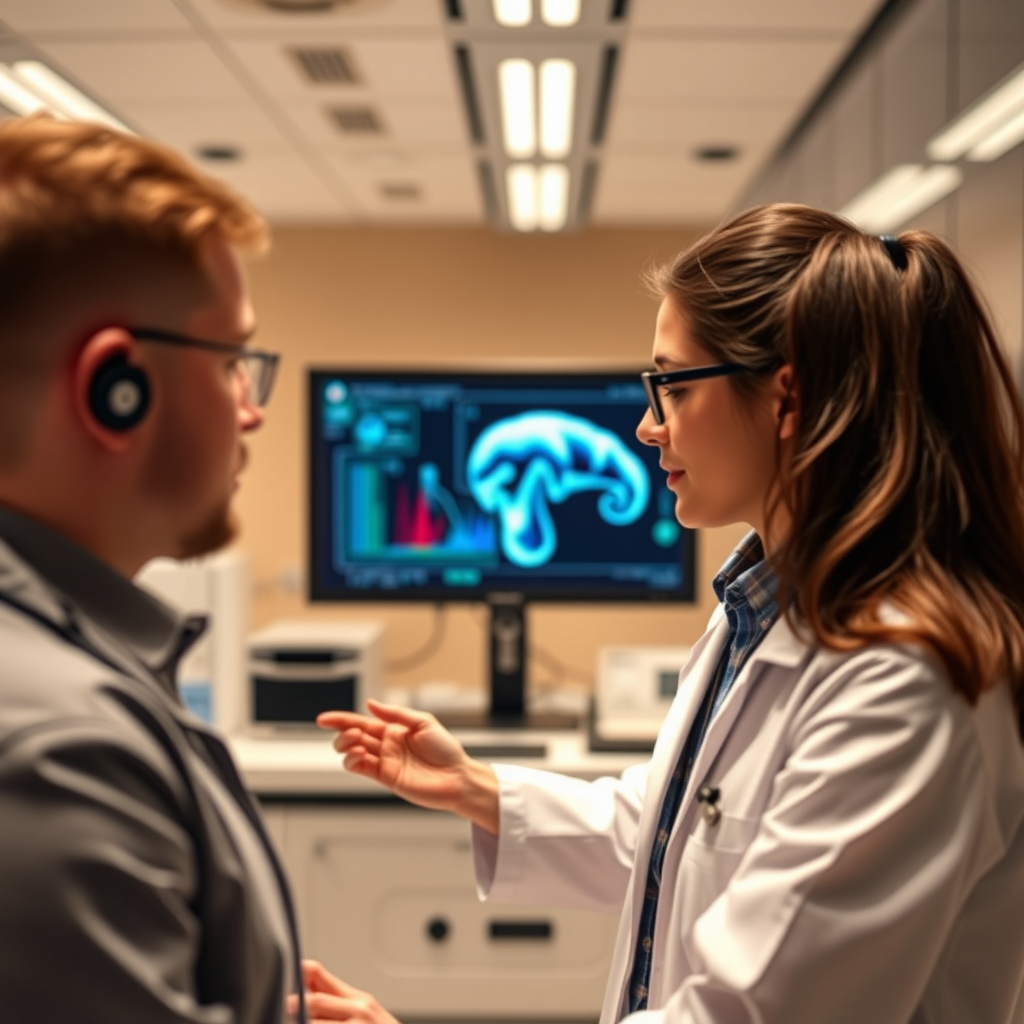
The integration of advanced display technology is significantly improving healthcare diagnostics by enhancing visualization, accuracy, and efficiency in medical imaging. These innovations are not just making images clearer; they are transforming patient care and the entire diagnostic process, leading to faster and more precise diagnoses.



The Role of Imaging Displays in Diagnostics
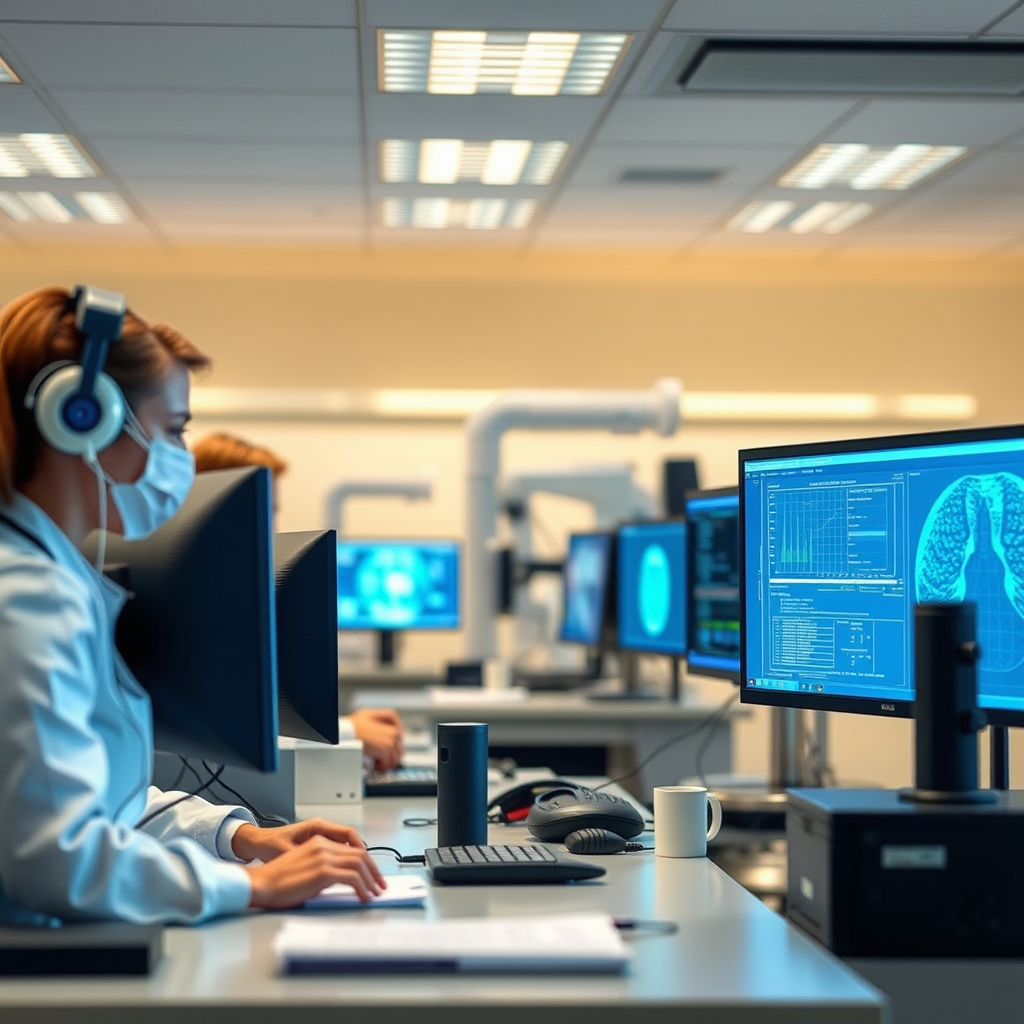
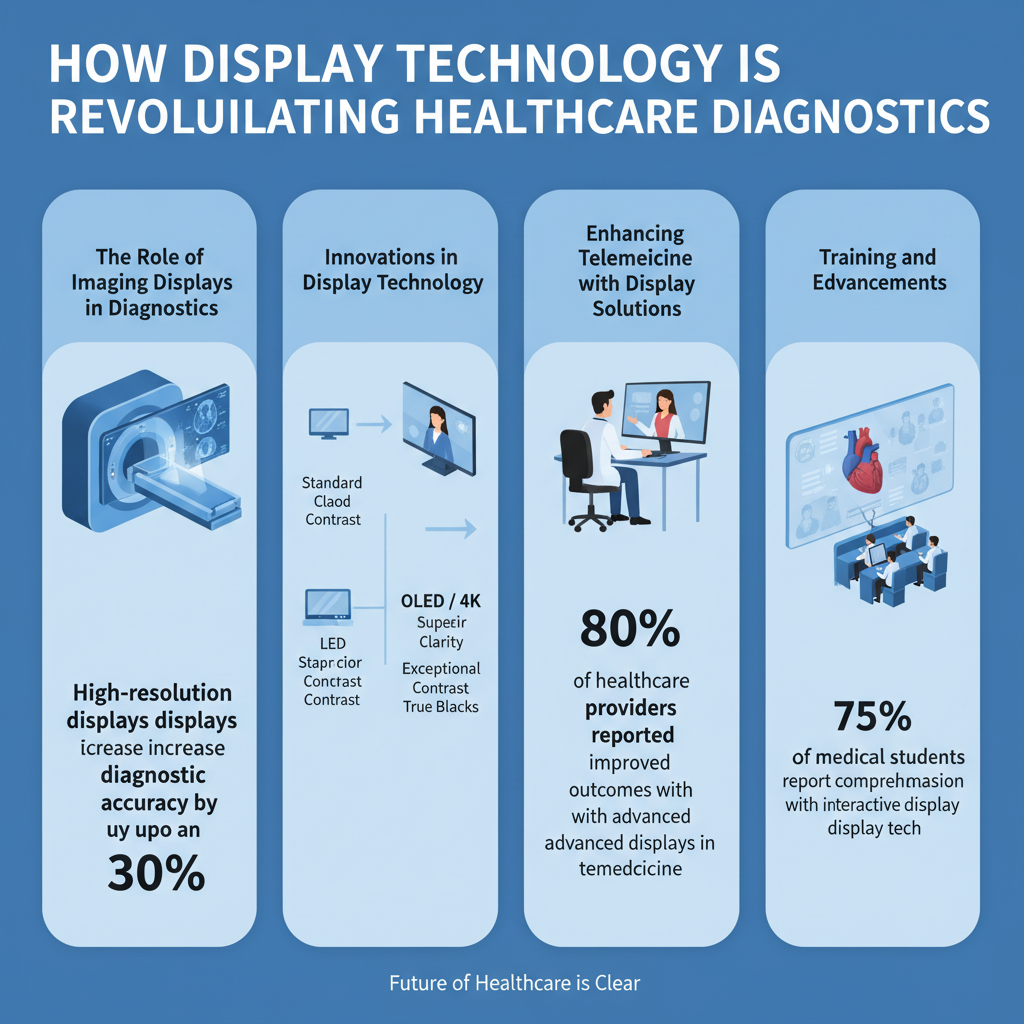
High-resolution imaging displays are at the forefront of revolutionizing diagnostics in healthcare. These displays provide clearer and more detailed visuals, which are crucial when distinguishing between subtle differences in tissue types or identifying abnormalities like tumors or fractures. For example, a radiologist examining an MRI scan on a high-resolution display can spot a small tumor that might be missed on a standard monitor, leading to earlier intervention and better patient outcomes.
Moreover, advancements in contrast and color accuracy play a vital role in medical imaging. Enhanced color reproduction allows healthcare professionals to visualize the differences between various tissue types more effectively. For instance, in mammography, precise color differentiation can help radiologists identify malignant tissues versus benign ones, thus improving the accuracy of breast cancer screenings. With these tools, healthcare providers can make more informed decisions, all of which ultimately contribute to improved patient care.
Innovations in Display Technology
The latest innovations in display technology, particularly OLED (Organic Light Emitting Diode) and LED (Light Emitting Diode), offer substantial benefits for medical imaging. These technologies provide superior brightness and vibrant color reproduction, ensuring that images are not only clearer but also more lifelike. This is particularly important in fields like dermatology, where accurate color representation is crucial for diagnosing skin conditions.
Additionally, the advent of 3D visualization capabilities is a game-changer in healthcare diagnostics. 3D imaging allows for comprehensive assessments of complex anatomical structures, enabling healthcare providers to view organs and tissues from multiple angles. For example, in surgical planning, a 3D representation of a patient’s anatomy can help surgeons visualize the best approach to a procedure, minimizing risks and improving surgical outcomes. This level of detail can significantly enhance preoperative planning and intraoperative navigation, showcasing how integral display technology is becoming in modern medicine.
Enhancing Telemedicine with Display Solutions
The rise of telemedicine has been accelerated by improved display technology. With enhanced imaging displays, healthcare providers can conduct remote consultations with a high level of fidelity, allowing specialists to examine images as if they were in the same room. This capability is crucial in rural or underserved areas where access to specialists may be limited.
Real-time image sharing and collaboration are also enhanced through advanced display solutions. During telehealth appointments, doctors can share high-quality images instantly, facilitating improved decision-making. For instance, a primary care physician can share a patient’s X-ray with an orthopedic specialist, allowing for immediate feedback and collaborative diagnosis. This synergy not only speeds up the diagnostic process but also ensures that patients receive timely care, regardless of their location.
Training and Education Advancements
High-quality displays are not only beneficial for current diagnostic practices but also play a vital role in the training and education of medical professionals. When medical students and professionals engage in training simulations using advanced displays, they experience improved skill acquisition and diagnostic abilities. For example, surgical simulations on high-resolution displays can mimic real-life scenarios, allowing learners to practice techniques in a safe environment.
Interactive display technologies foster a more engaging learning environment, encouraging collaboration and discussion among students and educators. Virtual anatomy labs utilizing advanced imaging displays enable students to explore human anatomy in 3D, enhancing their understanding and retention of complex material. This hands-on approach to learning prepares future healthcare providers to better utilize diagnostic technologies in their practice, ultimately benefiting patient care.
Future Trends in Display Technology for Healthcare
Looking ahead, the future of display technology in healthcare diagnostics is promising, with exciting trends on the horizon. The emergence of augmented reality (AR) and virtual reality (VR) in diagnostics presents opportunities for immersive experiences that can transform medical training and patient education. Imagine a scenario where a medical student can don VR goggles to ‘walk through’ a 3D model of the human body, gaining insights into anatomy and pathology in an interactive manner.
Moreover, predictive analytics and artificial intelligence (AI) are set to leverage display technology for proactive diagnostics and personalized patient care. With the ability to analyze vast amounts of data, AI can assist healthcare professionals by highlighting anomalies in imaging that might otherwise go unnoticed. For example, AI algorithms can analyze CT scans to detect early signs of lung cancer, presenting these findings on advanced displays for immediate review by radiologists. This combination of technology will not only enhance diagnostic accuracy but also pave the way for more tailored treatment plans for patients.
Challenges and Considerations
While the benefits of advanced display technology are evident, there are challenges that healthcare providers must navigate. Ensuring consistent display calibration is crucial for maintaining diagnostic accuracy across different settings. Variations in display settings can lead to discrepancies in image interpretation, which could negatively impact patient care. Regular calibration and adherence to industry standards can help mitigate these risks.
Additionally, addressing the costs associated with upgrading to the latest display technologies can pose a significant challenge, especially for smaller healthcare facilities operating on tight budgets. It’s essential for healthcare organizations to evaluate the long-term benefits of these investments and seek funding or partnerships that can support technological advancements without compromising financial sustainability. Emphasizing the return on investment in terms of improved patient outcomes can help justify these expenditures.
The transformative impact of display technology on healthcare diagnostics is undeniable, resulting in improved accuracy, efficiency, and patient care. As advancements continue, healthcare providers must embrace these innovations and consider their integration into daily practices to stay at the forefront of medical diagnostics. By investing in superior display technologies today, the healthcare industry can ensure a healthier tomorrow for all patients.
Frequently Asked Questions
What are the latest advancements in display technology that are impacting healthcare diagnostics?
Recent advancements in display technology, such as high-resolution imaging, OLED screens, and augmented reality (AR) applications, are significantly enhancing healthcare diagnostics. These technologies allow for clearer and more accurate visualizations of medical images, enabling healthcare professionals to detect abnormalities more effectively. For instance, OLED displays provide better contrast and color reproduction, improving the analysis of complex conditions like tumors or fractures.
How is 3D display technology improving diagnostic imaging in healthcare?
3D display technology is revolutionizing diagnostic imaging by providing a more immersive and interactive experience for healthcare professionals. With 3D imaging, doctors can visualize anatomical structures from multiple angles, leading to better understanding and assessment of conditions. This technology is particularly beneficial in fields like surgery and radiology, where precise details can make a significant difference in treatment outcomes.
Why is color accuracy important in diagnostic displays for healthcare professionals?
Color accuracy in diagnostic displays is crucial because it ensures that medical images are interpreted correctly. Inaccurate colors can lead to misdiagnosis and improper treatment decisions, particularly in fields such as pathology and dermatology where subtle color differences can indicate serious conditions. By utilizing high-quality displays that maintain color fidelity, healthcare providers can enhance diagnostic accuracy and improve patient care.
What are the best practices for implementing display technology in healthcare settings?
To effectively implement display technology in healthcare settings, best practices include investing in high-quality monitors that meet medical standards, ensuring proper calibration and maintenance, and training staff on the use of advanced imaging technologies. Additionally, integrating display technology with existing electronic health records (EHR) systems can streamline workflows and enhance communication among healthcare teams, ultimately improving patient diagnostics and outcomes.
Which display technologies are most commonly used in telemedicine for diagnostics?
In telemedicine, commonly used display technologies include high-definition monitors, tablet screens, and specialized mobile devices equipped with advanced imaging capabilities. These technologies facilitate remote consultations and diagnostics by ensuring that healthcare providers can view high-quality images and data from anywhere. Moreover, the integration of video conferencing and digital imaging systems allows for seamless collaboration between patients and doctors, enhancing the overall telehealth experience.
References
- https://www.sciencedirect.com/science/article/pii/S1369701819301759
- https://www.ncbi.nlm.nih.gov/pmc/articles/PMC7071285/
- https://www.healthit.gov/topic/scientific-initiatives/health-it-and-display-technology
- https://www.wired.com/story/display-technology-healthcare/
- https://www.ncbi.nlm.nih.gov/pmc/articles/PMC7319289/
- https://www.nature.com/articles/s41598-020-60140-1
- https://www.bbc.com/news/technology-56989798