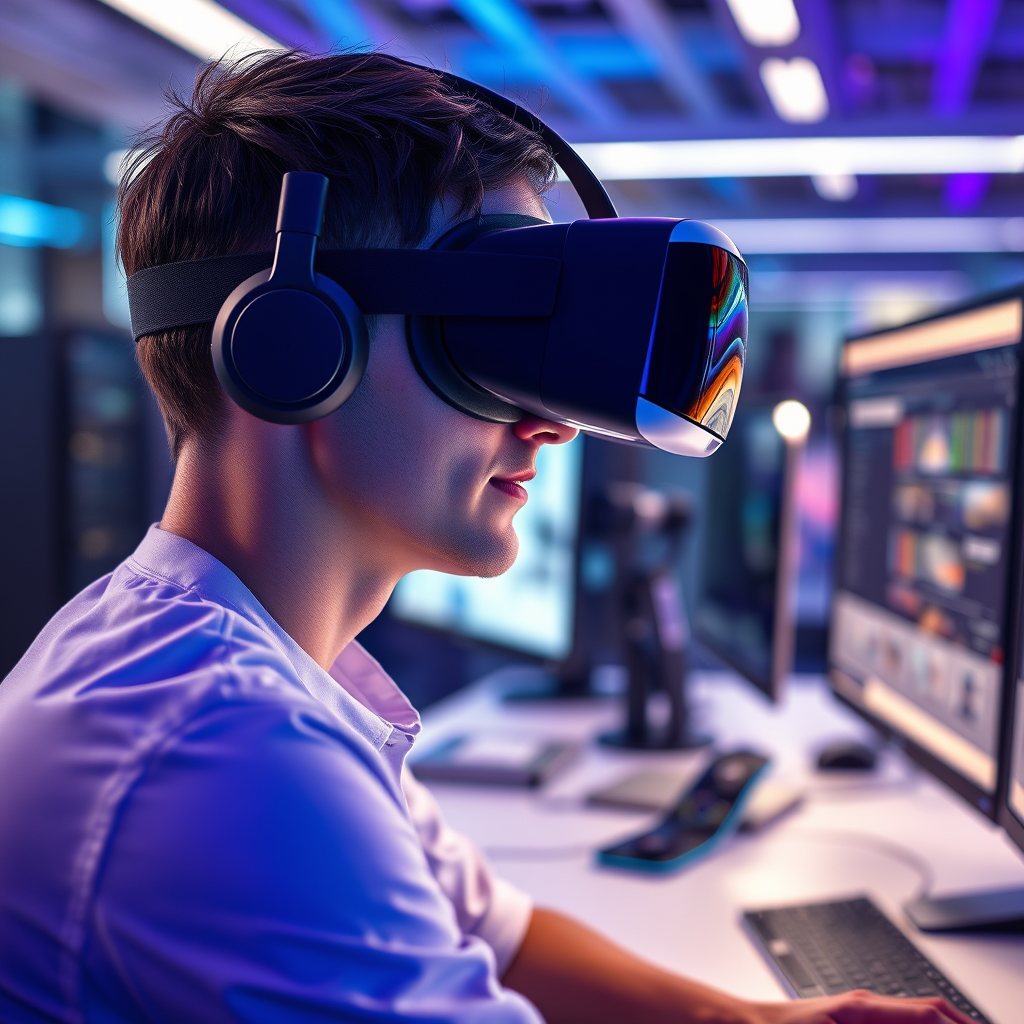
AI-powered avatars significantly enhance virtual reality by creating more immersive and engaging experiences. These intelligent digital entities provide personalized interactions and realistic representations, which elevate user engagement and satisfaction. By leveraging advanced technologies, AI-enhanced avatars are transforming the virtual landscape, making experiences not only more relatable but also incredibly interactive. Let’s dive deeper into how these avatars are reshaping the world of virtual reality and what that means for users across different sectors.



The Role of AI in Avatar Development
The development of avatars has come a long way, primarily due to the application of artificial intelligence. AI algorithms play a crucial role by enabling avatars to learn and adapt to user preferences over time. For instance, if a user frequently interacts with a particular type of content or engages in specific activities, the avatar can adjust its behavior and suggestions to align with these interests. This adaptability creates a more tailored experience that feels personal and engaging.
Moreover, natural language processing (NLP) has revolutionized how avatars communicate. Thanks to NLP, avatars can engage in real-time, conversational interactions with users, making them feel more like companions rather than mere digital representations. Imagine entering a virtual space where your avatar can discuss your favorite topics, share insights, or even crack jokes based on your interests. This level of interaction not only enhances the realism of virtual environments but also fosters a genuine connection between users and their avatars.
Enhancing User Engagement Through Personalization

One of the standout features of AI-powered avatars is their ability to offer customization options that cater to individual user identities and preferences. Users can design their avatars to reflect their personality, style, and even mood, making the virtual experience much more relatable. For example, in social VR platforms like VRChat, users can create avatars that mirror their real-life selves or explore fantastical representations, providing a space for self-expression and creativity.
Additionally, AI-driven suggestions help tailor experiences based on user behavior and feedback. If you frequently choose certain activities in a virtual world, your AI avatar can recommend similar experiences or even introduce you to new content that aligns with your interests. This level of personalization not only keeps users engaged but also encourages them to explore the virtual environment more deeply, creating a sense of discovery and adventure.
Realism in Virtual Interactions
The realism of virtual interactions is significantly enhanced by advanced graphics and motion capture technology. Today’s avatars can exhibit lifelike movements, facial expressions, and gestures, making interactions feel more natural and engaging. For instance, systems like Full-Body Tracking in VR allow users to see their avatars move in sync with their own body movements, creating a seamless connection between the real world and virtual experiences.
Emotional recognition is another groundbreaking feature that enhances realism in virtual interactions. By using facial recognition and sentiment analysis, AI-powered avatars can respond appropriately to users’ emotional cues. If a user appears frustrated or happy, the avatar can adjust its responses accordingly, offering empathetic interactions that resonate with the user’s feelings. This emotional intelligence not only makes virtual interactions feel more authentic but also encourages users to engage more deeply in their virtual experiences.
Applications of AI-Powered Avatars in Various Industries
AI-powered avatars have found applications across a range of industries, transforming how people engage in various fields. In gaming, for example, avatars facilitate deeper immersion and storytelling. Players can connect with their avatars on a personal level, making the gaming experience more compelling. Games like “The Last of Us Part II” feature rich storytelling where avatars convey deep emotions, allowing players to form strong attachments to the characters.
In the realm of education, AI avatars can act as personalized tutors and mentors. Imagine a virtual classroom where students interact with an avatar that adapts its teaching style to fit their learning preferences. These avatars can provide instant feedback, answer questions, and even motivate students, making learning more accessible and engaging. Platforms like ENGAGE and ClassVR are already incorporating these technologies, paving the way for more interactive and effective educational experiences.
Challenges and Considerations
While the potential of AI-powered avatars is immense, there are challenges and considerations that must be addressed. One major concern is the ethical implications regarding privacy and data usage. As avatars collect data to personalize experiences, it’s crucial for developers to ensure that this information is handled responsibly and transparently. Users should feel confident that their data is secure and used solely to enhance their virtual experience.
Another consideration is the balance between realism and user comfort. The concept of the “uncanny valley” suggests that as avatars become more lifelike, they can also become unsettling if they don’t quite match human characteristics. Striking the right balance is essential to ensure that users feel comfortable and engaged rather than disturbed by avatars that appear almost human, but not quite.
Future Trends in AI and Virtual Reality Avatars
Looking ahead, the future of AI-enhanced avatars in virtual reality is bright. Continued advancements in AI will lead to even more sophisticated avatar behaviors, allowing for truly interactive and dynamic experiences. For example, we may see avatars that not only respond to verbal cues but can also anticipate user needs based on previous interactions.
Additionally, the integration of augmented reality (AR) may expand the use of avatars beyond traditional VR settings. Imagine walking through your neighborhood and interacting with an AR avatar that provides information about local businesses or events. This fusion of AR and VR could create unprecedented opportunities for social engagement and learning, making digital interactions a seamless part of everyday life.
AI-powered avatars are revolutionizing virtual reality by making it more interactive, personalized, and lifelike. As technology continues to evolve, these avatars will play a crucial role in shaping how users engage with digital environments. From enhancing educational experiences to transforming the gaming landscape, the possibilities are endless. For those interested in experiencing the future of virtual interaction, now is the time to explore the exciting offerings that AI-enhanced avatars bring to the table.
Frequently Asked Questions
What are AI-powered avatars and how do they work in virtual reality?
AI-powered avatars are digital representations of users that utilize artificial intelligence to enhance interactivity and realism within virtual reality (VR) environments. These avatars can analyze user behavior, adapt to interactions, and respond in real-time, creating a more immersive experience. By employing machine learning algorithms, they can mimic human-like gestures, facial expressions, and even voice modulation, making virtual interactions feel more natural and engaging.
How do AI avatars improve user experience in virtual reality applications?
AI avatars significantly enhance user experience in virtual reality by providing personalized interactions and dynamic responses. They can adjust their behavior based on the user’s emotional state and preferences, leading to more meaningful and relevant engagements. This adaptability helps users feel more connected and invested in the virtual environment, whether in gaming, training simulations, or social interactions, ultimately fostering a deeper sense of presence.
Why are AI avatars crucial for social interactions in virtual reality?
AI avatars are crucial for social interactions in virtual reality because they facilitate more authentic communication between users. By leveraging natural language processing and emotion recognition, these avatars can interpret and respond to social cues effectively, allowing for smoother conversations and collaboration in shared VR spaces. This technology reduces the disconnect often felt in traditional digital interactions, making virtual gatherings feel more like real-life experiences.
What are the best use cases for AI-powered avatars in virtual reality?
The best use cases for AI-powered avatars in virtual reality include gaming, virtual training, and therapeutic applications. In gaming, they enhance player immersion through realistic NPC interactions. For training, AI avatars can simulate real-world scenarios, providing learners with hands-on experience in a risk-free environment. Additionally, in therapy, they can serve as supportive companions, facilitating guided sessions for mental health improvement, thus broadening the scope of VR’s applications.
Which technologies are essential for creating effective AI avatars in virtual reality?
Creating effective AI avatars in virtual reality relies on several critical technologies, including machine learning, computer vision, and natural language processing. Machine learning allows avatars to learn from user interactions and improve over time, while computer vision enables them to recognize and interpret gestures and facial expressions. Natural language processing facilitates realistic communication, making avatars capable of understanding and responding to spoken language, thus enhancing the overall immersive experience in VR.
References
- Virtual reality
- https://www.sciencedirect.com/science/article/pii/S1877050921003742
- https://www.bbc.com/news/technology-56514364
- https://www.wired.com/story/vr-avatar-research/
- https://www.nytimes.com/2022/02/19/technology/virtual-reality-avatars.html
- https://www.psychologicalscience.org/observer/the-future-of-avatars-in-virtual-reality
- https://www.nsf.gov/news/special_reports/vr/index.jsp
- https://www.theguardian.com/technology/2021/nov/01/avatars-virtual-reality-gaming-technology