Virtual reality (VR) games that utilize advanced display technology offer immersive experiences that transport players to entirely new worlds. If you’re looking for a thrilling dive into breathtaking graphics and seamless gameplay, you’ve come to the right place! In this article, you’ll discover the top VR games leveraging cutting-edge visual capabilities, enhancing gameplay with stunning graphics and smooth frame rates that keep players engaged and enthralled.



The Role of Advanced Display Technology in VR Gaming
Enhanced immersion is one of the most significant benefits of high resolution and refresh rates in VR gaming. When you’re wearing a headset that displays visuals at high resolution, every detail comes to life, from the shimmer of a sword in a fantasy world to the intricacies of a bustling cityscape. A higher refresh rate, typically 90Hz or more, ensures that the visuals are smooth and fluid, reducing motion sickness and enhancing realism. This combination of clarity and fluidity allows players to feel as though they’re truly part of the game world, rather than just observers.
Realism in visuals plays a crucial role in user engagement. When graphics are realistic, players are more likely to connect emotionally with the game. High-fidelity graphics can create an environment that feels alive, with dynamic lighting, shadows, and textures that react realistically to player actions. This level of detail not only boosts immersion but also encourages players to explore their surroundings, interact with the environment, and invest time in the game itself.
Top VR Games with Advanced Graphics
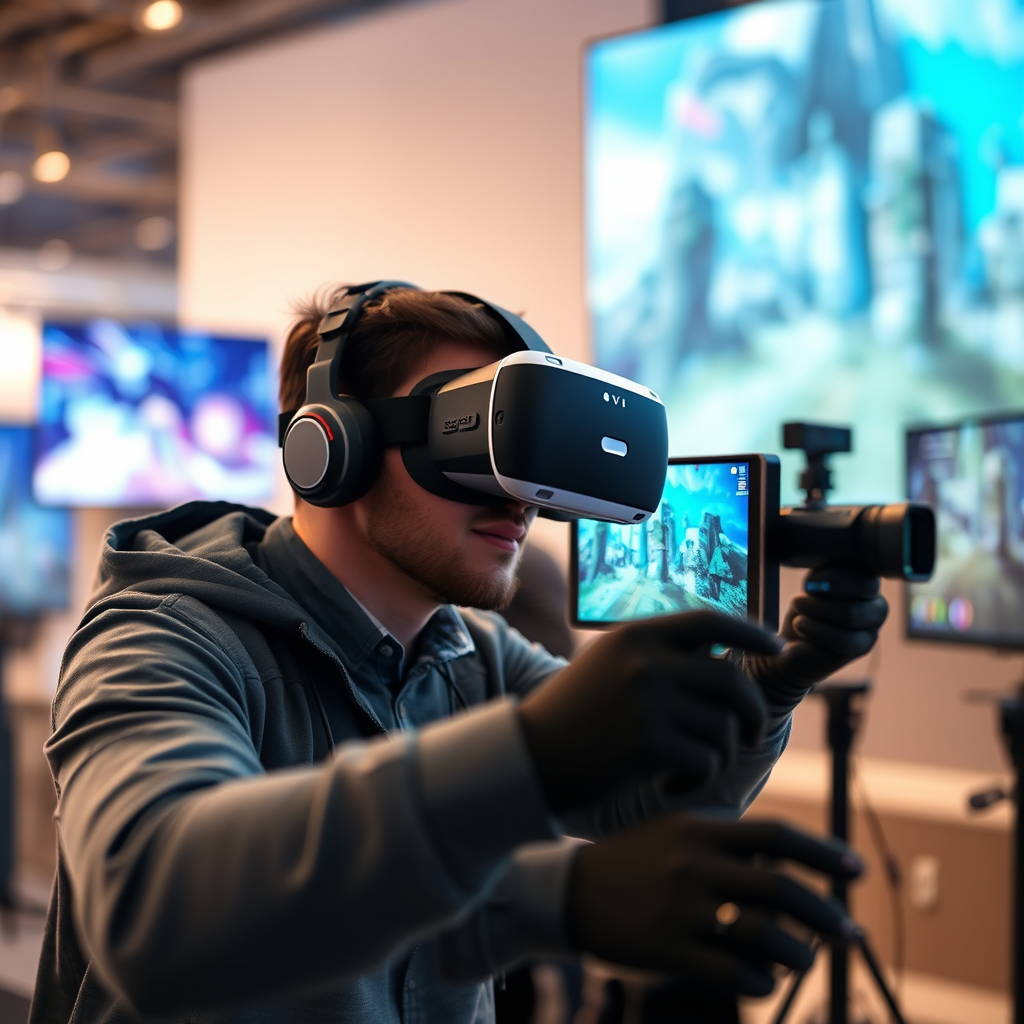
Game 1: Half-Life: Alyx
Half-Life: Alyx is often hailed as one of the best VR games available, showcasing the potential of advanced display technology. The gameplay mechanics involve solving puzzles, engaging in combat, and exploring a richly populated world filled with detailed environments and interactive objects. The game utilizes high-resolution textures and advanced lighting techniques that enhance immersion. Players have praised the way the game’s environments are layered with depth, making every corner feel like a new discovery. The smooth frame rates and incredible visual fidelity make it a benchmark for VR gaming.
Game 2: Resident Evil 7: Biohazard
Resident Evil 7: Biohazard takes a different approach to graphics that focuses heavily on realism to create a terrifying atmosphere. The game leverages high-resolution graphics to deliver chilling visuals that make every jump scare feel real. Players have noted the stunning attention to detail in the environments, which contribute to the game’s horror theme. The combination of realistic graphics, sound design, and immersive gameplay has garnered significant praise, making it a must-play for VR enthusiasts. The game’s ability to render detailed visuals without sacrificing performance has set a new standard in the genre.
Innovations in VR Display Technology
OLED vs. LCD
When it comes to VR displays, OLED and LCD technologies each offer unique benefits. OLED (Organic Light Emitting Diode) displays provide vibrant colors and deeper blacks, which enhance the overall visual experience. This is particularly beneficial in dark environments, commonly found in horror or stealth games. On the other hand, LCD (Liquid Crystal Display) panels are typically more affordable and can achieve higher refresh rates. They are also less prone to burn-in effects, making them suitable for gaming. The choice between these technologies often boils down to personal preference and budget, but both have their place in the evolving landscape of VR gaming.
Foveated rendering
Foveated rendering is a groundbreaking technology that optimizes performance by reducing the graphical detail in peripheral vision areas while maintaining high fidelity in the player’s direct line of sight. This technique not only improves frame rates but also minimizes the processing power needed for rendering complex visuals, allowing for richer details where they matter most. As developers continue to adopt foveated rendering, we can expect even more visually stunning games, as players will experience higher performance without sacrificing quality.
The Future of VR Game Development
Trends in display technology
As we look toward the future, several trends in display technology are emerging that promise to enhance the VR gaming experience even further. Advancements in resolution, such as 4K and beyond, will lead to even sharper visuals. Additionally, improvements in refresh rates and latency reduction will create a more seamless and engaging experience. Innovations like eye-tracking and haptic feedback technology are also being integrated, promising to make interactions in VR more intuitive and immersive than ever before.
Developer insights
Experts in the field believe that as hardware continues to improve, the aesthetic quality of VR games will soar. Developers are focusing on creating more interactive environments that leverage these advancements in display technology. They emphasize the importance of balancing graphical fidelity with performance, ensuring that players can enjoy a visually stunning experience without compromising gameplay fluidity.
User Experience and Feedback
Community reviews
Player feedback is invaluable when evaluating the impact of advanced display technology in VR games. Many players rave about the immersive experiences provided by titles like Half-Life: Alyx and Resident Evil 7. Community reviews often highlight the emotional connection fostered by realistic graphics, with players feeling genuinely transported to the game worlds. This emotional engagement is a strong testament to the importance of advanced visual technology in enhancing user experience.
Gameplay performance
Technical performance also plays a crucial role in user satisfaction. Players have reported that games utilizing advanced graphics technology exhibit fewer glitches, smoother frame rates, and more engaging gameplay. This optimization is essential for maintaining immersion, as any hiccup in performance can pull players out of the experience. The seamless integration of advanced display technology ensures that players can focus on enjoying the game without distractions.
Recommendations for VR Headsets
Best headsets for high-end graphics
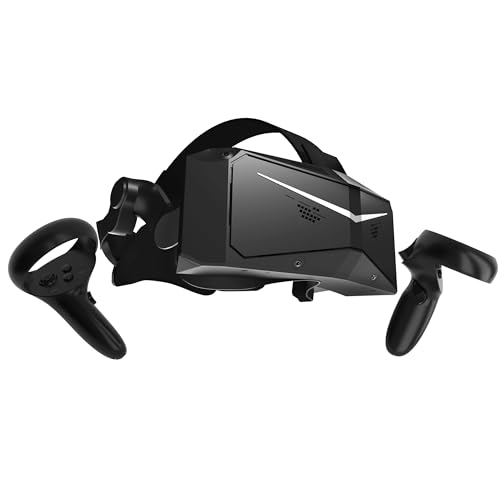
When it comes to enjoying advanced graphics in VR gaming, some headsets stand out. The Valve Index offers a high refresh rate and impressive field of view, making it perfect for players seeking top-notch visuals. The HTC Vive Pro 2 also deserves a mention, with its stunning 2448 x 2448 resolution per eye, providing crystal-clear images that enhance the gaming experience.
Budget-friendly alternatives
For those on a budget, the Oculus Quest 2 is a fantastic choice. It offers a solid balance of performance and affordability, with impressive visuals that make it suitable for many advanced VR titles. The HP Reverb G2 is another budget-friendly option that provides excellent clarity and comfort, making it a great pick for both casual and serious gamers alike.
In summary, the world of VR gaming is flourishing thanks to advanced display technology that enhances both immersion and realism. The games mentioned here, along with the insights into display technology, highlight the importance of selecting the right titles and equipment for the best experience. We encourage you to explore the games and consider investing in advanced display technology for your VR setups, ensuring you enjoy the most engaging and visually stunning experiences available in the world of virtual reality. Happy gaming!
Frequently Asked Questions
What are the key features of VR games that utilize advanced display technology?
VR games that leverage advanced display technology often include high-resolution visuals, wider field of view (FOV), and faster refresh rates. These features enhance immersion by providing clearer images and smoother motion, which significantly reduces motion sickness and enhances user experience. Additionally, technologies like OLED and Mini-LED displays can improve color accuracy and contrast, making virtual environments feel more realistic.
How do advanced display technologies improve gameplay in VR games?
Advanced display technologies improve gameplay in VR games by enhancing visual clarity and responsiveness. High refresh rates (90Hz or above) can minimize lag, ensuring that the visuals respond to the player’s movements in real-time. This results in a smoother experience, making it easier to navigate complex environments and perform intricate actions, ultimately enhancing the overall enjoyment and engagement in the game.
Why is the refresh rate important in VR gaming, and what is considered ideal?
The refresh rate is crucial in VR gaming because it directly impacts how smoothly the game runs and how responsive the visuals are to player movements. A refresh rate of at least 90Hz is considered ideal for VR, as it helps reduce motion blur and latency, which can cause discomfort or motion sickness during extended play. Higher refresh rates can lead to an even more fluid experience, enhancing immersion and player comfort.
Which VR games are known for their use of cutting-edge display technology?
Some of the standout VR games known for their advanced display technology include “Half-Life: Alyx,” “Boneworks,” and “The Walking Dead: Saints & Sinners.” These titles utilize high-resolution graphics, realistic physics, and innovative visual effects to create immersive environments. Players looking for stunning visuals and engaging gameplay should consider these titles as they fully exploit the capabilities of modern VR hardware.
What should I consider when choosing a VR headset with advanced display technology?
When selecting a VR headset, consider the resolution, refresh rate, field of view, and display type (LCD, OLED, etc.). A higher resolution provides sharper images, while a higher refresh rate ensures smooth motion. Additionally, a wider field of view can enhance immersion by allowing you to see more of the virtual environment. Ensure the headset is compatible with the games you want to play and fits comfortably for extended sessions.
References
- Virtual reality
- https://www.theverge.com/2021/3/30/22355625/vr-headset-display-technology-explained
- https://www.bbc.com/future/article/20201030-how-virtual-reality-is-revolutionising-gaming
- https://www.sciencedirect.com/science/article/pii/S1877050920300753
- https://www.nytimes.com/2020/10/22/technology/virtual-reality-gaming.html
- https://www.wired.com/story/what-is-virtual-reality/
- https://www.researchgate.net/publication/328241502_Virtual_Reality_Games_A_Review_of_Recent_Advances_in_Virtual_Reality_Gaming_Technology
- https://www.techcrunch.com/2021/04/12/the-future-of-vr-gaming/
- https://www.theguardian.com/games/2021/jun/23/the-best-vr-games-2021