

Smart glasses leverage augmented reality (AR) displays to seamlessly integrate digital information with the real world, enhancing user experiences in various applications. By overlaying virtual elements onto our physical surroundings, these innovative devices make it easier to access information, communicate, and interact with the world. As we dive deeper into how smart glasses work, their benefits, and their potential future, you’ll discover just how transformative this technology can be.
Understanding Augmented Reality

Augmented reality (AR) is a technology that superimposes computer-generated images, sounds, and other sensory enhancements onto the real world. Unlike virtual reality (VR), which immerses users in a completely digital environment, AR enhances the existing environment by adding layers of digital content. This technology finds applications in various fields, such as gaming, education, retail, and training simulations.
For instance, applications like Pokémon GO have popularized AR in gaming, allowing players to catch virtual creatures in real-world locations. In education, AR apps can bring textbooks to life by displaying animations or interactive 3D models when viewed through a device. The key distinction between AR and VR lies in their user experience: AR enriches reality, while VR replaces it.
How Smart Glasses Work
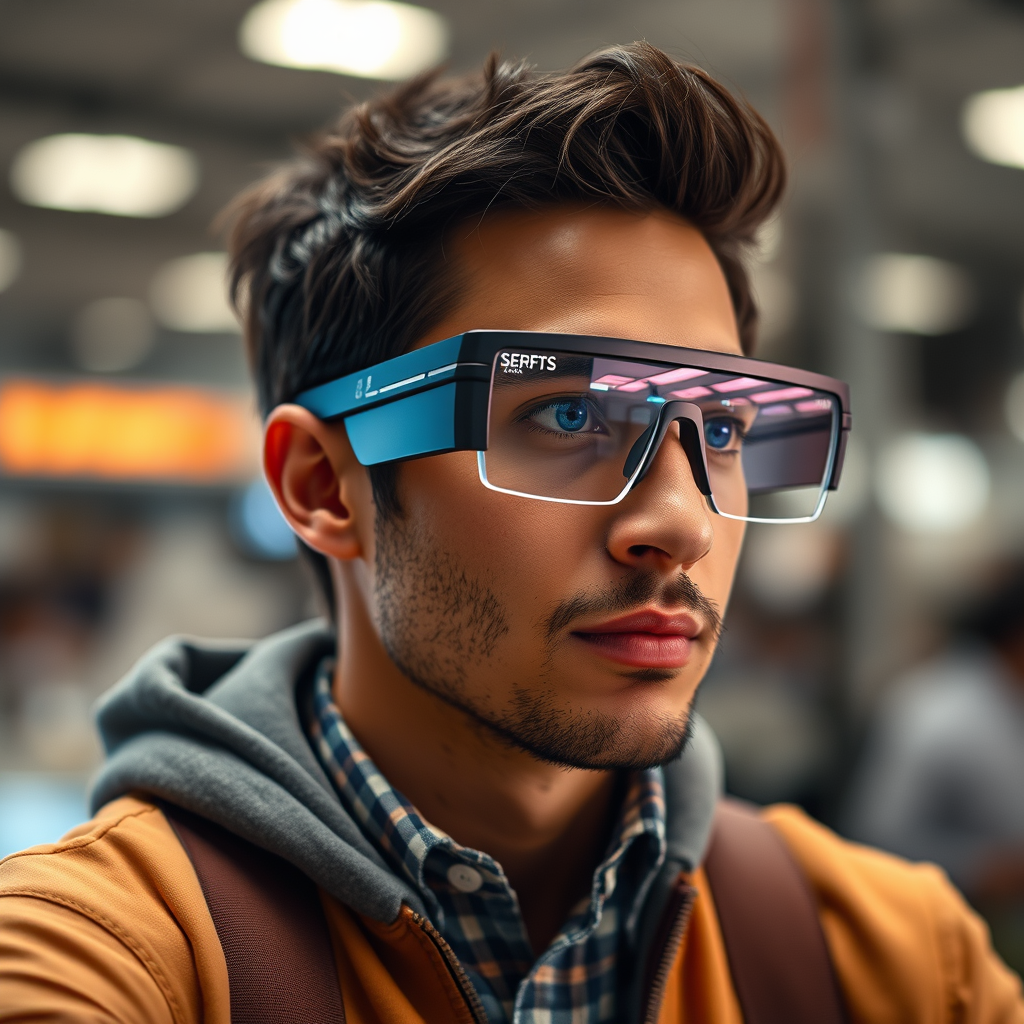
At the heart of smart glasses is a sophisticated combination of sensors, displays, and software that work together to deliver augmented reality experiences. These devices typically include cameras, accelerometers, gyroscopes, and other sensors that help track the user’s movements and surroundings. The data collected by these sensors enables the glasses to understand their position in space and overlay digital content accurately.
Smart glasses utilize transparent or semi-transparent displays to present AR content in real-time. This means that as you look through the glasses, you can see both the real world and the digital information layered on top of it. For example, a user might see navigation directions projected onto the road ahead or receive real-time notifications about nearby points of interest without having to look down at a smartphone.
Key Features of Smart Glasses
Smart glasses come equipped with a variety of features that enhance their usability and functionality. Common features include heads-up displays, which project essential information directly into the user’s line of sight. This allows for hands-free access to data while maintaining awareness of the physical environment.
Voice commands are another popular feature, enabling users to control their smart glasses without needing to touch any buttons. This hands-free operation is particularly beneficial in scenarios where users are engaged in complex tasks or need to maintain their focus on their surroundings.
Gesture controls are also becoming increasingly prevalent, allowing users to navigate menus and interact with applications through simple hand movements. Some of the popular smart glasses on the market today include Google Glass, Microsoft HoloLens, and Vuzix Blade, each offering unique functionalities tailored to various industries.
Applications of Smart Glasses
The applications of smart glasses are vast and varied, spanning several industries. In healthcare, for example, surgeons can use smart glasses to access patient data and surgical guidelines hands-free during operations, improving efficiency and accuracy. Similarly, in manufacturing, workers can use AR overlays to receive real-time instructions on assembly procedures, significantly reducing errors and training time.
In education, smart glasses facilitate immersive learning experiences, allowing students to explore complex subjects in a more interactive manner. For instance, an anatomy class might use AR to visualize the human body in 3D, helping students grasp intricate concepts more effectively.
Real-world scenarios abound where smart glasses improve efficiency and productivity. Imagine a technician repairing machinery with step-by-step instructions displayed in their field of vision, or a tourist receiving historical information about landmarks as they explore a new city—all made possible by smart glasses.
Benefits of Using Smart Glasses
One of the most compelling benefits of smart glasses is the enhanced user experience they provide. By integrating digital content with the real world, users can interact with their environment in more meaningful ways. This interactivity leads to a richer experience, whether it’s navigating through a city, learning a new skill, or even playing games.
Moreover, smart glasses also improve accessibility for individuals with disabilities. For instance, AR apps can assist visually impaired users by providing auditory cues about their surroundings, helping them navigate more confidently. This technology can empower people with disabilities to engage more fully in activities they might have previously found challenging.
Challenges and Limitations
Despite their potential, smart glasses face several challenges and limitations. Current technological constraints, such as battery life and field of view, can hinder user experience. Many smart glasses require frequent recharging, which can be inconvenient for users who rely on them throughout the day. Additionally, the limited field of view can restrict the amount of information displayed, making it difficult for users to fully immerse themselves in the augmented experience.
Privacy concerns also loom large, especially when smart glasses are used in public spaces. The ability to capture images or videos without others’ consent raises ethical questions about surveillance and privacy. Building user trust and establishing guidelines for responsible use will be crucial as this technology continues to evolve.
The Future of Smart Glasses
Looking ahead, the future of smart glasses is bright, with predictions for significant advancements in AR technology and smart eyewear. Innovations such as improved battery life, enhanced processor capabilities, and more sophisticated sensors will likely drive the next generation of smart glasses. These advancements could enable even more realistic and immersive experiences, further blurring the lines between the digital and physical worlds.
Potential new applications for AR-enabled eyewear are also exciting to consider. Industries like tourism, retail, and entertainment could see revolutionary changes as smart glasses become more integrated into everyday life. Imagine trying on clothes virtually before making a purchase or experiencing interactive storytelling during a live performance. The possibilities are endless!
As smart glasses continue to evolve and gain traction, they may very well become a staple in our daily lives, transforming how we interact with the world around us.
Smart glasses represent a significant leap in technology, merging the digital and physical worlds through augmented reality displays. As the technology evolves, we can expect even more innovative uses and improvements that will transform how we interact with our environment. Explore smart glasses today to stay ahead in this exciting technological frontier!
Frequently Asked Questions
What are smart glasses and how do they utilize augmented reality displays?
Smart glasses are wearable devices that integrate augmented reality (AR) technology to superimpose digital information onto the real world. They typically feature transparent displays or lenses that allow users to see digital overlays, such as notifications, navigation prompts, or even 3D models, while still being aware of their surroundings. This unique combination enhances user experience in various applications, from navigation and fitness tracking to gaming and professional tasks.
How do smart glasses with augmented reality enhance user experiences in daily life?
Smart glasses equipped with augmented reality can significantly enhance daily experiences by providing hands-free access to information. For instance, they can display navigation directions directly in a user’s line of sight, provide real-time translation of foreign signs, or assist with complex tasks by overlaying instructions. This seamless integration of digital information allows users to multitask efficiently without the need to consult their smartphones or other devices.
Why should I consider using smart glasses with AR compared to traditional methods?
Using smart glasses with augmented reality offers numerous advantages over traditional methods, including increased productivity and convenience. Unlike smartphones or tablets, smart glasses allow for hands-free operation, which is particularly beneficial in situations where users need to keep their hands free, such as while cooking or repairing machinery. Additionally, the immersive experience of AR can enhance learning and retention, making it an effective tool for training and skill development.
What are the best use cases for smart glasses with augmented reality displays?
The best use cases for smart glasses featuring augmented reality include fields such as healthcare, manufacturing, logistics, and education. In healthcare, AR can assist surgeons with real-time data during operations; in manufacturing, it can provide assembly instructions directly in the user’s view. In education, AR can create interactive learning experiences, while in logistics, it can streamline inventory management by displaying real-time data about stock levels and locations directly in the warehouse environment.
Which brands offer the most effective smart glasses with augmented reality capabilities?
Several leading brands offer effective smart glasses with augmented reality capabilities, including Microsoft with its HoloLens, Google with its Glass Enterprise Edition, and Vuzix with its Blade smart glasses. These brands have developed user-friendly interfaces, robust applications, and strong support ecosystems, making them ideal choices for both consumers and professionals seeking to leverage AR technology. It’s important to consider factors such as battery life, display quality, and the range of available applications when choosing the best smart glasses for your needs.
References
- Smartglasses
- https://www.sciencedirect.com/science/article/pii/S1877050919310807
- https://www.nature.com/articles/s41598-020-79747-9
- https://www.bbc.com/news/technology-49477428
- https://www.reuters.com/technology/smart-glasses-augmented-reality-2021-09-23/
- https://www.technologyreview.com/2021/09/23/1036175/augmented-reality-smart-glasses/
- https://www.wired.com/story/smart-glasses-augmented-reality/
- https://www.techcrunch.com/2021/09/23/smart-glasses-augmented-reality/