
By utilizing AI-powered eye tracking technology, display brightness can be automatically adjusted to enhance user experience and reduce eye strain. This innovative approach ensures optimal visibility based on where the user is looking, adapting in real-time to varying lighting conditions. As a result, it creates a more comfortable viewing experience, particularly for those who spend extended hours in front of screens. In this article, we’ll explore how this technology works and its benefits.
Understanding Eye Tracking Technology
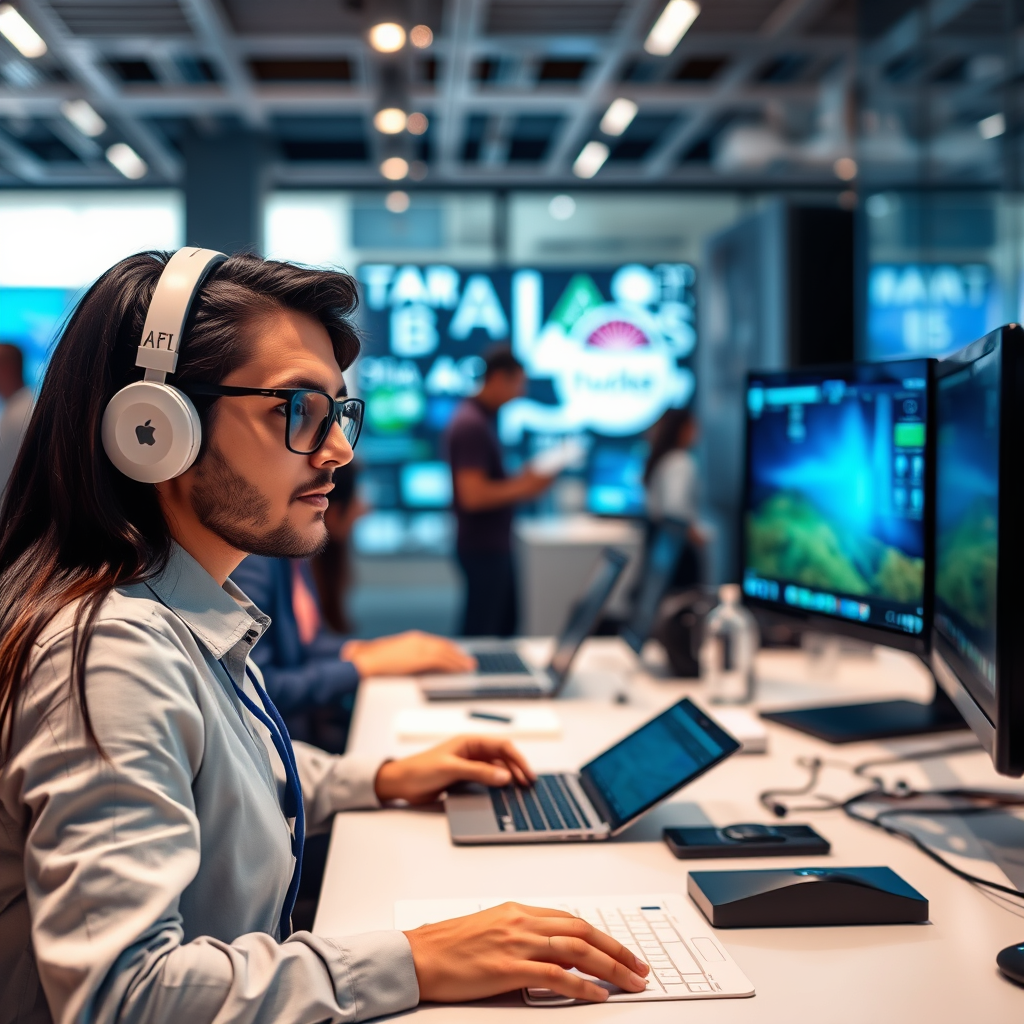
Eye tracking technology is a fascinating field that leverages sensors and cameras to monitor eye movements, providing insights into where a user is focused. This is accomplished through a combination of infrared cameras and algorithms that detect the position of the eyes and the direction of the gaze. For instance, when you look at a specific part of your screen, the eye-tracking system captures that data, allowing for instant adjustments to the display settings.
The technology goes beyond mere gaze detection; it also collects data on pupil dilation, which can indicate levels of engagement or stress. By analyzing these metrics, the technology can determine when to brighten or dim the display, ensuring that the content is always visible without causing discomfort. This real-time feedback loop makes eye tracking a powerful tool for enhancing user interaction with digital displays.
How AI Enhances Eye Tracking
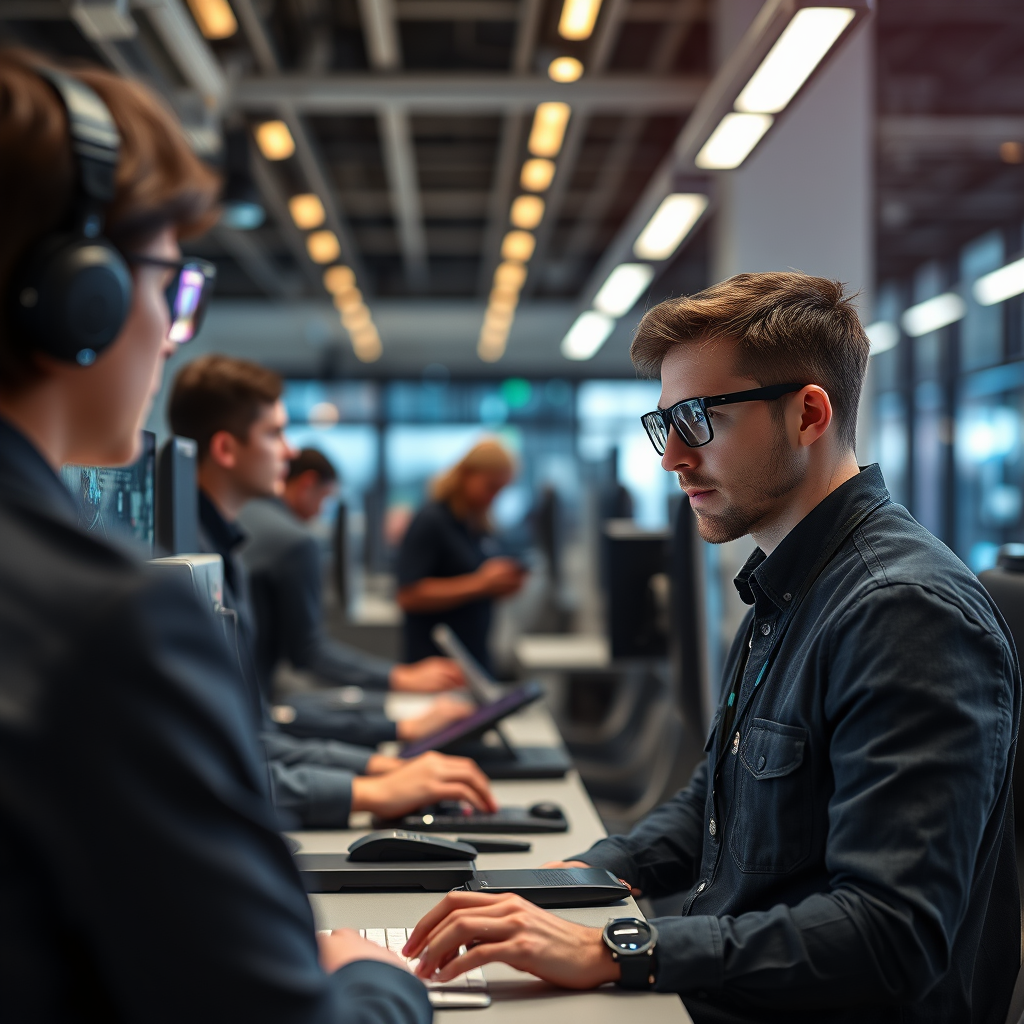
Artificial intelligence takes eye tracking to the next level by analyzing the real-time data collected from the eye-tracking system. AI algorithms process this information to predict user needs and preferences, resulting in more intuitive and personalized experiences. For example, if you frequently adjust your screen brightness manually based on your surroundings, an AI-powered system can learn these patterns and autonomously make similar adjustments in the future.
Machine learning capabilities are pivotal in this process. The more a user interacts with their device, the smarter the system becomes. It can identify trends, such as a user needing brighter settings in the morning or dimmer settings in the evening, and adjust accordingly. This proactive approach not only enhances comfort but also significantly reduces the hassle of manual adjustments, allowing users to focus on their tasks without distraction.
Benefits of Adjusting Display Brightness
The benefits of dynamically adjusting display brightness are extensive. One of the primary advantages is the reduction of eye strain and discomfort, especially in environments with fluctuating lighting conditions. For instance, if you’re working in a brightly lit room and then transition to a dimly lit space, an AI-powered system can automatically adjust the brightness of your display to match the lighting, helping to alleviate stress on your eyes.
Moreover, this technology improves visibility and clarity for users, which can enhance overall productivity and focus. When the display brightness is optimized, content becomes easier to read, reducing the time spent squinting or straining to see. This is particularly beneficial for tasks that require long periods of concentration, such as reading, graphic design, or programming. Research has shown that optimal lighting conditions can lead to better performance and reduced fatigue, making this technology a valuable asset for anyone who uses screens for work or leisure.
Application in Different Devices
AI-powered eye tracking technology finds its applications across a variety of devices, making it incredibly versatile. In laptops and desktops, for example, the system can adapt brightness based on user focus. If you’re engrossed in a document, the display can brighten to ensure clarity, while dimming when you look away, which can save battery life in the process.
Smartphones and tablets also benefit from this technology. Imagine reading an eBook on a tablet that automatically adjusts its brightness based on the ambient light in the room. Not only does this enhance readability, but it also conserves battery life by reducing brightness when it isn’t needed. Furthermore, as users shift their gaze from one part of the screen to another, the display can continuously adapt, ensuring a seamless experience.
Challenges and Limitations
Despite its advantages, AI-powered eye tracking technology does face some challenges and limitations. One significant hurdle is the accuracy of eye tracking in diverse lighting conditions. For instance, bright sunlight can create glare that interferes with the eye tracking sensors, making it difficult for the system to gauge user focus accurately. Additionally, the complexity of developing advanced hardware that can support these features poses another challenge.
Privacy concerns also arise with continuous eye tracking data collection. Users may feel uncomfortable knowing that their eye movements are being monitored, raising questions about data security and personal privacy. Manufacturers must address these concerns by ensuring transparent data practices and offering users control over their data usage.
Future Trends in Eye Tracking Technology
The future of eye tracking technology is promising, with anticipated advancements in AI algorithms expected to lead to even more accurate and responsive brightness adjustments. As technology evolves, we can expect systems that not only adjust brightness but also provide insights into user engagement and comfort levels.
Moreover, the integration of eye tracking with augmented reality (AR) and virtual reality (VR) systems could revolutionize user experiences across platforms. Imagine a VR environment where the display adjusts based on where a user is looking, enhancing immersion and realism. Such advancements would not only improve usability but also open up new avenues for interactive applications in gaming, training, and education.
The use of AI-powered eye tracking for adjusting display brightness not only enhances user comfort but also represents the cutting edge of adaptive technology. By understanding how this technology works and its potential applications, users can fully leverage its benefits. Explore devices that incorporate this innovative feature and experience the difference it can make in your daily interactions with screens. As technology continues to advance, embracing these innovations will empower users to enjoy a more comfortable and productive digital environment.
Frequently Asked Questions
What is AI-powered eye tracking and how does it adjust display brightness?
AI-powered eye tracking is a technology that uses artificial intelligence to monitor and analyze eye movements. By detecting where a user is looking, the system can intelligently adjust the display brightness in real-time to enhance visibility and reduce eye strain. This dynamic adjustment ensures optimal viewing conditions, especially in varying lighting environments.
How does AI eye tracking improve user experience in terms of display brightness?
AI eye tracking enhances user experience by automatically adapting display brightness based on the user’s gaze and surrounding light conditions. This means the display can become brighter in well-lit environments and dimmer in darker settings, reducing glare and improving visual comfort. As a result, users can enjoy prolonged screen time without discomfort, leading to a more enjoyable interaction with digital content.
Why is adjusting display brightness important for eye health?
Proper display brightness is crucial for eye health as excessive brightness can lead to glare, while insufficient brightness can cause eye strain and fatigue. AI-powered eye tracking helps maintain an optimal brightness level tailored to the user’s needs, minimizing the risk of digital eye strain and enhancing overall visual comfort. This is especially important for individuals who spend long hours in front of screens, as it encourages healthier viewing habits.
Which devices commonly use AI-powered eye tracking for brightness adjustment?
AI-powered eye tracking for brightness adjustment is commonly found in high-end smartphones, laptops, and monitors that prioritize user comfort and advanced features. Many modern devices integrate this technology to provide a seamless experience, particularly in gaming and professional applications where extended screen time is prevalent. Additionally, virtual reality (VR) headsets utilize eye tracking to optimize display settings for immersive experiences.
What are the best practices for using AI eye tracking to optimize display brightness?
To optimize display brightness using AI eye tracking, ensure that the device’s eye tracking feature is enabled and calibrated for accurate performance. Users should also be mindful of their ambient lighting conditions, as this can affect how well the technology adjusts brightness. Regularly updating device software can enhance the efficiency of AI algorithms, ensuring that brightness adjustments are responsive and effective.
References
- Eye tracking
- https://www.sciencedirect.com/science/article/pii/S0893608021001864
- https://www.ncbi.nlm.nih.gov/pmc/articles/PMC6930672/
- Frontiers | Affective Consequences of Social Comparisons by Women With Breast Cancer: An Experiment
- https://www.nature.com/articles/s41598-019-52897-0
- https://www.bbc.com/news/technology-51166499
- https://www.researchgate.net/publication/343217234_Eye_Tracking_and_Brightness_Adjustment_in_Virtual_Environments
- Upcoming USENIX Conferences | USENIX
- https://www.techrepublic.com/article/how-eye-tracking-technology-is-changing-the-way-we-use-computers/