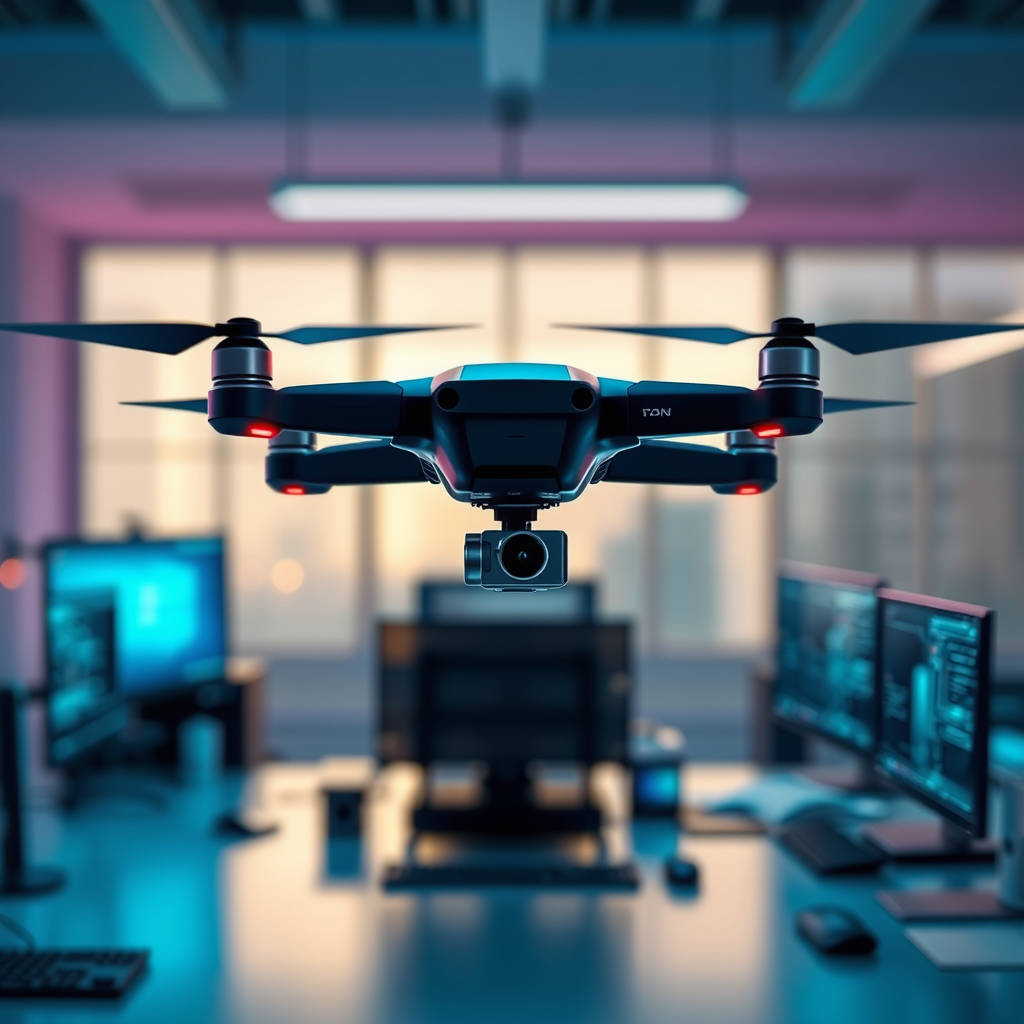

AI-powered drone surveillance uses cutting-edge artificial intelligence algorithms to significantly enhance monitoring capabilities, facilitating real-time data collection and analysis from the skies. This revolutionary technology is transforming security and surveillance across multiple sectors, including public safety and wildlife monitoring, providing insights and efficiencies that were previously unimaginable.
Understanding AI and Drone Technology
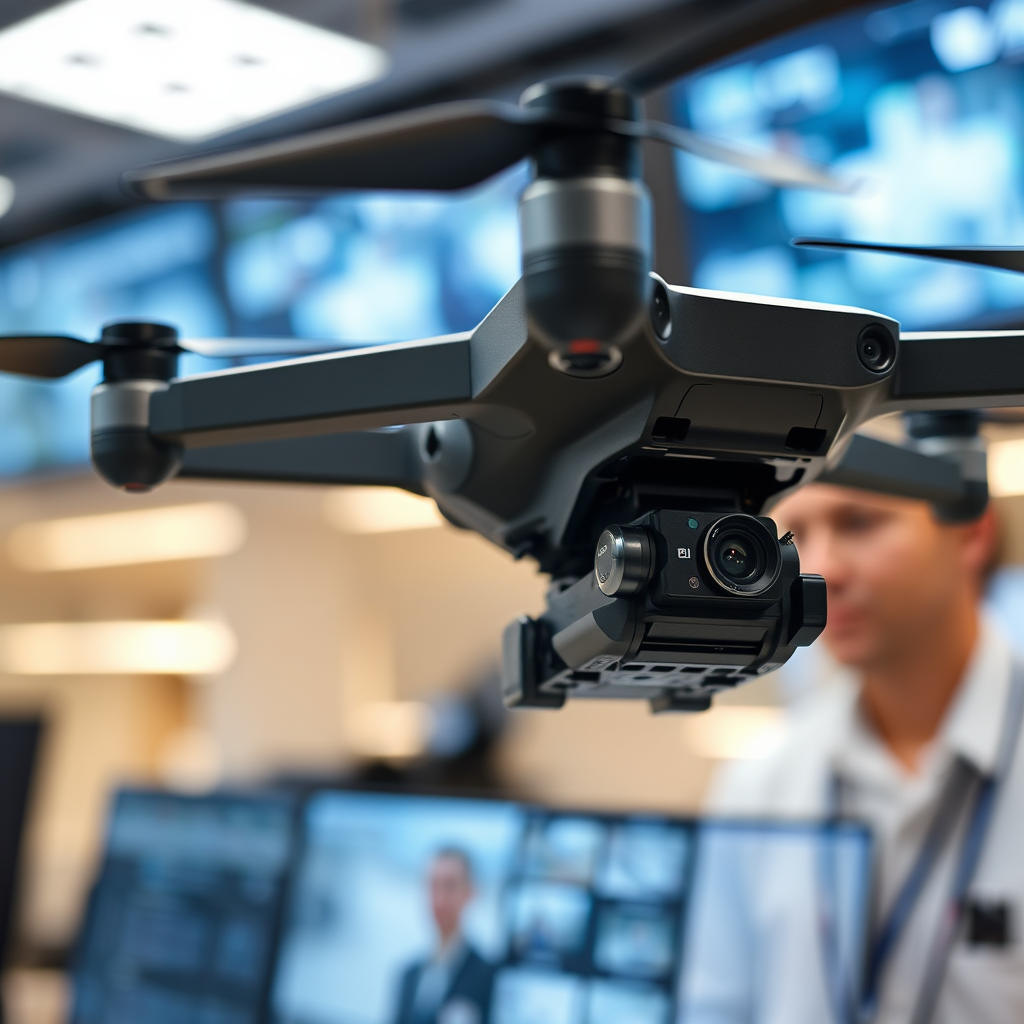
At the heart of AI-powered drone surveillance is the combination of advanced artificial intelligence and drone technology. AI algorithms are designed to process vast amounts of data quickly and efficiently, which leads to improved decision-making. For example, when drones equipped with AI fly over an area, they can analyze patterns and detect anomalies in real-time, enabling them to respond to potential threats almost instantaneously.
Drones themselves come equipped with high-definition cameras and other sensors, offering aerial views that are hard to achieve with traditional surveillance methods. These aerial perspectives allow for comprehensive coverage of large areas, making it easier to monitor events, track movements, and gather critical intelligence without the limitations of ground-based cameras. As a result, organizations can maintain a higher level of situational awareness, leading to more prompt and informed responses.
Components of AI-Powered Drones
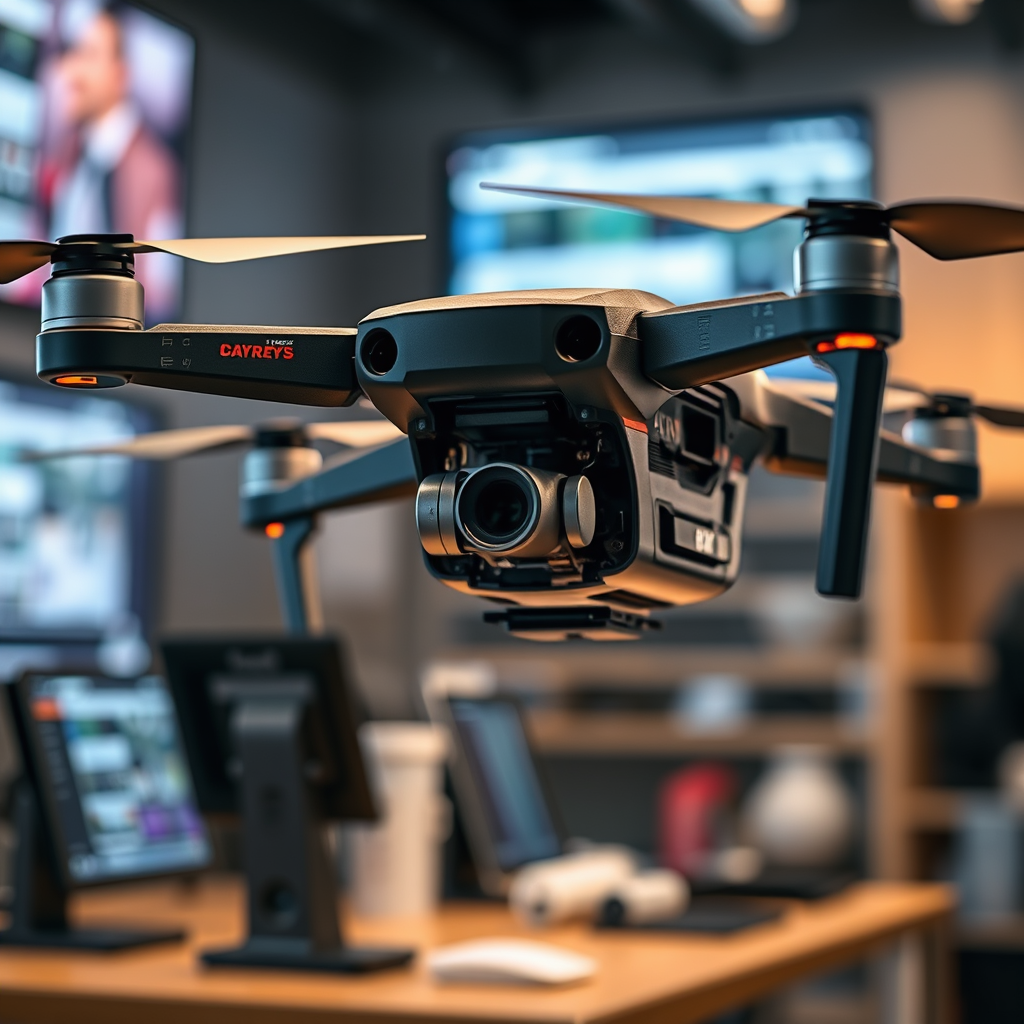
AI-powered drones consist of several key components that work in harmony to deliver effective surveillance. One of the most crucial elements is the sensors. Drones are often outfitted with a variety of sensors, including thermal imaging cameras, optical cameras, and LiDAR (Light Detection and Ranging) sensors. These diverse tools allow drones to carry out a wide range of surveillance tasks, from monitoring urban environments to tracking wildlife movements in remote areas.
Another vital component is the processing unit, which is essentially the drone’s brain. Onboard computers analyze the data gathered by the sensors in real-time. This capability enables drones to identify and respond to anomalies, such as unauthorized access to a restricted area or sudden changes in wildlife behavior, without the need for human intervention. The integration of AI with these components allows for a seamless flow of information and a more efficient surveillance process.
Applications in Security
AI-powered drone surveillance has found numerous applications in the field of security. One of the most significant uses is in crime prevention. Drones can cover vast areas quickly, providing law enforcement with crucial information about potential criminal activity, traffic violations, or large gatherings that may require monitoring. For instance, during public events or protests, drones can assist police in maintaining order and safety by providing real-time aerial views of the situation.
In emergency response scenarios, drones play an invaluable role in disaster situations. For example, during natural disasters such as hurricanes or earthquakes, drones can be deployed to assess damage, locate victims, and deliver supplies to hard-to-reach areas. Their ability to navigate hazardous environments and provide immediate assessments can save lives and streamline rescue efforts.
Benefits of AI in Surveillance Drones
The integration of AI in surveillance drones offers numerous benefits that enhance their operational capabilities. One of the most notable advantages is enhanced accuracy. AI algorithms are designed to learn and adapt over time, which helps reduce false positives and improve the reliability of threat detection. For example, a drone equipped with AI might differentiate between a harmless animal and a potential intruder, thereby minimizing unnecessary alerts.
Additionally, using drones for surveillance can be more cost-effective compared to traditional manned missions. Deploying a helicopter for aerial surveillance can be prohibitively expensive, not to mention the logistical challenges it poses. Drones, on the other hand, can be deployed quickly and at a fraction of the cost, making them an attractive option for organizations looking to enhance their security measures without breaking the bank.
Challenges and Ethical Considerations
Despite the numerous advantages of AI-powered drone surveillance, there are significant challenges and ethical considerations that must be addressed. Privacy concerns are at the forefront of this discussion. The use of drones for surveillance raises questions about individuals’ rights to privacy and the potential for misuse of the technology. Striking a balance between security and individual privacy rights is essential for responsible drone operation.
Regulatory hurdles also pose challenges for drone operators. Navigating airspace regulations and compliance can be complex, particularly as laws evolve to keep pace with technological advancements. Drone operators must be well-versed in local and national regulations to ensure that their activities remain lawful and do not infringe on others’ rights.
Future Trends in Drone Surveillance
Looking ahead, several trends are likely to shape the future of drone surveillance. One of the most exciting developments is the potential integration of AI-powered drones with smart city infrastructure. As cities become more interconnected, drones could work alongside other technologies to enhance urban safety and efficiency. Imagine a scenario where drones monitor traffic conditions and communicate with smart traffic lights to optimize flow during peak hours.
Additionally, advancements in machine learning will continue to enhance drone capabilities over time. As AI technology evolves, drones will become even more adept at analyzing data, recognizing patterns, and making autonomous decisions. This will expand their applications beyond just surveillance, potentially allowing them to perform a variety of tasks, from environmental monitoring to agricultural management.
Understanding how AI-powered drone surveillance works is essential for anyone interested in technology and security. With their ability to process data in real-time and provide comprehensive coverage, these drones are reshaping how we think about monitoring and safety. As technology progresses, staying informed about these developments will be crucial for leveraging their full potential.
In conclusion, AI-powered drone surveillance is a game-changer for security and monitoring across multiple sectors. By understanding the technology, its components, applications, benefits, and challenges, we can better appreciate the impact of this innovation. As we look to the future, the possibilities for AI-powered drones are vast, and their role in enhancing safety and security will undoubtedly continue to grow.
Frequently Asked Questions
What is AI-powered drone surveillance and how does it work?
AI-powered drone surveillance refers to the integration of artificial intelligence with drone technology to enhance monitoring and data collection capabilities. Drones equipped with AI can analyze video feeds in real-time, identifying patterns, detecting anomalies, and recognizing objects or individuals. This technology enables efficient surveillance for various applications, including security, agriculture, and wildlife monitoring, by automating data processing and reducing the need for human intervention.
How can AI drones improve security surveillance?
AI drones enhance security surveillance by providing real-time monitoring and analysis, which allows for quicker response times to potential threats. These drones can autonomously patrol predetermined areas, identify suspicious activities, and send alerts to security personnel. Additionally, with advanced image recognition capabilities, AI drones can differentiate between normal and abnormal behaviors, increasing overall situational awareness and reducing false alarms.
Why should businesses consider using AI-powered drone surveillance?
Businesses should consider AI-powered drone surveillance because it increases operational efficiency and reduces costs associated with traditional surveillance methods. AI drones can cover large areas quickly and gather high-resolution data that can be analyzed for insights, improving decision-making. Furthermore, the ability to operate in challenging environments and provide continuous monitoring makes AI drones a valuable asset for risk management and asset protection.
What are the best applications for AI-powered drone surveillance?
The best applications for AI-powered drone surveillance include public safety monitoring, border security, disaster response, and agricultural assessments. In public safety, these drones can monitor crowds and detect emergencies in real-time. For agriculture, they can analyze crop health and growth patterns, allowing farmers to optimize yields. Additionally, they are invaluable in search and rescue operations, providing aerial views of hard-to-reach areas.
Which features should I look for when choosing an AI-powered surveillance drone?
When selecting an AI-powered surveillance drone, consider features such as high-resolution cameras, advanced image processing capabilities, long battery life, and robust flight stability. Look for drones that offer real-time data transmission and compatibility with AI software for enhanced analytics. Additionally, features like autonomous flight planning, obstacle avoidance, and weather resistance are crucial for ensuring reliable operation in various surveillance scenarios.
References
- Surveillance aircraft
- https://www.nytimes.com/2021/06/25/technology/drone-surveillance-privacy.html
- https://www.bbc.com/news/technology-58832293
- https://www.sciencedirect.com/science/article/pii/S2352864821003409
- Municipalities on the Front Lines of Puerto Rico’s Recovery: Assessing Damage, Needs, and Opportu…
- The Limits of Recidivism: Measuring Success After Prison | The National Academies Press
- https://www.cnas.org/publications/reports/the-potential-of-ai-in-drone-surveillance
- Unmanned Aircraft Systems (UAS) | Federal Aviation Administration
- https://www.aaai.org/ojs/index.php/aimagazine/article/view/5460