

The integration of AI-optimized display interfaces significantly enhances user experience by analyzing individual behavior patterns and tailoring content accordingly. These smart interfaces create a dynamic environment where content feels personalized and relevant, leading to improved user satisfaction and engagement. By understanding how these interfaces operate, we can appreciate their potential to reshape the way we interact with digital platforms.
Understanding AI-Optimized Display Interfaces

AI-optimized display interfaces are digital environments that utilize artificial intelligence to adapt the content and layout based on individual user behavior. At their core, these interfaces aim to create a seamless and intuitive user experience by understanding what users want and need at any given moment. They leverage data analysis to present information in a way that resonates with users, making interactions more engaging and efficient.
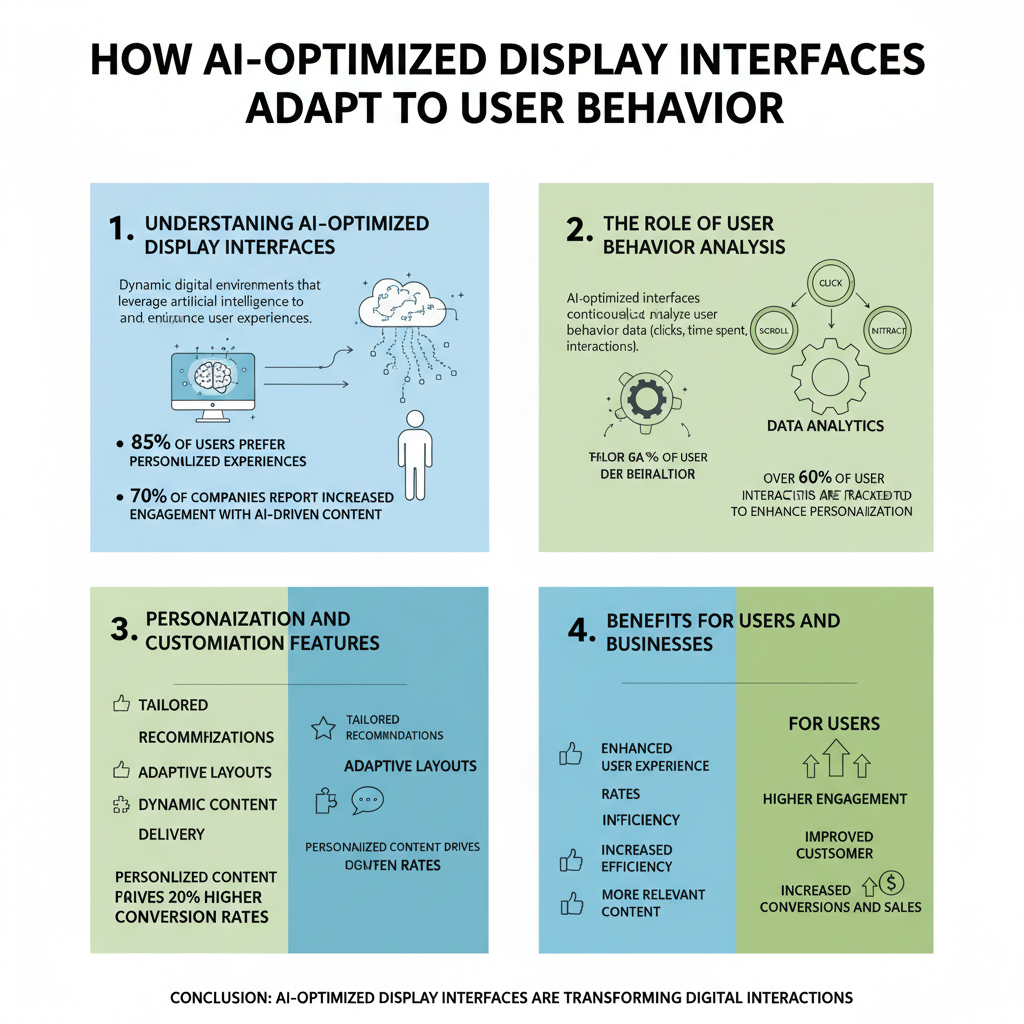
AI enhances user experience by collecting vast amounts of data from interactions, such as click patterns, navigation paths, and time spent on certain content. This data is then processed using sophisticated algorithms that identify trends and preferences, enabling the interface to showcase the most relevant information. The goal is not just to display static content but to create a living, breathing interface that evolves alongside its users.
The Role of User Behavior Analysis

Understanding user behavior is crucial for creating effective AI-optimized display interfaces. There are various methods for collecting user behavior data, including tracking clicks, monitoring scrolling patterns, and analyzing time spent on specific sections of a webpage. For instance, if a user frequently clicks on articles about travel, the interface will take note of this interest and adjust the content accordingly.
AI algorithms interpret this data through machine learning techniques, which allow them to recognize patterns over time. For example, if a user consistently engages with video content rather than articles, the interface might prioritize showcasing videos on their homepage. These real-time adjustments lead to a more personalized browsing experience, as users are met with content that aligns with their interests and needs.
Personalization and Customization Features
One of the most exciting aspects of AI-optimized display interfaces is their ability to deliver personalized content. For example, streaming services like Netflix utilize AI to recommend shows and movies based on a user’s viewing history and preferences. If a user enjoys action films, Netflix will adjust its interface to highlight similar genres and avoid showing unrelated content.
Customization extends beyond just recommendations; it can also involve adjusting the layout of information. Consider a news app that learns a user prefers shorter articles over long-form pieces. The app can adapt by displaying headlines and summaries upfront, allowing the user to quickly scan for topics of interest. This level of personalization not only enhances user engagement but also increases satisfaction, as users feel that the interface is tailored specifically for them.
Adaptive Learning Mechanisms
Adaptive learning is a powerful feature of AI-optimized display interfaces, enabling them to become more effective over time. Machine learning algorithms continuously analyze user interactions to refine their recommendations and display features. For instance, if a user’s preferences shift—say they suddenly show interest in fitness-related content—the interface can quickly adapt to highlight articles, videos, and tips in that category.
This ongoing learning process is essential for maintaining relevance in a fast-paced digital landscape. As users’ interests evolve, the interface can proactively adjust, ensuring that the experience remains fresh and engaging. Moreover, this adaptability fosters a deeper connection between users and the platform, as they begin to rely on the interface to deliver content that resonates with their changing needs.
Challenges and Considerations
Despite the benefits of AI-optimized display interfaces, there are challenges and considerations that must be addressed. One major concern revolves around user privacy. Collecting and analyzing user data can raise eyebrows, especially if users feel their information is being misused or inadequately protected. It’s vital for companies to be transparent about their data practices and provide users with control over their information.
Balancing personalization with user comfort is another critical aspect. While many users appreciate customized experiences, others may find excessive personalization intrusive or overwhelming. Providing options for users to adjust their settings—such as managing how much data is collected or what type of content is prioritized—can help strike this balance. Ultimately, respecting user privacy and preferences will be key to fostering trust and enhancing the overall experience.
Future Trends in AI-Optimized Interfaces
The future of AI-optimized display interfaces is bright, with numerous advancements on the horizon. As AI technology continues to evolve, we can expect even more sophisticated algorithms capable of understanding complex user behaviors. For example, interfaces may soon be able to interpret emotional responses based on user interactions, further refining content delivery.
Additionally, the importance of user-centric design will grow as companies recognize that an engaging interface is one that prioritizes the needs and preferences of its users. Expect to see more adaptive interfaces that learn not just from individual behaviors but also from collective trends across user bases. This will lead to richer, more engaging experiences that feel intuitive and responsive.
The effectiveness of AI-optimized display interfaces lies in their ability to adapt based on user behavior, creating a more intuitive and engaging experience. By understanding how these interfaces work, the implications of user behavior analysis, and future trends, readers can appreciate the potential of AI in shaping digital interactions. To stay updated on innovations in this field, consider exploring further resources or implementing AI solutions in your own digital projects. As technology continues to advance, the possibilities for enhancing user experience are truly limitless!
Frequently Asked Questions
What are AI-optimized display interfaces and how do they work?
AI-optimized display interfaces refer to digital platforms that use artificial intelligence algorithms to analyze user behavior and preferences. By monitoring interactions such as clicks, scrolling patterns, and time spent on various elements, these interfaces can dynamically adjust the content layout, colors, and even functionalities to enhance the user experience. This real-time adaptation ensures that users receive personalized content that keeps them engaged, ultimately leading to higher satisfaction and retention rates.
How do AI display interfaces improve user experience?
AI display interfaces enhance user experience by providing tailored content that aligns with individual preferences and behaviors. For instance, by utilizing machine learning techniques, these interfaces can predict what a user is likely to engage with based on their past interactions, resulting in a more intuitive navigation experience. This personalization reduces cognitive load and makes it easier for users to find relevant information, thereby increasing the likelihood of conversion or continued engagement.
Why is user behavior analysis important for AI-optimized interfaces?
User behavior analysis is crucial for AI-optimized interfaces as it provides the data needed to create a personalized experience. By understanding how users interact with the interface—what they click on, how long they stay, and their navigation patterns—developers can fine-tune the interface to meet user needs effectively. This analysis not only informs design choices but also helps in predicting future user behavior, leading to continuous improvements and adaptations that keep the interface relevant and user-friendly.
What are the best practices for implementing AI-optimized display interfaces?
The best practices for implementing AI-optimized display interfaces include leveraging robust analytics tools to gather user data, employing adaptive algorithms that evolve over time, and ensuring transparency in data usage to foster user trust. Additionally, it’s vital to regularly test and iterate the interface based on user feedback to identify areas for improvement. By combining these practices, businesses can create more effective and engaging interfaces that resonate well with their target audience.
Which industries benefit the most from AI-optimized display interfaces?
Various industries benefit significantly from AI-optimized display interfaces, including e-commerce, healthcare, and online education. In e-commerce, personalized product recommendations can boost sales, while in healthcare, tailored information can enhance patient engagement and education. Online education platforms can utilize these interfaces to customize learning experiences, adapting content delivery based on student performance and preferences, ultimately making learning more efficient and effective.
References
- User interface
- https://www.sciencedirect.com/science/article/pii/S1877050919311557
- https://www.nytimes.com/2023/03/14/technology/ai-user-interface-design.html
- https://www.nature.com/articles/s41586-020-2442-5
- Usability | Digital.gov
- https://www.forbes.com/sites/bernardmarr/2021/09/20/how-ai-is-changing-the-way-we-design-user-interfaces/?sh=7d4e7a3f5a69
- https://www.researchgate.net/publication/330945592_Adaptive_User_Interfaces_for_Smart_Environment
- https://www.bbc.com/future/article/20210130-how-ai-is-changing-the-way-we-design-websites
- https://www.acm.org/publications/toc/transactions-on-human-computer-interaction
- https://www.techrepublic.com/article/how-ai-can-improve-user-experience/