
In the coming years, AI-powered live interactive video streaming is set to revolutionize how we connect and engage with content. By enhancing viewer experiences through real-time personalization and interactivity, AI will open new avenues for entertainment, education, and business. Imagine watching a live stream that not only caters to your interests but also allows you to interact, ask questions, and influence the content in real-time. This article will explore the key advancements on the horizon, the implications for various industries, and how audiences can benefit from these transformative technologies.



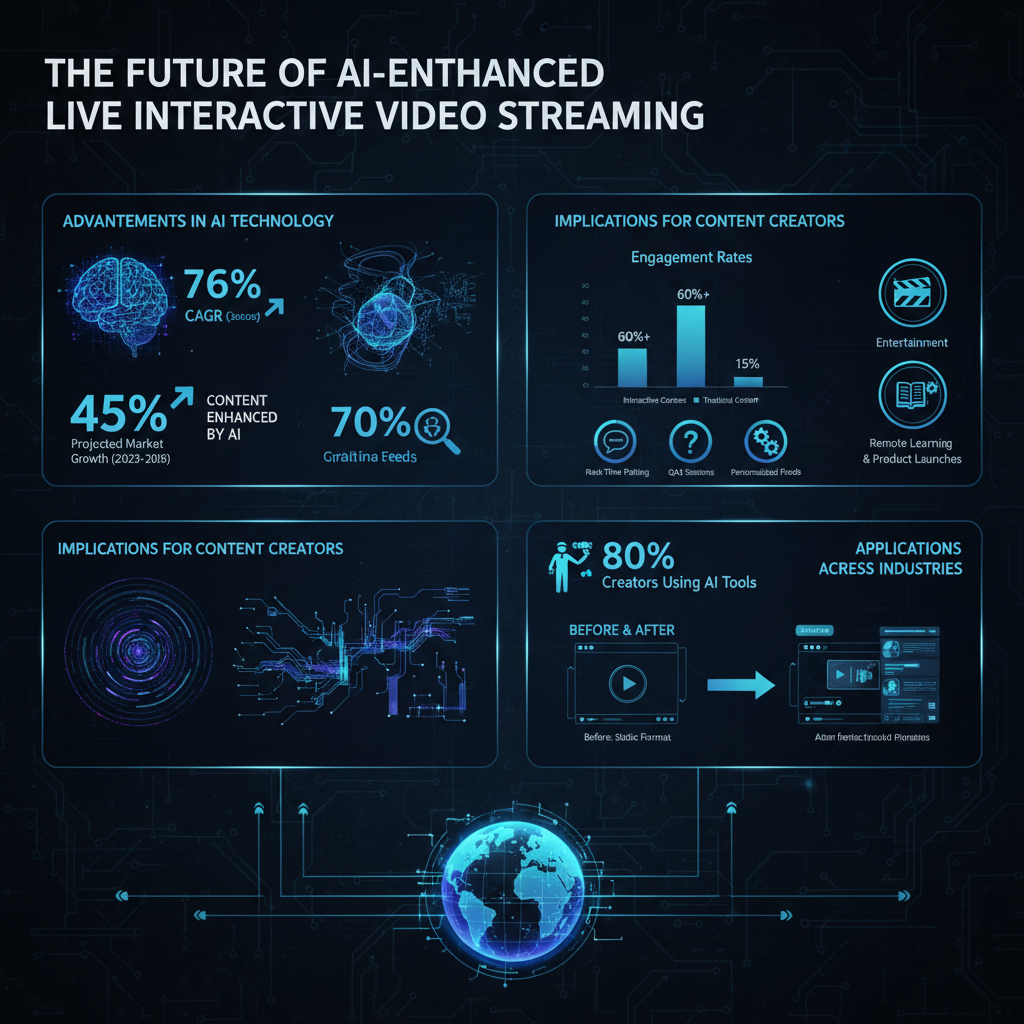
Advancements in AI Technology

One of the cornerstones of AI-enhanced live streaming is the evolution of machine learning algorithms. These algorithms analyze vast amounts of viewer data to understand preferences and viewing habits. This means that, in the near future, you’ll receive personalized content recommendations that align perfectly with your interests, making it easier to discover shows, tutorials, or live events that resonate with you. For instance, streaming platforms like Netflix and YouTube are already utilizing machine learning to suggest content, but future iterations will take this a step further, providing a more sophisticated understanding of what keeps you engaged.
Natural Language Processing (NLP) is another pivotal technology that will shape the future of interactive video. NLP enables machines to understand and respond to human language in real-time. Imagine participating in a live Q&A session where your questions are instantly understood and addressed by the host. This level of interactivity will not only make live streams more engaging but also foster a sense of community among viewers. Platforms that integrate NLP will provide chatbots to answer questions, summarize content, or even facilitate discussions among viewers, greatly enhancing the overall experience.
Enhanced Viewer Interactivity

Real-time feedback is set to become a game-changer for live streaming. AI can analyze viewer reactions and engagement levels during a stream, allowing content creators to adjust their presentations on the fly. For instance, if a particular segment is generating a lot of excitement, the host could choose to delve deeper into that topic, keeping the audience engaged. This immediate feedback loop not only enhances viewer satisfaction but also empowers creators to deliver more relevant content.
Gamification elements are another exciting aspect of enhanced viewer interactivity. By incorporating game-like features such as polls, rewards, and challenges, content creators can boost viewer participation and enjoyment. For example, during a live cooking show, viewers could vote on which dish the chef should prepare next, or earn points for answering trivia questions about the recipe. This interactive approach not only makes the viewing experience more entertaining but also fosters a sense of belonging and community among participants.
Implications for Content Creators
With the advent of AI tools, personalized content creation is becoming more accessible for creators. These tools can analyze audience data to help creators tailor their content to specific preferences, resulting in more targeted and effective messaging. For example, a fitness instructor can use AI to determine which workout routines resonate most with their followers, allowing them to focus on delivering content that truly meets their audience’s needs.
Moreover, AI can streamline production processes, making it easier for creators to focus on their craft. Automated editing tools can assist in cutting and producing high-quality live streams with minimal manual intervention. For instance, AI can automatically identify the best moments from a live stream and compile them into a highlights reel, saving creators time while maintaining high production values. This enhanced efficiency not only allows for more creativity but also enables content creators to engage with their audience more effectively.
Applications Across Industries
The potential applications of AI-enhanced live streaming are vast and varied, particularly in the realm of education. Imagine a virtual classroom where students can interact with their teachers in real-time, ask questions, and participate in discussions. AI can facilitate personalized learning experiences by adapting content to each student’s learning style and pace, creating an engaging and effective educational environment. Platforms like Zoom and Microsoft Teams are already exploring these capabilities, but the future holds even more exciting possibilities.
In marketing and advertising, brands can leverage AI-powered streaming to create personalized advertising campaigns that resonate with individual viewers. By analyzing viewer data, brands can tailor their live content to align with viewer interests, increasing the likelihood of engagement and conversion. For example, a fashion brand could host a live streaming event showcasing products while dynamically adjusting the content based on viewer feedback and preferences, resulting in a more impactful marketing experience.
Ethical Considerations
As we embrace AI-driven personalization, data privacy becomes a critical concern. Protecting viewer data must be a top priority for content creators and streaming platforms alike. Transparency about data collection and usage is essential to build trust with audiences. Implementing stringent data protection measures and ensuring compliance with regulations like GDPR will be paramount in maintaining viewer confidence in AI-enhanced streaming.
Another challenge is the potential for bias in AI algorithms. Ensuring that these algorithms remain fair and unbiased in content delivery is crucial. If not addressed, biases could lead to skewed recommendations or reinforce stereotypes, negatively impacting viewer experiences. Continuous monitoring and refining of AI systems will be necessary to ensure that they serve all audiences equitably.
Future Trends to Watch
One exciting trend to watch is the integration of AI-enhanced streaming with virtual reality (VR) technology. Imagine attending a live concert from the comfort of your home, where you can not only watch the performance but also interact with other attendees in a virtual space. This convergence of AI and VR could lead to immersive experiences that redefine how we connect with live events.
Evolving user expectations will also shape future developments in AI-enhanced streaming. As audiences become accustomed to personalized and interactive experiences, their demands for content will continue to grow. Content creators will need to innovate constantly to meet these expectations, creating unique and engaging experiences that captivate their viewers.
As we move towards a future dominated by AI-powered live interactive video streaming, it’s essential to stay informed about these emerging trends and technologies. By understanding their implications and potential benefits, content creators and viewers alike can prepare to embrace the next wave of digital interaction. Engage with the technology and start exploring the possibilities today!
Frequently Asked Questions
What are the key benefits of AI-powered live interactive video streaming for businesses?
AI-powered live interactive video streaming offers numerous benefits for businesses, including enhanced viewer engagement through real-time interactivity and personalized content delivery. By leveraging AI algorithms, businesses can analyze viewer behavior and preferences, allowing them to tailor their streaming content to maximize audience retention. Additionally, automated features such as chatbots and real-time analytics can significantly reduce operational costs while improving the overall viewer experience.
How can AI improve viewer interaction during live video streams?
AI enhances viewer interaction during live video streams through features like real-time polls, Q&A sessions, and personalized content suggestions. By utilizing machine learning, AI can analyze viewer responses and adjust the content dynamically to maintain engagement. Furthermore, AI-driven chatbots can facilitate communication by answering viewer questions instantly, creating a more immersive and interactive environment for the audience.
Why is AI integration crucial for the future of live streaming platforms?
AI integration is crucial for the future of live streaming platforms as it enables enhanced content personalization and improved audience targeting. As the demand for interactive content grows, AI technologies can help platforms analyze vast amounts of data to deliver customized experiences, ensuring that viewers receive relevant information and entertainment. This not only boosts viewer satisfaction but also increases retention rates, making it essential for platforms to adopt AI for competitive advantage.
What are the best practices for implementing AI in live interactive video streaming?
The best practices for implementing AI in live interactive video streaming include starting with clear goals such as improving viewer engagement or streamlining content delivery. It’s essential to choose the right AI tools that align with these objectives, such as audience analytics and real-time interaction features. Additionally, businesses should continuously gather data and feedback to refine their AI strategies, ensuring that the technology evolves alongside viewer preferences and industry trends.
Which industries are likely to benefit most from AI-powered live interactive video streaming?
Industries such as education, entertainment, e-commerce, and corporate training are likely to benefit significantly from AI-powered live interactive video streaming. In education, AI can facilitate personalized learning experiences, while in entertainment, it can create immersive viewer interactions. E-commerce platforms can utilize AI-driven streams for product demonstrations and customer engagement, while corporate training can leverage interactive streaming for effective skill development and team collaboration.
References
- Live streaming
- https://www.sciencedirect.com/science/article/pii/S1877050920304981
- https://www.bbc.com/news/technology-57229365
- https://www.nytimes.com/2021/03/23/technology/ai-live-streaming.html
- https://www.forbes.com/sites/bernardmarr/2021/06/21/the-future-of-live-streaming-how-ai-is-changing-the-way-we-create-content/
- https://www.techcrunch.com/2021/05/12/how-ai-is-transforming-live-streaming/
- https://www.frontiersin.org/articles/10.3389/frai.2021.00002/full
- https://www.researchgate.net/publication/343295345_A_Review_of_Live_Streaming_Applications_and_Technologies
- https://www.itu.int/en/ITU-T/focusgroups/ai/Pages/default.aspx