The integration of AI in the manufacturing of transparent OLED screens significantly improves efficiency, quality control, and design innovation. By harnessing AI technologies, manufacturers can streamline their production processes, enhance product quality, and lead to groundbreaking advancements in display technology, allowing for more vibrant and versatile screens. This article will delve into the multifaceted ways AI is revolutionizing the production of transparent OLED displays, making them not only more efficient to produce but also superior in quality and design.



Understanding Transparent OLED Technology

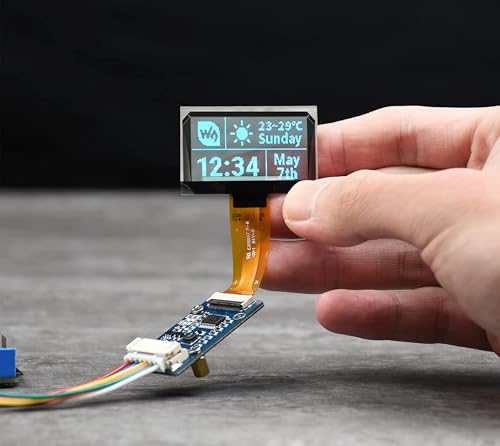
Transparent OLED (Organic Light Emitting Diode) screens are a remarkable advancement in display technology. These screens are designed to allow light to pass through while simultaneously displaying images with vivid colors and excellent contrast. Key features of transparent OLED screens include their lightweight design, flexibility, and ability to provide immersive experiences without obstructing views. Unlike traditional displays, which rely on backlighting, transparent OLEDs emit light directly from the pixels, enabling them to maintain transparency when not in use.
In comparison to conventional technologies like LCD or LED, transparent OLEDs offer several advantages. For instance, while LCDs require a significant amount of space for backlighting, transparent OLEDs can fit seamlessly into a variety of settings, such as windows, retail displays, or even automotive interiors. This unique capability opens up a realm of possibilities for innovative applications, enhancing both aesthetic appeal and functionality.
Role of AI in Manufacturing Processes
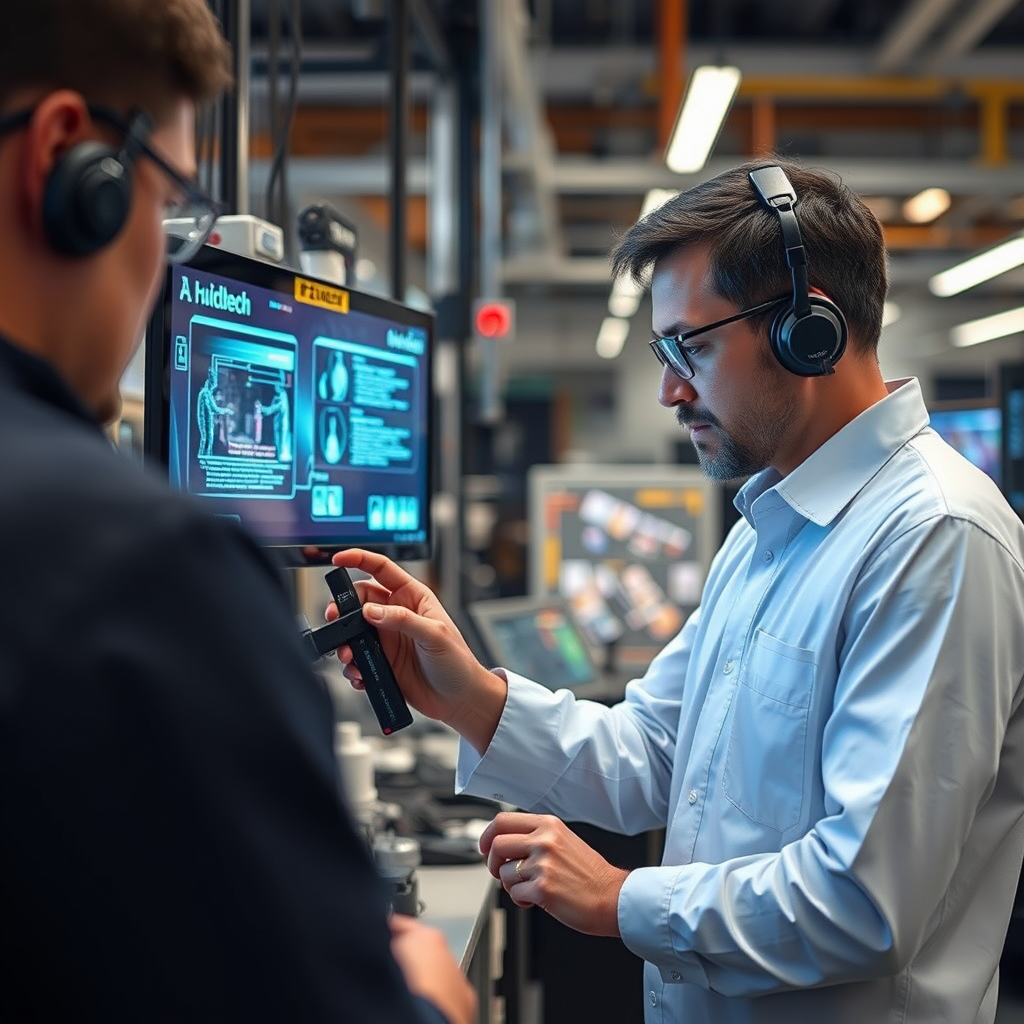
AI plays a pivotal role in automating and optimizing manufacturing processes for transparent OLED screens. One of the most significant advancements has been the introduction of AI robotics in production lines. These robots can work tirelessly and with precision, performing tasks that would typically require human labor, such as handling delicate materials or assembly. The result? Reduced labor costs, increased speed, and minimized human error.
Moreover, predictive maintenance powered by AI algorithms is revolutionizing how manufacturers manage equipment. By analyzing data from machinery, AI can forecast potential failures before they happen, allowing for timely maintenance that reduces downtime. This proactive approach not only enhances efficiency but also extends the lifespan of manufacturing equipment, ultimately leading to cost savings and a more streamlined production process.
Quality Control with AI Systems
Quality control is paramount in manufacturing, and AI systems are proving invaluable in this area. Traditional quality assurance methods can be time-consuming and often miss subtle defects. However, with AI-driven real-time defect detection, manufacturers can identify issues as they arise on the production line. Machine learning algorithms can be trained to recognize even the slightest imperfections, which means that defective products can be removed before they reach consumers.
Additionally, AI can analyze vast amounts of data collected during the manufacturing process, providing insights that lead to consistent quality assurance and improvement. By identifying trends and anomalies, manufacturers can make informed decisions to refine their processes, ensuring that each transparent OLED screen meets stringent quality standards. This results in a higher rate of customer satisfaction and reduced returns, further solidifying the manufacturer’s reputation in the market.
Design Innovations Driven by AI
AI is not just about improving efficiency and quality; it also drives design innovations in transparent OLED technology. AI-assisted design tools enable engineers and designers to experiment with various configurations and aesthetic options quickly. These tools can analyze user preferences and market trends, helping to create screens that are not only functional but also visually appealing.
One notable case study includes a partnership between an OLED manufacturer and an AI design firm that produced a prototype transparent screen with enhanced color accuracy and contrast. By leveraging AI to simulate various lighting conditions and user interactions, the design team was able to optimize the screen for real-world applications, leading to a product that stands out in the competitive market. Such innovations demonstrate how AI can be a game-changer in the design phase, resulting in groundbreaking products that redefine user experience.
Challenges in Implementing AI in Manufacturing
While the benefits of AI in manufacturing are significant, there are also challenges to consider. Technical limitations exist, such as the need for high-quality data to train AI systems effectively. Additionally, integrating AI with existing manufacturing processes can require substantial investment in both technology and training.
Furthermore, the shift towards automation raises concerns among the workforce. Many fear that AI might replace jobs, leading to significant upheaval in the job market. To address these concerns, manufacturers must focus on reskilling their employees, emphasizing the need for skilled labor that can work alongside AI systems. By fostering a culture of continuous learning and adaptation, companies can ensure a smoother transition into an AI-enhanced manufacturing landscape.
Future Trends in AI and Transparent OLED Manufacturing
Looking ahead, the future of AI in the manufacturing of transparent OLED screens is brimming with potential. Experts predict that advancements in AI will enable even more precise manufacturing techniques, leading to thinner and more efficient screens. We might see AI-driven customization options, where consumers can personalize their transparent OLED displays based on their preferences and requirements.
Additionally, as industries such as automotive, architecture, and retail continue to adopt transparent OLED technology, the demand for innovative solutions will drive further advancements. The potential impacts are vast, from creating immersive shopping experiences with transparent screens in storefronts to enhancing vehicle interfaces that seamlessly integrate with the driver’s environment.
The use of AI in the manufacturing of transparent OLED screens is revolutionizing the industry by enhancing production efficiency, ensuring high quality, and fostering innovative designs. As technology continues to evolve, staying informed about these advancements will be crucial for manufacturers and consumers alike. By exploring how AI can be seamlessly integrated into production processes, organizations stand to benefit significantly, paving the way for exciting new developments in display technology.
Frequently Asked Questions
How does AI enhance the manufacturing process of transparent OLED screens?
AI enhances the manufacturing process of transparent OLED screens by optimizing production techniques, improving quality control, and enabling predictive maintenance. Machine learning algorithms analyze real-time data from production lines to identify inefficiencies, allowing manufacturers to adjust processes and reduce waste. This results in higher quality products and a more efficient manufacturing workflow.
What are the benefits of using AI in the production of transparent OLED displays?
The benefits of using AI in the production of transparent OLED displays include increased precision, reduced production costs, and enhanced scalability. AI-driven automation minimizes human error and streamlines repetitive tasks, while predictive analytics can forecast demand and adjust production schedules accordingly. This leads to a more agile manufacturing process that can quickly adapt to market changes.
Why is transparency important in OLED screens, and how does AI contribute to achieving this?
Transparency in OLED screens is crucial for applications like augmented reality and architectural displays, as it allows for seamless integration with the surrounding environment. AI contributes to achieving this by optimizing the material properties and layering techniques during manufacturing, ensuring that the displays maintain high transparency without sacrificing color accuracy or brightness. This results in visually stunning screens that meet consumer expectations.
Which AI technologies are commonly used in the manufacturing of transparent OLED screens?
Common AI technologies used in the manufacturing of transparent OLED screens include computer vision, machine learning, and robotics. Computer vision systems monitor and analyze the production line for defects, while machine learning algorithms optimize material usage and production schedules. Robotics enhance precision in assembly and handling, ensuring that the delicate components are manufactured and assembled with care.
What challenges do manufacturers face when integrating AI into the production of transparent OLED screens?
Manufacturers face several challenges when integrating AI into the production of transparent OLED screens, including high initial costs, the need for skilled personnel, and data management issues. Implementing AI technologies requires significant investment in infrastructure and training, as well as robust data management systems to handle the vast amount of information generated. Overcoming these obstacles is essential for realizing the full potential of AI in enhancing manufacturing efficiency and product quality.
References
- OLED
- https://www.sciencedirect.com/science/article/abs/pii/S0038092X21001377
- https://www.nature.com/articles/s41598-021-86701-9
- https://www.bbc.com/news/technology-54258095
- https://www.reuters.com/technology/taiwanese-company-develops-transparent-oled-displays-2021-06-25/
- https://www.techrepublic.com/article/how-oled-technology-is-revolutionizing-display-manufacturing/
- https://www.technologyreview.com/2020/01/23/844422/a-new-oled-technology-makes-displays-thinner-and-more-transparent/
- https://www.nist.gov/news-events/news/2021/10/nist-advances-transparent-oled-technology-boosts-display-options
- https://www.itu.int/en/ITU-T/technology/Pages/oled.aspx