
AI plays a crucial role in personalizing color calibration for displays, enhancing the viewing experience by adjusting colors to match individual preferences and environmental conditions. By leveraging sophisticated algorithms, AI can automatically tailor color settings, ensuring that what you see on your screen is not just accurate but also uniquely suited to you. This article explores how AI technology improves accuracy, automates processes, and adapts to user needs, ensuring optimal color representation across various devices.
Understanding Color Calibration
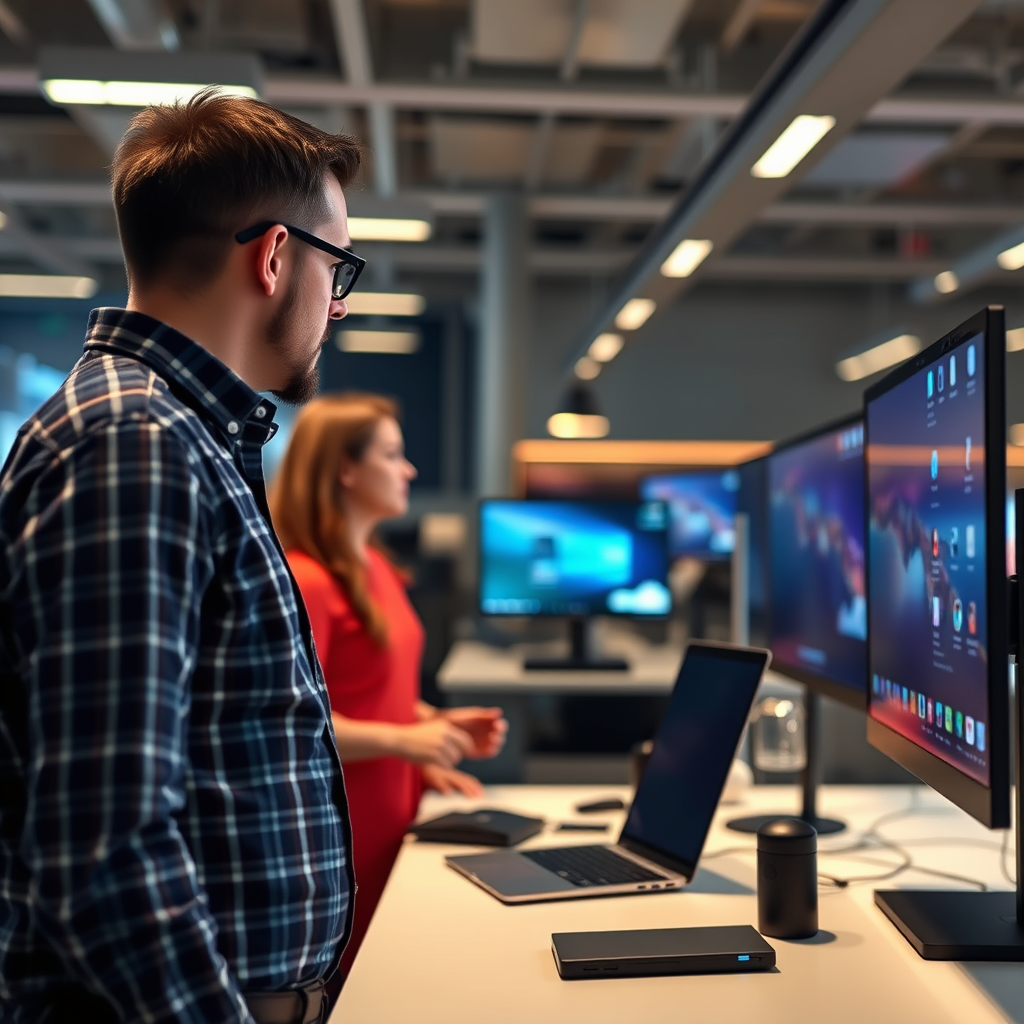
Color calibration refers to the process of adjusting the colors of a display device to ensure they are accurately represented. It is essential for achieving true-to-life colors, which is particularly vital in fields like photography, graphic design, and video editing, where precision matters. Without proper calibration, colors can appear washed out, overly saturated, or simply incorrect, leading to a distorted viewing experience.
Traditionally, color calibration methods involved manual adjustments using calibration tools and software, often requiring a deep understanding of color science. Users would need to rely on color reference charts and spend significant time tweaking settings to match desired output. However, modern technology has introduced more sophisticated solutions that simplify this process. With the advent of AI technology, calibration has become more accessible, with automated systems that can analyze and adjust colors with minimal user input, making the experience smoother and more user-friendly.
The Impact of AI on Color Calibration

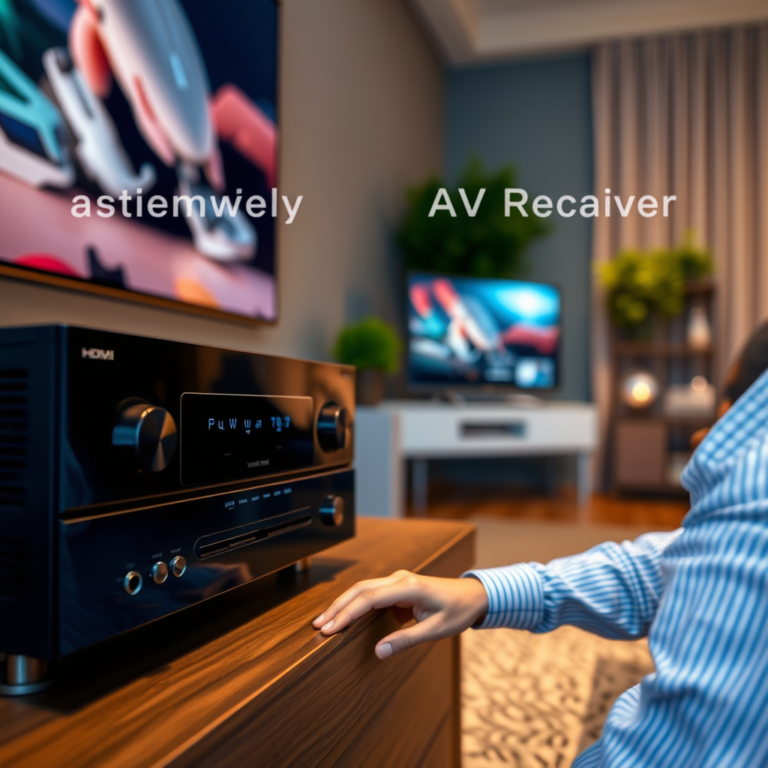
AI algorithms have revolutionized color calibration by enabling real-time analysis and adjustments of display colors. These algorithms can utilize data from various sources, such as ambient light sensors, to determine the optimal color settings for a specific environment. For instance, if you’re watching a movie in a dimly lit room, AI can adjust the display to enhance contrast and vibrancy, making the visuals more enjoyable.
The benefits of AI in achieving more accurate color representation are manifold. Not only does AI enhance the precision of color output, but it also ensures consistency across different display devices. For example, if you’re working on a project that involves multiple screens—such as a laptop and an external monitor—AI can help synchronize the color output, ensuring that what you see on one screen matches the other. This level of accuracy is particularly beneficial for professionals who rely on color fidelity, such as graphic designers or video editors.
Personalized User Experiences
One of the most exciting aspects of AI in color calibration is its ability to learn individual preferences over time. By analyzing user interactions and feedback, AI can tailor color settings to meet specific tastes. For example, if you frequently adjust the brightness and contrast to suit your viewing habits, the AI can learn from these adjustments and automatically apply them in the future.
Several case studies highlight improved user satisfaction with AI calibration. For instance, a leading TV manufacturer introduced AI-driven calibration that personalized settings based on user feedback and viewing habits. As a result, they reported a significant increase in customer satisfaction ratings, with users appreciating the tailored viewing experience. This personalization aspect not only enhances enjoyment but also fosters a deeper connection between users and their devices.
Automating the Calibration Process
Machine learning plays a pivotal role in automating color adjustments, which significantly reduces the time and effort required for calibration. With AI-driven calibration tools, users no longer need to spend hours tinkering with settings. Instead, they can rely on algorithms that make real-time adjustments based on a multitude of factors, including the content being displayed and environmental lighting conditions.
For instance, applications and software that use AI for calibration can analyze the content type—be it a high-action movie, a video game, or a still image—and automatically adjust color settings to enhance the viewing experience. This automation not only saves time but also ensures that even those without technical knowledge can achieve optimal color settings effortlessly.
Challenges and Limitations of AI in Calibration
Despite the advancements, there are challenges and limitations to AI in color calibration that need to be addressed. One potential issue is inaccuracies that may arise from relying solely on AI. While AI algorithms can analyze data effectively, they may not always account for unique individual preferences or specific artistic intentions. Therefore, some level of human oversight may still be necessary to achieve the desired results.
Additionally, current AI technology may have limitations when it comes to specific display types. For instance, OLED screens exhibit different color dynamics compared to traditional LCD screens, and AI systems may not yet be fully optimized for these nuances. As technology progresses, it’s essential to remain aware of these limitations while continuing to explore AI’s potential in color calibration.
Future Trends in AI and Color Calibration
The future of AI in color calibration looks bright, with upcoming advancements poised to improve accuracy and user experience even further. As machine learning algorithms evolve, we can expect more sophisticated systems that not only adapt to individual preferences but also predict them based on historical data. This means that your display could proactively adjust settings before you even realize you want them changed.
Moreover, the integration of AI in consumer electronics and professional displays will likely become more prevalent. We may see AI features in everything from smartphones to high-end monitors, making personalized color calibration a standard feature rather than an afterthought. As this technology continues to develop, it will not only enhance the viewing experience for everyday users but also empower professionals to achieve unprecedented levels of precision in their work.
The advancements in AI technology are transforming how we experience color on displays, making personalization more accessible and effective. As AI continues to evolve, its role in color calibration will likely expand, offering even greater precision and user satisfaction. For those interested in optimizing their display experiences, exploring AI calibration tools is a promising next step. With the potential for improved accuracy and a more tailored viewing experience, now is an excellent time to embrace this exciting technology.
Frequently Asked Questions
What is the role of AI in personalized color calibration for displays?
AI plays a crucial role in personalized color calibration for displays by analyzing individual user preferences, environmental conditions, and display characteristics. By leveraging machine learning algorithms, AI can learn how users perceive colors and adjust display settings accordingly, ensuring a more accurate and satisfying viewing experience. This technology enables automatic calibration that adapts over time, making it easier for users to enjoy consistent and vibrant color representation.
How does AI improve the accuracy of color calibration in monitors and TVs?
AI improves the accuracy of color calibration by utilizing advanced algorithms that can evaluate the display’s color output and match it to standardized color profiles. These algorithms can analyze various factors such as ambient light and user-specific viewing habits, allowing for real-time adjustments that enhance color fidelity. As a result, users experience improved color accuracy and consistency, which is especially important for professionals in fields like graphic design and photography.
Why should I consider using AI-driven color calibration tools for my display?
Using AI-driven color calibration tools for your display can significantly enhance your visual experience by delivering personalized and precise color accuracy. Traditional calibration methods can be complex and time-consuming, but AI simplifies this process by automating adjustments based on user data and preferences. This means you can achieve optimal color performance without the need for extensive technical knowledge, making it an ideal solution for both casual viewers and professionals.
What are the best AI-powered software options for display color calibration?
Some of the best AI-powered software options for display color calibration include CalMAN, DisplayCAL, and LightSpace. These tools utilize AI algorithms to create personalized profiles that optimize color accuracy based on your specific display and viewing environment. Additionally, they often provide user-friendly interfaces and tailored settings that make it easy for anyone to achieve professional-level calibration results.
Which factors should I consider when choosing an AI color calibration solution for my display?
When choosing an AI color calibration solution for your display, consider factors such as compatibility with your specific display model, user interface simplicity, and the software’s ability to adapt to your unique viewing environment. Additionally, assess the level of automation provided by the AI, as well as any additional features like remote calibration options or calibration history tracking. These elements will help ensure you select a solution that meets your needs and enhances your overall viewing experience.
References
- Color management
- https://www.sciencedirect.com/science/article/pii/S1570870517300039
- https://www.nature.com/articles/s41598-021-96109-0
- https://www.theguardian.com/technology/2021/jul/21/how-ai-is-revolutionising-the-way-we-see-colour
- https://www.nist.gov/news-events/news/2020/06/new-nist-approach-color-calibration-displays
- https://www.jstor.org/stable/10.5325/jct.15.2.0197
- https://www.microsoft.com/en-us/research/publication/a-machine-learning-approach-to-display-color-calibration/
- https://www.color.org/
- https://www.wired.com/story/how-ai-is-changing-the-way-we-see-color/