
The future of AI-driven automated film color correction is incredibly promising, offering filmmakers innovative tools to elevate their storytelling with stunning visuals. By harnessing the power of machine learning and advanced computer vision, this technology is set to transform the tedious color grading process into a seamless and efficient experience. In this article, we will delve into how AI is reshaping color correction, the myriad benefits it brings, and what lies ahead for this exciting field.
Understanding AI in Color Correction

AI technologies, particularly neural networks and machine learning algorithms, play a crucial role in modern film color correction. Neural networks mimic the way the human brain processes information, enabling these systems to analyze vast amounts of visual data. When applied to color correction, they can identify patterns, moods, and tones within the footage, allowing them to suggest optimal color adjustments tailored to each scene.
These technologies work by evaluating the characteristics of each frame, such as brightness, contrast, and color saturation, and then comparing them with a vast database of reference images. This process allows the AI to recommend color adjustments that enhance the visual narrative—ensuring that the final product remains true to the filmmaker’s vision while making the technical aspects of color grading far more manageable.
Benefits of AI-Powered Color Correction
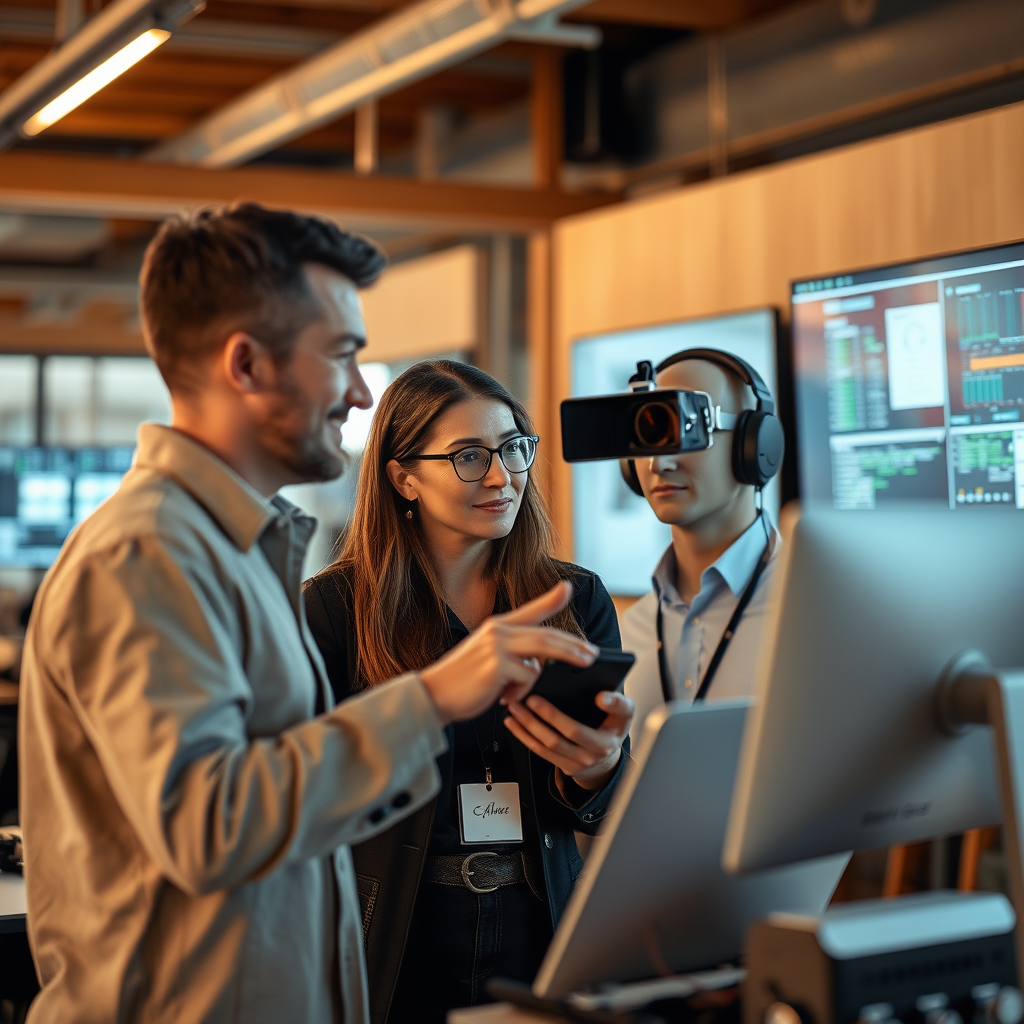
The integration of AI in color correction offers significant advantages, primarily in terms of efficiency and consistency.
Efficiency
One of the standout benefits is the time-saving aspect. Traditionally, color grading is a labor-intensive process that can take hours or even days, particularly for large projects. AI-powered tools automate repetitive tasks, such as matching colors across different shots, allowing colorists to focus on more creative aspects of their work. This not only speeds up the post-production process but also enables filmmakers to meet tight deadlines without compromising quality.
Consistency
In addition to efficiency, AI ensures a level of consistency that is often difficult to achieve manually. With AI-driven tools, filmmakers can create a uniform look across various scenes, maintaining a cohesive style throughout the film. For instance, if a particular scene requires a specific mood, AI can analyze the color palette and apply similar adjustments to other shots, ensuring that the emotional tone is preserved. This consistency is essential in creating a polished final product that resonates with audiences.
Current Applications in Film Industry
Several industry-standard software tools are currently harnessing AI for color correction, each bringing unique features to the table.
DaVinci Resolve
One of the leading platforms, DaVinci Resolve, has integrated AI to enhance its color grading capabilities. Its Neural Engine utilizes machine learning to perform tasks like facial recognition and scene detection, making it easier for colorists to apply targeted adjustments. For example, it can automatically track a subject’s face and ensure that the color balance remains natural, regardless of lighting changes in the surrounding environment.
Adobe Premiere Pro
Another powerhouse, Adobe Premiere Pro, has embraced AI through its Adobe Sensei technology. This feature assists filmmakers by analyzing footage and providing suggestions for color grading adjustments based on the content. For instance, it can recommend color corrections that enhance skin tones while maintaining the overall aesthetic of the scene.
Case Studies
Numerous films have already begun to incorporate AI-driven color correction into their workflows. One notable example is the recent award-winning film Nomadland, which utilized AI tools to achieve its captivating visual style. By integrating these technologies, filmmakers can streamline their processes while pushing the boundaries of creativity.
Limitations and Challenges
While the benefits of AI in color correction are substantial, there are also limitations and challenges that filmmakers must be aware of.
Risk of Oversaturation
One significant concern is the potential for oversaturation or loss of artistic intent. Automated tools may apply adjustments that, while technically proficient, do not align with the filmmaker’s vision. The result can be a final product that feels generic or lacks the unique touch that human colorists bring to the table.
Need for Human Oversight
Additionally, the reliance on technology raises questions about the necessity of human expertise. While AI can handle many tasks, it remains essential for colorists to oversee the process, ensuring that the emotional and artistic elements are preserved. A balance must be struck between embracing technology and retaining the human touch that makes filmmaking an art form.
The Future Landscape of Color Correction
As AI technology continues to evolve, we can expect exciting advancements in the film industry, particularly in the realm of color correction.
Real-Time Corrections
One prediction is the rise of real-time corrections, allowing filmmakers to make adjustments on-the-fly during shoots. This capability would enable directors and cinematographers to see how different color grades affect the visual storytelling instantly, fostering a more collaborative and dynamic creative process.
Adaptive Learning
Another potential development is adaptive learning, where AI systems become increasingly attuned to a filmmaker’s style over time. By analyzing past projects, these systems could tailor their suggestions to align more closely with an individual creator’s aesthetic, resulting in an even more personalized color correction experience.
New Roles for Colorists
As AI tools become more integrated into the workflow, the role of colorists may evolve. Instead of focusing solely on technical adjustments, they may take on a more creative role, working alongside AI to push artistic boundaries and explore new visual territories.
Ethical Considerations in AI Color Grading
With the rise of AI in creative processes, ethical considerations are becoming increasingly important.
Bias and Authenticity
One of the main concerns is the potential for bias in AI algorithms, which can lead to unintended consequences in color grading. For instance, if an AI system is trained on a limited dataset, it may replicate existing biases in color representation, which can affect the authenticity of the film’s visual narrative.
Balancing Technology and Creativity
Moreover, filmmakers must navigate the balance between leveraging technology and maintaining their artistic integrity. While AI can enhance the process, the core of filmmaking lies in human creativity, emotion, and experience. It is crucial for creators to remain vigilant and ensure that AI enhances rather than overshadows their unique vision.
Preparing for AI Integration
For filmmakers looking to integrate AI tools into their color correction processes, there are several strategies to consider.
Embrace Learning Opportunities
First and foremost, staying informed about the latest advancements in AI technology is vital. Online courses, workshops, and community forums can provide valuable insights and hands-on experience with AI software.
Experimentation
Additionally, filmmakers should embrace experimentation. Trying out different AI tools and techniques can help creators understand their strengths and limitations, allowing them to find the right balance between human artistry and technological assistance.
Collaboration
Finally, fostering collaboration with AI experts can enhance the integration process. By working alongside those skilled in AI technologies, filmmakers can develop customized workflows that cater to their specific needs while maximizing the benefits of automation.
The advancements in AI-powered automated film color correction promise to reshape the filmmaking process, making it more efficient and accessible. As filmmakers embrace these technologies, it’s essential to understand their implications and how to use them effectively. By staying informed and adaptable, creators can leverage AI to enhance their artistic vision and bring stunning cinematic experiences to life.
Frequently Asked Questions
What is AI-powered automated film color correction, and how does it work?
AI-powered automated film color correction refers to the use of artificial intelligence algorithms to analyze and adjust the color grading of films or videos automatically. By learning from vast datasets of films and their color palettes, these AI systems can identify and apply optimal color corrections, balancing elements like brightness, contrast, and saturation. This technology streamlines the post-production process, allowing filmmakers to achieve professional-level color grading with minimal manual intervention.
How can AI-driven color correction improve my film production workflow?
AI-driven color correction can significantly enhance your film production workflow by reducing the time and effort spent on manual color grading. With automated tools, filmmakers can quickly achieve consistent color tones across various scenes, allowing them to focus more on creative aspects rather than technical details. This efficiency not only speeds up the post-production timeline but also reduces costs, enabling teams to allocate resources to other critical areas of production.
Why should filmmakers consider using AI for color correction instead of traditional methods?
Filmmakers should consider using AI for color correction due to its ability to provide faster results and enhanced precision. Traditional methods often require extensive manual adjustments by skilled colorists, which can be time-consuming and subjective. AI systems, on the other hand, analyze visual data and apply corrections based on learned patterns, ensuring consistency and accuracy, while also enabling filmmakers to experiment with different styles without the risk of extensive rework.
What are the best AI tools available for automated film color correction in 2023?
Some of the best AI tools for automated film color correction in 2023 include DaVinci Resolve’s Neural Engine, Adobe Premiere Pro’s Auto Color feature, and Filmora’s AI Color Matching tool. These platforms leverage advanced machine learning algorithms to provide intuitive color correction capabilities, making them suitable for both novice and professional filmmakers. Each tool offers unique features, so it’s essential to evaluate them based on your specific needs, budget, and workflow preferences.
Which industries can benefit the most from AI-powered film color correction technology?
Various industries can reap the benefits of AI-powered film color correction technology, including independent filmmaking, advertising, television production, and online content creation. Independent filmmakers can enhance their projects with professional-grade color grading without hiring a full team, while advertising agencies can rapidly produce high-quality promotional content. Moreover, social media influencers and content creators can use these tools to elevate their video quality, making their visuals more compelling and engaging for audiences.
References
- Color correction
- https://www.sciencedirect.com/science/article/pii/S0167739X19305180
- https://www.nature.com/articles/s41598-021-89723-2
- https://www.theguardian.com/technology/2021/jun/15/ai-revolution-filmmaking-color-correction
- https://www.bbc.com/news/technology-58502014
- https://www.techcrunch.com/2022/08/10/how-ai-is-transforming-film-editing-and-color-grading/
- https://www.itu.int/en/ITU-T/focusgroups/ai/Pages/default.aspx
- https://www.darpa.mil/news-events/2021-02-24
- https://www.nsf.gov/news/special_reports/ai/
- https://www.wired.com/story/ai-color-correction/