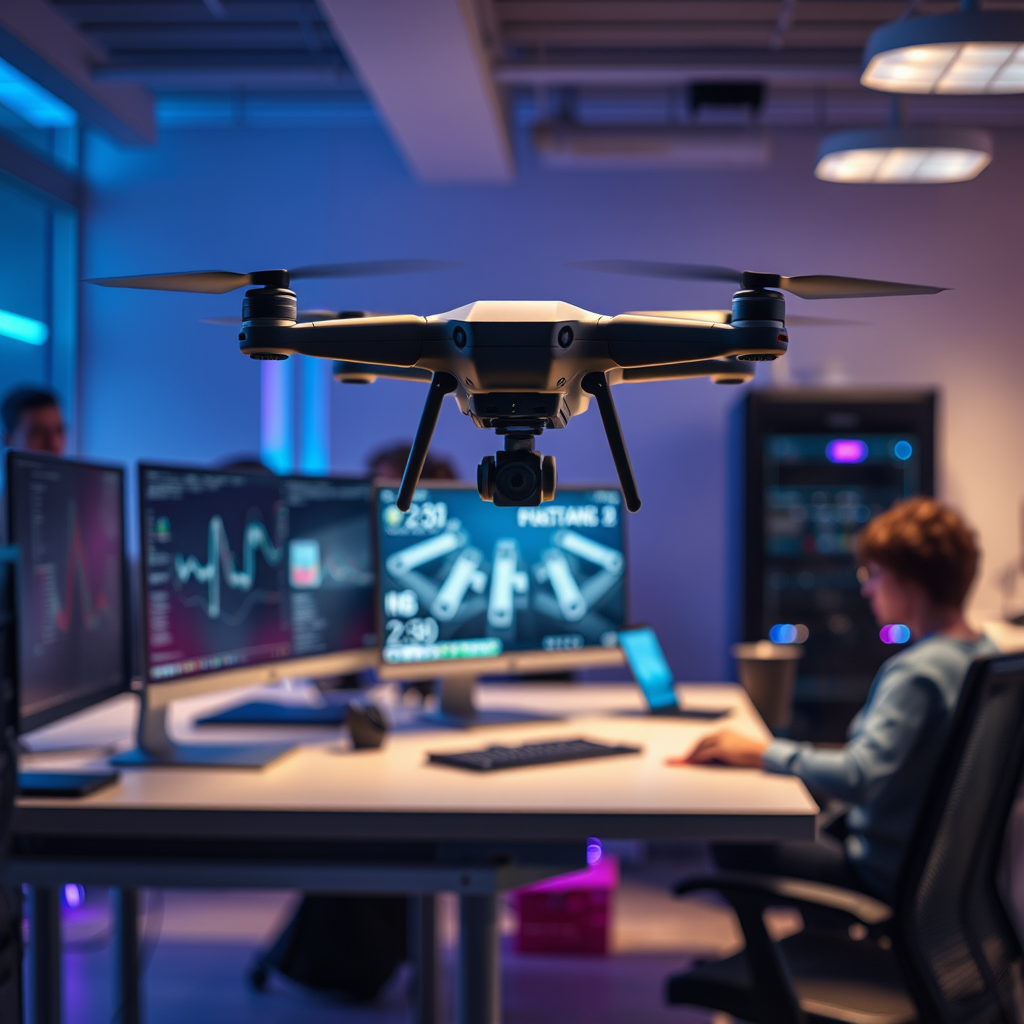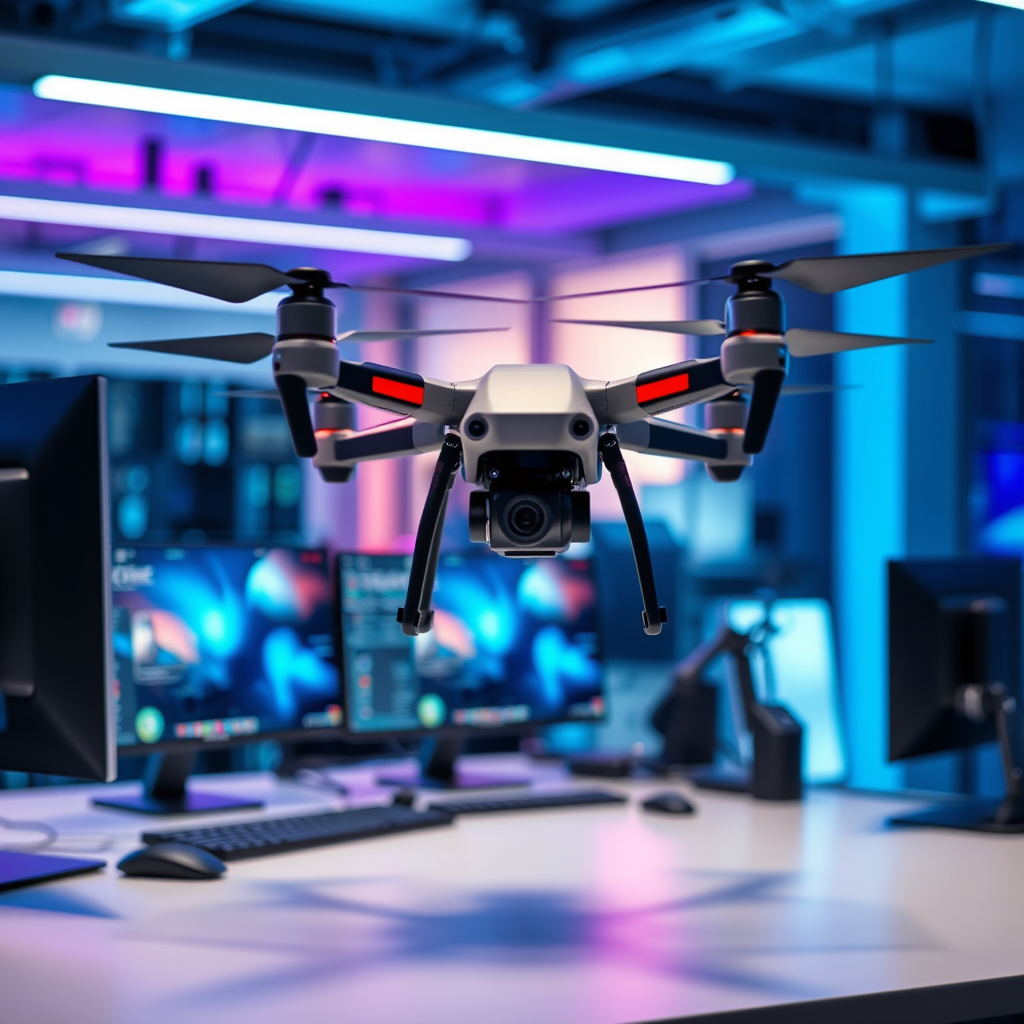
The future of AI-enhanced drone cinematography in film is set to revolutionize the way filmmakers capture stunning visuals. By integrating artificial intelligence with drone technology, filmmakers can achieve unprecedented levels of creativity and efficiency. This exciting intersection of technology and art allows for breathtaking aerial shots and complex sequences that were once the realm of only the most skilled professionals. As we delve into this topic, we will explore the advancements in AI-driven drones, their impact on filmmaking, and what lies ahead in this dynamic field.



The Evolution of Drone Cinematography
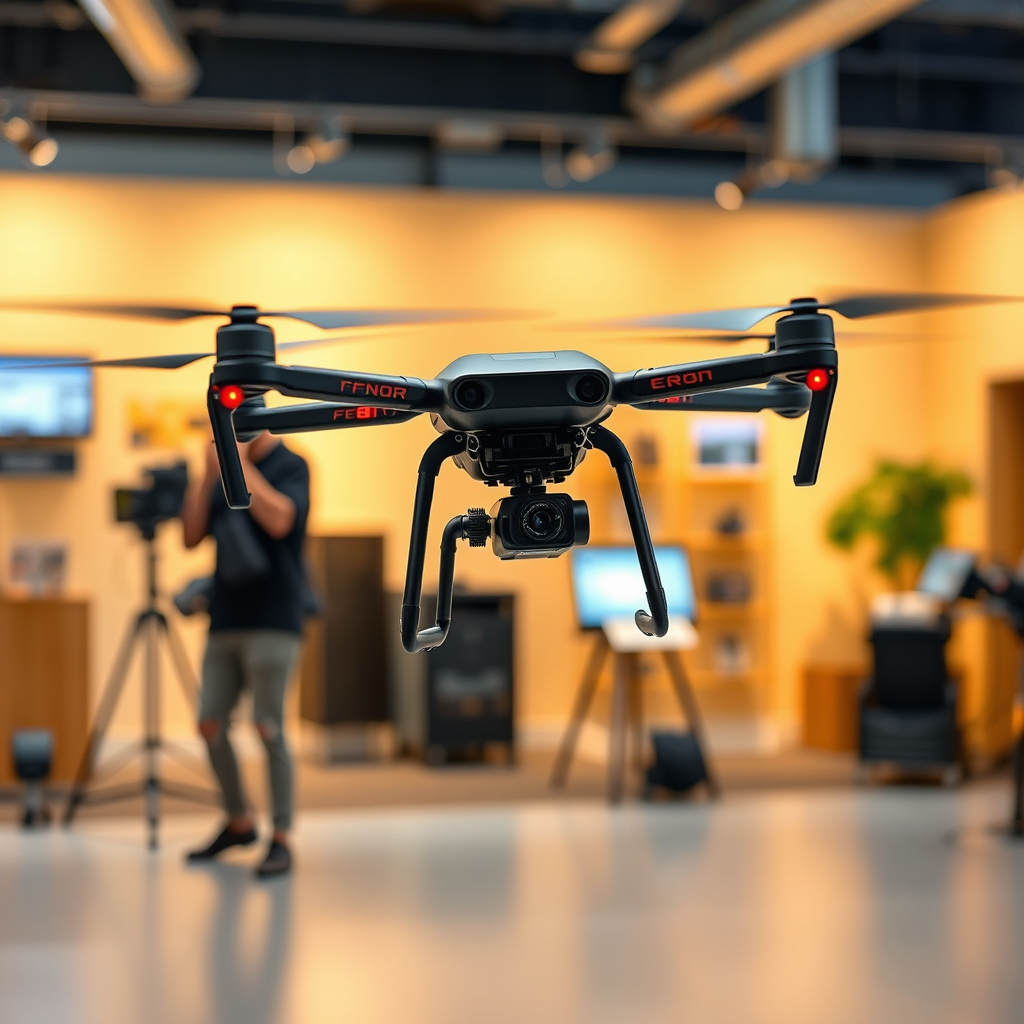
Over the past decade, drone technology has made significant strides in the film industry. Initially, drones were considered niche tools for capturing aerial footage, often relegated to outdoor adventure films or real estate videos. However, as technology advanced, filmmakers began to recognize the vast potential of this tool for storytelling. The introduction of high-definition cameras and advanced stabilization systems allowed for smooth, cinematic shots that previously required helicopters or cranes—solutions that were often prohibitively expensive.
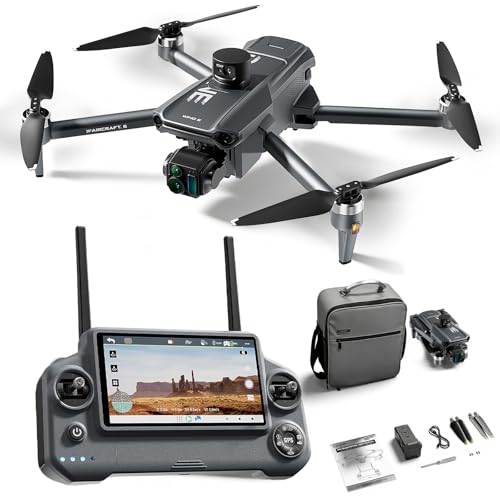
Key milestones in drone cinematography include the development of gimbal technology, which stabilizes the camera during flight, and the advent of GPS and autonomous flight capabilities. These innovations have made it possible for filmmakers to shoot complex aerial sequences with a level of precision that was previously unimaginable. Drones like the DJI Inspire series and the Freefly Alta have set new industry standards, offering filmmakers the ability to create dynamic shots that enhance narrative depth and visual appeal.
The Role of AI in Enhancing Drone Functionality
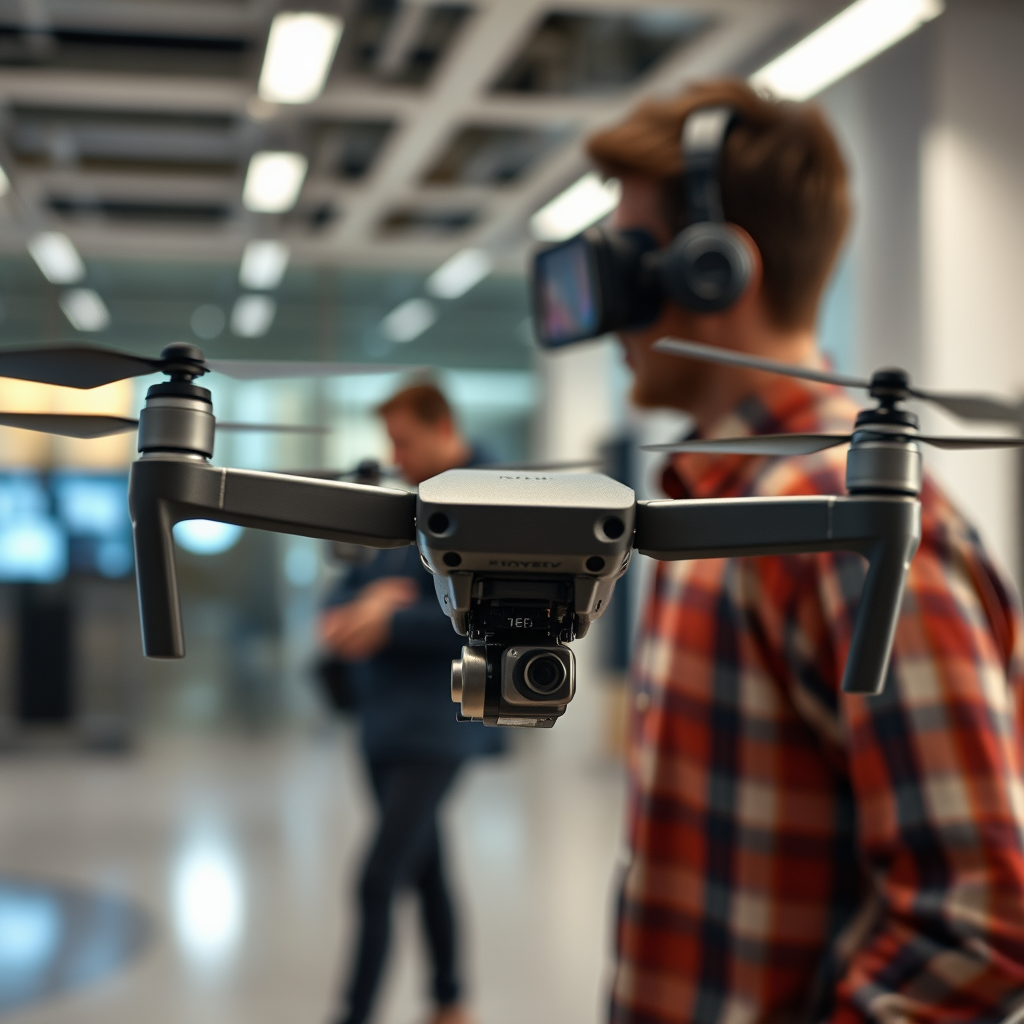
Artificial intelligence plays a crucial role in enhancing the functionality of drones, making them smarter and more capable of handling complex filming scenarios. AI algorithms are designed to improve various aspects of drone operation, such as flight stability, obstacle avoidance, and route optimization. For instance, drones equipped with AI can analyze their surroundings in real-time, allowing them to navigate around obstacles and maintain stable flight even in challenging environments.
One of the most exciting features of AI in drone cinematography is its ability to automate complex shots. With AI-driven drones, filmmakers can program specific flight paths, allowing the drone to execute intricate maneuvers with minimal human intervention. This not only saves time during filming but also opens up creative possibilities that were previously limited by the skill and experience of the drone operator. For example, filmmakers can achieve dynamic tracking shots that follow a moving subject seamlessly, or create stunning 360-degree aerial views that enhance the storytelling experience.
Benefits of AI-Enhanced Drone Cinematography
The integration of AI into drone cinematography offers a multitude of benefits that enhance the filmmaking process. One of the most significant advantages is increased efficiency. Filmmakers can capture complex scenes more quickly, reducing the need for extensive crew and equipment. This streamlining of the production process allows creative teams to focus on storytelling, rather than getting bogged down in logistical challenges.
Cost-effectiveness is another key benefit. The use of AI-enhanced drones can drastically reduce production costs by eliminating the need for traditional filming rigs and extensive crew members. Instead of hiring a helicopter and a full camera crew, filmmakers can achieve the same level of quality and creativity with a single drone operator and a well-programmed AI system. This democratization of high-quality aerial cinematography enables independent filmmakers to produce visually stunning content without breaking the bank.
Case Studies of AI-Driven Drone Use in Films
Several notable films and projects have successfully utilized AI-enhanced drones to elevate their visual storytelling. For instance, the critically acclaimed film “The Lion King” made extensive use of drone technology to capture breathtaking landscapes and wildlife scenes in a way that traditional filming methods could not achieve. The integration of AI allowed filmmakers to explore various angles and perspectives, resulting in a visually stunning experience for audiences.
Another example is the documentary “Our Planet,” which showcases the breathtaking beauty of our natural world. The filmmakers employed AI-driven drones to capture intricate details of wildlife and ecosystems, allowing for a level of intimacy and engagement that draws viewers into the narrative. The combination of AI technology and drone cinematography created a powerful visual experience that resonated deeply with audiences, underscoring the potential of these tools to enhance storytelling.
Challenges and Limitations of AI in Drone Cinematography
Despite the many advantages of AI-enhanced drone cinematography, there are challenges and limitations that filmmakers must consider. One of the primary concerns revolves around technological limitations. While AI algorithms are continually improving, they are not infallible. Issues such as battery life, signal loss, and adverse weather conditions can impact drone performance, potentially jeopardizing critical shots.
Additionally, ethical concerns surrounding the use of AI in filmmaking are gaining attention. Issues of safety, privacy, and potential job displacement in the industry must be addressed. As AI takes on more responsibilities, there is a fear that traditional roles in cinematography may be diminished. It’s essential for filmmakers to strike a balance between embracing new technologies and preserving the artistry and human touch that is integral to filmmaking.
The Future of AI and Drone Technology in Film
As we look toward the future, predictions about upcoming technological advancements in AI and drone technology are optimistic. Innovations such as improved machine learning algorithms, enhanced camera capabilities, and better battery technology will likely enhance the capabilities of drones even further. Filmmakers may soon have access to drones that can autonomously execute complex shots with unprecedented precision and creativity.
Moreover, the collaboration between filmmakers and AI is expected to evolve, allowing for even more innovative uses of drone technology. Filmmakers will be able to leverage AI-driven insights to inform their creative decisions, pushing boundaries in visual storytelling and aesthetics. As the film industry continues to embrace these advancements, the potential for groundbreaking cinematic experiences will only grow.
The Creative Potential of AI-Enhanced Drones
AI-enhanced drones are not just tools; they are catalysts for new storytelling techniques and visual aesthetics. By taking advantage of the capabilities offered by AI, filmmakers can explore innovative ways to tell their stories, crafting unique narratives that resonate with audiences. The collaboration between AI and human creativity can lead to fresh perspectives and unexpected artistic choices, enriching the film experience.
As filmmakers experiment with AI in their productions, we are likely to see new genres and styles emerge, driven by the creative possibilities that these technologies unlock. From immersive virtual reality experiences to interactive narratives, the future of filmmaking will be shaped by the seamless integration of AI and drone technology, paving the way for endless creative exploration.
As we look ahead, AI-enhanced drone cinematography is poised to transform the film industry by providing filmmakers with innovative tools to create breathtaking visuals. Embracing this technology will not only elevate storytelling but also open up new artistic horizons. For those interested in the future of filmmaking, staying informed about these advancements will be crucial to harnessing their full potential. The journey ahead is exciting, and the possibilities are as limitless as the skies that drones will soar through.
Frequently Asked Questions
What are the benefits of using AI-enhanced drones for cinematography in films?
AI-enhanced drones revolutionize cinematography by providing greater precision and efficiency in capturing stunning visuals. They utilize advanced algorithms to automate flight paths, ensuring smooth camera movements and optimal framing, which can significantly reduce production time and costs. Additionally, AI can analyze scenes in real-time, allowing filmmakers to make informed decisions about shot composition, lighting, and camera angles, resulting in higher-quality footage.
How is AI technology improving drone filming techniques in the film industry?
AI technology enhances drone filming techniques by enabling real-time image processing and autonomous navigation. With features like obstacle detection and avoidance, AI-powered drones can maneuver through complex environments safely, allowing for dynamic shots that would be challenging to achieve manually. Furthermore, AI can assist in post-production by categorizing and tagging footage, streamlining the editing process and improving workflow efficiency for filmmakers.
Why should filmmakers consider integrating AI drones into their production workflow?
Filmmakers should consider integrating AI drones into their production workflow due to their ability to enhance creative storytelling while reducing operational challenges. AI drones can capture unique perspectives and aerial shots that elevate the visual narrative, making films more engaging. Moreover, their automation capabilities minimize the need for extensive crew involvement in drone operation, freeing up resources and allowing teams to focus on other crucial aspects of production.
Which types of films can benefit the most from AI-enhanced drone cinematography?
Various types of films can benefit from AI-enhanced drone cinematography, particularly action, adventure, and documentary genres. These films often rely on dynamic aerial shots to convey excitement and immersion, where AI drones can deliver breathtaking visuals effortlessly. Additionally, nature documentaries can leverage AI drones for capturing wildlife with minimal disturbance, while independent filmmakers can utilize them to achieve high-quality results on limited budgets.
What are the potential challenges filmmakers face when using AI drones for cinematography?
Filmmakers may encounter several challenges when using AI drones for cinematography, including regulatory restrictions and technical limitations. Compliance with local laws regarding drone flight can complicate filming schedules and locations. Additionally, while AI enhances functionality, it may also require specialized training for operators to maximize the technology’s capabilities. Ensuring proper integration of AI drones within a traditional film crew can also pose logistical hurdles that need to be addressed for seamless operation.
References
- https://en.wikipedia.org/wiki/Drone_filmography
- https://www.bbc.com/future/article/20211115-how-drones-are-transforming-aerial-cinematography
- https://www.sciencedirect.com/science/article/pii/S0360835219300771
- https://www.theguardian.com/technology/2022/oct/10/drones-filmmaking-future-technology
- https://www.nytimes.com/2021/07/20/movies/drones-filmmakers.html
- https://www.wired.com/story/drones-cinematography/
- https://www.techrepublic.com/article/how-drones-are-changing-the-world-of-film-and-tv/
- https://www.nasa.gov/mission_pages/technology/innovation/drones.html
- https://www.afi.com/education/film-school/
- https://www.filmschoolrejects.com/drones-in-filmmaking/