

The integration of AI in filmmaking is transforming how audiences connect with movies, enabling them to engage more deeply and personally than ever before. By harnessing AI technologies, filmmakers can create interactive experiences that allow viewers to shape the narrative in real-time, leading to a more immersive and satisfying experience. In this article, we’ll explore how these advancements are revolutionizing storytelling and enhancing viewer participation in the cinematic world.
Understanding Interactive Movies

Interactive movies are films that allow viewers to influence the storyline and character actions through their choices, creating a unique experience for each viewer. This concept has evolved significantly over the years, from simple choose-your-own-adventure books to complex digital narratives that can adjust in real-time based on audience input. The rise of streaming platforms has played a pivotal role in this evolution, with titles like “Black Mirror: Bandersnatch” leading the charge. This interactive film allowed viewers to make decisions for the main character, resulting in multiple endings and an engaging experience that sparked conversations about the future of cinema. Other successful examples include “The Walking Dead: A New Frontier,” which gave players control over the story, showcasing how interactive storytelling can draw audiences into the narrative.
AI Technologies Driving Interactivity
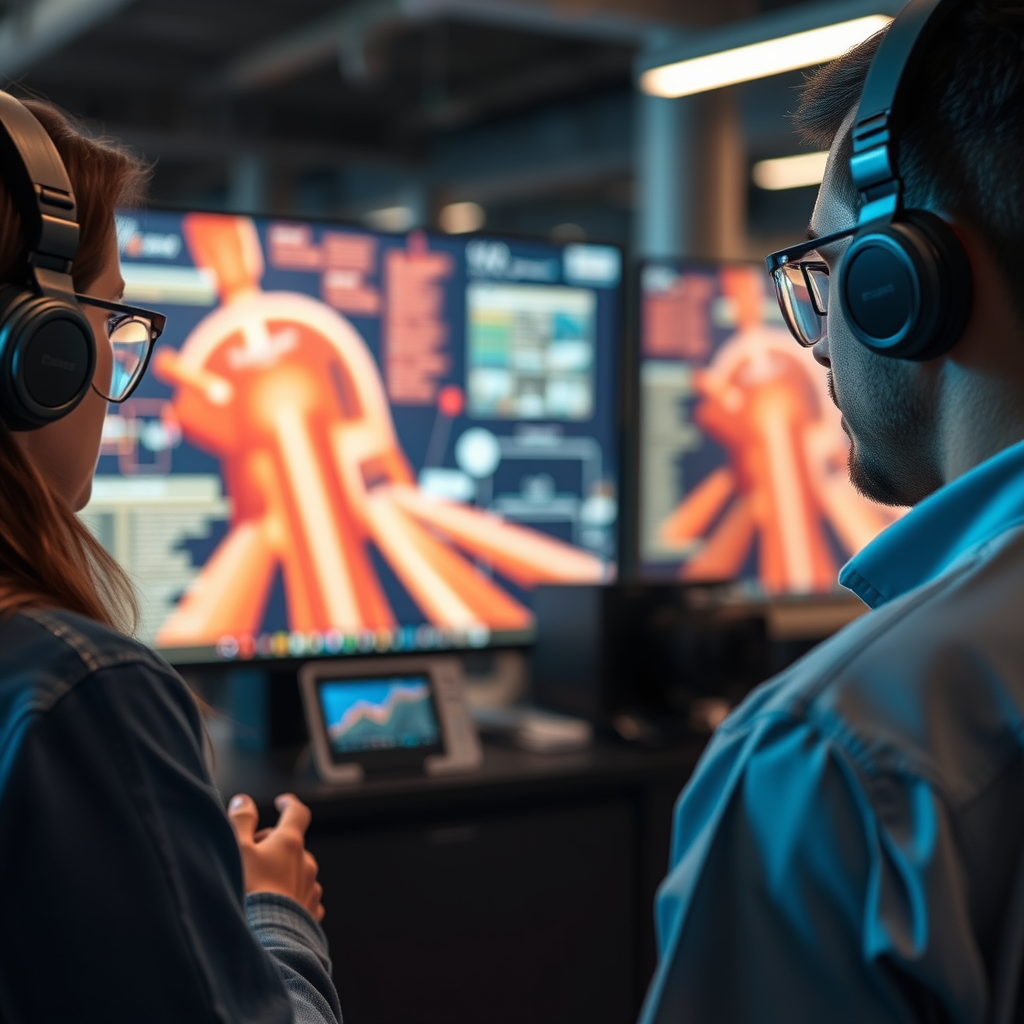
The magic of AI in interactive movies lies in its ability to analyze and adapt to viewer preferences seamlessly. Various AI tools and algorithms are employed to create these experiences. For instance, natural language processing (NLP) enables characters to interact with viewers in real-time, responding to inquiries and choices. Additionally, machine learning algorithms analyze viewer behavior and preferences, allowing filmmakers to craft personalized storylines that resonate with individual tastes. Data analytics also plays a crucial role, as filmmakers can collect insights on audience interactions to improve future productions and refine the narrative experience. This combination of technologies is vital in creating an engaging interactive film that feels tailored to the viewer’s choices.
Enhancing Viewer Engagement
AI-driven interactivity transforms how stories are told by tailoring narratives based on viewer preferences. By analyzing past choices and interactions, AI systems can create branching storylines that adapt dynamically, offering viewers a sense of agency and investment in the plot. This adaptive storytelling approach keeps audiences engaged, as their decisions directly impact character arcs and plot developments. For example, in interactive films where viewers can choose different paths, the feeling of control over the storyline enhances emotional investment, making the experience more memorable. As a result, viewers are more likely to re-watch the film to explore different outcomes, further increasing engagement and satisfaction.
Challenges in AI-Driven Interactivity
Despite the exciting potential of AI in interactive filmmaking, there are challenges to overcome. One significant hurdle is the technical limitations of current AI technologies. While AI can analyze patterns and preferences, it still struggles with creating truly nuanced narratives that feel organic. Many interactive films risk feeling mechanical or forced if the AI cannot adequately respond to viewer choices in a believable manner. Additionally, ethical considerations concerning audience data and privacy must be addressed. Gathering and analyzing viewer data raises concerns about consent and the potential misuse of this information. Filmmakers must navigate these challenges carefully to ensure a positive and respectful audience experience.
Future Trends in Interactive Cinema
The future of interactive cinema looks promising, with numerous advancements on the horizon. As AI technologies evolve, we can expect even more sophisticated storytelling capabilities that offer richer, more complex narratives. One exciting possibility is the integration of immersive technologies like virtual reality (VR) and augmented reality (AR) alongside AI, allowing viewers to step into the story and interact with the environment and characters in unprecedented ways. These innovations could lead to fully immersive experiences where audiences feel as though they are part of the film, opening up new realms of storytelling that blend reality with fiction seamlessly. The potential for AI to create interactive films that adapt not only to viewer choices but also to their emotional states is another thrilling prospect that could redefine how we experience cinema.
Case Studies of AI in Action
Several films have successfully utilized AI for interactivity, showcasing the potential of this technology in cinema. A notable case is “Black Mirror: Bandersnatch,” which received critical acclaim for its innovative approach to storytelling. Viewers were drawn in by the multiple pathways available, with many expressing excitement over the ability to influence the plot. Audience reactions highlighted a blend of engagement and curiosity, as fans shared their unique experiences and explored the various endings. Another example is “The Invisible Hours,” a VR experience that allows players to explore a murder mystery from multiple perspectives, showcasing how AI can create deeply interactive narratives that engage viewers on different levels. Critical reviews often emphasize the novelty and immersive qualities of these films, indicating that audiences are eager for more interactive experiences that challenge traditional storytelling methods.
The use of AI in generating interactive movie experiences is reshaping the landscape of entertainment, offering viewers unprecedented ways to connect with stories. As technologies evolve, filmmakers will continue to explore innovative ways to engage audiences, paving the way for a new era of cinema. With the promise of enhanced narratives and deeper immersion, interactive films are undoubtedly gaining momentum. So why not dive into the world of interactive storytelling and see how AI-driven experiences can transform your viewing habits? The future of cinema is here, and it’s more interactive than ever!
Frequently Asked Questions
What is the role of AI in creating interactive movie experiences?
AI plays a crucial role in generating interactive movie experiences by analyzing viewer preferences and behaviors to create personalized narratives. Through machine learning algorithms, AI can adapt storylines based on audience interactions, ensuring a unique viewing experience. This technology enhances engagement by allowing viewers to influence character decisions and plot outcomes, making them active participants in the storytelling process.
How do AI-generated interactive movies differ from traditional films?
AI-generated interactive movies differ from traditional films in that they offer a non-linear storytelling approach. While traditional films follow a set script, interactive movies utilize AI to adapt narratives in real-time based on viewer choices. This interactivity creates a dynamic viewing experience, where audiences can explore multiple outcomes and endings, leading to enhanced emotional investment in the story.
Why should filmmakers consider using AI for interactive storytelling?
Filmmakers should consider using AI for interactive storytelling as it enhances viewer engagement and satisfaction. By leveraging AI, filmmakers can create immersive experiences that resonate with audiences on a deeper level, potentially increasing retention and repeat viewership. Furthermore, AI can analyze viewer data to refine future projects, leading to better-targeted content that meets audience expectations.
What are the best examples of AI in interactive movies?
Some of the best examples of AI in interactive movies include Netflix’s “Black Mirror: Bandersnatch” and the interactive game “Detroit: Become Human.” These projects showcase how AI can facilitate branching narratives, allowing viewers to make choices that significantly impact the story. Such examples illustrate the potential of AI to redefine cinematic experiences, combining film and gaming elements for a more engaging audience interaction.
Which technologies are essential for implementing AI in interactive movie experiences?
Essential technologies for implementing AI in interactive movie experiences include natural language processing (NLP), machine learning, and interactive graphics engines. NLP allows for real-time dialogue adaptation, while machine learning analyzes user interactions to tailor the narrative. Additionally, advanced graphics engines enable seamless transitions between scenes and choices, ensuring a smooth interactive experience that captivates viewers.
References
- Interactive film
- https://www.nytimes.com/2022/05/16/technology/interactive-movies.html
- https://www.bbc.com/culture/article/20210609-how-ai-is-changing-the-way-we-watch-movies
- https://www.sciencedirect.com/science/article/pii/S187705092100080X
- https://www.theguardian.com/technology/2021/apr/01/ai-in-the-cinema-how-artificial-intelligence-is-changing-filmmaking
- https://www.wired.com/story/interactive-movies-ai-technology/
- https://www.techrepublic.com/article/how-ai-is-changing-the-way-we-create-interactive-experiences/
- https://www.nature.com/articles/s41599-020-00595-7