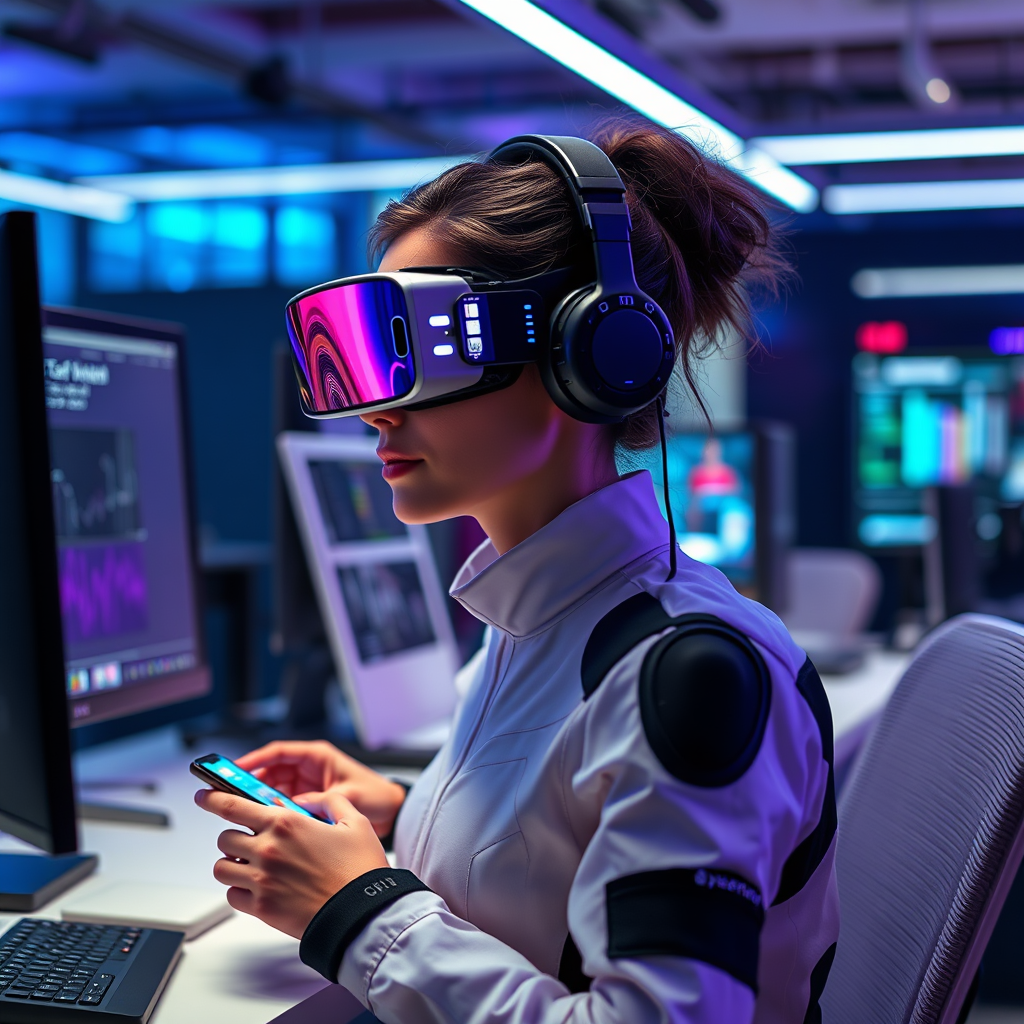
Haptic feedback suits are now available to consumers, transforming the way we experience virtual reality and gaming. These innovative suits allow users to physically feel sensations on their bodies, creating a new level of immersion that makes digital environments more engaging. As technology continues to evolve, these suits promise to revolutionize how we interact with games, simulations, and virtual experiences. In this article, we’ll delve into the technology behind haptic feedback suits, their diverse applications, leading brands in the market, and the future of this exciting innovation.



Understanding Haptic Feedback Technology

Haptic feedback technology is designed to simulate the sense of touch through vibrations and motions, providing users with a physical response to digital interactions. At its core, the technology relies on advanced sensors that detect user movements and interactions, translating these actions into real-time feedback. For instance, when a user interacts with a virtual object, the suit can create sensations that mimic the weight, texture, and resistance of that object, making the experience feel tangible.
Moreover, haptic feedback suits utilize actuators placed strategically throughout the garment to give users a varied sensory experience. These actuators can create different levels of intensity based on the action being performed—whether it’s the gentle touch of a breeze or the impact of a virtual explosion. As the technology evolves, we’re seeing more sophisticated designs that enhance the precision and range of sensations, leading to a more immersive experience for users.
Applications in Gaming and Entertainment
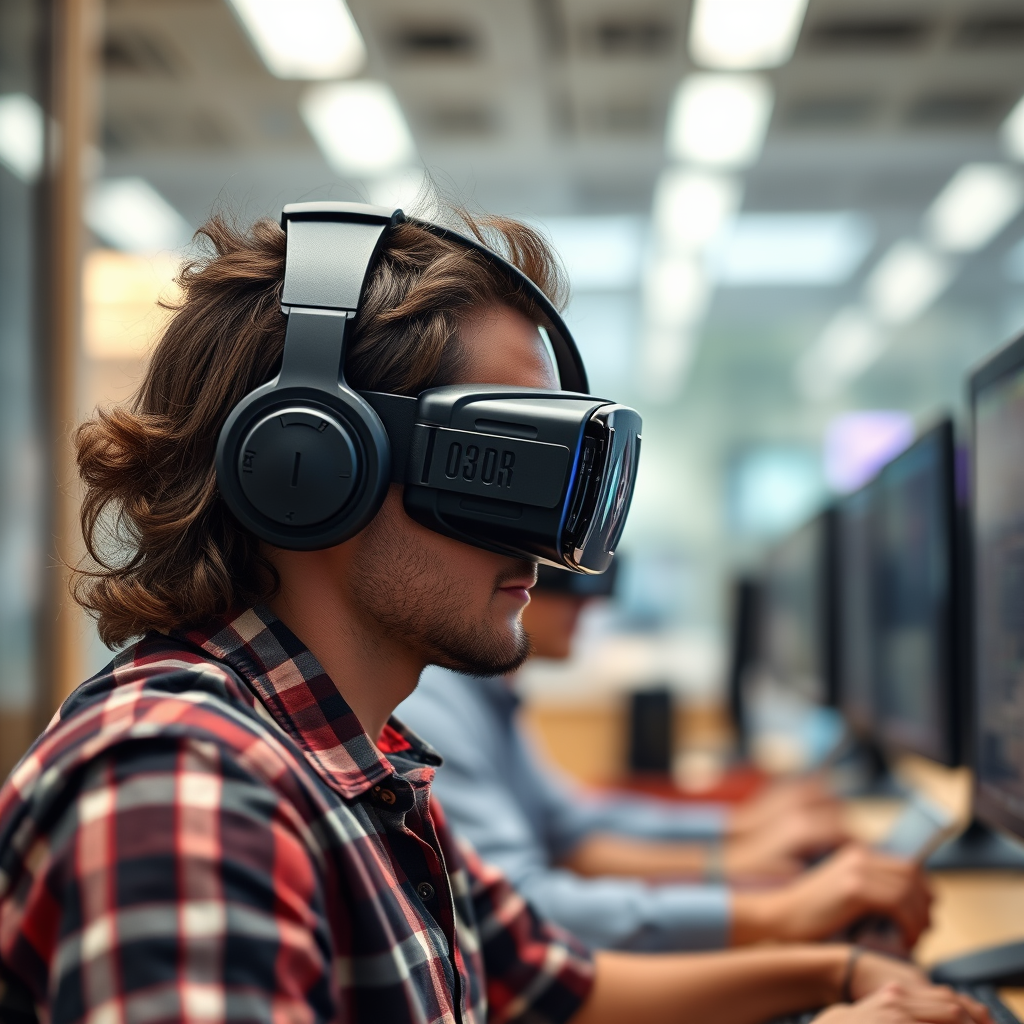
The primary application of haptic feedback suits lies in gaming, where they enhance the overall experience by providing tactile feedback that mimics in-game actions. Imagine feeling the rush of wind as you race your car at high speeds or the impact of a sword clash in a fantasy battle—all thanks to haptic technology. This immersive experience can elevate gaming from mere visual engagement to a multi-sensory adventure.
Beyond gaming, haptic suits are making waves in the realm of virtual reality (VR) experiences. They are being used in various training simulations, enabling professionals in fields such as medicine, military, and emergency response to practice critical skills in a safe, controlled environment. For instance, a surgeon could train to perform delicate procedures while receiving real-time feedback on their movements, which can lead to better outcomes in actual surgical situations. Moreover, filmmakers and storytellers are beginning to explore haptic technology as a means to create immersive narratives, allowing audiences to feel the emotions and actions of characters in ways that were previously unimaginable.
Key Players in the Consumer Market
Several companies are at the forefront of developing consumer-friendly haptic feedback suits, each offering unique features and capabilities. Tesla Suit is one of the most recognized brands, known for its full-body suit that provides a wide range of haptic sensations. The Tesla Suit incorporates motion capture technology, allowing users not only to feel sensations but also to interact with VR environments seamlessly.
Another significant player is HaptX, which focuses on creating highly realistic feedback with a suit that combines haptic sensations with precise motion tracking. HaptX suits are designed for professional applications but have begun to penetrate the consumer market due to their impressive technology.
bHaptics is also gaining attention with its more affordable options that provide localized haptic feedback, primarily targeting gamers. The company offers vests and arm sleeves, enhancing the gaming experience without the full-body commitment of other suits. As the market grows, we can expect to see more companies entering the fray, each contributing to the evolution of haptic feedback technology.
Benefits of Haptic Feedback Suits
The benefits of haptic feedback suits extend beyond sheer entertainment value. By improving immersion, these suits make games and virtual experiences feel more lifelike, allowing users to engage with digital content in a way that feels real. This heightened sense of presence can lead to more profound emotional connections with the content, whether it’s a thrilling game or an educational simulation.
In training scenarios, haptic suits provide realistic simulations that can be crucial for various professions. For example, in industries like aviation or healthcare, realistic feedback can help individuals develop muscle memory and refine their skills in a safe environment. This kind of training can be far more effective than traditional methods, bridging the gap between theory and real-world application.
Additionally, haptic feedback suits have the potential to revolutionize accessibility in gaming and other experiences. By providing tactile feedback, these suits can help users with visual impairments engage with digital environments, creating a more inclusive space for all players.
Challenges in Adoption and Use
Despite the exciting potential of haptic feedback suits, several challenges hinder their widespread adoption. One of the primary barriers is cost. Many of the current suits on the market are priced beyond what the average consumer can afford, which limits accessibility. As technology advances, however, manufacturers are working to reduce production costs, which may lead to more affordable options in the future.
Technical issues also pose challenges. For instance, the weight and comfort of the suits can be a concern for users. Bulky designs can detract from the immersive experience, making it difficult for users to fully engage in the virtual environments. Companies are continually innovating to make these suits lighter and more comfortable, aiming for designs that users can wear for extended periods without discomfort.
Future of Haptic Feedback in Consumer Tech
The future of haptic feedback suits in consumer technology is bright, with promising advancements on the horizon. As technology continues to evolve, we can expect improvements in the precision and realism of haptic feedback, creating even more lifelike experiences. Moreover, as production costs decrease, these suits will likely become more accessible to a broader audience, leading to increased adoption among gamers and virtual reality enthusiasts.
As more consumers integrate haptic feedback suits into their gaming and virtual experiences, we can anticipate a shift in how developers approach game design. With the potential for more complex interactions and enhanced storytelling, the gaming landscape will likely transform, offering players richer and more immersive worlds to explore.
The growing availability of haptic feedback suits marks an exciting development in consumer technology. As these suits become more accessible, they promise to change the way we interact with digital worlds, making experiences more immersive and engaging. If you’re interested in exploring this cutting-edge technology, keep an eye on the latest releases and consider how it could enhance your gaming or virtual reality experiences. The future is here, and it’s more tactile than ever!
Frequently Asked Questions
What are haptic feedback suits and how do they work?
Haptic feedback suits are wearable devices designed to provide tactile sensations to the user, simulating touch and movement in virtual environments. They utilize a series of sensors and actuators embedded in the fabric to deliver vibrations, pressure, or other sensations that correspond to actions in virtual reality (VR) or augmented reality (AR) experiences. By translating digital interactions into physical sensations, these suits enhance immersion, making gaming, training simulations, and even therapeutic applications more engaging and realistic.
How can haptic feedback suits improve the gaming experience?
Haptic feedback suits significantly enhance the gaming experience by adding a layer of realism that traditional controllers cannot provide. Players can feel impacts, movements, and environmental changes through vibrations and pressure on their bodies, creating a more immersive experience. This technology allows gamers to engage with the virtual world in a more intuitive way, leading to heightened emotional responses and greater enjoyment during gameplay.
Why are haptic feedback suits becoming popular among consumers?
Haptic feedback suits are gaining popularity among consumers due to the growing interest in virtual reality and immersive gaming experiences. As technology advances and becomes more affordable, these suits are becoming accessible to a wider audience. Additionally, the appeal of enhanced sensory feedback for applications beyond gaming, such as training programs, rehabilitation, and social interactions in virtual environments, is driving consumer interest and demand.
What are the best haptic feedback suits available on the market?
Some of the best haptic feedback suits currently available include the Tesla Suit, bHaptics Tactsuit, and HaptX Gloves, each offering unique features tailored for different applications. The Tesla Suit emphasizes full-body tracking and VR interaction, while the bHaptics Tactsuit is known for its affordability and compatibility with various gaming platforms. HaptX Gloves provide an advanced tactile experience, making them ideal for professional and enterprise use. When choosing a suit, consider factors such as compatibility, comfort, and intended use to find the best fit for your needs.
Which industries are adopting haptic feedback suits and why?
Haptic feedback suits are being adopted across several industries, including gaming, education, healthcare, and military training. In gaming, they enhance player immersion, while in education, they provide interactive learning experiences that make complex subjects more engaging. In healthcare, these suits are used for physical therapy and rehabilitation, allowing patients to interact with simulated environments. The military also uses haptic technology for training simulations, providing soldiers with realistic experiences that prepare them for real-world scenarios. This versatility showcases the potential of haptic feedback suits in various professional applications.
References
- Haptic technology
- https://www.bbc.com/news/technology-58840242
- https://www.nytimes.com/2021/10/18/technology/haptic-technology-virtual-reality.html
- https://www.sciencedirect.com/science/article/pii/S2212017321000284
- https://www.theguardian.com/technology/2021/nov/15/haptic-feedback-suits-virtual-reality-gaming
- https://www.reuters.com/technology/haptic-feedback-suits-are-game-changer-2021-11-01/
- https://www.wired.com/story/haptic-feedback-gaming-suits-virtual-reality/




2 thoughts on “Haptic Feedback Suits Now Available in the Consumer Market”