
The deployment of ocean cleanup robots at scale is revolutionizing the battle against marine pollution, offering an innovative and effective solution to the alarming levels of plastic and debris in our oceans. These advanced technologies not only promise to remove waste but also aim to restore marine ecosystems and protect wildlife. In this article, you’ll discover how these robots work, their impacts on marine ecosystems, and the future of ocean cleanup efforts.




Understanding Ocean Cleanup Robots
Ocean cleanup robots are engineered to tackle the pressing issue of marine debris, primarily plastic waste. These robots typically feature a combination of autonomous navigation, advanced sensors, and collection mechanisms that allow them to efficiently identify and gather debris from the ocean surface. For instance, many of these robots utilize a large, floating barrier that traps plastics while allowing marine life to pass beneath. Equipped with GPS and sonar technology, they can navigate to targeted areas with high concentrations of debris, such as the infamous Great Pacific Garbage Patch.
These robots are designed to handle various types of debris, ranging from large plastic items like fishing nets and containers to microplastics that pose a significant threat to marine life. By focusing on a broad spectrum of waste, ocean cleanup robots contribute to a cleaner ocean environment, reducing the harmful impacts of plastic pollution on marine ecosystems.
Major Deployments and Locations
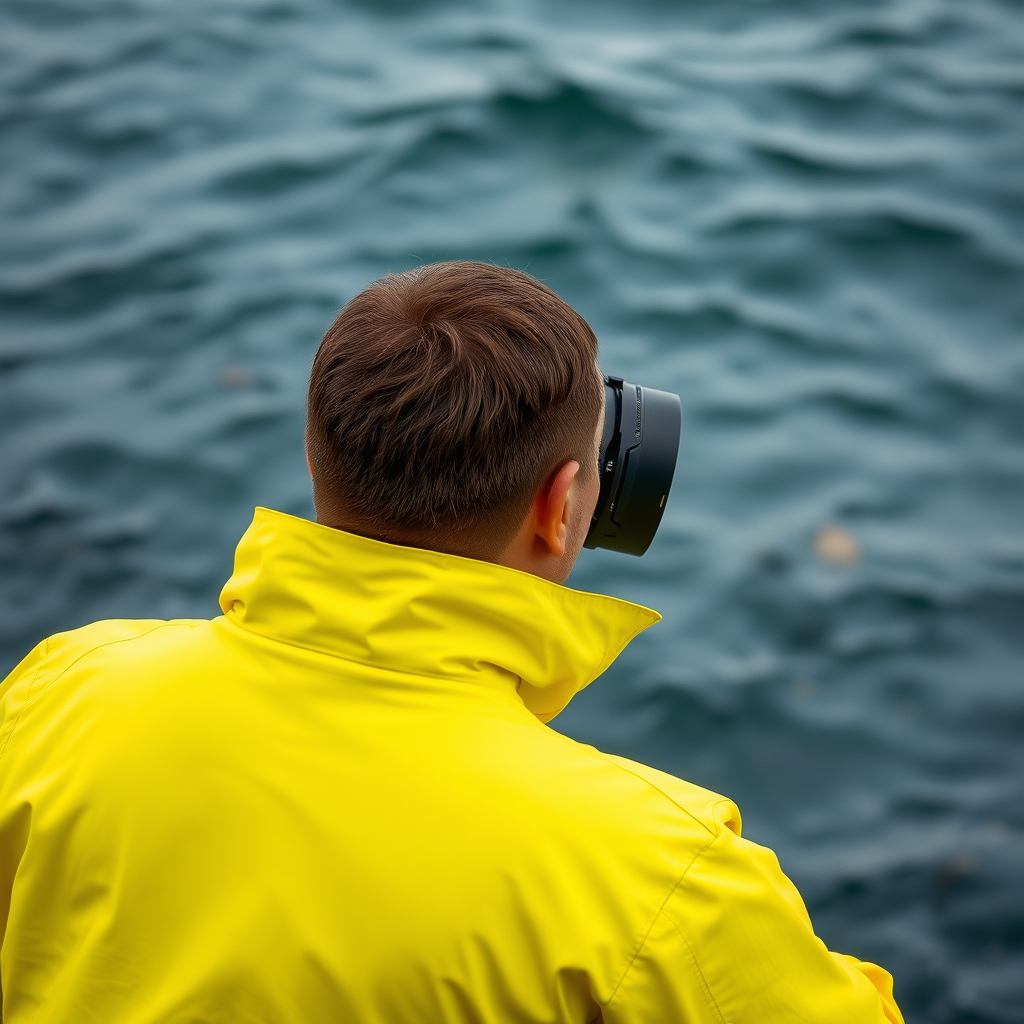
One of the most notable areas for the deployment of ocean cleanup robots is the Great Pacific Garbage Patch, a massive accumulation of plastic debris located between Hawaii and California. This region has been a focal point for cleanup efforts, as it contains an estimated 1.8 trillion pieces of plastic, weighing over 80,000 tons. The Ocean Cleanup Project, a nonprofit organization, has successfully deployed several cleanup systems in this area, with plans for additional operations to expand their reach.
As of now, dozens of ocean cleanup robots are actively working in various locations around the world, including coastal areas where plastic waste often accumulates. The scale of these operations is impressive, with multiple robots working simultaneously to maximize efficiency. For example, in 2023, the Ocean Cleanup Project announced the deployment of its latest fleet, which is expected to significantly increase the amount of plastic collected compared to previous years.
Environmental Impact and Benefits
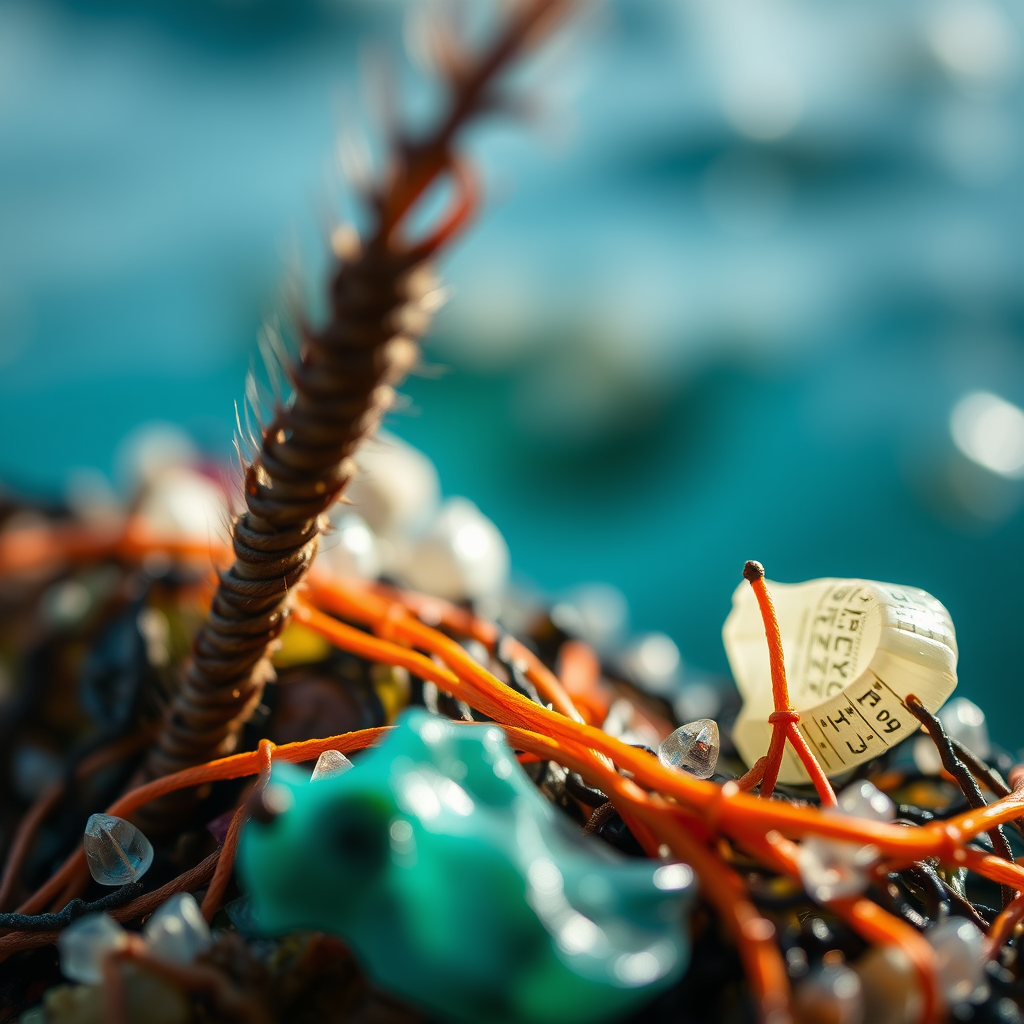
The environmental impact of ocean cleanup robots is significant and multifaceted. By removing plastic from the oceans, these robots help protect marine life, which can become entangled in debris or ingest harmful materials. Studies suggest that the removal of large plastic items can lead to improvements in biodiversity and the overall health of marine ecosystems.
Statistics paint a hopeful picture: since the inception of ocean cleanup initiatives, thousands of tons of plastic have been removed from the oceans. For instance, in just a few months of operation, the Ocean Cleanup’s systems collected over 100,000 kilograms (about 220,000 pounds) of debris. This not only cleans the ocean but also raises awareness about the importance of reducing plastic consumption and improving waste management practices globally.
Challenges Faced by Ocean Cleanup Robots
While the potential benefits of ocean cleanup robots are vast, they do face several challenges that can hinder their effectiveness. Technical limitations, such as battery life and the durability of materials used in robot construction, often pose significant hurdles. For instance, harsh ocean conditions, including rough waves and weather changes, can affect the robots’ performance and longevity.
Financial constraints also play a critical role in the deployment of these technologies. Many organizations rely on donations and grants to fund their initiatives, and public awareness can greatly influence funding levels. Without sufficient support, the scale of operations may be limited, preventing these robots from reaching their full potential in cleaning our oceans.
Future Developments in Ocean Cleanup Technology
The future of ocean cleanup technology is bright, with ongoing research and development aimed at enhancing the efficiency and effectiveness of these robots. Innovations such as improved materials that are both lightweight and durable, advanced AI for better navigation and debris detection, and solar-powered systems are already in the works. These advancements promise to make ocean cleanup robots more resilient and capable of operating in a wider variety of environments.
Moreover, there is speculation about future innovations that could transform marine cleanup efforts even further. Concepts such as drone-assisted collection, which would allow for a coordinated effort between aerial and marine vehicles, are being explored. These developments could dramatically increase the speed and efficiency of cleanup operations, ultimately leading to healthier oceans.
Community Involvement and Support
Local communities and organizations play a vital role in supporting ocean cleanup initiatives. Grassroots movements, beach cleanups, and educational programs raise awareness about plastic pollution and encourage individuals to take action. For example, initiatives like the “Adopt-a-Beach” program empower communities to take ownership of their local environments, complementing robotic efforts by mobilizing volunteers to remove debris manually.
Successful community-led cleanup programs have been shown to enhance public awareness and encourage sustainable practices, creating a more significant impact overall. By fostering a sense of responsibility and teamwork, these initiatives can inspire people to advocate for policies that support marine conservation and cleanup technologies.
The successful deployment of ocean cleanup robots at scale represents a critical step toward restoring our oceans and mitigating pollution. As technology advances and community involvement grows, the combined efforts of human and robotic forces can make a significant impact. For those interested in supporting these initiatives, consider participating in local cleanup events or advocating for policies that promote marine conservation. Together, we can work towards a cleaner, healthier ocean for future generations.
Frequently Asked Questions
What are ocean cleanup robots and how do they work?
Ocean cleanup robots are innovative technological solutions designed to remove plastic and debris from the oceans. These robots typically utilize advanced sensors, nets, and sometimes autonomous navigation systems to identify and capture marine waste. By continuously operating in high-pollution areas, they significantly contribute to ocean health, reducing the ecological impact of plastic waste on marine life.
Why is deploying ocean cleanup robots at scale important for environmental protection?
Deploying ocean cleanup robots at scale is crucial for addressing the massive problem of ocean plastic pollution, which poses severe threats to marine ecosystems, wildlife, and human health. Large-scale operations can enhance efficiency, allowing for the collection of greater volumes of debris in a shorter time frame. This proactive approach not only helps restore oceanic environments but also raises public awareness about the importance of sustainable practices.
How are ocean cleanup robots being funded and supported?
Funding for ocean cleanup robots typically comes from a mix of government grants, private donations, and partnerships with corporations committed to environmental sustainability. Many organizations also engage in crowdfunding campaigns to involve the community in their initiatives. This diverse financial support is essential for research, development, deployment, and maintenance of these robots, ensuring they can operate effectively at scale.
Which organizations are leading the development of ocean cleanup robot technology?
Several pioneering organizations are at the forefront of developing ocean cleanup robot technology, with The Ocean Cleanup being one of the most prominent. Founded by Boyan Slat, this nonprofit focuses on designing advanced systems to extract plastic from the oceans. Other significant contributors include local governments, universities, and private companies that collaborate to innovate and enhance the efficiency of cleanup efforts.
What are the challenges faced by ocean cleanup robots and how are they being addressed?
Ocean cleanup robots face several challenges, including harsh marine conditions, the varying nature of debris, and the need for efficient energy sources. To address these issues, developers are continuously improving the design and materials of the robots, incorporating robust navigation systems, and exploring sustainable energy options like solar power. Ongoing research and field tests are critical to overcoming these challenges and ensuring the long-term success of ocean cleanup initiatives.
References
- The Ocean Cleanup
- https://www.bbc.com/news/science-environment-49142821
- https://www.npr.org/2021/06/09/1004969519/ocean-cleanup-robot-deploys-in-pacific
- https://www.theguardian.com/environment/2021/jun/09/ocean-cleanup-robot-deployed-pacific-garbage-patch
- https://www.sciencedirect.com/science/article/pii/S0025326X19306051
- https://www.oceancleanup.com/
- https://www.nature.com/articles/s41598-020-67723-3
- https://www.reuters.com/business/environment/ocean-cleanup-robot-deploys-pacific-garbage-patch-2021-06-09/
- Goal 14: Oceans – United Nations Sustainable Development
- https://www.usgs.gov/news/press-release/ocean-cleanup-robot-deployed-pacific-garbage-patch




One thought on “Ocean Cleanup Robots Deployed at Scale: A New Era in Marine Conservation”