
Classic speakers from the past often deliver sound quality and character that many modern options struggle to match. Their unique craftsmanship, warm sound profiles, and timeless appeal continue to resonate with audio enthusiasts today. In this article, we will explore some of the best classic speakers that have stood the test of time, highlighting their distinctive features and why they remain superior in performance to many contemporary counterparts.
The Timeless Appeal of Vintage Audio
The craftsmanship and materials used in classic speakers are often unparalleled, providing a level of quality that many modern speakers simply cannot replicate. Vintage models were built with robust wooden cabinets, high-quality drivers, and meticulous attention to detail, contributing to their exceptional acoustic properties. This dedication to craftsmanship ensures durability and an aesthetic that appeals to collectors and audiophiles alike.
One of the standout features of classic speakers is their warm sound profile. Many modern options tend to emphasize clarity and brightness, often at the expense of the rich, full sound that vintage speakers can deliver. The natural sound signature of classic models often includes a balanced reproduction across the frequency spectrum, adding depth and warmth to music that draws listeners in and creates an immersive experience. This tonal richness is something many users find lacking in the overly engineered designs of contemporary speakers.
Iconic Models Worth Considering
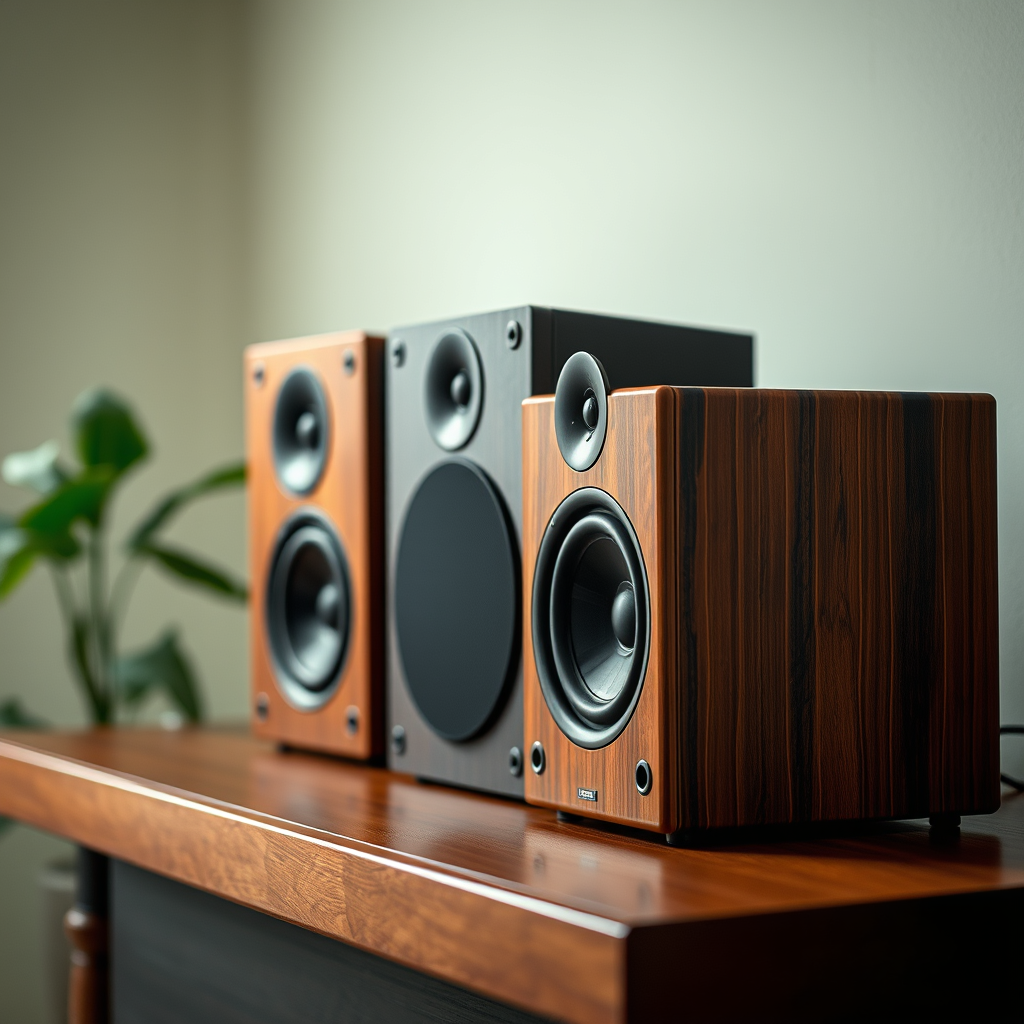
When discussing classic speakers, several legendary models consistently surface among audiophiles. The JBL L100, often referred to as the “Century,” debuted in the 1970s and has become one of the most recognized speakers in audio history. With a dynamic range, impressive bass response, and a distinctive yellow cone, the JBL L100 has garnered a loyal following. User reviews frequently highlight its ability to deliver powerful sound without distortion, making it a staple in many vintage audio setups.
Another iconic model is the Klipsch Heresy, first introduced in 1957. Known for its compact size and remarkable efficiency, the Heresy utilizes a horn-loaded design that allows it to produce high volumes with minimal distortion. Users appreciate its clear mids and crisp highs, which make it a favorite for both music and home theater applications. The Heresy’s unique design and sound quality have helped it maintain its status as a sought-after classic even decades after its initial release.
| Speaker Model | Frequency Response | Sensitivity | Power Handling | Dimensions (H x W x D) | Weight | Year Introduced | User Rating |
|——————|——————-|————-|—————-|————————-|——–|——————|————-|
| JBL L100 | 45 Hz – 20 kHz | 90 dB | 100 W | 24″ x 16.5″ x 12″ | 40 lbs | 1970 | ★★★★★ |
| Klipsch Heresy | 58 Hz – 20 kHz | 99 dB | 100 W | 23″ x 15″ x 13″ | 36 lbs | 1957 | ★★★★★ |
| AR-3a | 30 Hz – 20 kHz | 87 dB | 100 W | 32″ x 19″ x 13″ | 48 lbs | 1965 | ★★★★☆ |
| Pioneer HPM-100 | 30 Hz – 20 kHz | 95 dB | 100 W | 24″ x 15″ x 12″ | 35 lbs | 1975 | ★★★★☆ |
| Infinity RS 4001 | 32 Hz – 20 kHz | 90 dB | 200 W | 37″ x 14″ x 12″ | 55 lbs | 1980 | ★★★★☆ |
Comparing Classic Speakers to Modern Alternatives
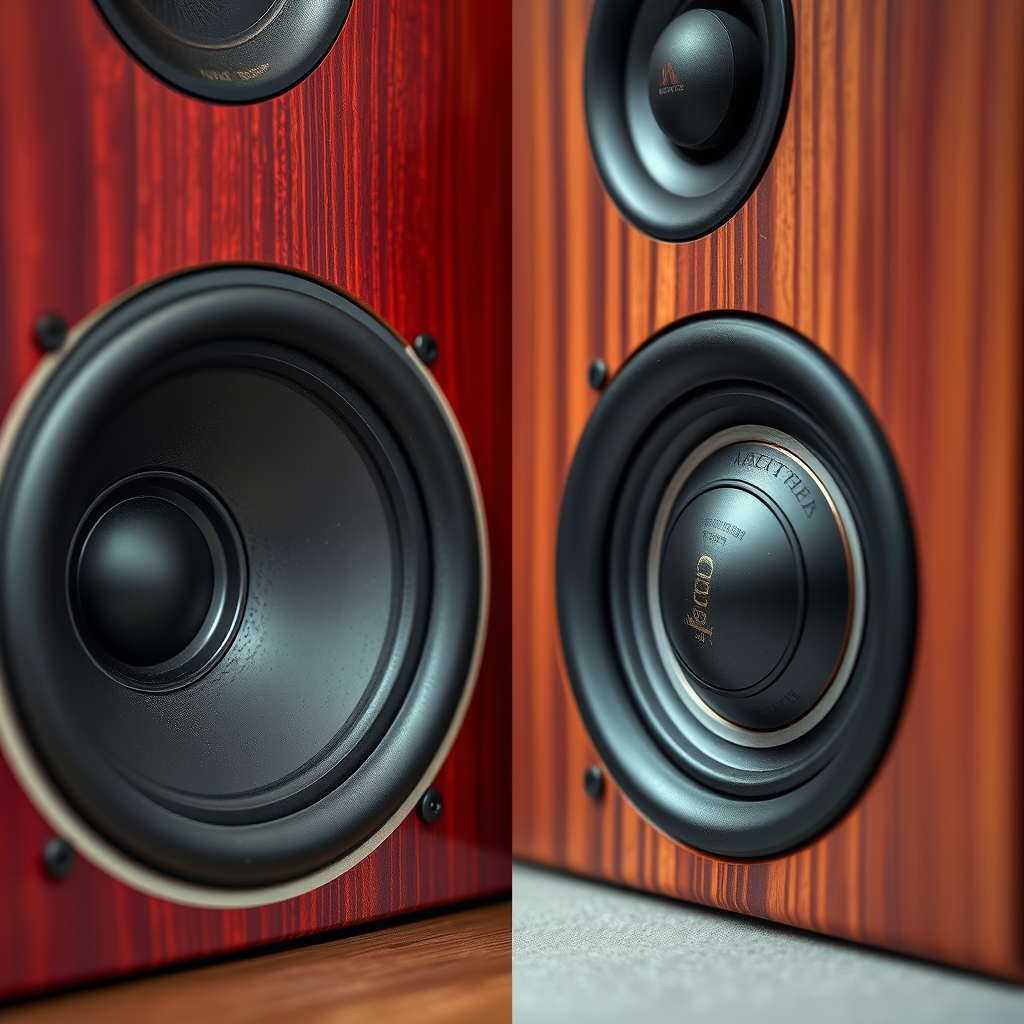
When comparing classic speakers to modern alternatives, the differences in sound reproduction are significant. Classic speakers often excel in producing a richer, more engaging sound. They typically feature larger drivers and more substantial cabinets that contribute to their impressive low-frequency response. Modern speakers, particularly those designed for compact living spaces, may prioritize size and portability over sound quality, often resulting in a thinner sound profile.
However, the integration of modern technology has allowed some classic designs to be updated without losing their essence. For instance, companies like Klipsch and JBL have re-released updated versions of their classic models, incorporating modern materials and technology while retaining the original sound characteristics that made them popular. This blending of old and new ensures that audiophiles can enjoy the best of both worlds.
Classic vs Modern Speaker Features
| # | Feature | Classic Speakers | Modern Speakers |
|---|---|---|---|
| 1 | Driver Size | Larger | Smaller |
| 2 | Cabinet Material | Solid Wood | MDF/Plywood |
| 3 | Sound Signature | Warm | Bright |
| 4 | Bass Response | Deep | Tight |
| 5 | Portability | Less Portable | Highly Portable |
| 6 | Price | Higher | Lower |
| 7 | Longevity | Very Durable | Moderately Durable |
| 8 | Customization | Limited | Highly Customizable |
The Importance of Speaker Matching
The optimal performance of classic speakers often hinges on how well they are matched with amplifiers and other audio equipment. Pairing a classic speaker with a vintage amplifier can lead to a synergy that enhances sound quality, allowing the natural characteristics of the speaker to shine through. Many audiophiles advocate for brands like McIntosh or Marantz from the same era as the speakers for an authentic experience.
However, if you prefer modern equipment, it is crucial to select components that complement the unique sound profile of classic speakers. Look for amplifiers that maintain a warm sound signature and avoid those that overly emphasize high frequencies, as this can lead to an unbalanced listening experience. Ensuring compatibility in terms of power handling and impedance is also vital to preserve sound quality and prevent damage to your vintage audio gear.
Maintenance and Longevity of Classic Speakers
Maintaining classic speakers is essential to preserve their sound quality and aesthetics. Regular cleaning of the drivers and cabinets can prevent the buildup of dust and grime that can affect performance. Additionally, keeping the speakers in a stable environment free from extreme temperature fluctuations and humidity will ensure that the materials remain intact and functional.
Common repairs for vintage speakers often include refoaming the woofers or replacing capacitors in the crossover network. Upgrading certain components, such as the wiring or connectors, can also enhance performance without altering the speaker’s original character. Engaging with a professional audio technician familiar with vintage gear can ensure that any modifications are done correctly and respectfully.
Where to Find Classic Speakers
Finding classic speakers requires a bit of research and patience, but several resources cater to vintage audio enthusiasts. Online marketplaces like eBay and Reverb feature listings from sellers across the globe, providing access to a wide range of models. Specialty shops, both online and brick-and-mortar, often have curated selections of vintage audio equipment, along with knowledgeable staff who can offer insights on each product.
When assessing the condition of vintage speakers, always inquire about their history, including any repairs or modifications. Look for original components and examine the speakers for signs of wear or damage. Online forums and communities dedicated to vintage audio can also provide valuable advice and recommendations for reputable sellers.
Classic Speaker Popularity Over Time
Listening Experiences: Why They Matter
The emotional connection that classic speakers foster among listeners cannot be overstated. Many audiophiles share testimonials about their experiences with vintage audio equipment, often expressing a sense of nostalgia and warmth that modern speakers fail to evoke. The stories of late-night listening sessions, the rekindling of memories through favorite records, and the communal experience of sharing music with friends are all integral to the allure of classic speakers.
Listeners often describe the engagement they feel with their music when played through classic speakers. Unlike modern systems that may prioritize technical specifications and features, vintage models tend to create a more organic listening experience, inviting listeners to connect with the music on a deeper level. This emotional resonance is a compelling reason why many continue to seek out and cherish classic audio equipment.
The enduring popularity of classic speakers lies in their unmatched audio quality, craftsmanship, and the emotional connection they foster among listeners. Whether you’re a seasoned audiophile or a newcomer exploring vintage audio, consider adding these timeless models to your collection. Embrace the opportunity to experience sound as it was meant to be heard and enjoy the distinct character that classic speakers bring to your listening space.
Frequently Asked Questions
What are the best classic speakers that still outperform modern ones?
Some of the best classic speakers that continue to outperform modern ones include the JBL L100, Klipsch Heresy, and the Bowers & Wilkins 801. These speakers are renowned for their exceptional sound quality, timeless design, and durability. Their vintage models often feature robust construction and superior acoustic engineering that many modern speakers struggle to replicate.
Why do classic speakers often sound better than modern speakers?
Classic speakers often sound better due to their superior build quality, design philosophies, and the use of high-quality materials that prioritize sound fidelity. Many modern speakers focus on compactness and digital enhancements, which can sometimes compromise audio performance. Classic models frequently deliver a warmer, more natural sound that audiophiles appreciate.
How can I identify the best classic speakers for my audio setup?
To identify the best classic speakers for your audio setup, consider factors such as sound signature, compatibility with your equipment, and your listening preferences. Research reviews and seek out models known for their performance in your specific genre of music. Visiting audio shops to listen to different models can also help you find the perfect match for your needs.
Which vintage speakers have the best resale value today?
Vintage speakers like the JBL L100, Klipsch La Scala, and Infinity RS series have some of the best resale values today due to their iconic status and enduring performance. Collectors and audiophiles actively seek these models, which keeps their market demand high. Investing in well-maintained units can yield significant returns as they appreciate over time.
What maintenance tips can help preserve classic speakers’ performance?
To preserve the performance of classic speakers, regularly dust them and check for any wear on components like cones and surrounds. Avoid exposing them to extreme temperatures or humidity, which can damage delicate parts. Additionally, re-capping the speakers’ internal capacitors every few years can enhance their sound quality and prolong their lifespan.
References
- Loudspeaker
https://en.wikipedia.org/wiki/Loudspeaker - https://www.bbc.com/culture/article/20191022-the-audio-technology-that-defines-the-modern-music-industry
https://www.bbc.com/culture/article/20191022-the-audio-technology-that-defines-the-modern-music-industry - https://www.theguardian.com/music/2018/jul/05/the-best-vintage-speakers-are-still-the-greatest
https://www.theguardian.com/music/2018/jul/05/the-best-vintage-speakers-are-still-the-greatest - https://www.sciencedirect.com/topics/engineering/loudspeakers
https://www.sciencedirect.com/topics/engineering/loudspeakers - https://www.nytimes.com/2021/06/04/arts/music/vintage-audio-equipment.html
https://www.nytimes.com/2021/06/04/arts/music/vintage-audio-equipment.html - https://www.reuters.com/article/us-audio-vintage-idUSKBN2A304D
https://www.reuters.com/article/us-audio-vintage-idUSKBN2A304D - Google Scholar Google Scholar
https://scholar.google.com/scholar?q=classic+speakers+vs+modern+speakers - Google Scholar Google Scholar
https://scholar.google.com/scholar?q=best+vintage+speakers+audio+quality - Google Scholar Google Scholar
https://scholar.google.com/scholar?q=audio+technology+history+speakers - https://pubmed.ncbi.nlm.nih.gov/30218934/
https://pubmed.ncbi.nlm.nih.gov/30218934/