
Building your own custom audio system with DIY speaker kits is a rewarding and cost-effective way to enjoy high-quality sound tailored to your preferences. With a myriad of components available on the market, you can create a sound system that meets your specific needs and aesthetic tastes. This guide will walk you through selecting the right components, assembling your speaker system, and optimizing its performance for the best possible audio experience.
Understanding DIY Speaker Kits
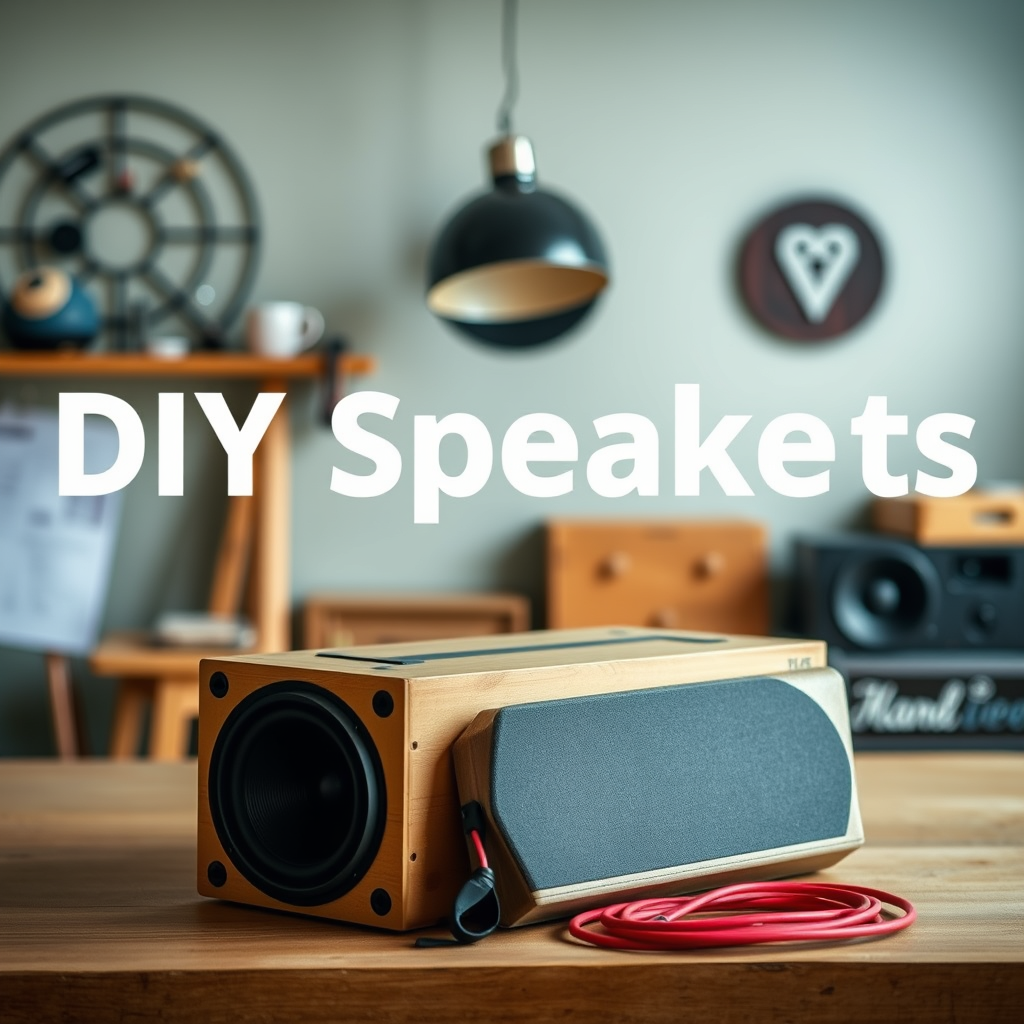
A DIY speaker kit typically includes essential components such as drivers, crossovers, and enclosures. The drivers are the heart of the speaker, responsible for converting electrical signals into sound. Crossovers are critical for dividing the audio signal into different frequency ranges, ensuring that each driver receives the appropriate frequencies, thus enhancing overall sound quality. Enclosures, on the other hand, provide a housing for the drivers and affect the sound’s characteristics, particularly the bass response.
The benefits of building your own system versus buying pre-built speakers are numerous. DIY kits allow for customization in terms of sound profile, design, and materials, often resulting in superior audio quality. Additionally, assembling your own speakers can be a fulfilling hobby, providing hands-on experience and a deeper understanding of audio technology.
Selecting the Right Components
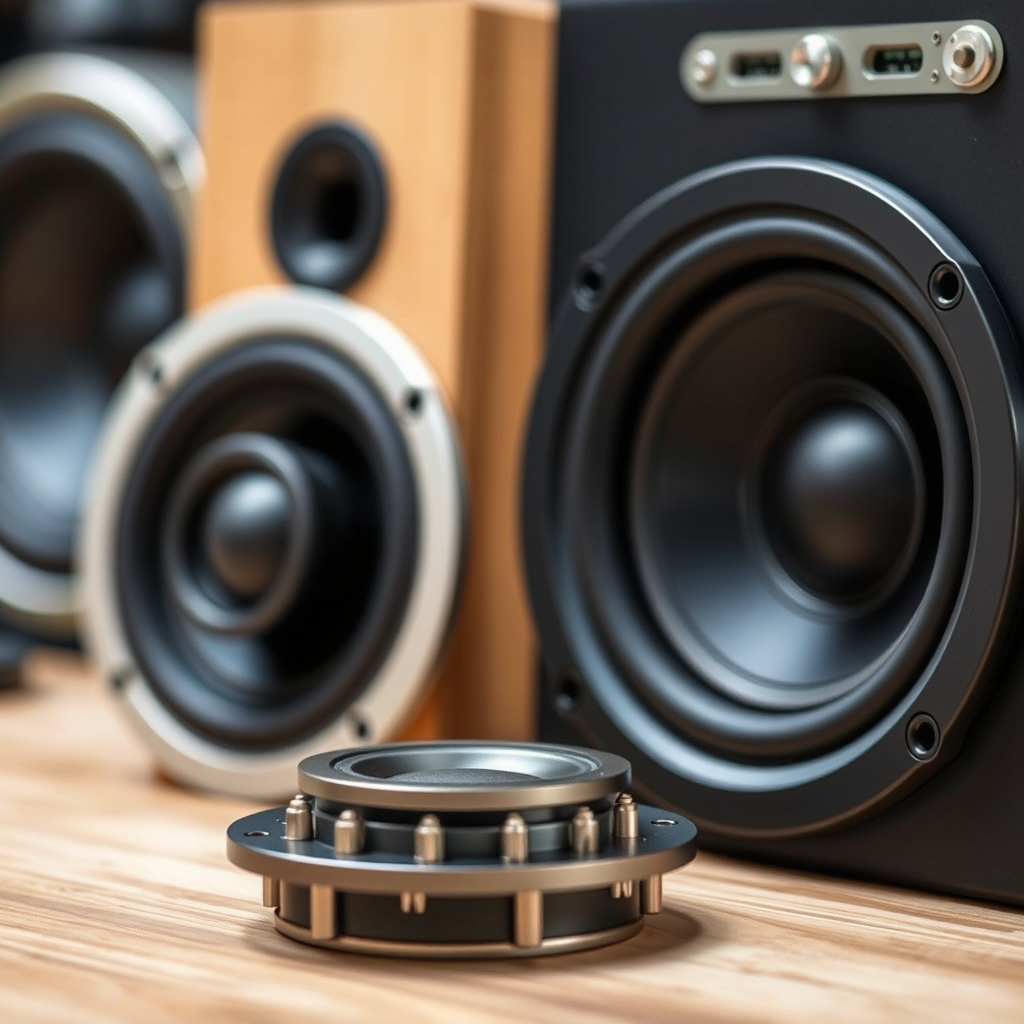
When choosing drivers for your DIY speaker kit, several factors must be considered. The size of the drivers affects sound reproduction—larger drivers typically produce better bass, while smaller drivers excel at higher frequencies. The type of driver, such as woofers, mid-range drivers, or tweeters, should also align with the desired sound profile. Sensitivity ratings, measured in decibels (dB), indicate how efficiently a driver converts power into sound; higher sensitivity ratings mean more efficient sound production.
Crossovers are equally important as they determine how audio signals are divided among the different drivers. A well-designed crossover can significantly enhance sound quality by preventing distortion and ensuring that each driver operates within its optimal frequency range.
Assembling Your Speaker System
Constructing your speakers requires careful attention to detail and a systematic approach. Here’s a step-by-step guide to help you through the assembly process:
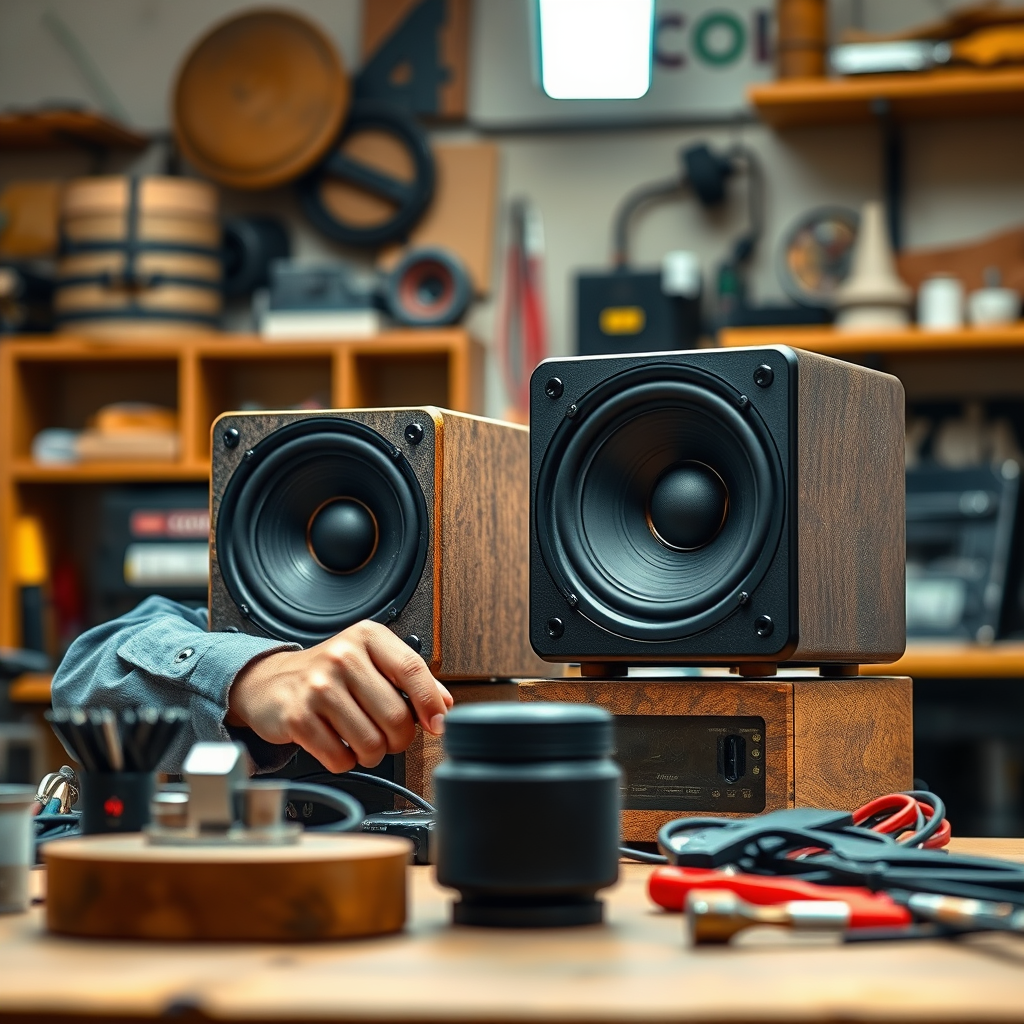
1. Prepare Your Workspace: Ensure you have a clean, organized area to work in, with all necessary tools on hand, including a soldering iron, wire cutters, and a screwdriver.
2. Build the Enclosure: Start by assembling the enclosure according to the kit’s instructions. Use wood glue or screws to secure the panels tightly, paying close attention to avoid air leaks, which can affect sound quality.
3. Install the Drivers: Once the enclosure is assembled, carefully install the drivers. Make sure to follow the polarity markings to ensure proper sound phase alignment.
4. Connect the Crossover: Install the crossover inside the enclosure, connecting it to the drivers according to the provided schematic. Proper wiring is crucial for optimum performance.
5. Final Assembly: After wiring, secure the speaker terminals and seal the enclosure. It’s advisable to test connections before fully closing the enclosure.
6. Finishing Touches: Sand and paint or veneer the enclosure for a polished look that complements your home decor.
📋 MANDATORY DATA TABLE
Top DIY Speaker Kits for Custom Audio Systems
| # | Kit Name | Driver Size | Crossover Type | Price |
|---|---|---|---|---|
| 1 | Dayton Audio B652-AIR | 6.5″ | Passive | $149 |
| 2 | Elac Debut 2.0 | 6.5″ | Passive | $299 |
| 3 | Klipsch R-41M | 4″ | Passive | $249 |
| 4 | Sonic Electronix 6.5″ | 6.5″ | Passive | $99 |
| 5 | Pioneer SP-BS22-LR | 4″ | Passive | $199 |
| 6 | Polk Audio T15 | 5.25″ | Passive | $99 |
| 7 | Jamo S 803 | 5.25″ | Passive | $249 |
📈 MANDATORY BAR CHART
DIY Speaker Kit Price Comparison
Testing and Tuning Your Speakers
After assembling your speakers, the next crucial step is to test and tune them for optimal sound quality. Start by performing initial tests to check sound quality. Play a variety of music genres, focusing on different frequency ranges to identify any imbalances. Listen for clarity, distortion, and overall balance in sound.
To tune your speakers effectively, consider the acoustic properties of your room. Room acoustics play a significant role in sound quality; factors such as wall materials, furniture placement, and room shape can all affect how sound waves interact. Use equalization techniques to adjust frequencies based on your observations. If possible, invest in an audio measurement tool to analyze the frequency response and make precise adjustments.
Enhancing Your Audio System
Once your DIY speaker system is operational, consider optional upgrades that can further enhance your audio experience. Adding a quality amplifier can improve power handling and overall sound clarity. Digital signal processors (DSPs) can also be beneficial, allowing for intricate sound adjustments tailored to your preferences.
Additionally, investing in high-quality accessories such as speaker cables, isolation pads, and stands can significantly improve your listening experience. Proper cable management ensures clean sound without interference, while stands can aid in achieving the ideal speaker placement for optimal sound dispersion.
Troubleshooting Common Issues
Even the best DIY speaker setups can encounter issues. Identifying common problems involves a few systematic checks. If you experience a lack of sound or distortion, first inspect all wiring and connections to ensure they are secure. Check the drivers for physical damage, and verify that the crossover is functioning correctly.
If sound quality is not to your satisfaction after these checks, consider experimenting with speaker placement. Small adjustments in positioning can yield dramatic improvements in sound quality. If problems persist despite your efforts, seeking professional help or advice from audio experts or forums can provide valuable insights.
Building your own speaker system offers numerous benefits, including tailored sound quality, cost-effectiveness, and the satisfaction of creating something unique. As you embark on this DIY audio journey, explore various kits available online and do not hesitate to share your experiences with fellow audio enthusiasts. Your personalized audio system awaits, and the journey is as rewarding as the destination.
Frequently Asked Questions
What are the benefits of using DIY speaker kits for building a custom audio system?
DIY speaker kits allow audio enthusiasts to create a personalized sound experience tailored to their preferences. These kits often provide high-quality components at a lower cost than pre-built speakers, enabling users to learn about acoustics and speaker design while enjoying the satisfaction of building their own audio system.
How do I choose the right DIY speaker kit for my needs?
When selecting a DIY speaker kit, consider factors like your listening environment, preferred sound characteristics, and budget. Look for kits that include detailed assembly instructions and reputable components, ensuring a successful build that meets your audio quality expectations.
Why should I invest time in building my own speakers instead of buying pre-made ones?
Building your own speakers offers the chance to customize sound profiles and aesthetics according to your taste. Additionally, DIY projects can enhance your understanding of audio technology, empowering you to upgrade or repair your system in the future, which can be both rewarding and cost-effective.
What tools and materials do I need to complete a DIY speaker kit?
Essential tools for assembling a DIY speaker kit typically include a soldering iron, wire cutters, a screwdriver set, and a multimeter. Materials like wood for the enclosure, speaker drivers, crossover components, and acoustic insulation are usually included in the kit, but you may need additional supplies like paint or varnish for finishing touches.
Which DIY speaker kits are considered the best for beginners?
Some of the best DIY speaker kits for beginners include the Overnight Sensation from Parts Express and the Dayton Audio B652-AIR. These kits come with clear instructions, quality components, and a design that balances ease of assembly with impressive audio performance, making them ideal for those new to DIY audio projects.
References
- Loudspeaker
https://en.wikipedia.org/wiki/Loudspeaker - https://www.oberlin.edu/physics/Student_Projects/Speaker/
https://www.oberlin.edu/physics/Student_Projects/Speaker/ - https://www.sciencedirect.com/topics/engineering/loudspeaker
https://www.sciencedirect.com/topics/engineering/loudspeaker - Loudspeaker Design, Measurements, Theory
https://www.audioholics.com/loudspeaker-design - https://www.acoustics.org/press/151st/2pAB3.html
https://www.acoustics.org/press/151st/2pAB3.html - https://www.nature.com/articles/s41598-021-97848-9
https://www.nature.com/articles/s41598-021-97848-9 - Google Scholar Google Scholar
https://scholar.google.com/scholar?q=DIY+Speaker+Kits - Google Scholar Google Scholar
https://scholar.google.com/scholar?q=Custom+Audio+System - Google Scholar Google Scholar
https://scholar.google.com/scholar?q=Loudspeaker+design+and+engineering - https://www.bbc.com/future/article/20200812-how-to-build-the-perfect-speakers-for-your-home
https://www.bbc.com/future/article/20200812-how-to-build-the-perfect-speakers-for-your-home