
Improving audio clarity in your home theater system is essential for an immersive viewing experience. By optimizing speaker placement, choosing the right audio equipment, and using acoustic treatments, you can significantly enhance sound quality. This article will guide you through effective strategies to achieve crystal-clear audio.
Speaker Placement and Configuration
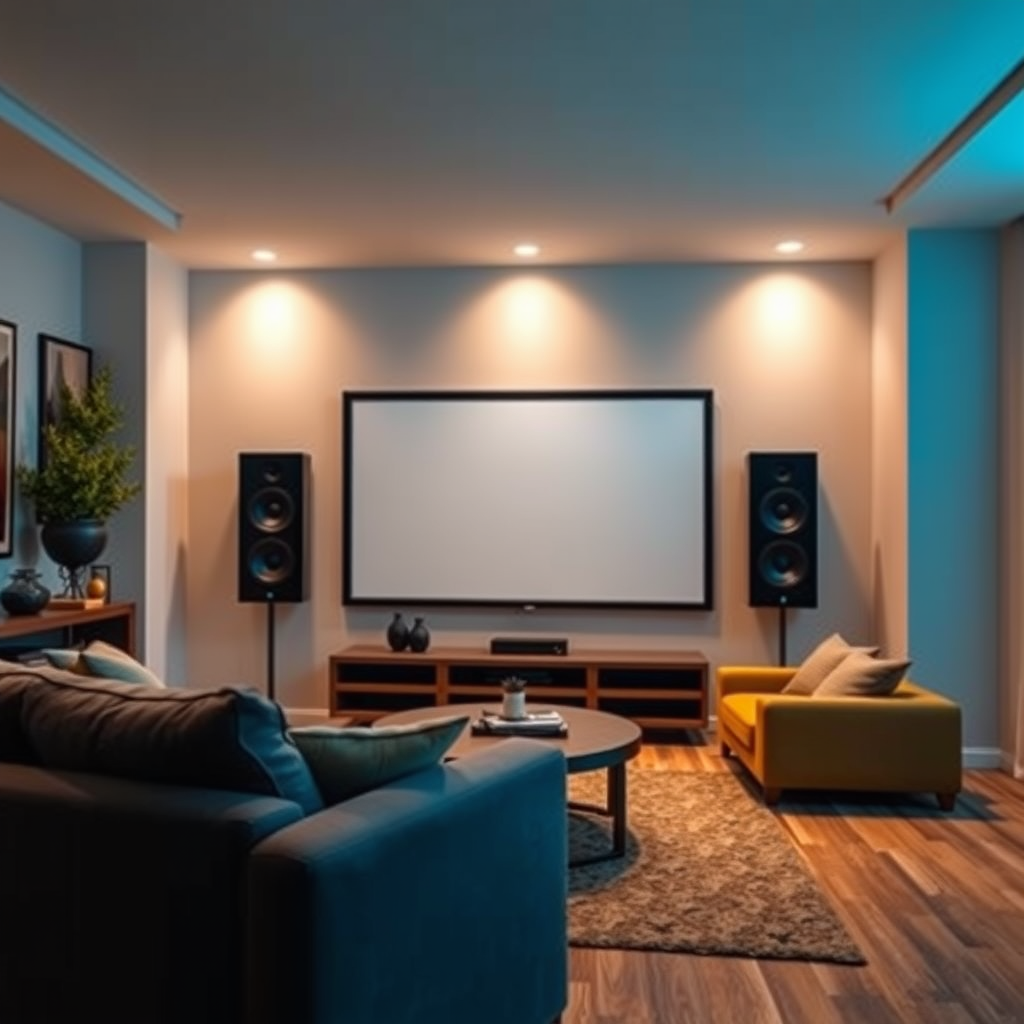
Furthermore, the distance between speakers plays a significant role in creating a balanced soundstage. Ideally, front left and right speakers should be positioned at equal distances from the screen and slightly angled towards the viewing area. The center channel speaker should be aligned with the screen and placed directly above or below it. If you have surround speakers, they should be positioned to the side or slightly behind the listening area to envelop the audience in sound.
By carefully considering these placement strategies, you can enhance the audio clarity, ensuring that dialogue is crisp and sound effects are engaging.
Choosing the Right Audio Equipment
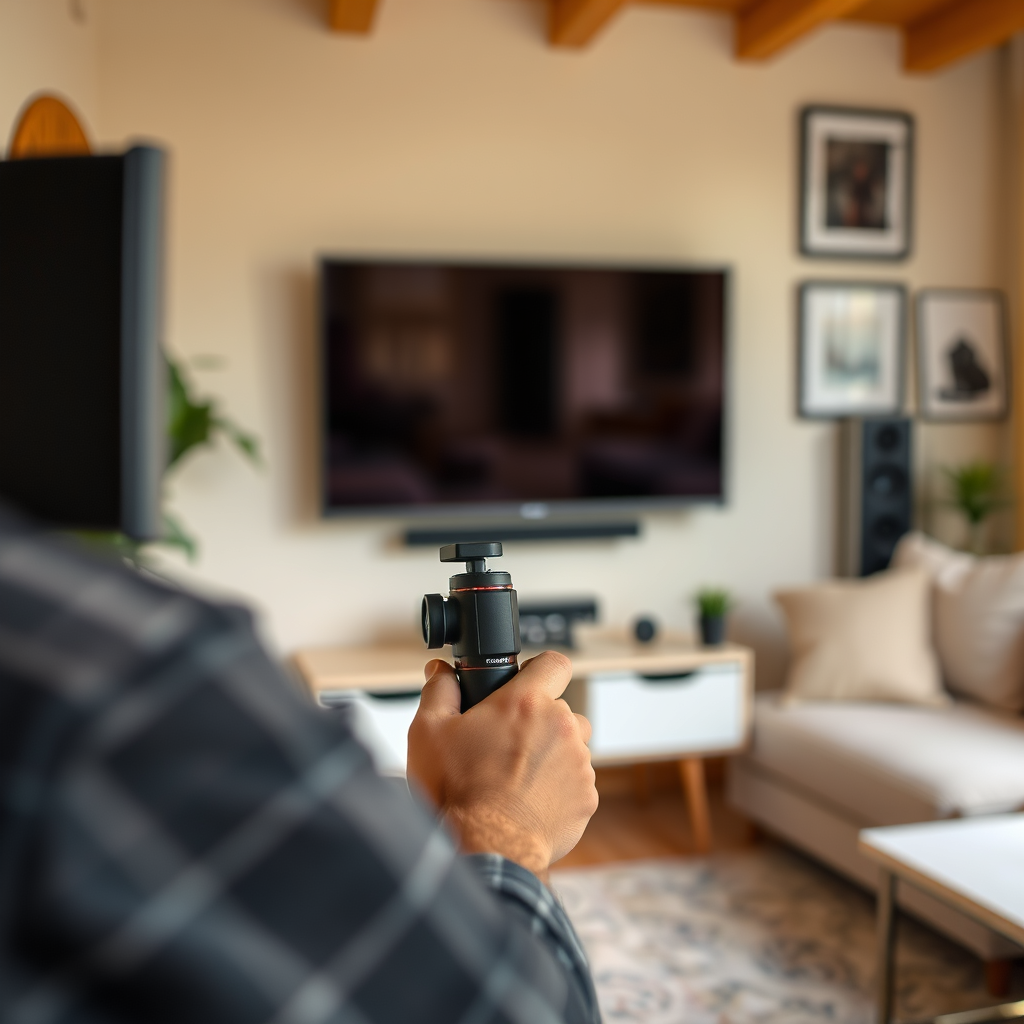
Investing in high-quality audio equipment tailored to your room’s size and acoustics is vital. Speakers come in various sizes and configurations, and selecting the right type can significantly affect audio performance. For smaller rooms, bookshelf speakers may provide sufficient power and clarity, while larger spaces might benefit from floor-standing speakers that can produce a fuller sound.
Additionally, incorporating a subwoofer into your home theater system can dramatically improve sound quality. A subwoofer is designed to handle low frequencies, adding depth to music and movie soundtracks. This enhancement allows you to experience the thunderous bass of action scenes or the subtle nuances of a musical score, thereby creating a richer audio experience.
Acoustic Treatments for Your Space
Acoustic treatments can help mitigate sound distortions and enhance the clarity of your audio. Using sound-absorbing materials such as carpets, rugs, and curtains can significantly reduce echoes and reverberation in your home theater. Soft furnishings not only help control sound reflections but also contribute to the aesthetic appeal of the room.
Moreover, consider installing acoustic panels strategically throughout your space. These panels are designed to absorb sound waves and minimize reflections, providing a cleaner audio signal. Placing panels on the first reflection points—areas where sound waves bounce off walls before reaching the listener—can greatly enhance clarity and detail in the sound.
Top 7 Acoustic Treatment Options for Home Theaters (2024)
| # | Treatment Type | Material | Effectiveness |
|---|---|---|---|
| 1 | Acoustic Panels | Foam, Fabric | High |
| 2 | Bass Traps | Mineral Wool, Foam | Very High |
| 3 | Diffusers | Wood, Plastic | Medium |
| 4 | Heavy Curtains | Fabric | Medium |
| 5 | Rugs | Wool, Synthetic | Medium |
| 6 | Ceiling Tiles | Acoustic Tile | High |
| 7 | Soundproofing Foam | Polyurethane | High |
Calibration and Settings
Once the equipment is set up, properly calibrating your home theater system is essential for achieving optimal sound clarity. Most modern receivers come with built-in calibration tools that use microphones to analyze speaker distances, levels, and room acoustics. Utilizing this feature will automatically adjust settings to enhance audio playback.
After calibration, fine-tuning equalizer settings can further refine audio quality. Depending on the characteristics of your room, you may need to adjust frequencies to enhance bass, midrange, or treble. Listening to various audio types—like music, dialogue, and sound effects—can help you determine the ideal settings that meet your personal preferences.
Utilizing Surround Sound Technology
To take your audio experience to the next level, consider utilizing advanced surround sound technologies such as Dolby Atmos or DTS:X. These formats provide a three-dimensional sound experience, allowing sounds to move around you in a more realistic fashion. This technology is particularly effective for action-packed movies or immersive gaming experiences.
Ensure that your audio system supports these formats and that you have the necessary speakers and receiver to deliver the full benefit of surround sound. You will notice a remarkable difference in clarity and immersion, as sounds can be pinpointed more accurately in relation to the visuals on screen.
Top Surround Sound Formats in 2024
Regular Maintenance and Upgrades
Maintaining your home theater system is essential for ensuring long-term audio clarity. Regularly cleaning your equipment, including speakers and receivers, can prevent dust and dirt buildup that may interfere with sound quality. A simple maintenance routine—such as dusting and checking connections—can go a long way in preserving the performance of your system.
Additionally, staying updated with the latest audio technology trends is crucial. As advancements in audio technology emerge, consider periodic upgrades to your equipment. Newer models often offer enhanced features and improved sound processing capabilities, contributing to better audio clarity.
Conclusion
Ensuring audio clarity in your home theater system is a continuous process that involves thoughtful planning and adjustments. By implementing strategies such as optimal speaker placement, selecting the right equipment, utilizing acoustic treatments, calibrating settings, and maintaining your system, you can create a listening environment that brings your favorite movies and shows to life. Start enhancing your home theater’s audio today!
Frequently Asked Questions
What are the best speakers for enhancing audio clarity in my home theater system?
The best speakers for enhancing audio clarity often include high-quality bookshelf or floor-standing speakers from reputable brands like Klipsch, Bowers & Wilkins, or ELAC. Look for speakers with excellent frequency response and low distortion levels, as these features significantly improve sound clarity. Additionally, incorporating a dedicated center channel speaker can enhance dialogue and ensure clear vocal reproduction during movies.
How can I optimize my home theater room layout for better audio clarity?
To optimize your home theater room layout for better audio clarity, position your speakers at ear level and maintain an equilateral triangle configuration between the main seating and the front speakers. Ensure there are minimal obstructions between the speakers and the listener, and use acoustic treatments, such as sound-absorbing panels, to reduce echo and improve sound clarity. Also, consider the placement of your subwoofer to minimize bass distortion.
Why is room acoustics important for enhancing audio clarity in my home theater?
Room acoustics play a crucial role in enhancing audio clarity because sound waves interact with surfaces and furniture, potentially causing reflections and echoes that muddle the audio. Properly treating your room with acoustic panels, bass traps, and diffusers helps to manage these reflections, allowing for clearer sound reproduction. A well-designed room can significantly enhance both the dialogue intelligibility and overall sound quality of your home theater system.
Which soundbar is best for improving audio clarity in a compact home theater setup?
For compact home theater setups, the Sonos Arc is highly recommended for its exceptional audio clarity, rich sound, and Dolby Atmos support. Its design allows for easy integration with existing TV setups while providing immersive sound without the need for multiple speakers. Additionally, the Arc’s ability to adapt to your room’s acoustics using Trueplay technology further enhances audio clarity, making it an excellent choice for small spaces.
What simple adjustments can I make to my home theater system to enhance audio clarity?
Simple adjustments to enhance audio clarity in your home theater system include calibrating your audio settings using a sound level meter to balance speaker output and adjusting the equalizer settings to emphasize mid-range frequencies where dialogue typically resides. Additionally, ensure your cables are high-quality and properly connected, as poor connections can lead to audio degradation. Finally, consider using a dedicated AV receiver with advanced audio processing features for optimal sound performance.
References
- Home cinema
https://en.wikipedia.org/wiki/Home_theater - https://www.sciencedirect.com/science/article/pii/S1877050919312464
https://www.sciencedirect.com/science/article/pii/S1877050919312464 - https://www.bbc.com/news/technology-57219856
https://www.bbc.com/news/technology-57219856 - Chemically synthesized chevron-like graphene nanoribbons for electrochemical sensors development:…
https://www.nature.com/articles/s41598-020-71554-1 - https://www.ncbi.nlm.nih.gov/pmc/articles/PMC6831583/
https://www.ncbi.nlm.nih.gov/pmc/articles/PMC6831583/ - https://www.mayoclinic.org/healthy-lifestyle/adult-health/in-depth/hearing-loss/art-20046268
https://www.mayoclinic.org/healthy-lifestyle/adult-health/in-depth/hearing-loss/art-20046268 - https://www.cdc.gov/nceh/hearing_loss/what_you_can_do.html
https://www.cdc.gov/nceh/hearing_loss/what_you_can_do.html - Google Scholar Google Scholar
https://scholar.google.com/scholar?q=Enhancing+Audio+Clarity+in+Your+Home+Theater+System - Google Scholar Google Scholar
https://scholar.google.com/scholar?q=Home+Theater+Audio+Optimization - Google Scholar Google Scholar
https://scholar.google.com/scholar?q=Improving+Sound+Quality+in+Home+Theater