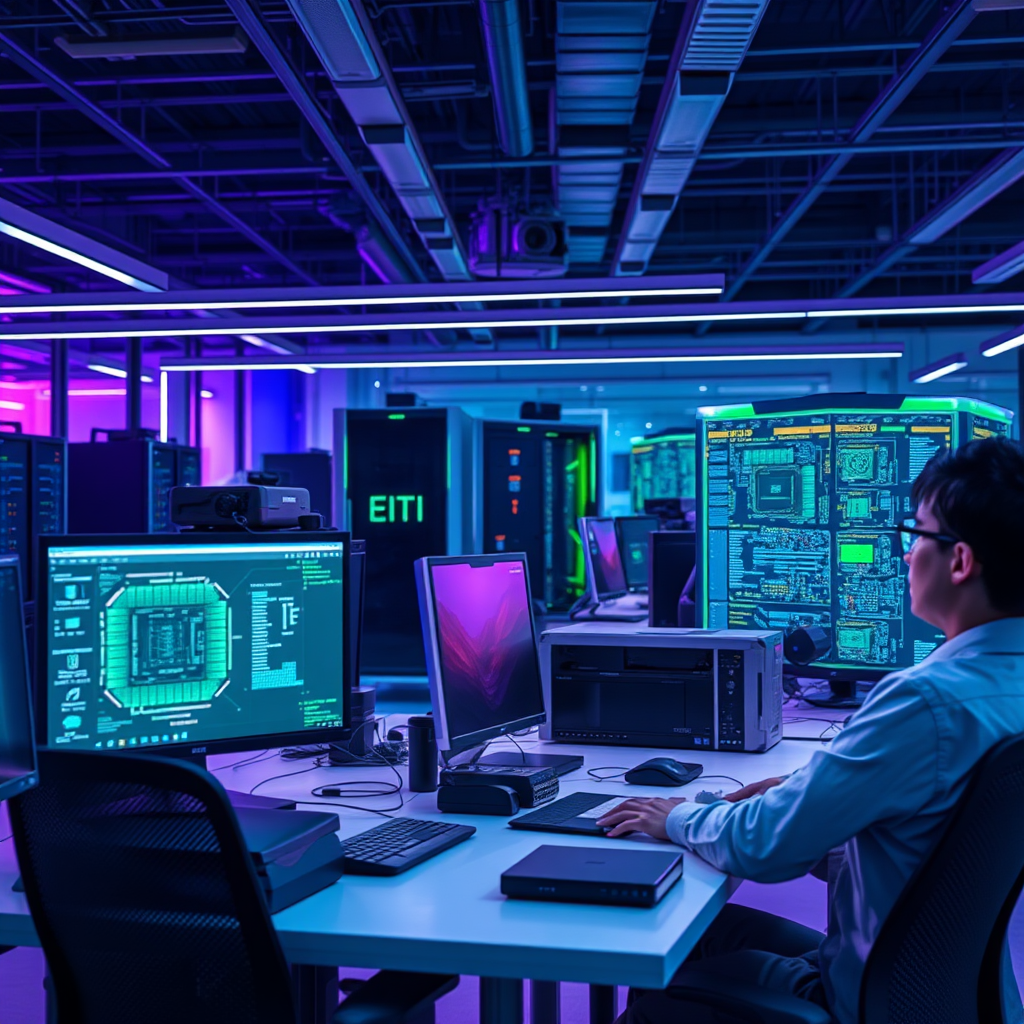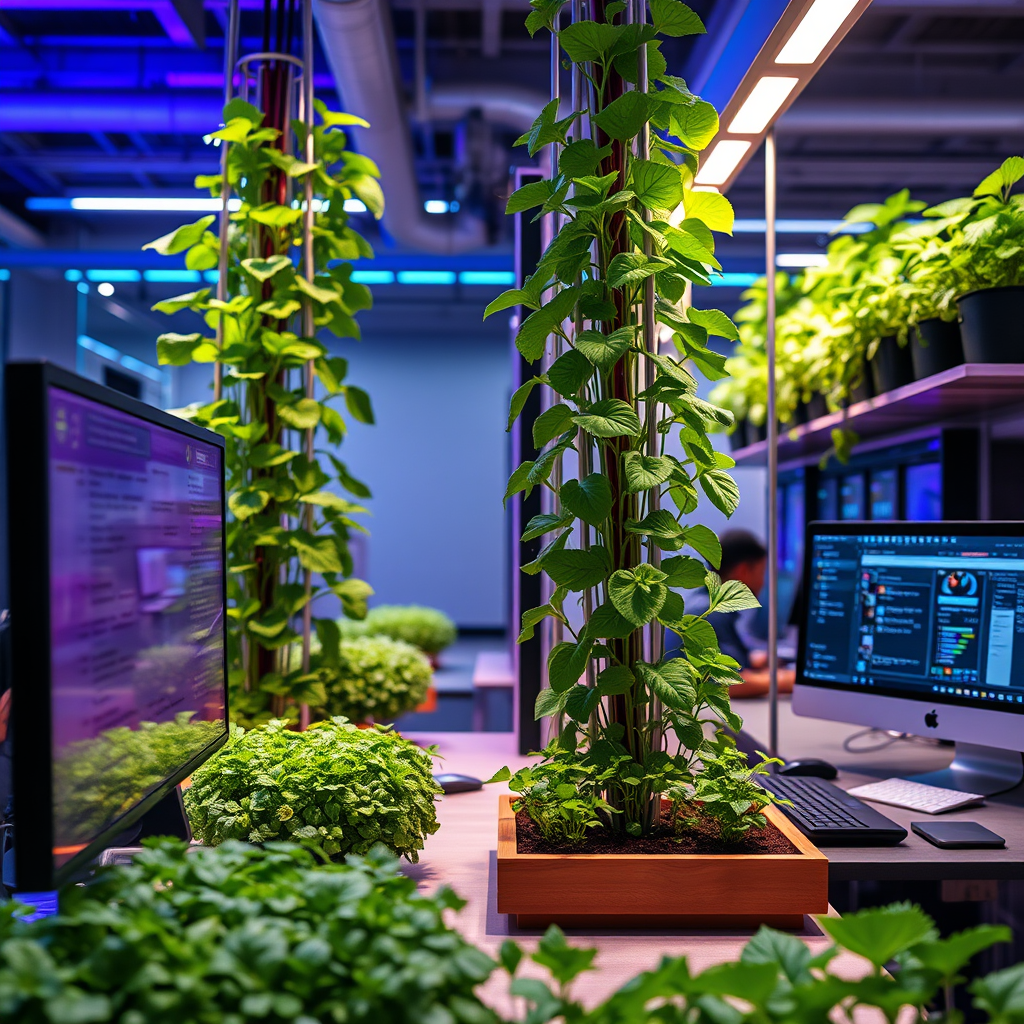
Mars simulation projects are rapidly expanding as researchers and space agencies strive to prepare for future manned missions to the Red Planet. These initiatives not only provide valuable insights into the challenges of living on Mars but also enhance our understanding of the psychological and physical demands of long-duration space travel. As we stand on the brink of this exciting frontier, the expansion of these projects is vital to ensuring that we are ready for the unique challenges that Mars will present.
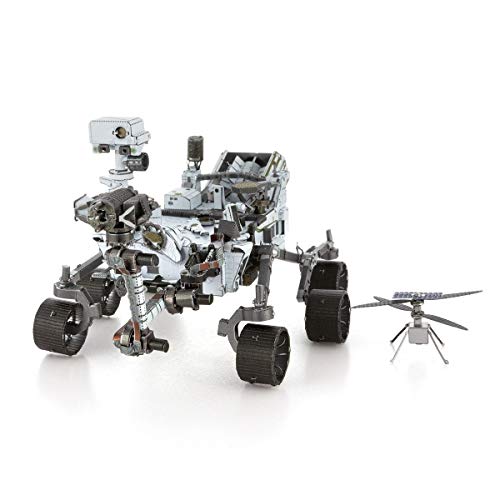



The Importance of Mars Simulation Projects
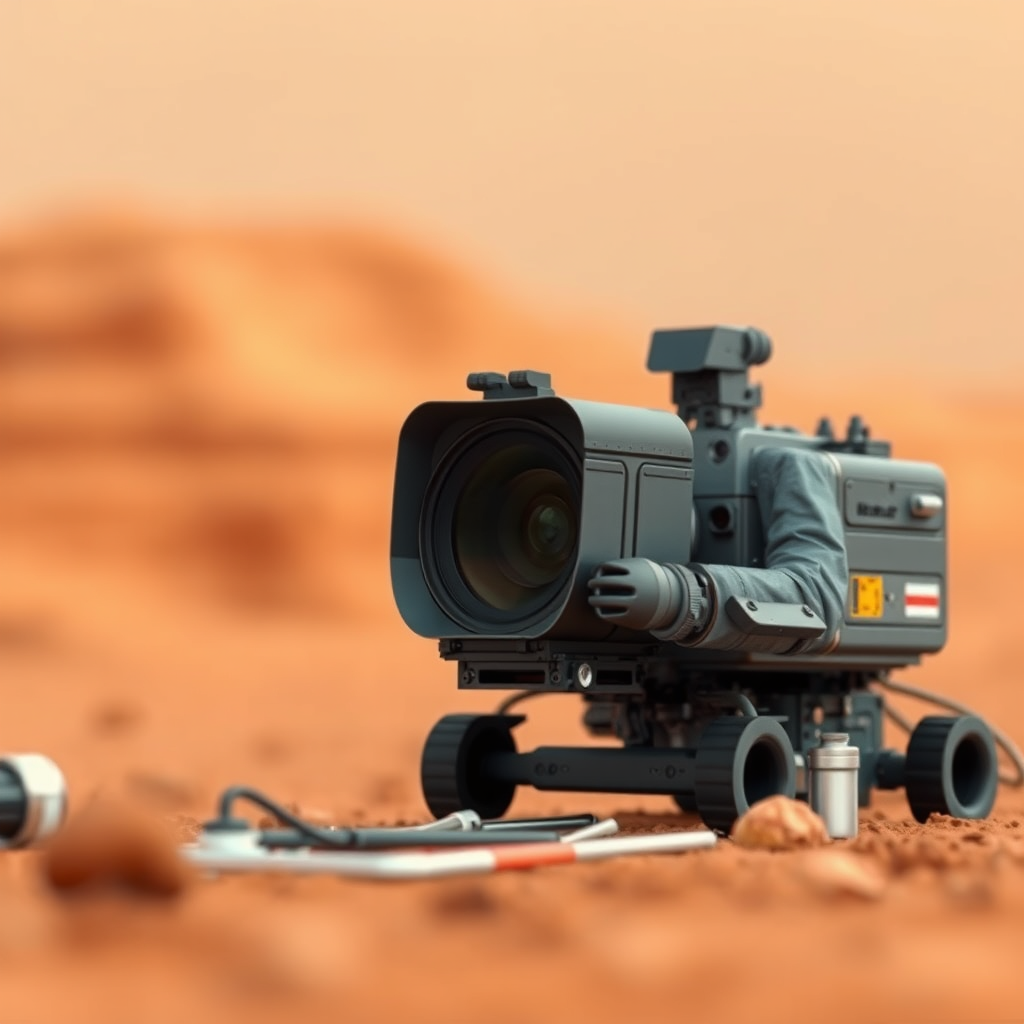
Mars simulation projects are essential because they help identify and address the myriad challenges astronauts may face during their missions. By creating controlled environments that mimic Martian conditions, researchers can study everything from the effects of isolation to the practicality of life-support systems. For example, the Mars Society’s Mars Desert Research Station (MDRS) in Utah offers a real-world analog for scientists to study the sustainability of human life in a Martian-like habitat. Simulations like these provide data that can be used to refine habitat designs, improve life-support systems, and develop protocols for daily activities on Mars, ultimately ensuring a higher chance of success for future missions.
Moreover, these projects serve as a proving ground for new technologies. For instance, NASA’s CHAPEA (CHAllenge for Planning and Execution of Activities) initiative conducts long-duration missions to test everything from food production to resource management. The insights gleaned from these simulations are invaluable, pushing the boundaries of our current understanding and capabilities in space exploration.
Key Players in Mars Simulation Efforts

When it comes to Mars simulation efforts, several key players are leading the charge. NASA is undoubtedly at the forefront, conducting high-profile simulations such as the HI-SEAS (Hawaii Space Exploration Analog and Simulation) project. HI-SEAS has hosted multiple long-duration missions, where small crews live in a Martian habitat to study the effects of isolation and confinement, as well as to test technologies for food production and waste recycling.
In addition to governmental space agencies, private companies like SpaceX are making significant investments in simulation projects. SpaceX’s goal of colonizing Mars necessitates extensive planning and preparation, which is why they are keen on developing simulation environments to ensure their technology and strategies are robust. The collaboration between public and private entities is fostering an environment ripe for innovation, which is crucial for the future of Mars exploration.
Types of Mars Simulation Projects
Mars simulation projects come in various forms, each designed to tackle different aspects of life on the Red Planet. Analog missions on Earth are among the most prevalent. These missions are conducted in isolated environments such as deserts, polar regions, or even underwater habitats. For example, the European Space Agency’s (ESA) CAVES (Cooperative Adventure for Valuing and Exercising human behaviour and performance Skills) program takes astronauts into caves to simulate the challenges of Mars exploration.
On the digital front, virtual reality (VR) and computer simulations are gaining traction as well. These technological advancements allow researchers to create detailed models of Martian conditions, offering immersive experiences that can be used for training and planning. For instance, NASA has developed VR applications that simulate the Martian surface, enabling astronauts to familiarize themselves with the environment before actual missions.
Psychological and Physical Challenges Addressed
The psychological and physical challenges of long-duration space travel are significant areas of focus in Mars simulation projects. Research indicates that isolation and confinement can have profound effects on mental health, leading to stress and interpersonal conflicts among crew members. For this reason, projects like HI-SEAS monitor crew dynamics and psychological well-being, providing critical data that can inform future missions.
On the physical side, astronauts face unique challenges related to low gravity and radiation exposure. Simulations allow researchers to study these effects in controlled environments. For instance, the International Space Station (ISS) has provided insights into how microgravity affects muscle atrophy and bone density. By understanding these challenges, scientists can develop countermeasures, such as exercise regimens and nutritional strategies, to mitigate the adverse effects of prolonged space missions.
Future of Mars Simulations
As we look to the future, Mars simulation projects are set to become even more ambitious. Upcoming projects aim to include longer-duration missions that closely mimic the timeline and conditions of actual trips to Mars, which can last anywhere from six to nine months. These extended missions will provide invaluable data on human endurance and adaptability in a Martian-like environment.
Moreover, advancements in technology will allow for more immersive and realistic simulations. For example, the integration of artificial intelligence and machine learning can enhance the way we model and analyze the complexities of living on Mars. Enhanced virtual reality environments will enable astronauts to simulate different scenarios and prepare for potential emergencies, making them better equipped for real-world challenges.
Collaboration and Global Efforts
Mars simulation projects are not just the domain of a single country or agency; rather, they are increasingly characterized by international collaboration. Countries around the world are recognizing the importance of sharing knowledge and resources to prepare for Mars readiness. Initiatives like the Mars Society’s collaborations with universities and research institutions are broadening the scope of studies and enabling a more comprehensive understanding of the challenges involved.
Moreover, partnerships between space agencies such as NASA, ESA, and Roscosmos are fostering an environment of shared innovation. By pooling resources and expertise, we can accelerate the development of technologies and strategies that will be crucial for successful colonization efforts.
Public Engagement and Education
Engaging the public in Mars simulation projects is essential for inspiring future generations of scientists and explorers. Programs designed to raise awareness about space exploration, such as educational outreach initiatives, provide opportunities for students to learn about the challenges and excitement of Mars missions.
Through interactive workshops, lectures, and public events, organizations are making science accessible and exciting. For example, the Mars Exploration Program’s website offers resources for educators to incorporate Mars-related content into their curriculum, promoting interest in STEM fields. Programs like these are vital for cultivating the next wave of innovators who will drive space exploration forward.
The expansion of Mars simulation projects is crucial for preparing humanity for future exploration of the Red Planet. By addressing psychological and physical challenges, and through collaboration across nations and sectors, we are taking significant steps toward making Mars colonization a reality. The future is bright, and as we continue to invest in these projects, we can look forward to a time when humanity sets foot on Mars. Stay updated on the latest developments and consider getting involved in local space and science initiatives to support this exciting journey.
Frequently Asked Questions
What are Mars simulation projects and why are they important?
Mars simulation projects are research initiatives designed to replicate the conditions of Mars on Earth, allowing scientists and researchers to study the potential challenges of living and working on the Red Planet. These projects are vital for preparing for future manned missions to Mars, as they help identify obstacles related to habitat, resource management, and human psychology in isolated environments.
How do Mars simulation projects operate and what do participants experience?
Mars simulation projects typically involve creating controlled environments that mimic Martian conditions, where participants live for extended periods, often months at a time. During these simulations, individuals engage in tasks such as food production, scientific research, and equipment maintenance, while also dealing with limited resources and communication delays to replicate the challenges of a real Mars mission.
Why are Mars simulation projects critical for space exploration?
Mars simulation projects are crucial for space exploration as they provide invaluable data on human adaptability and resilience in extreme environments. By studying participants’ physical and psychological responses, researchers can develop strategies to support astronauts during long-duration space missions, ultimately increasing the chances of successful colonization of Mars and ensuring astronaut safety.
What are some of the best-known Mars simulation projects currently underway?
Some of the most notable Mars simulation projects include NASA’s HI-SEAS (Hawaii Space Exploration Analog and Simulation) program, which has conducted multiple long-duration missions in a volcanic landscape, and the Mars Society’s Mars Desert Research Station (MDRS) in Utah. These projects focus on various aspects of Martian life, from agriculture to habitat design, and are instrumental in informing future missions.
Which technologies are being tested in Mars simulation projects?
Mars simulation projects are testing a range of innovative technologies designed for sustainability and efficiency in a Martian environment. Key technologies include advanced life support systems for recycling air and water, hydroponic farming techniques for food production, and robotics for construction and maintenance tasks, all aimed at ensuring a self-sufficient human presence on Mars.
References
- https://www.nasa.gov/feature/nasa-simulates-life-on-mars-to-prepare-for-human-missions
- https://www.science.org/content/article/mars-simulation-projects-reveal-challenges-human-colonization
- https://www.jpl.nasa.gov/news/nasa-simulates-life-on-mars-with-analog-missions
- https://en.wikipedia.org/wiki/Mars_Analog_Research
- https://www.space.com/nasa-mars-simulation-projects-prepare-for-human-missions
- https://www.bbc.com/news/science-environment-60093280
- Frontiers | Probing the Thermodynamic State of a Coronal Mass Ejection (CME) Up to 1 AU