
Choosing the right speaker stands is essential for achieving top-notch audio performance. Quality stands not only elevate your speakers to the perfect height but also minimize vibrations, leading to clearer sound. When you invest in the right speaker stands, you transform your listening experience, making it more immersive and enjoyable. In this article, we’ll delve into the significance of speaker stands, explore key features to consider, highlight top products on the market, and even provide DIY options for those looking to get creative.




Understanding the Importance of Speaker Stands
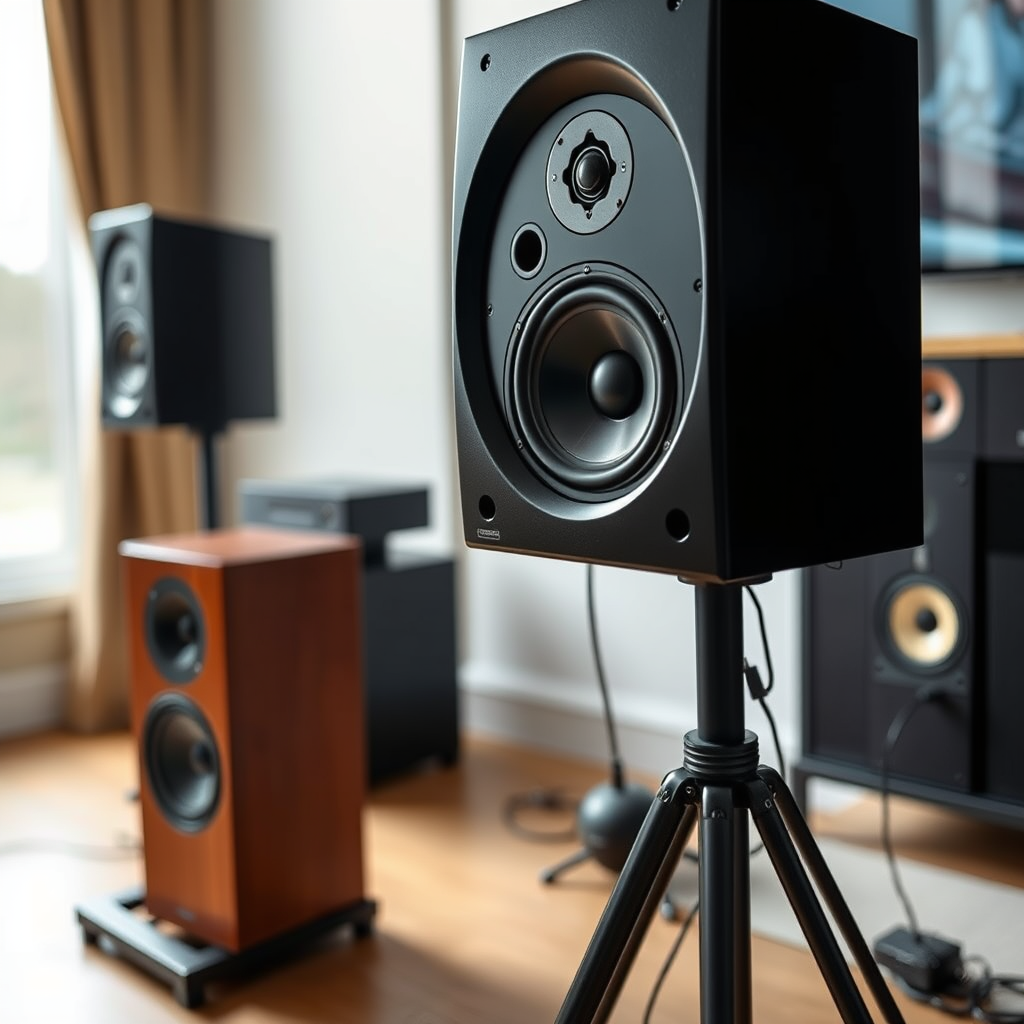
Proper placement of speakers can significantly influence the overall sound quality in your space. When speakers are positioned at the correct height—typically ear level while seated—they enhance sound projection and clarity, allowing you to experience the full range of audio frequencies. This optimal placement ensures that the sound waves reach your ears directly without interference from the floor or ceiling.
Additionally, speaker stands serve a vital role in minimizing vibrations and unwanted resonance. When speakers are placed on unstable surfaces, they can pick up vibrations from the floor, leading to muddled audio. Quality stands absorb these vibrations, resulting in cleaner and more precise sound. Whether you’re enjoying music, watching movies, or gaming, investing in the right stands can elevate your audio experience dramatically.

Key Features to Look for in Speaker Stands
When choosing speaker stands, several key features should guide your decision:
– Stability: The most crucial element of any speaker stand is stability. Look for stands with a wide base and a low center of gravity to prevent tipping. Some stands come with spikes or rubber feet that help grip the floor, providing an additional layer of stability. This feature is especially important if you have pets or children in the house.
– Material: The material of your speaker stands can impact sound quality. Dense materials like wood or metal absorb vibrations better than lighter materials, contributing to clearer audio. For instance, solid wood stands can enhance the warmth of sound, making them a popular choice for audiophiles. On the other hand, metal stands can offer a sleek, modern look while providing excellent durability.
– Adjustability: The ability to adjust the height of your speaker stands can be a game changer. Some stands come with adjustable spikes or can be modified to fit your specific listening height. This flexibility allows you to customize your audio setup to suit your room and preferences perfectly.
Top Speaker Stands on the Market
Let’s take a look at a couple of standout speaker stands available today:
– Product A: Sanus NF36-B1
This stand features a sturdy steel construction with a sleek black finish, perfect for modern decor. It stands at 36 inches tall, making it ideal for floor-standing speakers. Users praise its stability and the way it minimizes vibrations, with an average price around $100. Reviewers particularly love how easy it is to assemble and the fact that it includes cable management for a tidy setup.
– Product B: Bose UFS-20 Series II
Designed specifically for Bose speakers, these stands boast a stylish design that complements any room. They stand 28 inches tall and are made from high-quality aluminum, ensuring both durability and aesthetic appeal. Priced around $150, users appreciate their compatibility with various Bose models and the enhanced sound quality they deliver. Many reviews highlight the ease of installation and the stability they provide.
DIY Speaker Stand Options
For those who are handy or looking to save some money, creating your own speaker stands can be a rewarding project. Here are some easy-to-follow plans:
– Materials Needed:
– Two pieces of wood (like plywood) for the base and top.
– Four wooden dowels or PVC pipes for the legs.
– Screws, wood glue, and paint or stain for finishing.
– Instructions:
1. Cut the wood to your desired dimensions; the base should be wider than the top for stability.
2. Attach the legs to the base using screws or wood glue, ensuring they are evenly spaced.
3. Secure the top piece to the legs, making sure it’s level.
4. Finish your stand with paint or stain to match your decor.
– Tips: To ensure stability, consider adding weights to the base or using heavy-duty legs. Adjust the height by cutting your legs to the appropriate length for your listening position.
Maintenance Tips for Speaker Stands
To keep your speaker stands in top condition and ensure optimal audio performance, regular maintenance is key:
– Regularly Check Screws: Over time, screws can loosen due to vibration and movement. Periodically check and tighten them to maintain stability. This simple step can prevent accidents and ensure that your stands continue to function properly.
– Clean Surfaces: Dust can accumulate on your stands, which may affect sound quality and aesthetics. Use a microfiber cloth to gently wipe down surfaces, preventing dust buildup that could muffle audio clarity. Additionally, check for any debris around the speaker connections, as this can also impact performance.
Setting Up Your Speakers with Stands
Proper setup of your speakers is crucial for achieving the best sound. Here are some guidelines:
– Placement Relative to Walls: Ideally, speakers should be positioned at least a few inches away from walls to avoid reflections that can distort sound. If you have corner speakers, consider angling them towards your listening position for optimal sound dispersion.
– Angle Adjustments: The angle at which your speakers are tilted can significantly affect sound quality. Experiment with slight adjustments to find the sweet spot where the sound feels the most balanced. This is especially important for tweeters, which should ideally be directed at ear level.
Common Mistakes to Avoid
Even seasoned audio enthusiasts can make mistakes when setting up their speaker stands:
– Placing Speakers Too High or Low: If your speakers are positioned too high or low, it can distort sound and create an unbalanced listening experience. Always aim for ear level when seated for the best audio clarity.
– Ignoring Room Acoustics: Room acoustics play a significant role in sound quality. Avoid placing speakers in areas with poor acoustics, such as small, cluttered rooms or spaces with hard surfaces that reflect sound. Instead, invest time in arranging your furniture and decor to enhance sound absorption and diffusion.
Summarizing the importance of investing in the right speaker stands, we’ve highlighted features, top products, and even DIY options to enhance your audio setup. By elevating your speakers correctly and considering factors like stability and material, you can significantly improve your listening experience. Whether you choose to buy high-quality stands or create your own, the right choice will transform how you enjoy your favorite sounds. Elevate your listening experience today by choosing the perfect stands for your speakers!
Frequently Asked Questions
What are the benefits of using speaker stands for improved audio performance?
Using speaker stands can significantly enhance audio performance by optimizing speaker placement and reducing unwanted vibrations. Properly positioned speakers allow for better soundstage, clarity, and imaging, which results in a more immersive listening experience. Additionally, stands can help isolate speakers from surfaces that may interfere with sound quality, such as furniture that can absorb or distort sound waves.
How do I choose the right height for my speaker stands?
To choose the right height for your speaker stands, the ideal position is to have the tweeters of your speakers at ear level when you are seated in your primary listening position. Generally, this height ranges between 24 to 36 inches, depending on your seating arrangement. Consider your room’s acoustics and furniture layout, and adjust the height accordingly to ensure optimal sound dispersion and clarity.
Why is speaker isolation important, and how can stands help?
Speaker isolation is crucial because it minimizes vibrations that can muddle sound quality and affect audio clarity. Stands that are designed with isolation features, such as rubber feet or spikes, help decouple the speakers from the surface they rest on, allowing them to perform better. This isolation reduces resonance and prevents unwanted frequencies from interfering with the audio output, ultimately enhancing the overall listening experience.
What are the best materials for speaker stands?
The best materials for speaker stands typically include wood, metal, or a combination of both. Wooden stands are often favored for their aesthetic appeal and natural sound-dampening properties, while metal stands provide durability and stability. Additionally, stands with a hollow design can be filled with sand or other materials to add weight and further reduce vibrations, making them ideal for improving audio performance.
Which speaker stand brands are known for their quality and performance?
Brands such as Sanus, Pangea, and Audioengine are well-regarded for producing high-quality speaker stands that enhance audio performance. Sanus offers a variety of adjustable stands for different speaker types, while Pangea is known for its sturdy, aesthetically pleasing options. Audioengine’s stands are designed specifically for their speakers but also provide excellent performance for other brands, making them a reliable choice for audiophiles seeking superior sound quality.
References
- Loudspeaker
- https://www.acoustics.org/education/what-is-a-loudspeaker/
- https://www.sciencedirect.com/topics/engineering/loudspeaker
- https://www.npr.org/sections/technology/2020/07/22/894256789/the-sound-of-music-how-does-it-reach-us
- https://www.consumerreports.org/home-audio/speaker-stand-buying-guide/
- Western Washington University
- Britebound | Career Readiness for Brighter Futures
- https://www.audioholics.com/education/speaker-placement-guide

2 Comments