
Choosing the right microphone is essential for producing high-quality audio in streaming and podcasting. A good microphone not only enhances sound clarity but also significantly boosts your overall production value. With the right equipment, you can captivate your audience with clear, professional audio that keeps them engaged. In this article, we will delve into the top microphones available for content creators, highlighting their features, performance, and suitability for various budgets.




Dynamic vs. Condenser Microphones
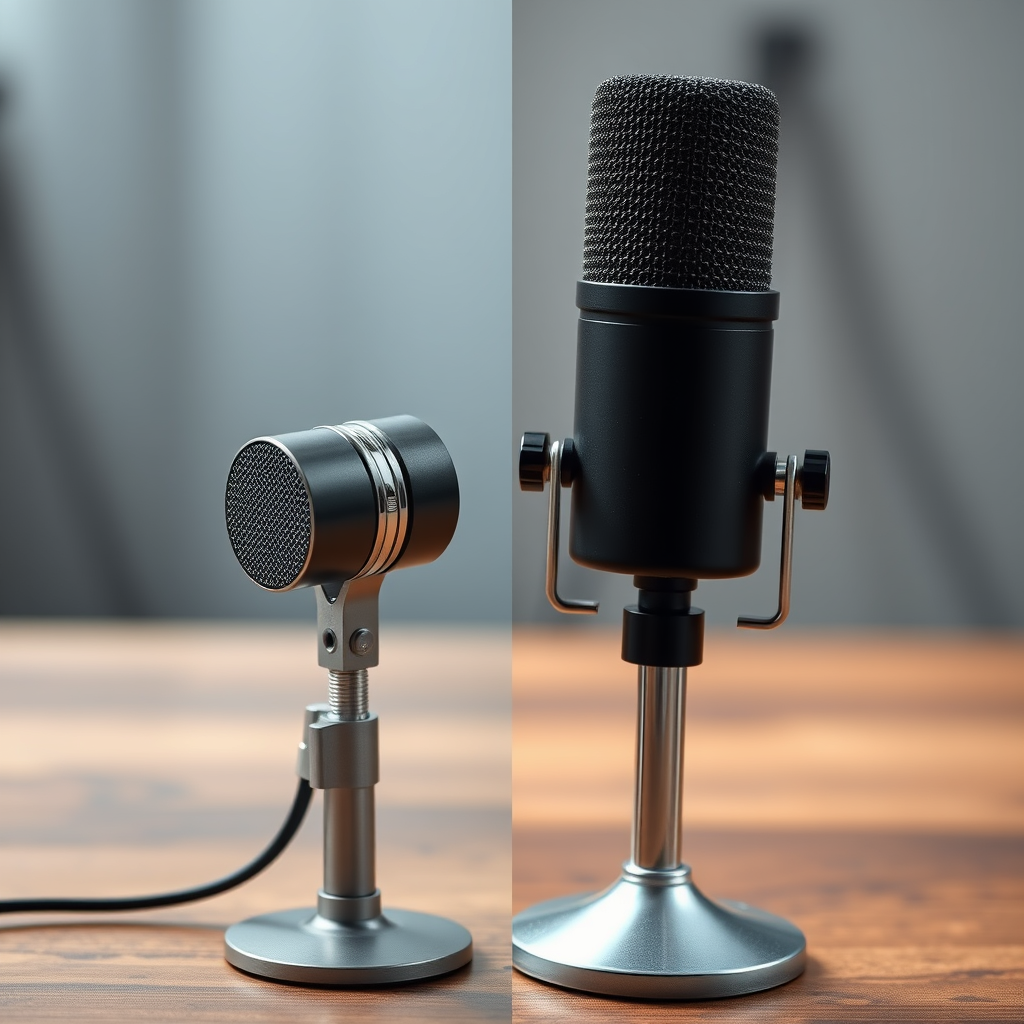
When deciding on the best microphone for your needs, it’s vital to understand the fundamental differences between dynamic and condenser microphones.
– Dynamic microphones are typically more rugged and are ideal for handling loud sound sources without distortion. They excel in environments where background noise is a concern, as they are less sensitive to sounds outside their immediate vicinity. This makes them a favorite for live performances and broadcasting, offering a reliable choice for podcasters who may record in less-than-ideal acoustic environments.
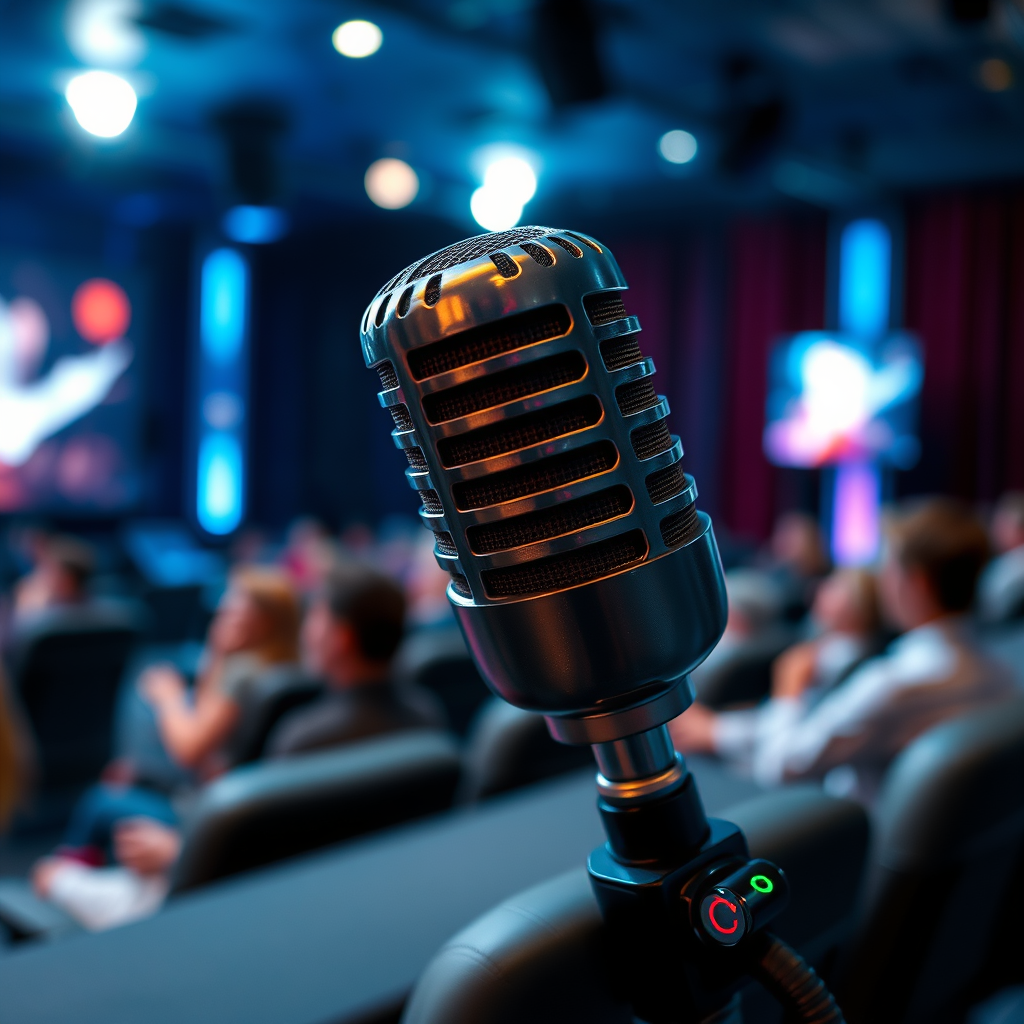
– Condenser microphones, on the other hand, are renowned for their ability to capture a wider frequency range and finer details. They are perfect for vocals and acoustic instruments, providing a rich, nuanced sound that can elevate your recordings. However, they tend to be more sensitive to background noise, making them better suited for controlled environments like home studios.
Understanding these differences can guide you in selecting a microphone that aligns with your recording style and environment, ultimately enhancing your audio quality.
Top Microphone Picks for Podcasting
When it comes to podcasting, the right microphone can make all the difference. Here are two top picks that cater to different needs and budgets:
– Shure SM7B: This dynamic microphone is a favorite among many podcasters and broadcasters for its versatility and rich, warm sound. The SM7B is excellent at rejecting ambient noise, making it a top choice for those who may not have the quietest recording environment. Its adjustable frequency response allows you to tailor the sound to your voice, ensuring a polished audio output.
– Audio-Technica AT2020: If you’re looking for a budget-friendly option that doesn’t compromise on sound quality, the AT2020 is a fantastic choice. This condenser microphone captures clear, detailed audio, making it suitable for vocals and instruments alike. Its affordability makes it a popular choice among beginners, yet it offers features that can satisfy more experienced podcasters as well.
Both of these microphones provide excellent audio quality and reliability, allowing you to create engaging content that resonates with your audience.
Best Microphones for Streaming
For streamers, having a microphone that is not only high-quality but also user-friendly is crucial. Here are two standout options:
– Blue Yeti: This USB microphone has gained a reputation for being one of the best options for streamers. Its multiple recording patterns (cardioid, bidirectional, omnidirectional, and stereo) make it versatile for various situations, whether you’re streaming solo or collaborating with guests. The Blue Yeti is also plug-and-play, requiring minimal setup, which is perfect for those new to streaming.
– HyperX QuadCast: Designed specifically with gamers and streamers in mind, the HyperX QuadCast comes with a built-in shock mount and pop filter to reduce vibration noise and plosive sounds. Its eye-catching design and LED indicator add a professional touch to your streaming setup. The microphone also features customizable gain control, allowing you to adjust the sensitivity based on your environment.
Both microphones offer excellent sound quality and features tailored to enhance your streaming experience, making them worthy contenders for your setup.
USB vs. XLR Microphones
When selecting a microphone, you’ll encounter the choice between USB and XLR microphones, each with its own advantages.
– USB microphones are incredibly easy to use, making them ideal for beginners. They plug directly into your computer, eliminating the need for additional audio interfaces or equipment. This simplicity is perfect for streamers and podcasters who want to get started quickly without delving into complex setups. However, while USB mics are convenient, they may not offer the same level of sound quality and flexibility as their XLR counterparts.
– XLR microphones provide superior sound quality and greater flexibility in professional settings. They require an audio interface or mixer for connection, allowing for more control over your audio settings. This setup is preferred by seasoned podcasters and streamers who prioritize audio fidelity and want to customize their sound. If you’re planning to take your podcasting or streaming to the next level, investing in an XLR microphone is a wise choice.
Ultimately, the decision between USB and XLR comes down to your specific needs, technical comfort level, and future aspirations in content creation.
Accessories for Optimal Sound Quality
To truly enhance your audio quality, investing in the right accessories is just as important as choosing the right microphone. Here are two essential accessories to consider:
– Pop filters: These simple yet effective tools help reduce plosive sounds—like “p” and “b”—that can create unwanted bursts of air in your recordings. By placing a pop filter in front of your microphone, you can achieve clearer audio and prevent distortion, resulting in a more professional sound.
– Boom arms and shock mounts: A boom arm allows you to position your microphone at the perfect height and angle, providing comfort while recording. Shock mounts are designed to isolate your microphone from vibrations and handling noise, ensuring that your audio remains clean and free from interference. Together, these accessories help create a more stable and professional recording environment.
By incorporating these accessories into your setup, you can significantly improve the overall quality of your audio recordings.
Budget Considerations
Finding the right microphone for your needs doesn’t have to break the bank. Understanding your budget is essential to making an informed decision:
– Entry-level options: If you’re just starting out, there are plenty of microphones available for around $50. These affordable options are great for beginners, allowing you to dip your toes into the world of podcasting or streaming without a significant financial commitment. While you may sacrifice some advanced features, many entry-level mics still offer decent sound quality.
– Mid-range microphones: As you progress, you might want to invest a bit more—typically ranging from $100 to $300. Mid-range microphones often offer enhanced features, sound quality, and reliability. They strike a balance between professionalism and affordability, making them ideal for aspiring content creators looking to elevate their audio game.
By carefully assessing your budget and needs, you can find a microphone that suits both your financial and creative requirements.
Tips for Choosing the Right Microphone
Choosing the right microphone can feel overwhelming, but keeping a few key factors in mind can help simplify your decision:
– Consider your recording environment: If you’re recording in a noisy space, a dynamic microphone might be your best bet for minimizing background noise. Conversely, if you have a quiet, controlled environment, a condenser microphone can capture the nuances of your voice beautifully.
– Assess your specific needs: Think about what you value most in a microphone. Do you want something portable for on-the-go recording? A USB microphone might be the right choice. Are you aiming for professional-level sound? An XLR setup could be the way to go. Identifying your priorities can lead you to the perfect microphone for your situation.
By taking these factors into account, you can make a confident choice that aligns with your recording goals.
Selecting the best microphone for streaming and podcasting hinges on understanding the differences between types, identifying your budget, and considering your specific recording needs. Whether you’re a beginner or a seasoned pro, investing in a quality microphone can elevate your audio content significantly. Explore the options mentioned above and take the first step towards enhancing your streaming or podcasting experience today!
Frequently Asked Questions
What features should I look for in the best microphones for streaming and podcasting?
When selecting a microphone for streaming and podcasting, consider key features such as audio quality, pickup pattern, and connectivity. A cardioid pickup pattern is ideal for isolating your voice while minimizing background noise, enhancing clarity. Additionally, look for microphones with a high sample rate and bit depth, as these specifications greatly influence sound quality. USB connectivity is also a plus for ease of use, especially for beginners.
How do I choose the right microphone type for my podcast or stream?
The two primary microphone types are dynamic and condenser. Dynamic microphones are durable and excel in high-volume environments, making them suitable for live streaming or noisy settings. In contrast, condenser microphones capture a broader frequency range and are ideal for studio settings where clarity and detail are paramount. Assess your recording environment and needs to determine which type aligns best with your streaming or podcasting goals.
Why is audio quality important in streaming and podcasting?
Audio quality is crucial in streaming and podcasting because it directly impacts audience engagement and retention. Clear, professional-sounding audio helps establish credibility and keeps listeners focused on the content rather than struggling to understand muffled or distorted audio. Investing in a high-quality microphone can significantly enhance your production value, making your stream or podcast more appealing and enjoyable for your audience.
What are the best microphones for beginners in podcasting and streaming?
Some of the best microphones for beginners include the Audio-Technica ATR2100x-USB and the Blue Yeti. The Audio-Technica ATR2100x-USB is a versatile and budget-friendly option that offers both USB and XLR connectivity, making it great for beginners who may want to expand their setup later. The Blue Yeti, known for its excellent sound quality and multiple pickup patterns, is also user-friendly and ideal for solo podcasters or streamers looking for versatility in their recordings.
Which microphone brands are most recommended for high-quality streaming and podcasting?
Popular and reputable microphone brands for streaming and podcasting include Shure, Rode, Audio-Technica, and Blue Microphones. Shure’s SM7B is a favorite among professionals for its rich sound and durability, while Rode offers the NT-USB for those seeking high-quality USB options. Audio-Technica provides a range of microphones catering to different needs and budgets, while Blue Microphones is celebrated for its innovative designs and user-friendly features. Choosing a trusted brand can ensure you invest in a quality product that meets your audio needs.
References
- Microphone
- https://www.bbc.com/news/technology-55698286
- Podcast Insights® • How To Start, Grow & Monetize A Podcast
- https://www.techradar.com/news/best-podcast-microphones
- https://www.theverge.com/2019/4/10/18306050/best-podcast-microphones-2019
- https://www.npr.org/2020/01/16/795279010/what-microphone-should-i-use-for-podcasting
- https://www.hindawi.com/journals/jece/2022/2265652/
- https://www.nytimes.com/2020/06/30/technology/podcast-microphone.html
- https://www.sciencedirect.com/science/article/pii/S2352914822000047
