
The future of biofeedback audio systems for health and wellness is bright, offering innovative ways to enhance personal well-being through real-time auditory feedback. These systems allow users to monitor and improve their physical and mental states, leading to a more holistic approach to health management. In this article, we’ll delve into the advancements in biofeedback audio technology, explore its current applications, and discuss what lies ahead for those seeking improved health outcomes.


Understanding Biofeedback Audio Systems

Biofeedback audio systems are cutting-edge technologies designed to provide users with auditory signals that reflect their physiological data. The primary purpose of these systems is to help individuals gain awareness of their bodily functions and mental states, such as heart rate, stress levels, and even brainwave activity. By using sound as a feedback mechanism, these systems create an engaging and intuitive way for users to connect with their health.
These systems harness sensors to collect real-time data on various physiological metrics. For instance, heart rate variability can be monitored and transformed into soothing sounds that promote relaxation, or stress levels can be detected and communicated through music that adapts to the user’s emotional state. This dynamic interaction not only empowers users to take charge of their health but also fosters a deeper understanding of the mind-body connection.

Current Applications in Health and Wellness

Biofeedback audio systems are already making waves in the health and wellness industry, with several practical applications. One prominent example is the use of audio biofeedback in stress reduction and relaxation techniques. Systems like the HeartMath Inner Balance app utilize heart rate variability data to create calming soundscapes, aiding users in achieving a more relaxed state. This integration of audio feedback encourages mindfulness and emotional regulation, making it easier for individuals to manage stress in their daily lives.
Case studies illustrate the effectiveness of these systems in various therapeutic settings. For instance, a study involving patients with anxiety disorders showed that those who engaged in audio biofeedback therapy experienced a significant reduction in anxiety levels. Participants reported feeling more in control of their emotions and better equipped to handle stressful situations. Additionally, biofeedback audio systems have been successfully used to enhance meditation practices, where users can listen to sound cues that guide them into deeper states of focus and relaxation, ultimately leading to improved mental clarity and emotional balance.
Technological Innovations Driving the Future
The future of biofeedback audio systems is heavily influenced by advancements in technology, particularly artificial intelligence (AI) and machine learning. These innovations enhance the accuracy of audio feedback by allowing systems to analyze user data in real time, providing personalized experiences tailored to individual needs. For example, AI algorithms can adapt soundscapes based on a user’s current physiological state, offering more effective guidance for relaxation or focus.
Wearable technology and the Internet of Things (IoT) are also pivotal in integrating biofeedback systems into everyday health routines. Devices like smartwatches or fitness trackers can collect data on heart rate, sleep patterns, and physical activity, which can then be fed into biofeedback audio systems. This connectivity enables users to receive continuous auditory feedback, making it easier to implement healthy habits and improve their well-being over time. With these advancements, biofeedback audio systems are becoming more user-friendly and accessible, paving the way for a broader audience to benefit from their capabilities.
Potential Benefits for Users
The potential benefits of biofeedback audio systems are vast, particularly in the realms of mental and emotional health. One of the most significant advantages is the ability to create personalized audio experiences that resonate with users on an individual level. As soundscapes adapt to reflect a person’s physiological state, users are empowered to engage in practices that promote relaxation, focus, or even motivation, depending on their needs.
Moreover, biofeedback audio systems can enhance physical performance and recovery. Athletes, for instance, can utilize these systems to monitor their physiological responses during training sessions, enabling them to make real-time adjustments for optimal performance. The ability to listen to feedback on their heart rate or stress levels can help athletes fine-tune their efforts, leading to improved endurance and quicker recovery times. This integration of audio feedback into physical training is a game-changer for those looking to elevate their performance in competitive sports or fitness routines.
Challenges and Considerations
While biofeedback audio systems hold great promise, there are challenges and considerations that must be addressed. One significant limitation is user adaptability; individuals may require time to adjust to the feedback mechanisms and fully understand how to utilize the information effectively. To combat this, educators and health professionals should provide comprehensive training and support to help users navigate the technology.
Additionally, accessibility remains a crucial issue. Not everyone has access to advanced technology, and disparities in health equity can hinder widespread adoption. It’s essential for developers to create solutions that are affordable and accessible to diverse populations.
Moreover, ethical considerations surrounding data privacy and the use of personal health information must be addressed. As these systems collect sensitive data, it is imperative that developers implement robust security measures to protect users’ information and maintain transparency regarding how data is used and shared.
Future Trends in Biofeedback Audio Systems
Looking ahead, the evolution of biofeedback audio technology is poised to transform mainstream health practices significantly. One prediction is the increased integration of biofeedback systems into telehealth services, allowing users to receive real-time audio feedback during virtual consultations with healthcare providers. This could lead to more personalized and effective treatment plans, ultimately improving health outcomes.
Collaboration between tech companies and health organizations will also play a vital role in the widespread adoption of these systems. Partnerships can facilitate research and development, creating more innovative and user-friendly solutions that cater to various health needs. As awareness of the benefits of biofeedback audio systems grows, we can expect to see them become a staple in wellness routines, offering individuals new pathways to enhance their health and well-being.
The future of biofeedback audio systems for health and wellness is promising, marked by technological advancements and greater accessibility for users. As we embrace these innovations, individuals will have more tools at their disposal to enhance their well-being. For those interested in exploring these systems, consider researching available options or consulting with health professionals to find the best fit for your personal health journey.
Frequently Asked Questions
What are biofeedback audio systems and how do they work for health and wellness?
Biofeedback audio systems are advanced technologies that utilize sound to provide real-time feedback on physiological functions, such as heart rate, brainwave activity, and muscle tension. By using sensors to monitor these bodily signals, the system generates audio cues that help users develop awareness and control over their physiological responses, effectively promoting relaxation and reducing stress. These systems aim to enhance overall health and wellness by enabling users to learn self-regulation techniques.
How can biofeedback audio systems improve mental health?
Biofeedback audio systems can significantly enhance mental health by promoting mindfulness and relaxation through sound therapy. By providing auditory feedback that reflects a user’s stress levels or emotional state, these systems encourage users to engage in deep breathing or meditative practices, which can reduce anxiety and improve mood. Regular use can lead to better emotional regulation and resilience against stressors, making them a valuable tool for individuals seeking to improve their mental wellness.
Why should I consider using a biofeedback audio system for my wellness routine?
Incorporating a biofeedback audio system into your wellness routine can provide personalized insights into your physiological states, allowing for targeted improvements in stress management and relaxation techniques. Unlike standard meditation or wellness apps, these systems offer real-time feedback that helps you understand how your body responds to different stimuli. This tailored approach can lead to more effective outcomes, promoting a deeper understanding of your body’s needs and enhancing overall health.
What are the best biofeedback audio systems available on the market today?
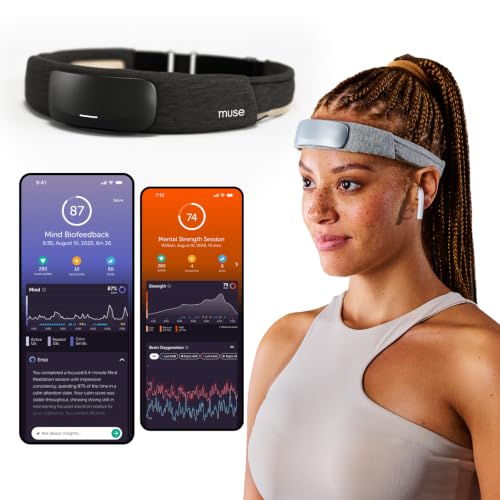
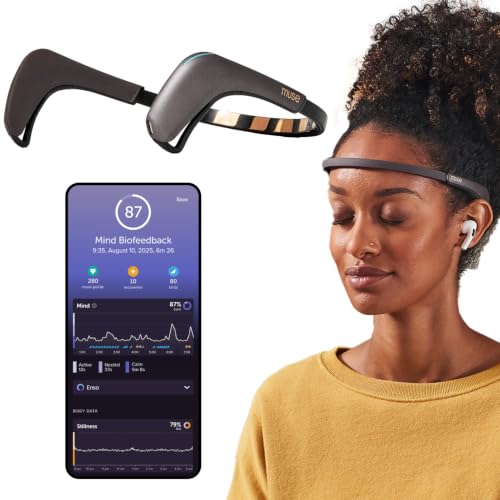
Some of the best biofeedback audio systems currently available include the HeartMath Inner Balance, Muse headband, and the Emwave2 by HeartMath. Each of these systems offers unique features, such as heart rate variability training, EEG monitoring, and guided meditations, making them suitable for various user needs. When choosing a system, consider factors such as ease of use, compatibility with mobile devices, and the types of biofeedback it provides to ensure it aligns with your wellness goals.
Which advancements in biofeedback audio technology can we expect in the future?
Future advancements in biofeedback audio technology are likely to focus on increased integration with artificial intelligence and machine learning to provide even more personalized experiences. We can expect systems that analyze user data over time to offer tailored recommendations for audio therapies and techniques based on individual progress. Additionally, the use of virtual and augmented reality may enhance the immersive experience of biofeedback audio systems, making them more engaging and effective for health and wellness.
References
- https://en.wikipedia.org/wiki/Biofeedback
- https://www.ncbi.nlm.nih.gov/pmc/articles/PMC6771275/
- Frontiers | The Relationship Between Range of Motion and Injuries in Adolescent Dancers and Sport…
- https://www.sciencedirect.com/science/article/abs/pii/S0306452219300776
- https://www.psychologytoday.com/us/basics/biofeedback
- https://www.health.harvard.edu/staying-healthy/biofeedback
- https://www.apa.org/monitor/2017/10/biofeedback
- Ischemic Cardiomyopathy – StatPearls – NCBI Bookshelf
- https://www.ncbi.nlm.nih.gov/pmc/articles/PMC5487466/
