
Augmented Reality (AR) is transforming the sound experience by blending digital audio with the physical world, creating opportunities for users to interact with sound like never before. This innovative technology not only enhances entertainment but also enriches everyday life by making sound more immersive and engaging. As we delve into the various applications of AR in sound, you’ll discover how it’s reshaping gaming, live events, and daily activities, creating a multi-dimensional auditory experience.




The Basics of Augmented Reality and Sound
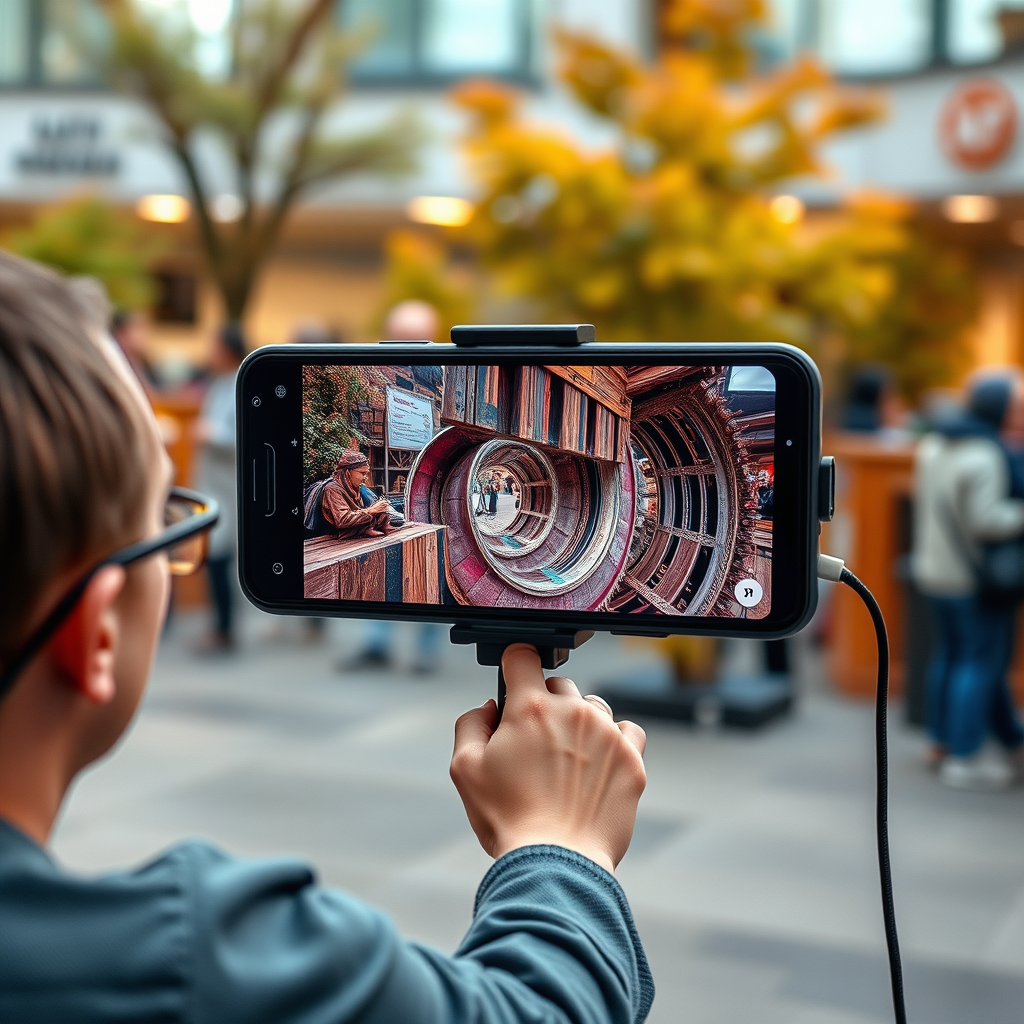
At its core, augmented reality is a technology that overlays digital content onto the real world through devices like smartphones, tablets, and smart glasses. This merging of the digital and physical realms typically involves visual elements, but sound plays a crucial role as well. AR integrates sound with visual stimuli, allowing users to experience audio that corresponds to their environment and actions. For instance, when a user moves through a virtual environment, the sound can dynamically shift based on their location, creating a more immersive experience. This combination of sight and sound not only enhances engagement but also allows for a more profound connection between the user and their surroundings.
Enhancing Gaming Experiences
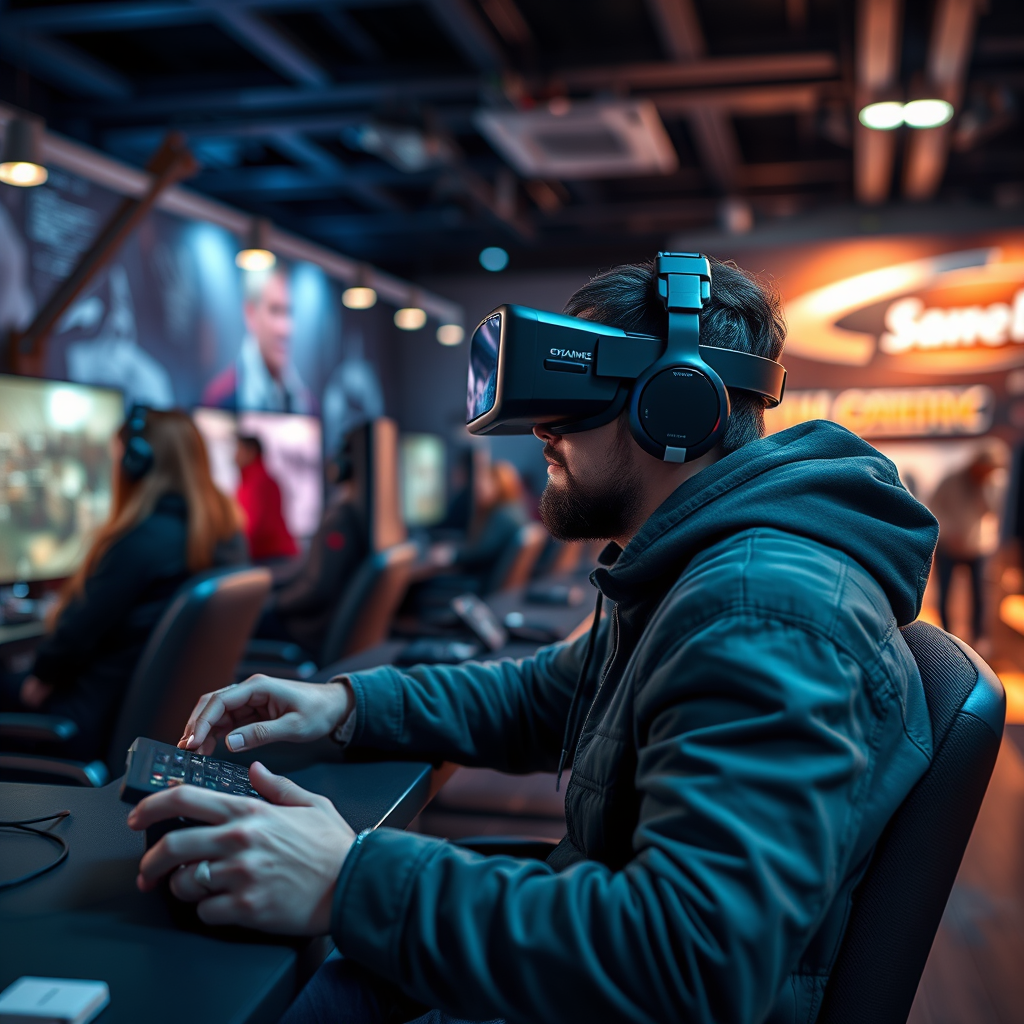
Gaming is one of the most significant areas benefiting from AR sound technology. With the ability to create immersive soundscapes that adapt in real-time to player actions and environments, AR has redefined how we engage with video games. For example, games like “Pokémon GO” utilize sound cues to indicate the presence of nearby Pokémon, enhancing the excitement of the hunt. When players hear the iconic sound of a Pokémon appearing, it adds an auditory layer to the visual experience, making it feel more real and interactive.
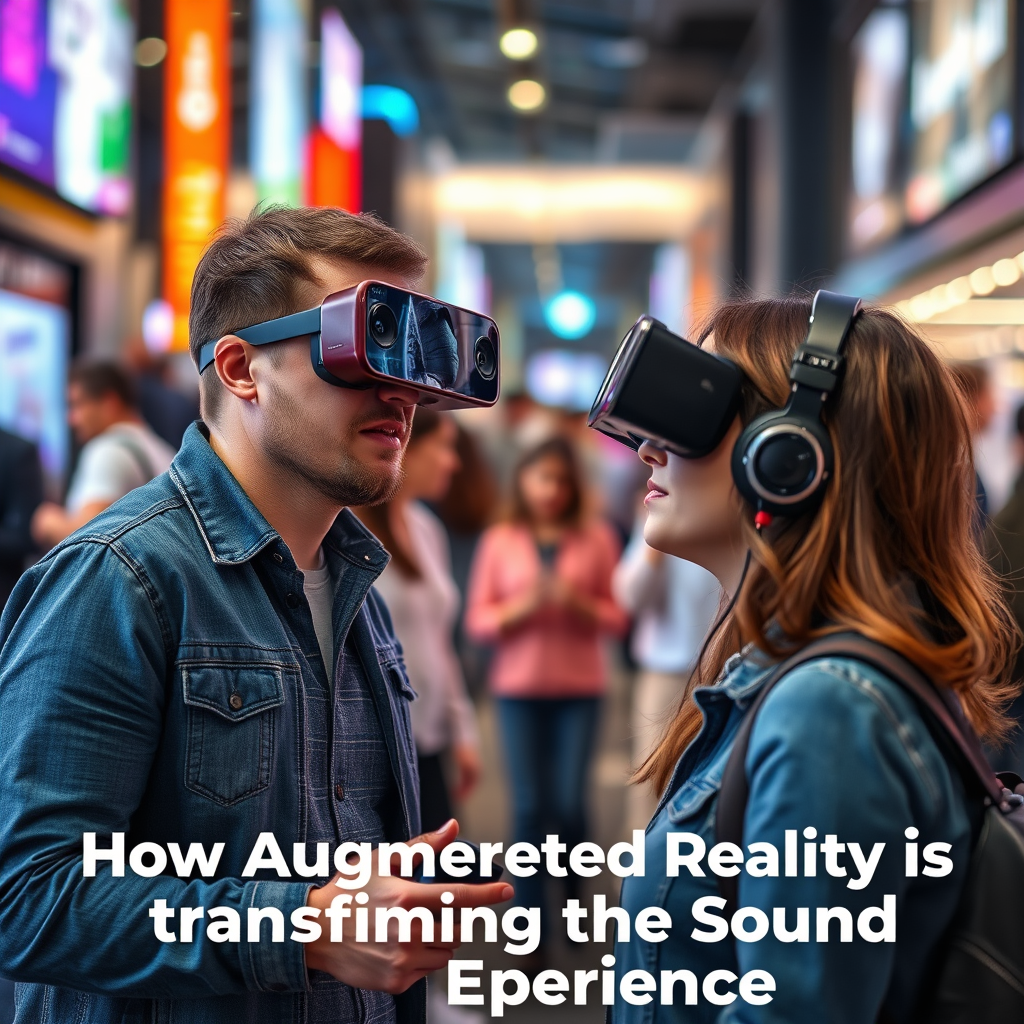
Another great example is “Harry Potter: Wizards Unite,” where players can hear spells being cast or creatures approaching, deepening the sense of presence in the magical world. The audio elements in these games are not just background music; they are integral to gameplay, providing crucial information and enhancing the overall atmosphere. The blend of sound and visual effects creates a captivating experience that keeps players engaged and returning for more.
Transforming Live Events
AR technology is also revolutionizing live events, such as concerts and festivals, by creating dynamic audio experiences that complement the performances. Imagine attending a concert where the sound is tailored to your specific location in the venue, providing a uniquely immersive experience. This is where AR sound technology shines; it can track audience movements and adjust audio outputs accordingly, ensuring that everyone enjoys the best sound quality possible.
A notable case study is the Coachella music festival, which has experimented with AR applications to enhance the audience’s experience. Attendees can use their smartphones to access AR features that provide additional sound effects, behind-the-scenes content, or even interactive elements during performances. This integration not only enhances the auditory experience but also fosters a deeper connection between artists and fans, making live events more memorable.
Everyday Applications of AR in Audio
Augmented reality isn’t just for gaming and live events; it’s also finding its way into everyday applications. For instance, navigation apps like Google Maps are beginning to incorporate AR audio cues to guide users more effectively. As you walk through a city, the app can provide real-time audio instructions that seamlessly blend with the sounds of your surroundings, allowing for a more intuitive navigation experience.
Additionally, personal devices such as smart glasses are utilizing AR to improve sound localization. Imagine wearing smart glasses that provide you with directional audio cues while you’re out and about. If you’re at a busy café, these glasses can help you focus on conversations happening nearby while filtering out background noise. This innovative application of AR technology is making everyday tasks more manageable and enjoyable, demonstrating its potential to enhance our daily lives.
Challenges and Limitations
Despite the exciting advancements in AR sound technology, there are still challenges and limitations that developers and users face. One major technical hurdle is synchronizing audio with visual elements. Achieving a seamless integration of sound and visuals requires precise timing and high-quality processing capabilities. If there’s even a slight delay between what users see and what they hear, it can break the immersive experience and lead to frustration.
Moreover, user experience and sound quality can also pose challenges. Not all users have access to high-end audio equipment or devices capable of delivering optimal AR sound experiences. There’s also the risk of overwhelming users with too much information, both visually and aurally, which can detract from the overall experience. Striking the right balance between engaging audio and usability is a critical consideration for developers as they work to refine AR applications.
Future Trends in AR and Sound
As AR technology continues to evolve, several trends are poised to shape the future of audio experiences. One exciting prediction is the advancement of spatial audio technology, which creates a three-dimensional sound field that mimics how we naturally hear sounds in the real world. This technology can elevate AR sound experiences by making them more realistic and immersive.
Additionally, the integration of machine learning into AR sound applications holds great potential. With the ability to analyze user behavior and preferences, AR systems could tailor audio experiences to individual users, creating a personalized auditory journey. Imagine an AR app that learns your favorite music genres and adjusts the soundscapes you experience in real-time based on your preferences and surroundings.
The future is bright for AR and sound, with the potential to impact not only entertainment but also education, therapy, and beyond. As technology continues to advance, we can expect even more innovative applications that enhance our auditory experiences in exciting ways.
The integration of augmented reality in sound experiences is redefining how we interact with audio across various contexts, from gaming and live events to everyday applications. By merging the digital and physical worlds, AR creates rich, immersive audio experiences that engage users on multiple levels. As the technology continues to develop, we can look forward to even more personalized and captivating sound experiences. Stay tuned for the latest trends in AR sound technology, and consider exploring how these advancements can enhance your own auditory interactions in daily life.
Frequently Asked Questions
How is augmented reality enhancing the audio experience in gaming?
Augmented reality (AR) is revolutionizing the audio experience in gaming by creating immersive soundscapes that adapt to the player’s environment. By integrating spatial audio technology, games can deliver sound that appears to come from specific locations in the real world, enhancing realism and engagement. This innovative sound design allows players to hear in-game elements as if they were actually present, making gameplay more thrilling and interactive.
What are the benefits of using AR for sound in education and training?
Augmented reality offers significant benefits for sound in education and training by providing interactive learning experiences that engage multiple senses. By incorporating AR soundscapes, learners can experience realistic simulations that complement visual content, such as hearing a historical speech while viewing related images. This multisensory approach enhances retention and understanding, making complex subjects more accessible and enjoyable.
Why is augmented reality sound important for accessibility?
Augmented reality sound plays a crucial role in enhancing accessibility for individuals with hearing impairments. By using visual cues alongside spatial audio, AR can provide context and clarity to sounds that may otherwise be missed. This technology allows users to engage with their surroundings more fully, ensuring that critical information, such as alerts or instructions, is delivered in a way that accommodates varying levels of hearing ability.
Which industries are most impacted by augmented reality sound technology?
Several industries are significantly impacted by augmented reality sound technology, including entertainment, education, healthcare, and tourism. In entertainment, AR sound enhances immersive experiences in gaming and live events. In healthcare, it aids in surgical training by simulating real-life scenarios with realistic audio cues. Moreover, the tourism industry leverages AR sound to provide guided experiences, enriching cultural explorations with informative audio narratives.
How can businesses leverage augmented reality sound to improve customer experience?
Businesses can leverage augmented reality sound to enhance customer experience by creating interactive and engaging environments that resonate with their audience. For instance, retail stores can use AR sound to provide auditory product information or promotions, guiding customers through their shopping journey. Additionally, restaurants can implement AR soundscapes to create a unique ambiance, enhancing the dining experience and encouraging customer engagement.
References
- Augmented reality
- https://www.bbc.com/future/article/20210907-how-augmented-reality-is-changing-the-way-we-learn
- https://www.sciencedirect.com/science/article/pii/S1877050921002942
- https://www.nature.com/articles/s41599-020-00635-7
- https://www.theguardian.com/technology/2021/jul/25/augmented-reality-sound-experience
- Frontiers | Review of EEG, ERP, and Brain Connectivity Estimators as Predictive Biomarkers of Soc…
- https://www.technologyreview.com/2020/12/11/1012170/augmented-reality-sound-tech/
