

Fully autonomous cars are making their way into new cities, promising to revolutionize urban transportation and make commuting more efficient. As these self-driving vehicles hit the streets of various metropolitan areas, they are not just enhancing mobility; they are reshaping the very fabric of urban life. In this article, we’ll explore the impact of this expansion on urban life, technology, and regulations.
The Current Landscape of Autonomous Vehicle Deployment
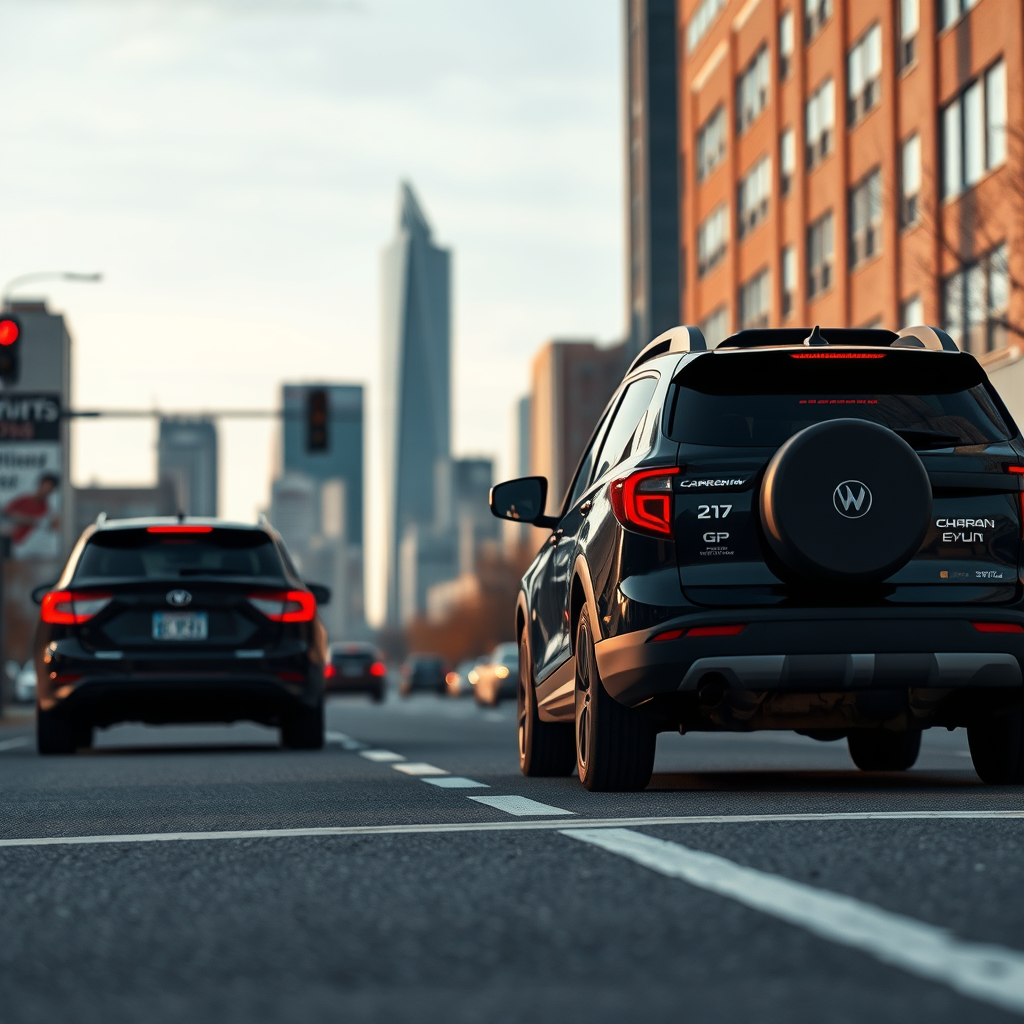
Cities across the globe are embracing the transformation brought by autonomous vehicles (AVs). Cities like San Francisco, Austin, and Las Vegas have become testing grounds for these innovative cars, showcasing their potential to improve urban mobility. Major players such as Waymo, Tesla, and Cruise are leading the charge, each contributing unique technologies and strategies for deployment. Waymo, for instance, has been at the forefront of developing a fully autonomous ride-hailing service, while Tesla’s Autopilot feature is pushing the boundaries of what semi-autonomous driving can achieve. The collaboration among these companies, local governments, and other stakeholders is critical to creating a safe and efficient environment for AVs.
Benefits of Autonomous Cars in Urban Environments

One of the most significant advantages of fully autonomous cars is their potential to reduce traffic congestion. With the ability to communicate with each other and optimize routes in real-time, these vehicles can significantly improve traffic flow. A study from the Institute of Transportation Engineers suggests that if AVs were to replace conventional cars, urban congestion could be reduced by up to 40%.
Moreover, autonomous cars enhance accessibility for individuals who are unable to drive, such as the elderly and disabled. By providing reliable transportation options, these vehicles can empower those who have previously faced mobility challenges, thus fostering greater independence and inclusivity in urban settings. Imagine a senior citizen being able to attend social gatherings or medical appointments without relying on family members or public transport—this kind of freedom can dramatically improve quality of life.
Technological Innovations Driving Expansion
The expansion of autonomous cars is driven by remarkable advancements in technology. Cutting-edge sensor technologies, such as Lidar and radar, allow vehicles to perceive their surroundings with astonishing accuracy. These sensors work in tandem with artificial intelligence (AI) algorithms to interpret data and make split-second decisions, ensuring safe navigation through complex urban environments.
Additionally, the rollout of 5G connectivity is a game-changer for real-time data processing in autonomous vehicles. With faster data transmission speeds, cars can receive updates about traffic conditions, weather, and potential hazards almost instantaneously. This real-time information enables autonomous systems to make informed decisions, enhancing safety and efficiency on the road.
Regulatory Challenges and Solutions
As autonomous vehicles become more prevalent, navigating the regulatory landscape presents numerous challenges. Current regulations often lag behind technological advancements, creating uncertainty for companies wishing to deploy AVs. Issues such as liability in the event of accidents, safety standards, and data privacy are critical areas that require attention.
To tackle these challenges, collaborations between tech companies and local governments are essential. For example, partnerships like those between Waymo and the city of Phoenix have facilitated the creation of regulatory frameworks that allow for safe testing and deployment of autonomous vehicles. Such initiatives can serve as models for other cities, paving the way for smoother regulatory processes and public acceptance.
Public Perception and Acceptance
Public perception plays a crucial role in the successful integration of autonomous vehicles into everyday life. Recent surveys indicate that while many people are excited about the prospects of self-driving cars, there is also significant skepticism. Concerns about safety, technological reliability, and job losses in driving-related sectors are common.
To build trust and acceptance among city residents, it is essential for companies to engage in transparent communication. Hosting community workshops, providing educational resources, and offering test rides can help demystify the technology and address concerns directly. Furthermore, demonstrating safety records and the benefits of AVs in real-world scenarios can help alleviate fears and foster a positive public perception.
Future Outlook for Autonomous Vehicles
Looking ahead, the future of autonomous vehicles appears bright, with predictions suggesting that by 2030, many major cities will have fully integrated AV technology into their transportation systems. Some estimates indicate that we could see autonomous vehicles in over 100 cities worldwide within the next decade, fundamentally altering how we navigate urban spaces.
Moreover, the potential for integration with public transportation systems is immense. Imagine a city where autonomous shuttles complement traditional bus routes, creating a seamless and efficient transport network that reduces reliance on personal vehicles. Such integration could lead to lower carbon emissions, improved air quality, and more livable urban environments.
As fully autonomous cars expand into new cities, they hold the promise of revolutionizing urban transportation. This transition brings numerous benefits, including increased efficiency and accessibility, yet it also faces challenges in regulation and public perception. By addressing these issues and fostering collaboration, we can look forward to a future where autonomous vehicles play a key role in shaping the cities of tomorrow. Stay informed as this exciting development continues to unfold!
Frequently Asked Questions
What cities are currently testing fully autonomous cars?
As of October 2023, several cities across the globe are actively testing fully autonomous cars, including San Francisco, Phoenix, and Austin in the U.S., as well as international locations like Beijing and London. These cities have been chosen due to their diverse traffic conditions, supportive regulatory environments, and collaboration with tech companies specializing in autonomous vehicle technology. The ongoing tests aim to gather data on vehicle performance and safety in various urban settings.
How do fully autonomous cars navigate and make decisions in new cities?
Fully autonomous cars navigate and make decisions using a combination of advanced sensors, cameras, and artificial intelligence. These vehicles rely on detailed maps and real-time data from their surroundings to interpret traffic signals, detect obstacles, and understand road conditions. Additionally, machine learning algorithms continuously improve their decision-making abilities by analyzing past driving scenarios and adapting to the unique characteristics of each new city they operate in.
Why are fully autonomous cars expanding to new cities, and what are the benefits?
The expansion of fully autonomous cars to new cities is driven by the need for safer, more efficient transportation solutions. Benefits include reduced traffic congestion, lower accident rates due to minimized human error, and improved mobility for those unable to drive. Furthermore, the integration of autonomous vehicles into urban environments can lead to enhanced public transport systems and a decrease in carbon emissions, contributing to more sustainable city living.
What challenges do fully autonomous cars face when operating in new urban environments?
Fully autonomous cars encounter several challenges when operating in new urban environments, including unpredictable pedestrian behavior, complex traffic patterns, and varying road conditions. Furthermore, local regulations and infrastructure can differ significantly, requiring vehicles to adapt to new traffic laws and road signage. These challenges necessitate rigorous testing and data collection to ensure that autonomous systems can safely navigate diverse urban landscapes.
Which companies are leading the charge in deploying fully autonomous cars in new cities?
Several key players are at the forefront of deploying fully autonomous cars in new cities, including Waymo, Cruise, and Tesla. Waymo has been a pioneer in developing autonomous ride-hailing services in cities like San Francisco and Phoenix, while Cruise has focused on urban environments with plans for expansion in major metropolitan areas. Tesla’s advanced driver-assistance systems and ongoing software updates position it as a significant competitor in the autonomous vehicle landscape, continually pushing the boundaries of what is possible in self-driving technology.
References
- Self-driving car
- https://www.bbc.com/news/technology-59824907
- https://www.nytimes.com/2022/01/28/business/driverless-cars-cities.html
- https://www.nhtsa.gov/equipment/autonomous-vehicles-safety
- https://www.sciencedirect.com/science/article/pii/S0968090X21001249
- https://www.rand.org/pubs/research_reports/RR4414.html
- https://www.itu.int/en/ITU-T/focusgroups/driverless/Pages/default.aspx
- https://www.theguardian.com/us-news/2022/jun/07/driverless-cars-autonomous-vehicles-cities
- https://www.aaafoundation.org/driverless-cars-and-the-future-of-transportation/