

A revolutionary genetic editing technology has just been unveiled, with the potential to transform both medicine and agriculture dramatically. This cutting-edge advancement may pave the way for curing genetic disorders and enhancing the resilience of crops against environmental challenges. In this article, we will explore the details of this breakthrough, its far-reaching implications, and what it signifies for the future landscape of genetic research.
Overview of the Genetic Editing Breakthrough

The latest breakthrough in genetic editing revolves around a sophisticated technique known as Prime Editing. Unlike previous methods that relied heavily on CRISPR-Cas9, Prime Editing allows for more precise modifications within the DNA sequence, reducing the chances of unintended changes. Developed by a team at the Broad Institute of MIT and Harvard, led by Dr. David Liu, this innovative approach utilizes a tailored enzyme that can insert, delete, or replace DNA sequences with remarkable accuracy.
Key researchers involved in this landmark development include Dr. Liu and his colleagues, who have been tirelessly working on refining the Prime Editing method. Their collaborative efforts have culminated in a technology that not only enhances the efficiency of genetic editing but also minimizes off-target effects, which have been a significant concern in earlier techniques. The breakthrough promises to address some of the most pressing challenges in genetics today.
Potential Applications in Medicine
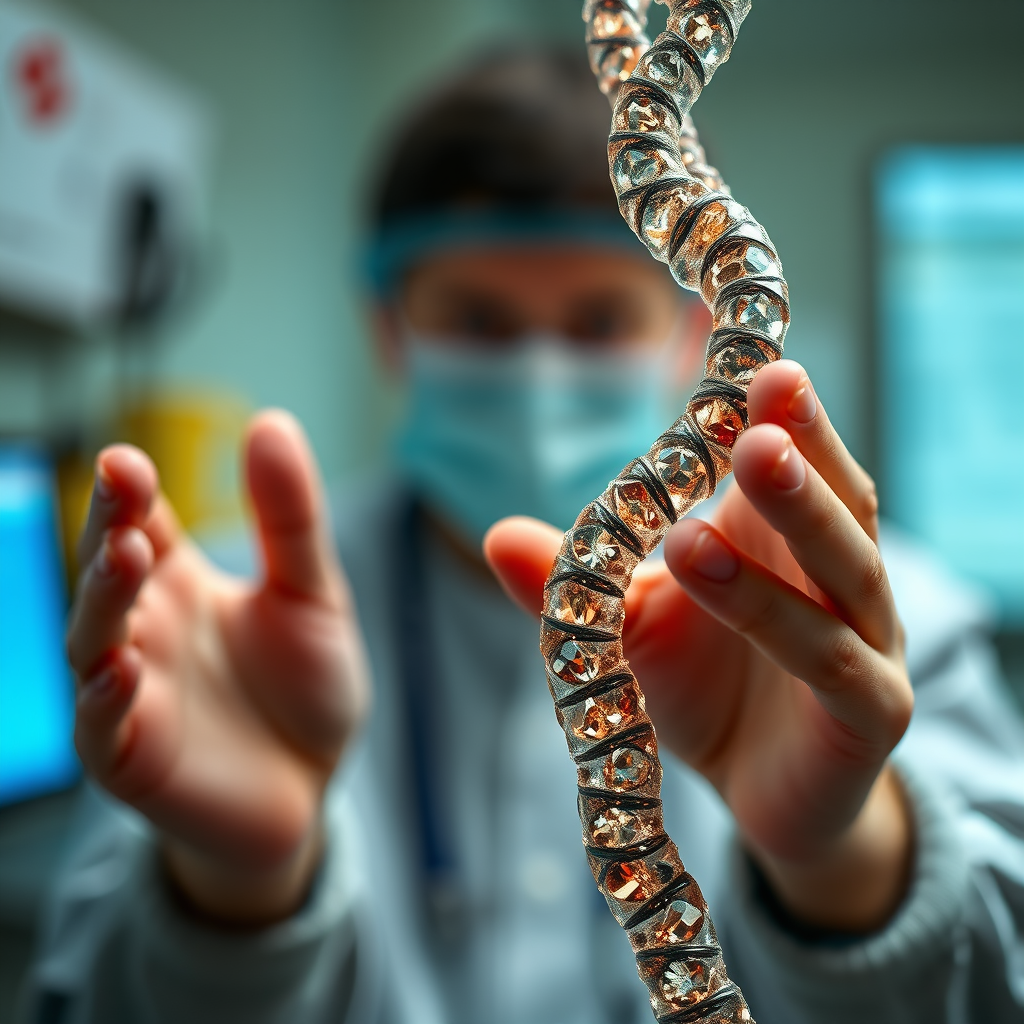
The implications of this genetic editing breakthrough for medicine are nothing short of extraordinary. By targeting specific genetic mutations, Prime Editing could lead to the development of cures for a range of genetic disorders, including cystic fibrosis, sickle cell disease, and certain types of muscular dystrophy. For instance, cystic fibrosis is caused by a mutation in the CFTR gene, and Prime Editing could potentially correct this defect, allowing for proper function of the gene and significantly improving patients’ quality of life.
Moreover, the technology could revolutionize the field of gene therapy, providing a more effective and safer alternative for treating genetic conditions. Imagine a future where patients with hereditary diseases receive tailored treatments that not only alleviate symptoms but eradicate the underlying causes. The potential is immense, and ongoing clinical trials will soon reveal how effectively this technology can be applied to real-world medical challenges.
Implications for Agriculture
In the agricultural sector, genetic editing holds the promise of significantly improving crop yields and resistance to pests and diseases. The ability to modify crops at a molecular level means that we can engineer plants to thrive in adverse conditions, such as drought or extreme temperatures, thus ensuring food security in the face of climate change. For example, researchers have already begun using Prime Editing to develop rice varieties that are not only more resilient but also have enhanced nutritional profiles.
This advancement could lead to sustainable agricultural practices that reduce the need for chemical pesticides and fertilizers, aligning with global efforts to promote environmental conservation. By creating crops that can naturally fend off pests or require fewer resources to grow, we can contribute to a healthier planet while meeting the food demands of a growing population.
Ethical Considerations
As with any breakthrough technology, the advancements in genetic editing raise important ethical questions. Bioethicists are particularly concerned about the potential for “designer babies,” where genetic editing could be used for non-therapeutic enhancements, such as selecting physical traits or intelligence. This opens the door to significant societal implications, including health disparities and ethical dilemmas surrounding the definition of “normal” human traits.
Public discourse on genetic editing is essential as we navigate this new frontier. Engaging with diverse perspectives ensures that we consider not only the scientific possibilities but also the moral responsibilities that come with such power. It’s crucial for society to establish guidelines that prioritize ethical standards while allowing scientific innovation to flourish.
Regulatory Landscape
The regulatory landscape surrounding genetic editing is currently evolving. In many countries, existing laws are focused primarily on traditional genetic modification techniques, which may not adequately address the nuances of newer technologies like Prime Editing. As the science advances, there will likely be calls for new regulations that provide a framework for safe and ethical gene editing practices.
Policymakers may need to establish clear guidelines regarding the use of these technologies in human health and agriculture. This includes considerations around safety assessments, potential environmental impacts, and long-term monitoring of modified organisms. Transparency and public engagement will be key in shaping policies that reflect societal values and promote responsible scientific progress.
Future Research Directions
The emergence of Prime Editing opens numerous avenues for future research. Scientists will likely explore its applications beyond human health and agriculture, potentially leading to advancements in areas such as synthetic biology and microbiology. For instance, researchers could harness Prime Editing to create microorganisms that produce biofuels or pharmaceuticals more efficiently.
Predictions for the next steps in genetic editing advancements suggest a growing focus on refining the precision and efficiency of these methods. As we learn more about the intricacies of the genome, it’s possible that we’ll uncover additional applications that we can’t yet envision. The collaborative efforts of researchers, ethicists, and policymakers will be essential in guiding this research towards beneficial outcomes for society.
The genetic editing breakthrough opens up exciting possibilities in both healthcare and agriculture, but it also raises important ethical and regulatory questions. As the technology advances, staying informed and engaged with the ongoing discussions will be crucial for everyone. Embracing the potential of genetic editing while fostering a responsible approach to its implementation will ultimately allow us to harness its benefits for generations to come.
Frequently Asked Questions
What is the recent genetic editing breakthrough announced?
The recent genetic editing breakthrough involves advancements in CRISPR technology, which enables precise modifications of DNA sequences in living organisms. Researchers have successfully demonstrated the ability to edit genes with unprecedented accuracy, reducing off-target effects and improving the efficiency of genetic therapies. This breakthrough could pave the way for treating genetic disorders, enhancing agricultural crops, and potentially eradicating certain diseases.
How does this genetic editing breakthrough impact medical research?
This genetic editing breakthrough significantly impacts medical research by providing scientists with a powerful tool to investigate gene function and disease mechanisms. With improved precision, researchers can develop targeted therapies that correct genetic mutations responsible for various conditions, such as cystic fibrosis and sickle cell anemia. This advancement could accelerate the pace of drug development and lead to more effective treatment options for patients.
Why are ethical considerations important regarding genetic editing advancements?
Ethical considerations are crucial in the context of genetic editing advancements due to the potential implications for human health, biodiversity, and societal norms. Concerns arise over the possibility of creating “designer babies,” unintended ecological consequences, and the equitable access to genetic therapies. Addressing these ethical dilemmas ensures that genetic editing is used responsibly and equitably, fostering public trust and guiding regulatory frameworks.
What are the potential benefits of genetic editing in agriculture?
The potential benefits of genetic editing in agriculture include increased crop resilience, improved nutritional content, and reduced reliance on chemical pesticides. By precisely altering genes, scientists can develop crops that withstand harsh environmental conditions such as drought or pests, thereby enhancing food security. Additionally, genetically edited crops can be engineered to provide greater health benefits, helping to address malnutrition in vulnerable populations.
Which countries are leading in genetic editing research and applications?
Countries such as the United States, China, and Germany are at the forefront of genetic editing research and applications. The U.S. has a robust biotech industry that invests heavily in CRISPR technology, while China has made significant strides in agricultural applications and clinical trials. Germany is also a leader in ethical discussions and regulatory frameworks surrounding genetic editing, ensuring that scientific advancements align with public interest and safety standards.
References
- https://www.nature.com/articles/d41586-020-01220-9
- https://www.sciencedirect.com/science/article/pii/S0092867421000206
- https://www.bbc.com/news/science-environment-58920259
- https://www.reuters.com/science/genetic-editing-technology-crispr-advances-2021-09-29/
- https://www.nih.gov/news-events/news-releases/us-researchers-make-significant-advances-genome-editing-technology
- https://www.theguardian.com/science/2021/sep/29/gene-editing-breakthrough-offers-hope-for-rare-diseases
- https://www.wired.com/story/crispr-gene-editing-breakthrough/
- https://www.nytimes.com/2021/09/29/science/crispr-gene-editing.html
- https://www.genomeweb.com/genetic-editing/crispr-advances-hold-promise-treating-rare-diseases