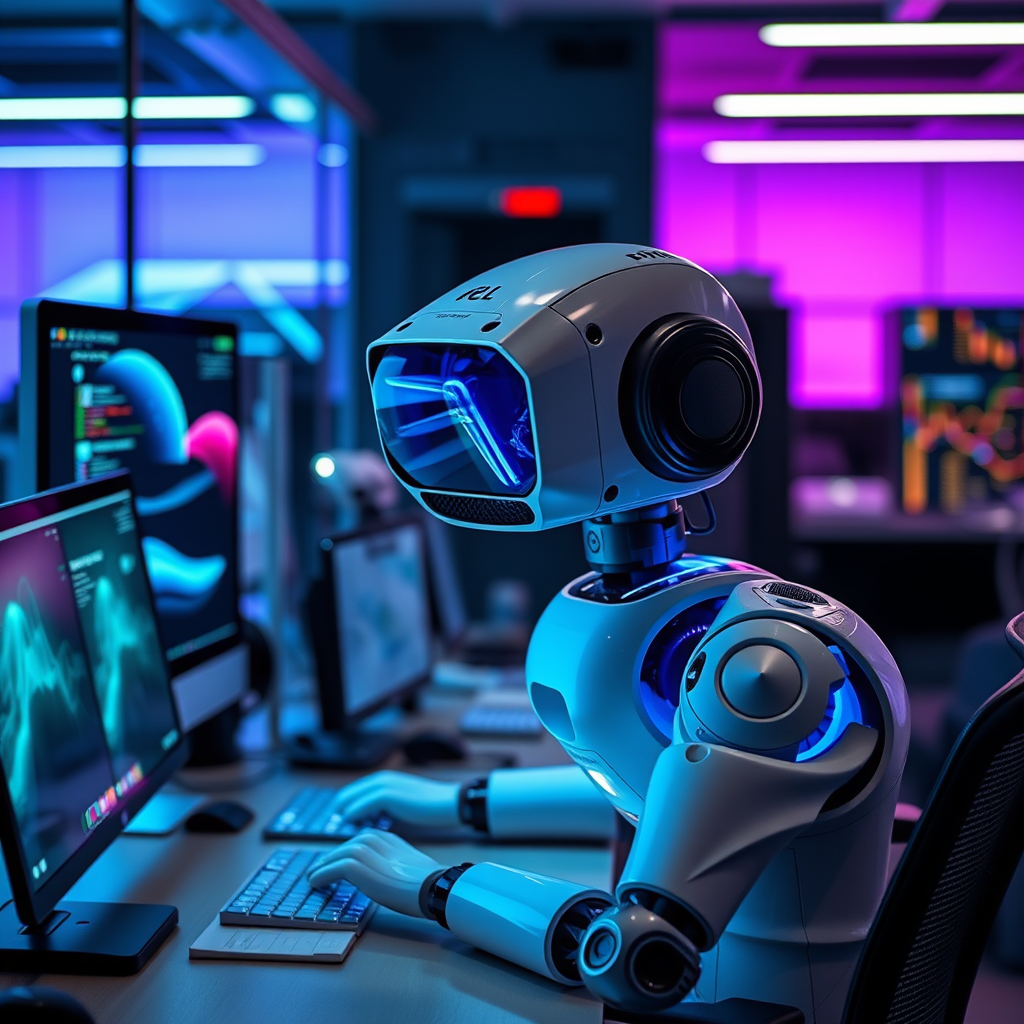
The launch of AI mental health assistants offers a revolutionary way for individuals to access immediate mental health support right at their fingertips. These innovative digital tools aim to provide quick assistance, helpful resources, and effective coping strategies to those in need. As we delve deeper into this topic, we will explore what AI mental health assistants are, how they function, and the potential impact they may have on the future of mental healthcare.



Understanding AI Mental Health Assistants
AI mental health assistants are digital platforms designed to support individuals seeking mental wellness. They leverage artificial intelligence technologies to provide immediate responses, guidance, and coping tools tailored to user needs. These assistants can take various forms, including chatbots, apps, and voice-activated services that engage users in a conversational manner.
The backbone of these tools is Natural Language Processing (NLP), a branch of AI that enables machines to understand, interpret, and respond to human language in a way that feels natural. NLP allows AI mental health assistants to analyze user input, recognize emotional cues, and generate contextually relevant responses. For example, if a user expresses feelings of anxiety, the AI can identify keywords and phrases that indicate distress, allowing it to respond with soothing techniques or resources tailored to anxiety management. This technology not only enhances communication but also helps create a more empathetic user experience.
Benefits of AI Mental Health Assistants
One of the most significant benefits of AI mental health assistants is their accessibility. These tools are available 24/7, meaning users can seek assistance whenever they need it, regardless of their location. This around-the-clock availability is particularly advantageous for individuals who may not have easy access to traditional mental health services or are hesitant to seek help in person.
Additionally, AI mental health assistants are often more cost-effective than traditional therapy options. Many apps and platforms offer free or low-cost access, reducing financial barriers that can prevent individuals from seeking help. For example, platforms like Woebot and Wysa provide tools and resources at no or minimal cost, making mental health support more reachable to a broader audience. This democratization of mental health care can lead to earlier interventions and better overall outcomes for individuals struggling with mental health issues.
How AI Mental Health Assistants Work
The operation of AI mental health assistants revolves around user interaction and data input. When a user reaches out for help, they typically engage with the assistant through a chat interface or voice command. The AI processes the input using advanced algorithms that analyze the context and sentiment behind the user’s words. This allows the assistant to tailor its responses based on the individual’s emotional state and needs.
Behind the scenes, machine learning algorithms continuously improve the assistant’s performance by learning from user interactions. Over time, the AI becomes better at recognizing patterns and providing relevant suggestions, whether it’s recommending specific coping strategies, mindfulness exercises, or connecting users with additional resources. This dynamic approach helps create a personalized experience, making users feel more heard and supported.
Limitations and Ethical Considerations
While AI mental health assistants offer numerous benefits, there are limitations and ethical considerations to keep in mind. One major concern is privacy. Users often share sensitive information with these digital tools, raising questions about data security and how that information is stored and used. It’s essential for companies to prioritize user privacy and implement robust security measures to protect personal data.
Additionally, while AI can provide valuable support, it cannot replace human empathy and judgment. Mental health is a complex field that often requires the nuanced understanding that only trained professionals can offer. Therefore, human oversight is crucial. AI mental health assistants should complement, rather than replace, traditional therapy and mental health services. This integration ensures that users can benefit from both technology and human expertise, providing a more holistic approach to mental wellness.
Real-World Applications and Success Stories
Several successful AI mental health assistants have made a significant impact in the mental health landscape. For instance, Woebot is a well-known AI-powered chatbot that uses cognitive-behavioral therapy principles to help users manage their emotions and develop coping strategies. Users have reported positive experiences, highlighting how Woebot has provided them with immediate support and helped them feel less alone during challenging times.
Another example is Replika, an AI companion designed to foster emotional well-being. Users can engage with Replika as a friend to discuss their feelings or simply chat about their day. Testimonials from users often emphasize how Replika has helped alleviate loneliness and provided a non-judgmental space to share thoughts.
These examples illustrate the real-world applicability of AI mental health assistants and their potential to offer comfort and support to those struggling with mental health issues.
Future Trends in AI Mental Health Support
Looking ahead, we can anticipate exciting advancements in AI technology and its integration into mental health support. One trend is the increasing sophistication of machine learning algorithms, which will enhance the ability of AI assistants to provide personalized, effective support. As these tools evolve, they may incorporate features like biometric data analysis, allowing for a more comprehensive understanding of user mental health.
Moreover, the potential for collaboration between AI tools and human therapists is immense. In the future, AI could serve as a supplemental resource in traditional therapy settings, providing therapists with valuable insights based on data collected from interactions. This partnership could lead to more tailored treatment plans and improved outcomes for patients.
As mental health awareness continues to grow, the integration of AI mental health assistants may become a standard practice in supporting individuals on their mental health journeys.
The emergence of AI mental health assistants represents a transformative shift in mental healthcare, offering innovative solutions for those in need. By understanding their functionality, benefits, and limitations, users can make informed decisions about integrating these tools into their mental health journey. Explore available options and consider how an AI mental health assistant might enhance your well-being today. Whether you’re looking for immediate support, a listening ear, or helpful coping strategies, these digital tools could play a pivotal role in your mental health journey.
Frequently Asked Questions
What are AI mental health assistants and how do they work?
AI mental health assistants are digital tools that utilize artificial intelligence algorithms to provide mental health support and resources. They work by analyzing user inputs, such as chat conversations or mood tracking, to offer personalized coping strategies, resources, and interventions. These assistants can help users manage anxiety, depression, and stress through guided conversations and evidence-based techniques, making mental health support more accessible and convenient.
How can AI mental health assistants benefit users?
AI mental health assistants can significantly benefit users by providing 24/7 support, reducing barriers to accessing mental health care, and delivering personalized content based on individual needs. They can help users identify patterns in their thoughts and behaviors, offer immediate coping strategies, and direct them to professional help when necessary. This round-the-clock availability can be especially valuable for individuals who may be hesitant to reach out for traditional therapy or who need immediate assistance during a crisis.
Why should I consider using an AI mental health assistant instead of a human therapist?
While human therapists provide invaluable support and empathy, AI mental health assistants offer unique advantages such as anonymity, affordability, and immediate availability. They can be a great first step for individuals who are not ready to talk to a therapist, allowing them to explore their mental health issues in a non-judgmental environment. However, it’s essential to remember that AI assistants are best used as a complementary tool rather than a complete replacement for professional therapy.
What features should I look for in a quality AI mental health assistant?
When choosing an AI mental health assistant, look for features such as user-friendly interfaces, personalized recommendations, evidence-based content, and the ability to track mood and behaviors over time. Additionally, ensure the assistant provides resources for connecting with licensed mental health professionals, as this can be crucial if users require more support. Transparency regarding data privacy and security is also important, as mental health information is sensitive and personal.
Which AI mental health assistants are considered the best options available today?
Some of the best AI mental health assistants available today include Woebot, Wysa, and Replika. Woebot uses conversational AI to provide cognitive-behavioral therapy techniques, while Wysa offers a blend of AI and human support, making it a more comprehensive option. Replika allows users to create a personalized AI companion for emotional support. When selecting the best assistant, consider your individual needs and preferences, as well as the specific features each platform offers.
References
- https://www.who.int/news-room/commentaries/detail/artificial-intelligence-in-mental-health
- https://www.ncbi.nlm.nih.gov/pmc/articles/PMC7431121/
- https://www.psychologytoday.com/us/blog/the-future-psychology/202109/how-ai-is-revolutionizing-mental-health-care
- https://www.mentalhealth.gov/
- https://www.apa.org/news/podcasts/speaking-of-psychology/ai-mental-health
- Frontiers | Child Relativized Minimality and Grammaticality Judgement
- https://www.nimh.nih.gov/news/science-news/2022/ai-based-tools-may-help-people-with-mental-health-issues