

The global cybersecurity spending has reached an all-time high, driven by a heightened awareness of cyber threats and the urgent need for robust defense mechanisms. Organizations worldwide are recognizing the importance of safeguarding their data and infrastructure against increasingly sophisticated cyber risks, leading to unprecedented investments in cybersecurity solutions. In this article, we’ll explore the factors driving this surge in spending and what it means for the future of cybersecurity.
Rising Cyber Threats
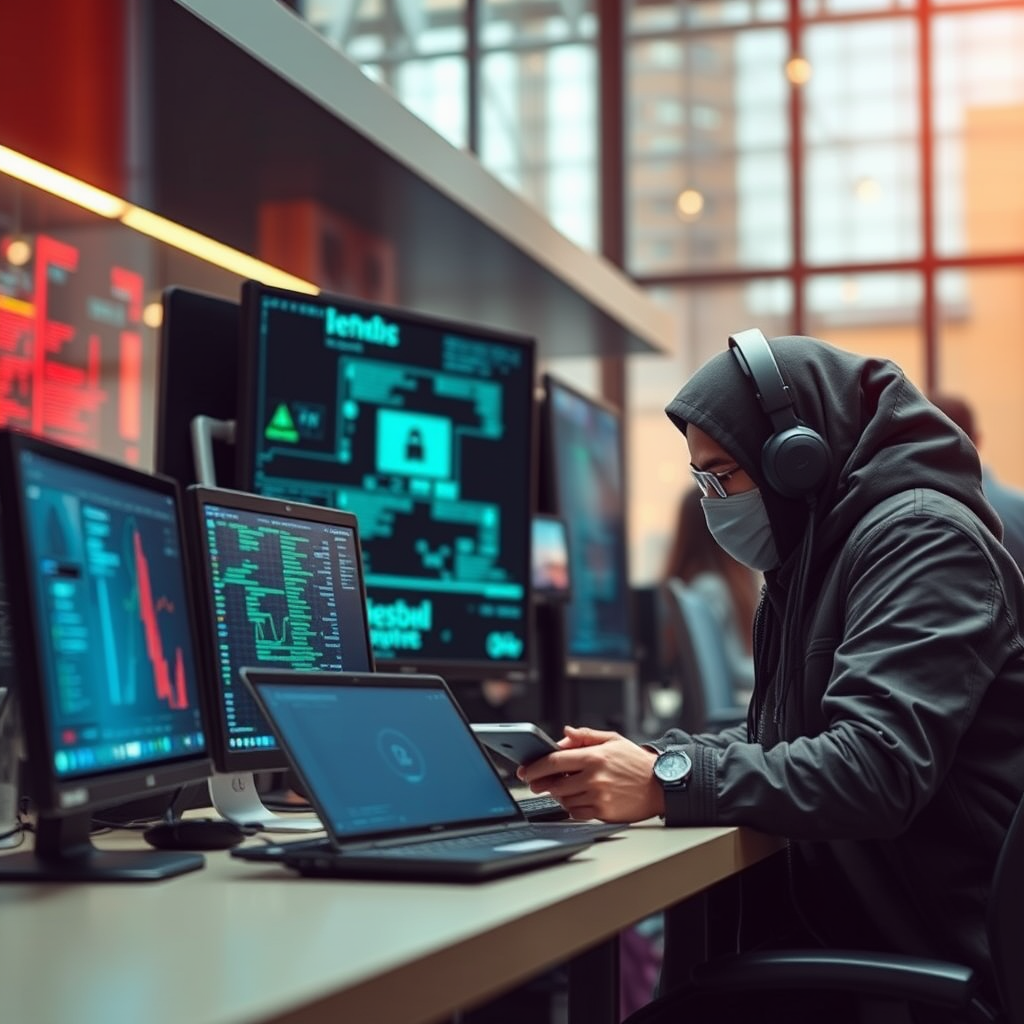
Cybercrime incidents have surged dramatically in recent years, leading to substantial financial losses for businesses and organizations. According to recent reports, cybercrime is projected to cost the world $10.5 trillion annually by 2025, a staggering figure that underscores the pressing need for improved cybersecurity measures. Ransomware attacks, in particular, have become increasingly sophisticated, with attackers employing advanced tactics to exploit vulnerabilities and extort money from victims. These trends are prompting companies to enhance their defenses, invest in advanced security technologies, and adopt a more proactive approach to cybersecurity.
For example, the Colonial Pipeline ransomware attack in 2021 resulted in a multi-million dollar ransom payment and highlighted the vulnerabilities within critical infrastructure sectors. As incidents like these continue to make headlines, organizations are compelled to prioritize cybersecurity spending to protect their assets and maintain consumer trust. This growing awareness of cyber threats is driving businesses to invest in comprehensive security strategies that encompass prevention, detection, and response.
Investment Trends in Cybersecurity

As organizations grapple with the evolving landscape of cyber threats, they are increasingly shifting their budgets toward advanced security technologies. Artificial intelligence (AI) and machine learning are at the forefront of these investment trends, empowering businesses to automate threat detection and response processes, analyze vast amounts of data, and improve decision-making capabilities. For instance, AI-driven systems can identify patterns in user behavior, flagging anomalies that may indicate a potential breach, thus enabling quicker responses to threats.
Moreover, managed security service providers (MSSPs) are becoming popular as businesses seek expert assistance in navigating the complexities of cybersecurity. By outsourcing security functions to MSSPs, organizations can leverage specialized knowledge and resources, allowing them to focus on their core operations while ensuring their cybersecurity posture remains strong. This trend is particularly beneficial for small and medium-sized enterprises (SMEs) that may lack the internal resources to effectively manage cybersecurity on their own.
Impact of Regulatory Compliance
The landscape of cybersecurity is also heavily influenced by regulatory compliance requirements, which are becoming increasingly stringent. Data protection regulations, such as the General Data Protection Regulation (GDPR) in Europe and the California Consumer Privacy Act (CCPA) in the United States, mandate that organizations implement robust security measures to protect sensitive information. As a result, companies are allocating more resources toward compliance and security initiatives to avoid severe penalties for non-compliance.
Failure to adhere to these regulations can lead to hefty fines and reputational damage, prompting firms to invest proactively in cybersecurity measures. For instance, British Airways faced a £20 million fine for a data breach that compromised the personal and financial information of hundreds of thousands of customers. Such incidents illustrate the financial and operational risks associated with non-compliance, motivating organizations to prioritize cybersecurity within their budgets.
Sector-Specific Spending Patterns
Certain industries, such as finance and healthcare, are experiencing higher cybersecurity budgets due to the sensitive nature of the data they handle. Financial institutions, for example, are prime targets for cybercriminals seeking to exploit vulnerabilities to gain unauthorized access to customer accounts and sensitive financial information. As a result, banks and financial services firms are investing heavily in advanced security measures, including encryption, multi-factor authentication, and continuous monitoring.
Healthcare organizations are also under pressure to enhance their cybersecurity spending, especially as the digitalization of patient records increases the risk of data breaches. The healthcare industry has seen a significant rise in cyberattacks, with attackers targeting patient data for identity theft and fraud. To combat these threats, healthcare providers are investing in comprehensive cybersecurity strategies that not only protect patient information but also ensure compliance with regulations like the Health Insurance Portability and Accountability Act (HIPAA).
Interestingly, small and medium-sized enterprises (SMEs) are also increasing their investments in cybersecurity as they become more targeted by cybercriminals. Many SMEs mistakenly believe they are not susceptible to cyber threats, but the reality is that they are often seen as easier targets due to inadequate security measures. As awareness of this risk grows, SMEs are beginning to allocate more funds towards cybersecurity to protect their assets and reputation.
Future Predictions for Cybersecurity Spending
Experts forecast continued growth in cybersecurity budgets as threats evolve and technology advances. The rapid pace of digital transformation, coupled with the increasing sophistication of cyberattacks, necessitates ongoing investments in cybersecurity to protect against emerging threats. Moreover, the rise of remote work and cloud computing has introduced new vulnerabilities, making it essential for organizations to adapt their security strategies accordingly.
In addition to individual organizational spending, increased collaboration between the public and private sectors is expected to enhance overall cybersecurity resilience. Governments are recognizing the importance of cybersecurity and are encouraging partnerships with businesses to share threat intelligence, best practices, and resources. This collaborative approach can lead to a more secure digital environment for everyone, as organizations work together to combat cybercrime.
The Role of Cybersecurity Awareness
While technology plays a critical role in cybersecurity, human factors cannot be overlooked. Employee training and awareness programs are essential components of cybersecurity spending. Organizations recognize that human error is a significant factor in data breaches, often leading to vulnerabilities that can be easily exploited by cybercriminals.
Investing in education and training programs helps create a culture of cybersecurity awareness within organizations. Employees should be equipped with the knowledge to recognize phishing attempts, understand the importance of strong passwords, and know how to report suspicious activities. For instance, a company that conducts regular cybersecurity training and simulations can significantly reduce the likelihood of successful phishing attacks, ultimately protecting their sensitive data.
In conclusion, summarizing the unprecedented growth in global cybersecurity spending, it’s clear that organizations are prioritizing their defenses against rising threats. As businesses navigate this evolving landscape, staying informed and proactive in cybersecurity strategies will be essential. By investing in advanced technologies, understanding regulatory compliance, recognizing sector-specific vulnerabilities, and fostering a culture of cybersecurity awareness, organizations can better safeguard their data and infrastructure against potential cyber risks. To learn more about securing your organization’s data, explore our resources or consult with a cybersecurity expert today.
Frequently Asked Questions
What factors are contributing to the record high in global cybersecurity spending?
The surge in global cybersecurity spending can be attributed to several key factors including the increasing frequency and sophistication of cyberattacks, the rise of remote work environments, and stricter regulatory requirements for data protection. Organizations are investing heavily in advanced security technologies like AI-driven solutions, threat intelligence platforms, and employee training programs to mitigate risks and safeguard sensitive information.
How can businesses effectively allocate their cybersecurity budgets?
To optimize cybersecurity budgets, businesses should conduct a thorough risk assessment to identify their most critical assets and potential vulnerabilities. Prioritizing investments in areas such as endpoint security, network protection, and incident response capabilities can ensure that funds are directed where they will provide the most value. Additionally, leveraging managed security service providers (MSSPs) can help organizations stretch their budgets while gaining access to expert resources.
Why is investing in cybersecurity more important than ever in today’s digital landscape?
Investing in cybersecurity is crucial due to the escalating threats posed by cybercriminals, including ransomware, phishing, and data breaches that can lead to significant financial losses and reputational damage. Moreover, with regulatory pressures increasing globally, businesses must comply with various data protection laws, making robust cybersecurity measures essential not only for protection but also for legal compliance and consumer trust.
What are the best practices for small businesses to enhance their cybersecurity posture amid rising spending?
Small businesses can enhance their cybersecurity posture by implementing best practices such as conducting regular security audits, investing in employee training to recognize threats, and utilizing strong password policies. Additionally, adopting multi-factor authentication (MFA), keeping software up to date, and using reputable security solutions can significantly reduce vulnerabilities, ensuring that even limited budgets can yield effective protection.
Which industries are seeing the highest increases in cybersecurity spending, and why?
Industries such as finance, healthcare, and retail are experiencing the highest increases in cybersecurity spending due to their handling of sensitive customer data and the high regulatory standards they are subject to. The financial sector is particularly targeted by cybercriminals for its monetary assets, while healthcare organizations face stringent regulations, making robust cybersecurity measures a necessity to avoid costly breaches and maintain compliance.
References
- https://www.reuters.com/technology/global-cybersecurity-spending-hits-record-2023-09-12/
- https://www.bbc.com/news/technology-66524276
- https://www.forbes.com/sites/bernardmarr/2023/08/29/global-cybersecurity-spending-is-expected-to-reach-200-billion-in-2024/?sh=1b5f1f593a0e
- https://www.cnbc.com/2023/09/12/global-cybersecurity-spending-to-reach-200-billion-in-2024.html
- https://www.gartner.com/en/newsroom/press-releases/2023-09-12-gartner-forecasts-worldwide-cybersecurity-spending-to-reach-200-billion-dollars-in-2024
- Computer security
- https://www.nist.gov/news-events/news/2023/09/cybersecurity-spending-hits-record-high-global-scale
- https://www.isaca.org/resources/news-and-trends/newsletters/insights/2023/global-cybersecurity-spending-on-the-rise